

Chain Link Fencing That Works as Hard as You Do
What You're Actually Getting with Chain Link
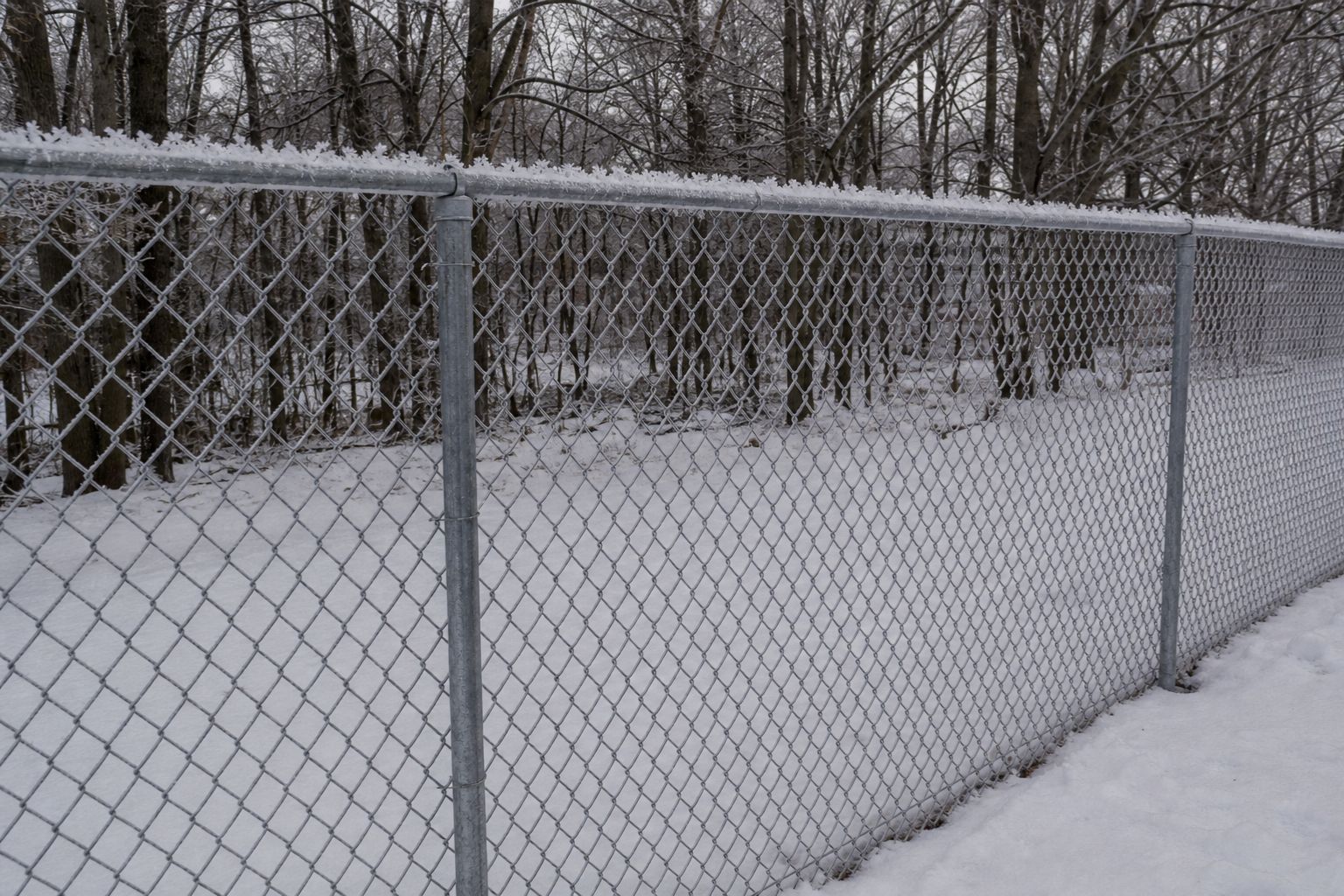
Chain link fencing has a reputation for being purely functional, and honestly, that reputation is earned. It does its job extremely well. Whether you need to secure a backyard, define a commercial property boundary, enclose a job site, or keep a pool area safe and code-compliant, chain link delivers reliable performance at a price point that most other materials simply can't match.
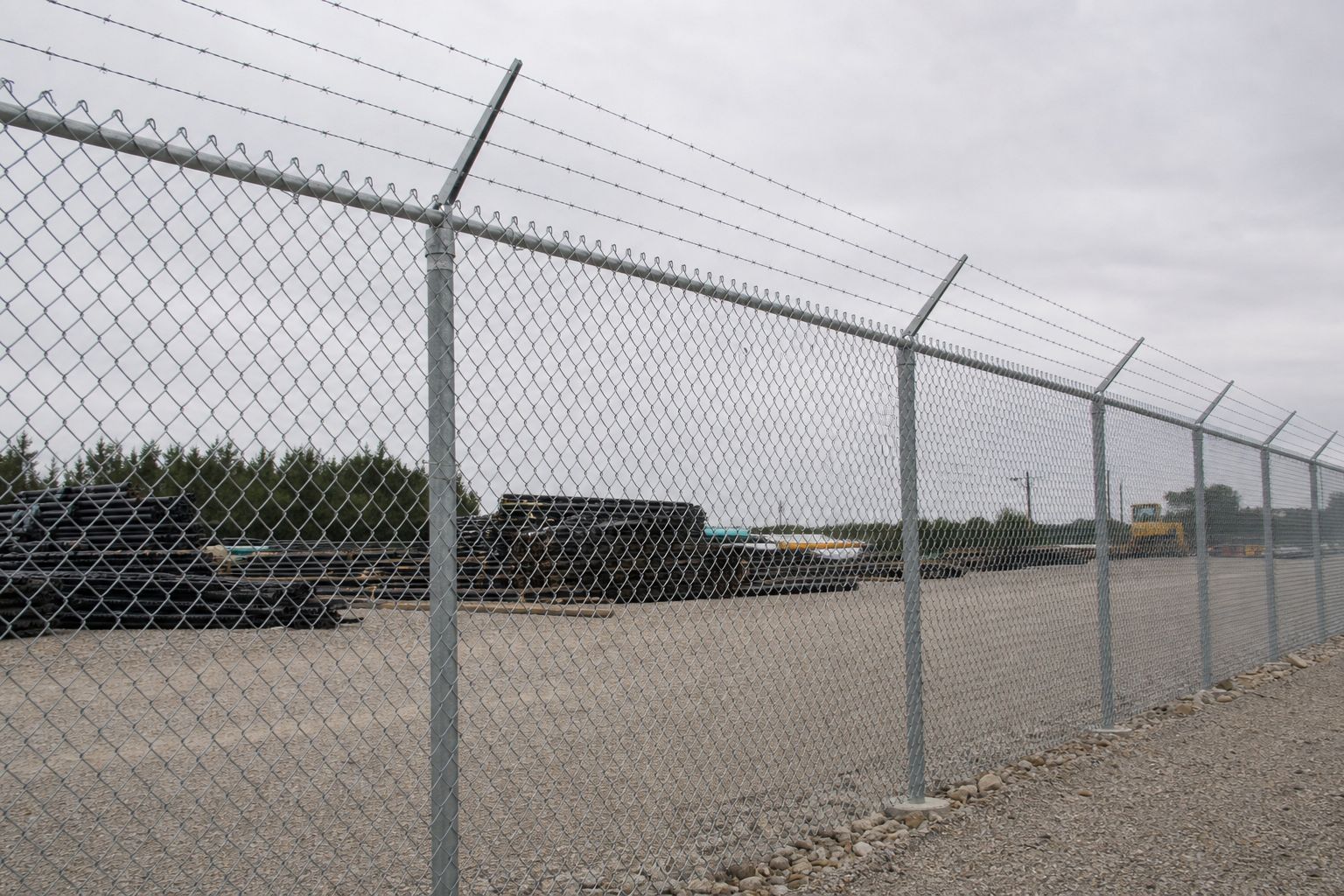
What surprises a lot of property owners is how much variety exists within chain link. Gauge, height, coating type, mesh size, and post spacing all affect how the finished fence looks and performs. A standard residential backyard installation looks and functions very differently from a heavy-gauge commercial perimeter fence with barbed wire topping. Portillo Fences and Gates helps you figure out exactly which configuration fits your property, your budget, and your local zoning requirements.
The short version: you get a fence that stands up to Hudson Valley winters, requires almost no upkeep, and does exactly what you need it to do, whether that's keeping kids in, keeping trespassers out, or meeting a specific code requirement for your pool or commercial site.
Who Chain Link Is the Right Fit For
Chain link isn't the right fence for every situation, but it's the right fence for more situations than most people realize. Here's where it genuinely shines.
A galvanized or vinyl-coated chain link fence doesn't rot, warp, or need seasonal painting. You install it once and largely forget about it. For busy homeowners in Mahopac, Carmel, or Brewster who don't want a fence project that turns into a yearly chore, chain link is a practical, lasting solution.
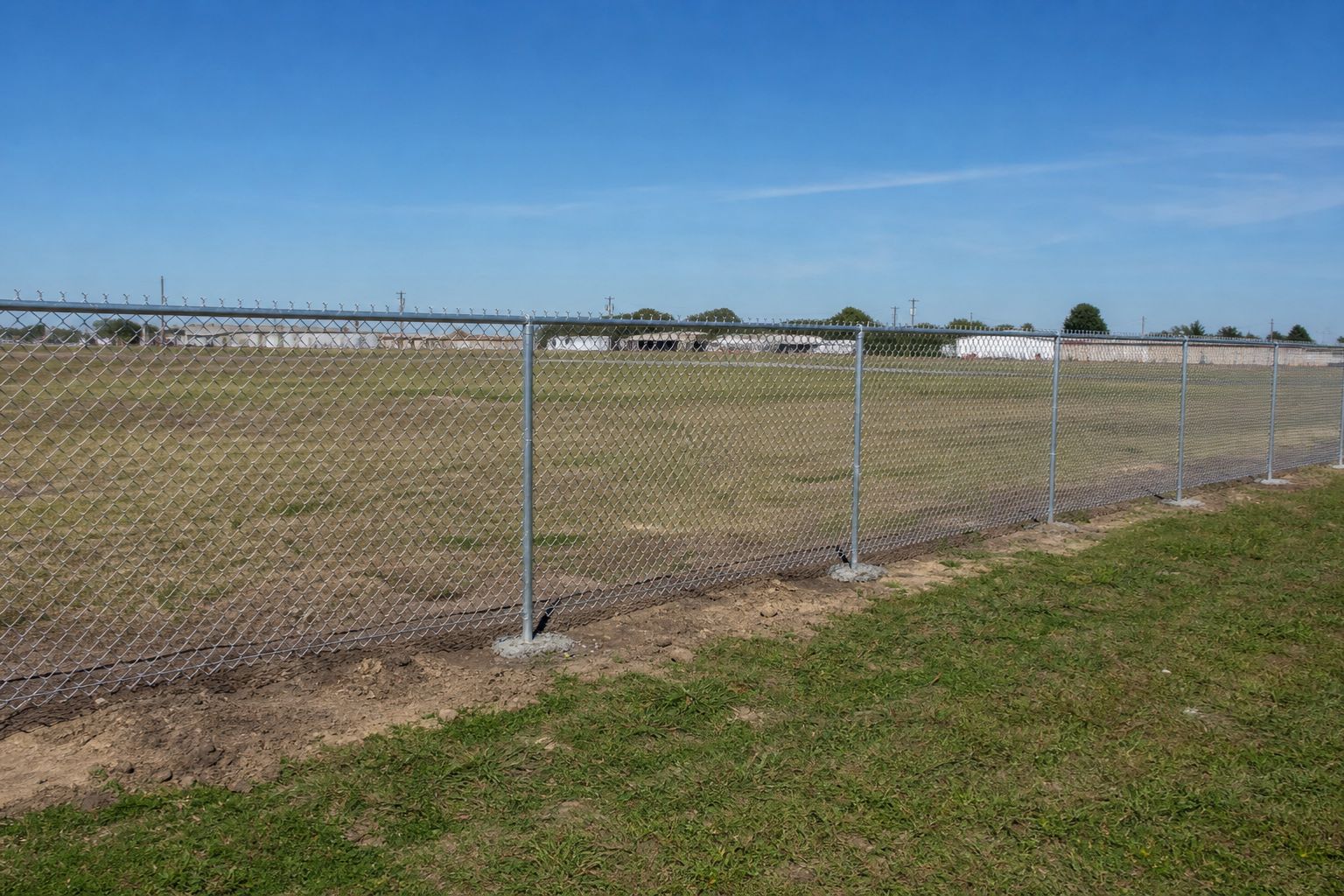
Warehouses, equipment yards, storage facilities, and construction sites across the Hudson Valley rely on heavy-gauge chain link to secure their perimeters. It's fast to install across large spans, holds up to contact and heavy use, and can be topped with barbed wire or privacy slats depending on the level of security you need.
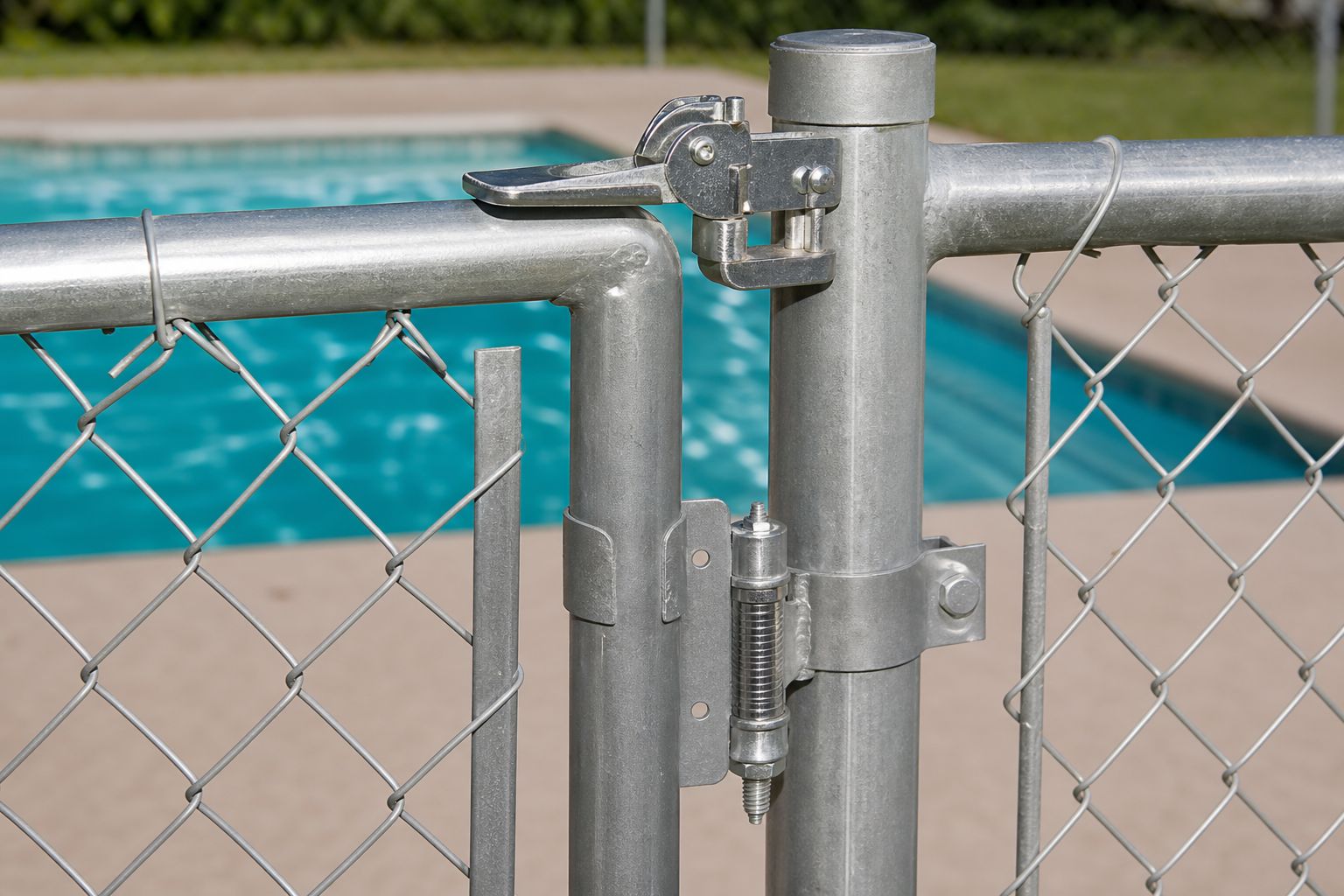
New York requires pool fencing to meet specific height and gate requirements. Chain link installed to code keeps your pool area compliant and safe without blocking airflow or sightlines the way solid privacy fencing would. It's a commonly used solution for residential pools throughout Putnam and Dutchess counties.
Chain link is one of the most secure fencing options for containing dogs, especially larger breeds that can push through or jump over lighter materials. The right gauge and height combination, with a properly fitted gate, creates an enclosure you can trust when you're not outside watching.
Property owners managing rentals in Poughkeepsie, Newburgh, or Yonkers often choose chain link because it holds up to tenant turnover, requires no maintenance coordination between leases, and adds practical security value without a high upfront cost.
Construction sites, utility projects, and temporary enclosures benefit from chain link because it installs quickly, can be configured as a permanent or temporary barrier, and withstands the conditions of an active work site without constant repair.
The Benefits That Actually Matter
Beyond the price point, chain link brings real, practical advantages that hold up over time.
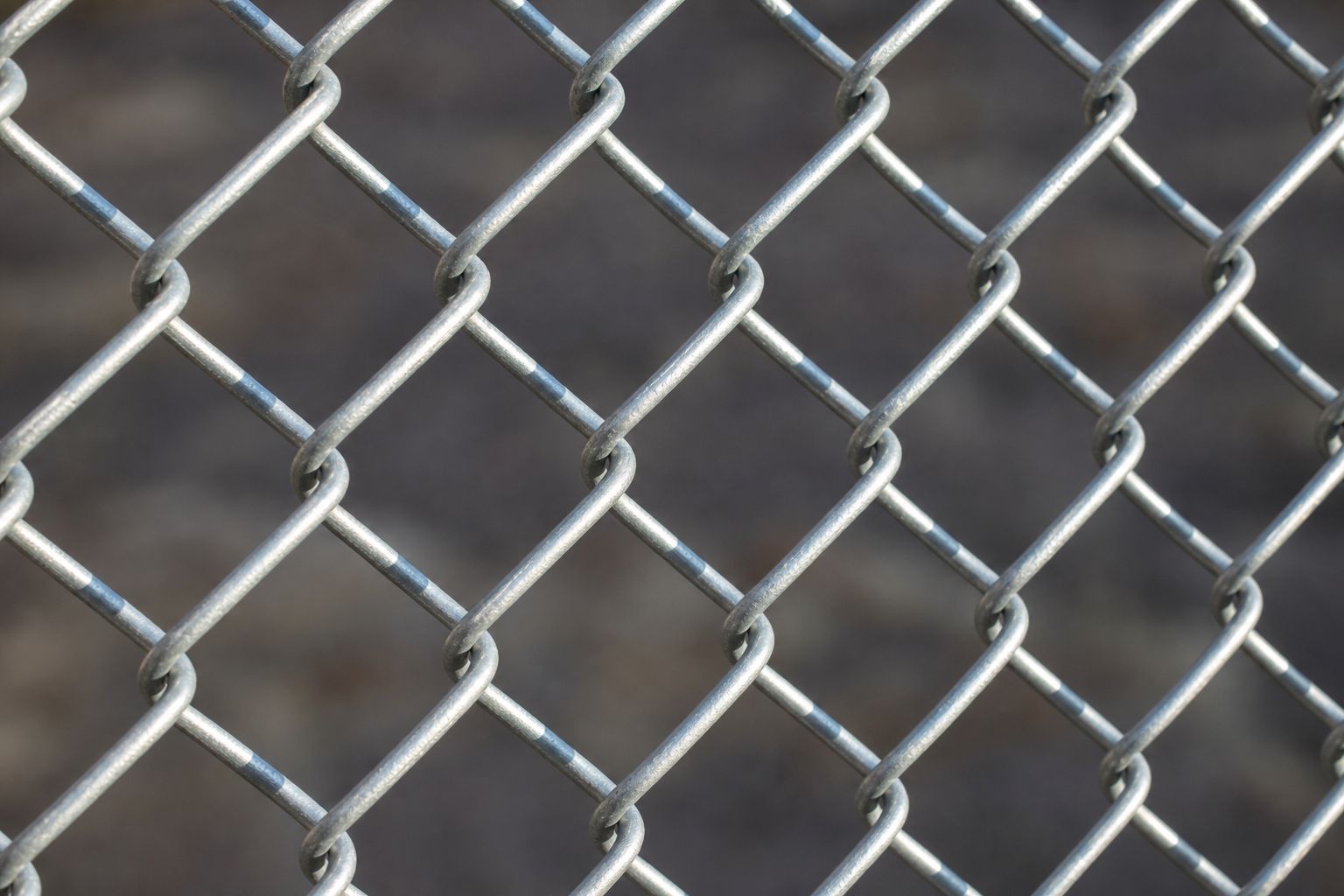
Galvanized steel chain link is resistant to rust and corrosion. Vinyl-coated versions add an extra layer of protection and a cleaner appearance. Either way, you're looking at a fence that can last decades in New York's climate without needing refinishing, sealing, or significant repairs.
Chain link costs less per linear foot to install than wood, vinyl, or aluminum fencing. That savings multiplies on larger commercial properties or long residential perimeters. Combined with near-zero maintenance costs over the life of the fence, it delivers strong value.
Unlike solid privacy fencing, chain link lets air move and lets you see through the fence. For pool enclosures, athletic courts, dog runs, and areas where you want to monitor what's happening on both sides of the fence, that openness is an advantage, not a drawback.
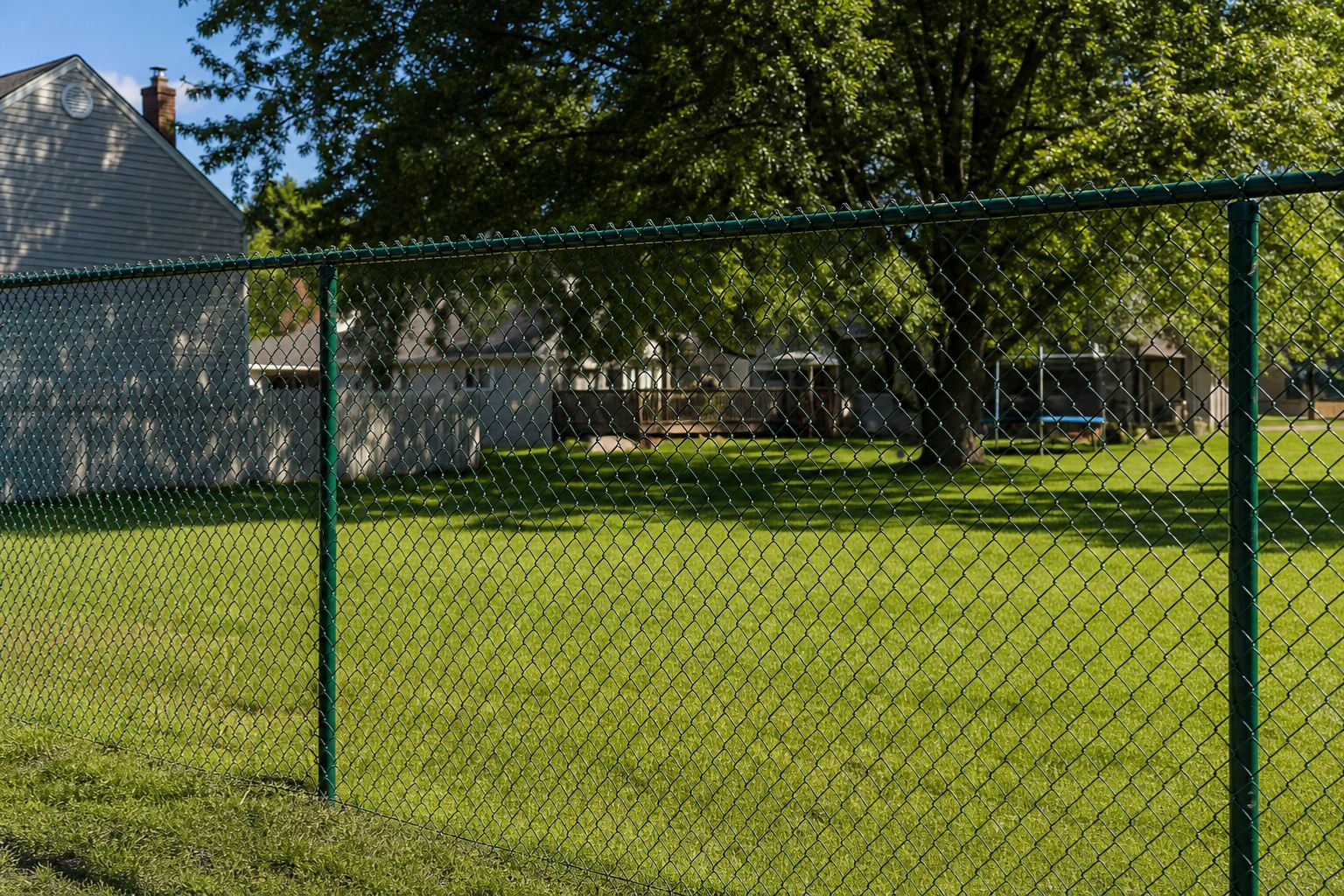
Height, gauge, mesh size, post spacing, gate placement, and coating color are all variables. Portillo Fences and Gates works with you to spec a fence that fits your actual property and use case, not just a one-size-fits-all default.
New York has specific requirements for fence height and gate hardware, especially around residential pools. Getting those details right from the start prevents costly corrections later. Portillo handles the code piece so you don't have to.
Chain link installs faster than most fencing types, especially over long runs. If you're enclosing a large commercial property, a sports area, or a multi-acre residential lot, that efficiency matters, both for timing and labor cost.
How the Installation Process Works
Every chain link installation follows a consistent process that keeps the project on schedule and the finished fence level, stable, and built to last in Hudson Valley conditions.
Scroll the steps sideways to follow the full process.
Chain Link Options: Matching the Right Material to the Job
Not all chain link is the same, and the difference between a fence that looks right and holds up well versus one that fails early often comes down to material choices made before a single post is dug. Understanding the basics helps you make a smarter decision.
Gauge refers to the thickness of the wire used in the fabric. A lower gauge number means thicker, heavier wire. Residential applications typically use 11 or 11.5 gauge wire, which is adequate for yard containment and moderate security. Commercial and industrial applications often use 9 gauge or heavier, which resists cutting, bending, and impact far better. If you're securing a commercial property in Newburgh or an equipment yard in Middletown, heavier gauge is worth the additional cost.
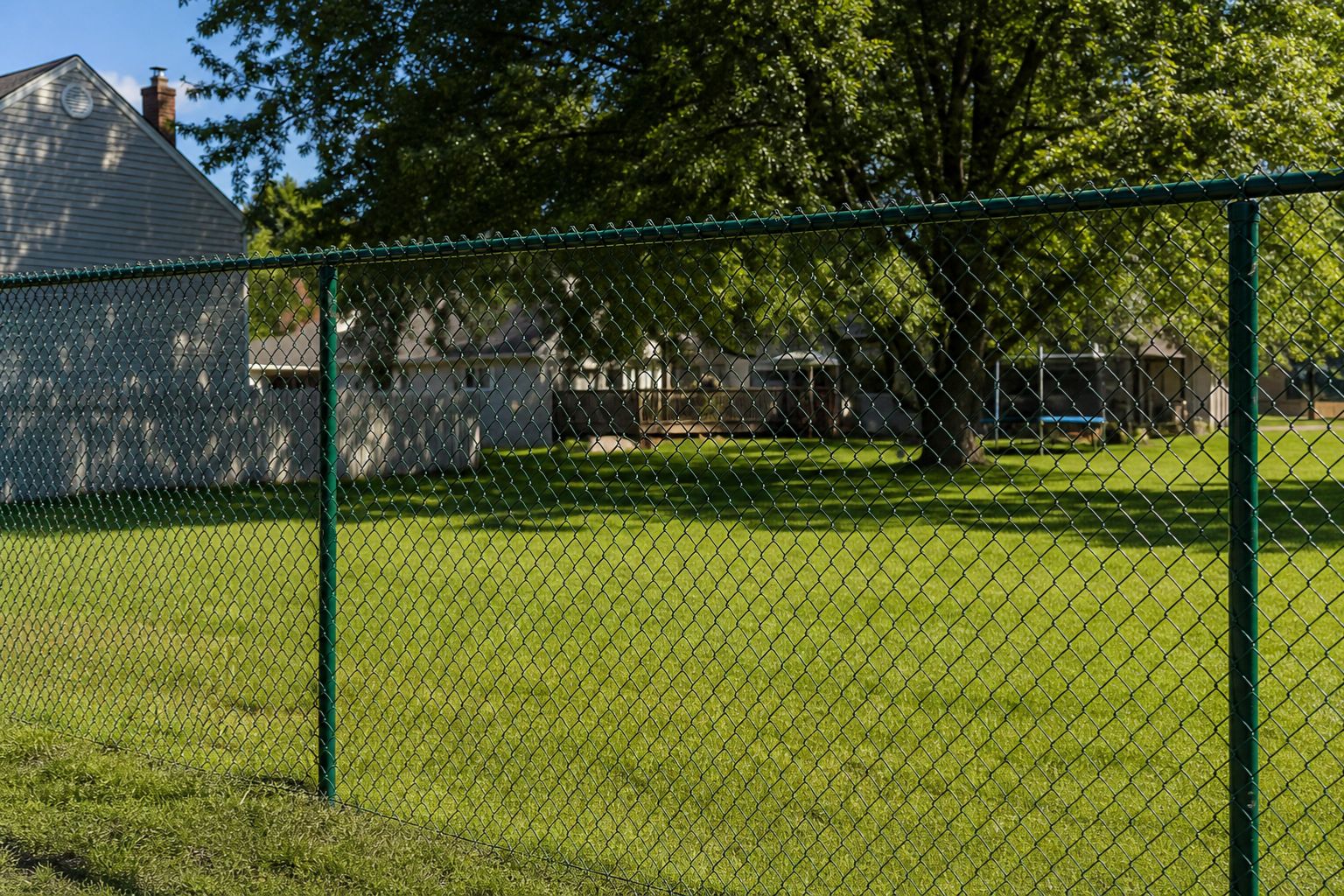
Coating type affects both appearance and longevity. Galvanized chain link is the standard option and handles New York weather well. Vinyl-coated chain link adds a layer of polymer over the galvanized wire, which improves corrosion resistance and gives a cleaner look. Black vinyl-coated chain link in particular has grown in popularity because it blends into the background better and looks noticeably more finished than plain silver galvanized fabric.
Mesh size, which is the size of each diamond opening in the fabric, affects security and visibility. Standard residential mesh is typically 2 inches. Smaller mesh openings reduce the ability to get a foothold for climbing and are sometimes used on higher-security applications. Larger mesh openings are used in some agricultural and temporary fencing contexts.
Finally, height. Across this region, municipal zoning commonly limits front-yard fences to 4 feet and rear or side-yard fences to 6 feet, though this varies by municipality. Commercial properties often have more flexibility, and specific applications like pool enclosures have their own minimum height requirements. Portillo Fences and Gates confirms the applicable rules for your specific address before spec'ing the job.
Why Property Owners in the Hudson Valley Choose Portillo Fences and Gates
There's no shortage of fencing contractors operating across Westchester, Putnam, Dutchess, Orange, Ulster, and Rockland counties. What makes the difference when you're choosing who to trust with your property isn't a list of marketing claims. It's how a contractor actually approaches the work.
Portillo Fences and Gates is licensed and insured, which matters because it protects you if something goes wrong during installation. An unlicensed contractor working on your property without proper insurance creates liability you don't want. This is a straightforward credential that any reputable fencing contractor should be able to provide before work begins.
Beyond credentials, the practical advantage Portillo brings is knowledge of how properties in this specific region behave. Hudson Valley properties have real grade variation, seasonal frost that reaches deep, and building departments across dozens of municipalities with their own specific requirements. Knowing the difference between what Carmel allows and what Poughkeepsie requires, or how to set posts that won't heave after a hard winter, comes from working consistently in this area.
The company installs residential and commercial chain link across a wide service area that includes Brewster, Mahopac, Beacon, White Plains, Yonkers, Suffern, Kingston, New Paltz, and many points between. That range isn't unusual for a well-established Hudson Valley contractor, but it does mean they've handled a wide variety of site conditions, property types, and code requirements across the region.
Jobs are quoted honestly. The scope, materials, and timeline are discussed before any work starts so you're not looking at surprise charges when the invoice arrives. That straightforward approach is what drives repeat work and referrals in a region where word travels fast between neighbors and property managers.
Frequently Asked Questions About Chain Link Fencing
These are the questions that come up most often from property owners in the Hudson Valley who are considering chain link. The answers here go beyond the basics.
Do I need a permit to install a chain link fence in New York?
It depends on your municipality and the height of the fence. Many towns and villages across Putnam, Dutchess, Orange, Westchester, Ulster, and Rockland counties require a permit for fences over a certain height, typically 6 feet. Some municipalities require permits for any permanent fence. Pool enclosure fencing almost always requires a permit and inspection. Portillo Fences and Gates identifies permit requirements for your specific address during the initial site assessment, so you're not caught off guard.
How close to my property line can the fence be installed?
Local zoning codes typically require a setback of at least a few inches to a few feet from the property line, depending on the municipality and the type of fence. Installing on the property line itself can create legal disputes with neighbors if the line is ever questioned. The safe practice is to verify the actual property line, ideally with a survey, and set the fence inside it. Portillo recommends this step on any installation where the property line isn't already clearly marked.
Can chain link fencing be used for pool enclosures in New York?
Yes, and it's a common choice for residential pools throughout the Hudson Valley. New York State requires pool barriers to be at least 48 inches high, have no footholds or handholds that would allow climbing, and feature self-closing, self-latching gates that open outward away from the pool. Chain link works as a pool barrier when it is specified for that use. Mesh opening size is the detail that decides it, and the allowable size depends on which code edition your building department enforces, so we confirm it with your inspector before ordering fabric. The gate hardware and latch placement are the most frequently cited issues during pool inspections, which is why getting the installation right from the start matters.
What's the difference between galvanized and vinyl-coated chain link?
Galvanized chain link is coated with zinc during manufacturing, which protects the steel wire from rust and corrosion. It's durable and handles New York weather well. Vinyl-coated chain link adds a polymer coating over the galvanized wire, which provides additional corrosion resistance and a more finished appearance. Vinyl-coated options are available in black, green, and other colors. Black vinyl-coated chain link in particular has become popular in residential applications because it blends into landscaping and looks significantly cleaner than standard silver galvanized fabric.
How long does a chain link fence last?
A properly installed galvanized chain link fence can last 15 to 20 years or more under normal conditions. Vinyl-coated options can last longer because the added coating protects against the corrosion that eventually degrades the zinc layer on standard galvanized wire. The biggest factors in longevity are post depth (posts set above the frost line will heave and destabilize the fence), proper tension in the fabric, and quality of the materials used. Cheap imported fabric using undersized wire can fail much sooner than contractor-grade domestic or domestic-equivalent products.
Can privacy slats be added to a chain link fence?
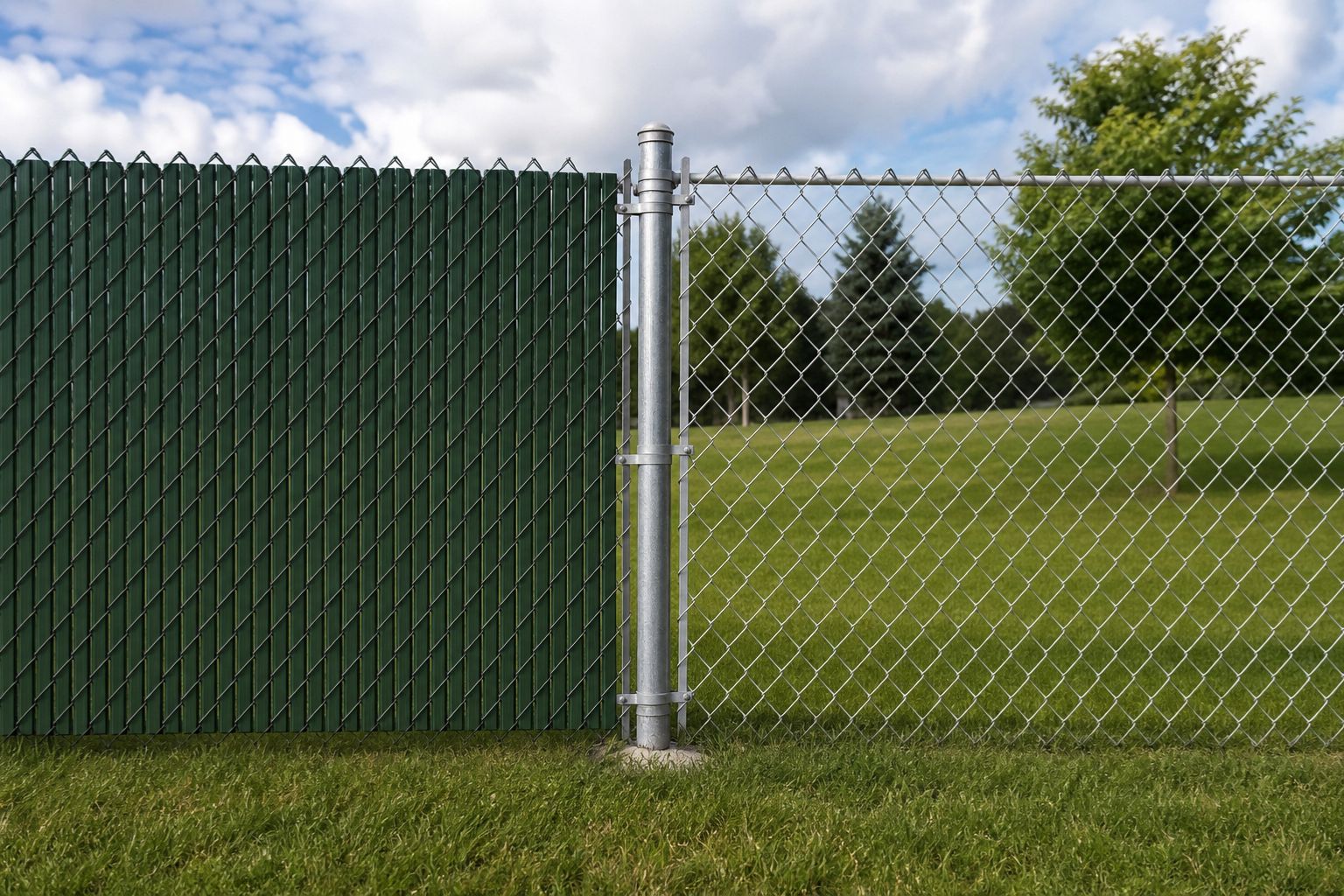
Yes. Vinyl privacy slats thread vertically or diagonally through the chain link fabric and add significant visual privacy without replacing the fence. They come in a range of colors and can cover anywhere from 75 to 95 percent of the fence opening depending on the weave pattern. Slats don't add structural strength to the fence but they do increase wind load, which should be factored into post spacing and depth on exposed sites. They're a cost-effective way to add privacy to an existing chain link fence or to a new installation without going to a full solid-panel fence.
What should I look for in a chain link fencing contractor?
The basics are licensing, insurance, and a willingness to pull permits where required. Beyond that, ask whether they're setting posts to the correct depth for your frost zone, what gauge fabric they're specifying, and whether the materials are contractor-grade or the lower-end product sold at home improvement stores. A contractor who can answer those questions clearly and specifically is one who understands what they're installing and why the details matter. A contractor who can't explain those choices is one worth being cautious about.
Serving Property Owners Across the Hudson Valley and Surrounding Areas
Portillo Fences and Gates installs chain link fencing throughout a broad service area that includes communities in Westchester, Putnam, Dutchess, Orange, Ulster, and Rockland counties. That covers residential neighborhoods, commercial corridors, and rural properties across a region with real variety in terrain, climate, and local building codes.
The team works in Brewster, Carmel, Mahopac, Pawling, Beacon, Poughkeepsie, Wappingers Falls, Newburgh, Middletown, New Paltz, Kingston, White Plains, Port Chester, Ossining, Peekskill, Mount Kisco, Tarrytown, New City, Spring Valley, Suffern, and Yonkers. If your property is in one of these communities or nearby, Portillo is positioned to handle your installation without the delays that come with a contractor traveling from outside the region.
Local presence means knowing the terrain and the code environment specific to this area. A flat suburban lot in White Plains installs differently than a sloped wooded property in Mahopac. The frost depth, soil conditions, and municipal requirements vary meaningfully across this service area, and that local experience shows in the quality and durability of the finished work.
Get a Quote on Chain Link Fencing for Your Property
Call (845) 282-3336 or use our contact form to schedule your on-site assessment. We serve property owners throughout the Hudson Valley and surrounding communities in Westchester, Putnam, Dutchess, Orange, Ulster, and Rockland counties.