

Frequently Asked Questions
Materials and Fence Types
What fence materials do you install?
Portillo Fences and Gates installs wood, vinyl, aluminum, chain link, and custom steel fencing for residential and commercial properties. Wood offers the most flexibility in style, including privacy, picket, split rail, and horizontal board designs. Vinyl is the low-maintenance option; it holds its color and shape without painting or staining. Aluminum works well around pools and anywhere you want an open, ornamental look without rust concerns. Chain link covers practical applications where durability and visibility matter more than appearance. For something fully custom, we fabricate steel fencing built to match wood or any other style you have in mind.
What is the difference between vinyl and wood fencing?
The core difference is maintenance. Wood fencing requires periodic sealing, staining, or painting to resist moisture and UV damage, especially in the Hudson Valley where winters are hard and summers are humid. A well-maintained wood fence can last 15 to 20 years or longer and offers a natural warmth many homeowners prefer. Vinyl requires almost none of that upkeep. It will not rot, splinter, or fade the way wood does, and cleaning is as simple as hosing it down. The trade-off is that vinyl costs more upfront and cannot absorb stain or paint, so color options are limited to what is available from the manufacturer. Both materials perform well; the right choice depends on your priorities.
Can you build a steel fence that looks like wood?
Yes. Portillo Fences and Gates fabricates custom steel gates and fencing that match the visual profile of wood designs. This is a popular option for driveway entrances and commercial properties where owners want a wood-style look with the strength and longevity of steel. The fabrication process allows us to replicate board patterns, post profiles, and overall proportions closely. If you have a specific design in mind, we can build it.
Pool Fencing and NY Code
Does my pool fence have to meet a specific code in New York?
Yes, and the requirements are specific. New York State requires that residential swimming pools be enclosed by a barrier at least 48 inches high, with no openings that would allow a 4-inch sphere to pass through. Gates must be self-closing and self-latching, with the latch on the pool side and positioned high enough that a child cannot reach it. There are additional requirements for gate opening direction, spacing between vertical members, and clearance at the bottom of the fence. Portillo Fences and Gates installs pool fencing to meet these code standards, which matters both for safety and for passing inspection.
Which fence materials work for pool enclosures?
Aluminum is the most common choice for pool fencing because it is rust-resistant, meets code height requirements easily, and allows visibility so you can see the pool from the yard. Vinyl and certain chain link configurations are also acceptable under NY code when installed correctly. Wood can be used in some cases but requires closer attention to spacing and height requirements. We recommend aluminum for most pool applications because it holds up against constant moisture exposure without the maintenance demands of wood or the visual heaviness of a solid panel fence.
Gates and Automatic Systems
What types of gates do you install?
Portillo Fences and Gates installs swing gates, sliding gates, and custom entrance gates in wood, steel, and aluminum. For automated systems, we work with arm operators for swing gates and chain drive or rack-and-pinion slide operators for sliding gates. We install equipment from FAAC and LiftMaster, two of the most reliable brands in the industry. For properties where a clean, hardware-invisible look matters, we also specialize in inground motors, installed below grade so the operator is completely hidden from view.
What is an inground gate motor and why would I want one?
An inground motor is a gate operator installed beneath the surface of the driveway, directly under the gate post. Because the mechanism is underground, nothing is visible on the post or the gate itself. The result is an entrance that looks completely clean from the outside, with no arm, box, or hardware attached to the gate. This is a popular option for high-end residential properties and estate entrances where appearance is a priority. Portillo Fences and Gates has specific experience in inground motor installation, working with FAAC and Viking brands. The installation requires precise groundwork and waterproofing, which is why it matters to use a contractor who has done it before.
Can you add automation to an existing gate?
Often, yes. Whether we installed the original gate or not, we can evaluate your existing setup to determine if it is compatible with an automation system. Factors that affect this include gate weight and width, post condition, available power, and the amount of travel required for a slide gate. If the gate is structurally sound, adding an operator is usually straightforward. We also repair existing automatic gate systems regardless of brand, including operators, control boards, and safety sensors.
What is a DoorBird system and do I need a certified installer?
DoorBird is a brand of IP video intercom systems used at gates and building entrances. They allow visitors to ring a doorbell at your gate, which connects to your phone or tablet through an app so you can see and speak with them remotely and release the gate without being home. Portillo Fences and Gates is a certified DoorBird installer, meaning we have completed product training and are authorized to configure and warranty the equipment properly. Very few fencing contractors in the Hudson Valley and Westchester region hold this certification. If you are planning an access control or smart entry setup, we can integrate a DoorBird system with your gate.
Fence Repair and Maintenance
Do you repair fences you did not originally install?
Yes. Portillo Fences and Gates repairs all fence materials, including wood, vinyl, aluminum, and chain link, regardless of who did the original installation. We also repair automatic gate systems of any brand. Repair work is assessed case by case. In some situations, a targeted repair is the most cost-effective path. In others, particularly where a wood fence has widespread rot or a gate system has multiple failing components, replacement makes more financial sense. We will give you an honest assessment either way.
How long does a fence last before it needs to be replaced?
Lifespan depends heavily on the material and how well it is maintained. Vinyl fencing typically lasts 20 to 30 years with minimal care. Aluminum holds up for decades in most climates and does not rust, making it one of the longest-lasting options. Wood fencing, when properly maintained, can last 15 to 20 years or more, though individual boards and posts may need attention sooner depending on moisture exposure and ground contact. Chain link can last 15 to 25 years depending on whether it is galvanized and how it is used. Galvanizing steel components, including gates and railings, adds significant protection against corrosion and extends service life considerably.
Railings and Specialty Work
Do you install railings in addition to fencing?
Yes. Portillo Fences and Gates fabricates and installs steel railings with welding for stairs, decks, and commercial properties, as well as wood, vinyl, and aluminum railing systems for residential and commercial applications. Custom steel railing work is built to order based on your dimensions and design preferences. If you need railings as part of a broader project that also includes fencing or gate work, we can handle both together.
What is galvanizing and when does it make sense?
Galvanizing is a corrosion-protection process that coats steel with a layer of zinc to prevent rust. There are two main methods: hot-dip galvanizing, where the steel is submerged in molten zinc, and cold galvanizing, which applies a zinc-rich coating to the surface. Hot-dip galvanizing provides longer-lasting protection and is often used on gates, railings, and structural steel exposed to weather year-round. It is a smart investment for anything installed in a high-moisture environment or where long-term durability is the priority. Portillo Fences and Gates applies both methods depending on the project requirements.
Do you build stone walls?
Yes. Portillo Fences and Gates designs and constructs stone walls for property boundaries, landscaping, and decorative applications for both residential and commercial properties. Stone walls are a natural fit alongside fencing and gate projects where a client wants a cohesive entrance or perimeter design. If your project involves a combination of fencing and stonework, we can manage both.
Service Area and Availability
Where does Portillo Fences and Gates work?
We serve a broad area across the Hudson Valley, Westchester, and surrounding counties. Our service area includes Brewster, Carmel, Mahopac, Pawling, Beacon, Poughkeepsie, Wappingers Falls, Newburgh, Middletown, New Paltz, Kingston, White Plains, Port Chester, Ossining, Peekskill, Mount Kisco, Tarrytown, New City, Spring Valley, Suffern, and Yonkers. If your property is in or near any of these areas, contact us to confirm we can take your project.
Do you work with contractors in addition to homeowners?
Yes. Portillo Fences and Gates works directly with general contractors and subcontractors in addition to residential and commercial property owners. If you are a contractor who needs a reliable fencing and gate subcontractor for a project in our service area, we can discuss what that looks like for your job.
More Common Questions
Do I need a permit to install a fence in New York?
It depends on your town and the fence height. Many municipalities in Westchester, Putnam, and Dutchess counties require permits for fences over four to six feet, or for fences close to property lines. Some towns also restrict fence height in front yards. We review your specific situation during the estimate and let you know what's required before any work begins.
How long does a fence installation take?
Most residential jobs take one to three days depending on total length, material, and site conditions. A standard backyard fence with one gate is often a one-day job. Longer perimeter fences, sloped lots, or projects that include gate operators and access control will take longer. We give you a realistic timeline before we start.
What's the difference between an arm operator and a slide operator for a gate?
Arm operators swing a gate open on a pivot, which works well when there's enough clearance in front of the opening. Slide operators pull the gate horizontally along a track, which is the better choice when there isn't room for the gate to swing outward or when you have a longer, heavier panel. We assess your driveway layout and recommend the right system.
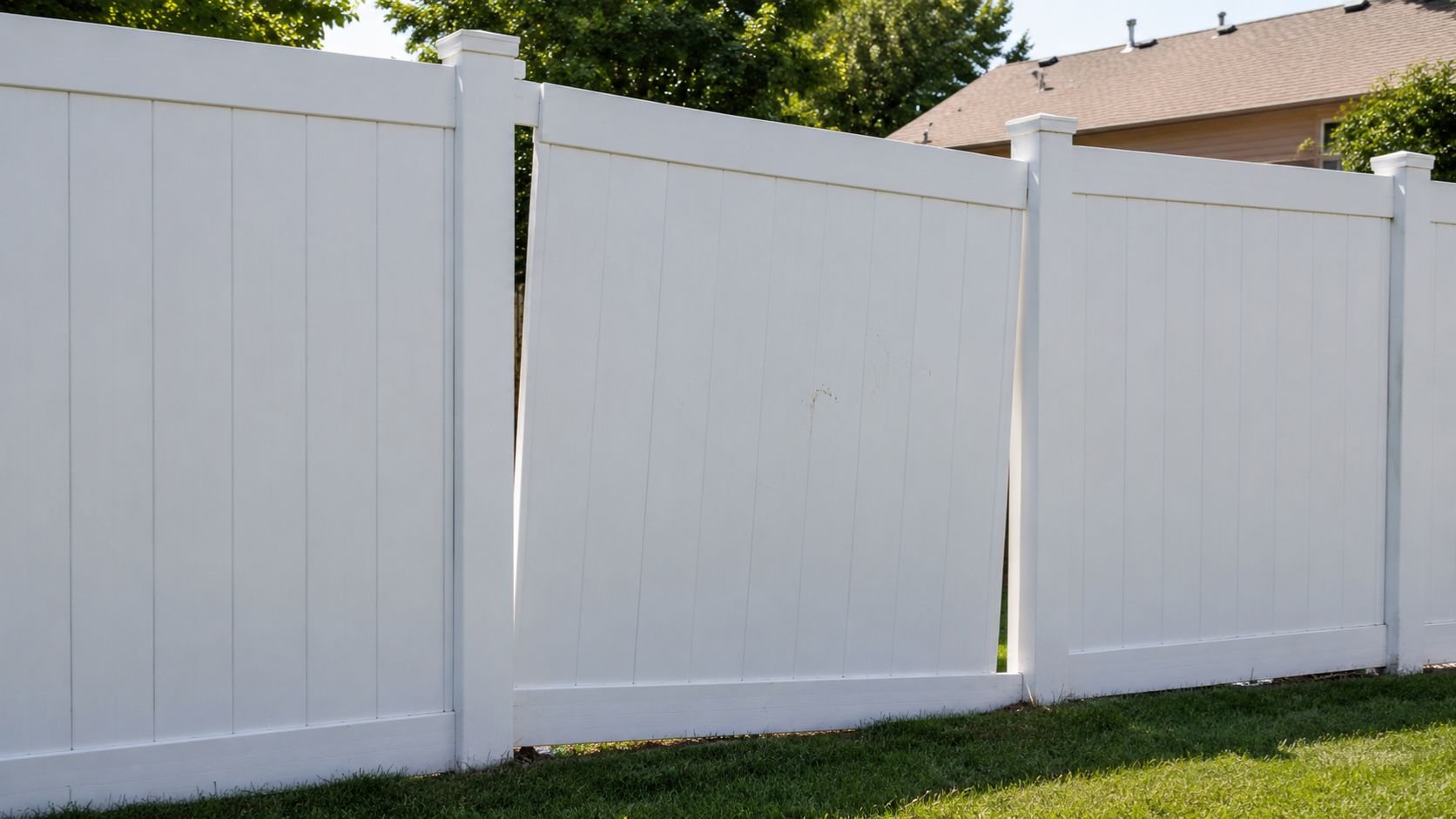
Can you repair my existing fence instead of replacing it?
Often, yes. If the posts are solid and the structural components are sound, we can replace damaged boards, re-hang a sagging gate, fix a broken latch, or repair storm-damaged sections. We'll tell you honestly whether repair makes sense or whether the cost approaches the price of a new fence, and we let you make the call.
What is a DoorBird system and do I need one?
DoorBird is a video intercom and access control system that connects to your gate entry point. It lets you see who's at your gate from your phone, speak with them, and open the gate remotely. It's a practical addition for anyone with a motorized driveway gate, especially if you receive deliveries, have frequent visitors, or want more control over property access. We install and configure DoorBird systems as part of complete gate packages.
Do you install fences for commercial properties?
Yes. We work with commercial property owners, managers, and contractors on chain link perimeter fencing, aluminum commercial enclosures, access-controlled gate systems, and steel railings. Commercial jobs often involve higher post spacing, heavier gauge materials, and more complex gate configurations. We have the equipment and experience to handle commercial-scale work throughout our service area.
Do I need a permit for my fence?
It depends on your town, your fence height, and where on your property the fence will sit. We're familiar with local code requirements across our service area and can point you in the right direction during your consultation.
How long does installation take?
Most residential fence installs wrap up in one to two days. Larger commercial projects or more complex gate systems with access control components may take longer. We'll give you a specific timeline in your quote.
Can you repair an existing fence instead of replacing it?
Yes. If a section is damaged, a post has rotted, or a gate is off-track, we can assess what needs fixing and give you an honest read on whether repair or replacement makes more sense.
What materials do you work with?
We work with wood, vinyl, aluminum, chain link, and steel. We also fabricate and install custom fencing when a standard option doesn't fit the space or the look you're going for.
Do you handle automatic gate systems?
Yes. We install automatic gates, inground motors, arm operators, slide operators, and access control systems. We also work with DoorBird systems for properties that need intercom or video access integration at the gate.
What fence material holds up best in the Hudson Valley climate?
Vinyl and aluminum both perform well in this region because they resist moisture and do not warp or rot through freeze-thaw cycles. Wood is a great option too, especially pressure-treated pine or cedar, as long as it is properly installed and maintained. We can walk you through the practical trade-offs of each material based on your property and how much maintenance you want to take on.
Can you install an automatic gate on an existing fence?
In many cases, yes. We assess your existing fence and gate setup to determine what is needed. Depending on the gate size, weight, and the type of automation you want, we will recommend the right operator: an arm operator, a slide operator, or an inground motor system.
How long does a typical fence installation take?
Most residential fence installations take one to two days, depending on the size of the property and the material involved. Custom work, automatic gate systems, and access control integrations take longer. We give you a realistic timeline before the project starts so you can plan accordingly.
Do you repair fences you did not install?
Yes. We repair all types of fences and gates regardless of who originally installed them. If a post is rotting, panels are damaged, or a gate is no longer functioning correctly, we assess the situation and recommend the most practical fix.
Still have a question?
Call or send a message and we'll give you a straight answer about your fence or gate project.