

Gate Installation & Automation Services in the Hudson Valley
What You Get With Gate Installation and Automation
Gate installation and automation from Portillo Fences and Gates means a complete entry system built and configured for your specific property. That includes the gate itself (swing or sliding, in wood, steel, or aluminum), the operator matched to your gate's weight and duty cycle, access control hardware such as keypads or RFID readers, and a full safety check before we close out the job. Most residential driveway gate installations are completed within one to two days on site, depending on gate size, operator type, and whether trenching for conduit is required.
You're not buying a gate opener off a shelf. You're getting a system sized correctly for your gate, wired for your site conditions, and tested to confirm that every component works together before we leave. That means the remote works, the keypad codes are set, the safety sensors respond correctly, and you know how to release the gate manually if power goes out.
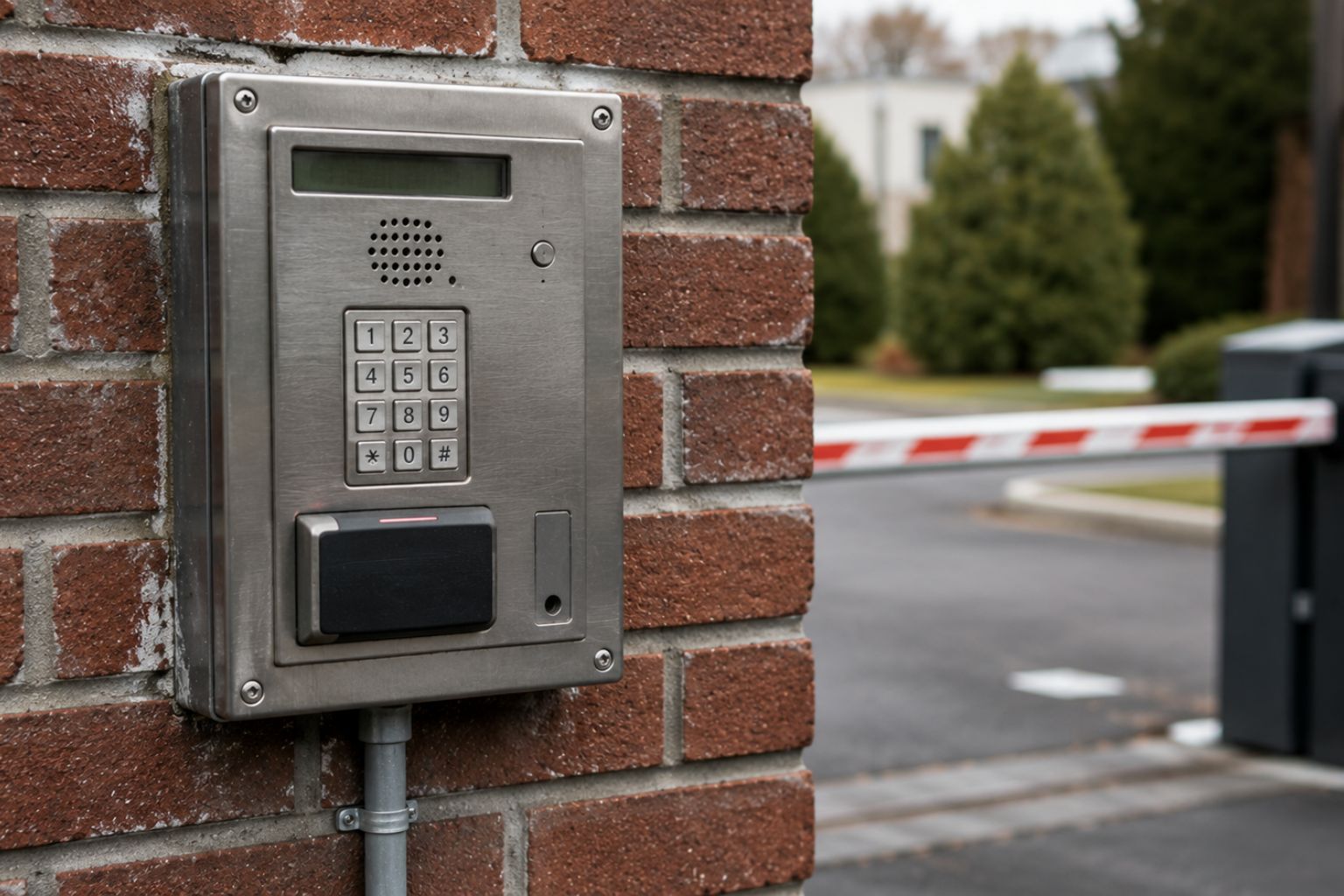
What Types of Gates Does Portillo Fences and Gates Install?
Portillo Fences and Gates installs several gate configurations for both residential driveways and commercial entrances. The right choice depends on your site geometry, how much space you have for swing clearance or slide travel, how the gate will be used, and what it needs to look like.
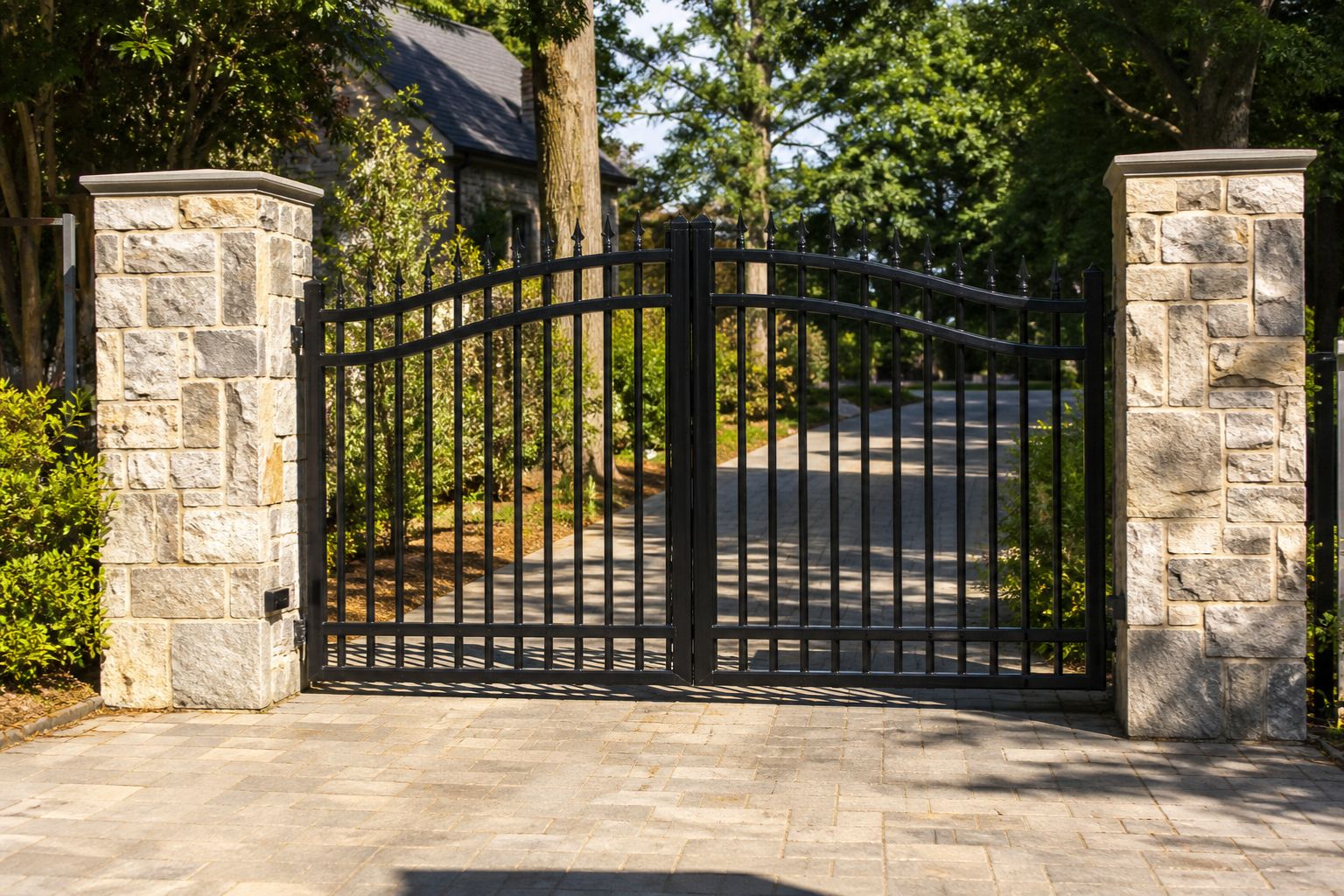
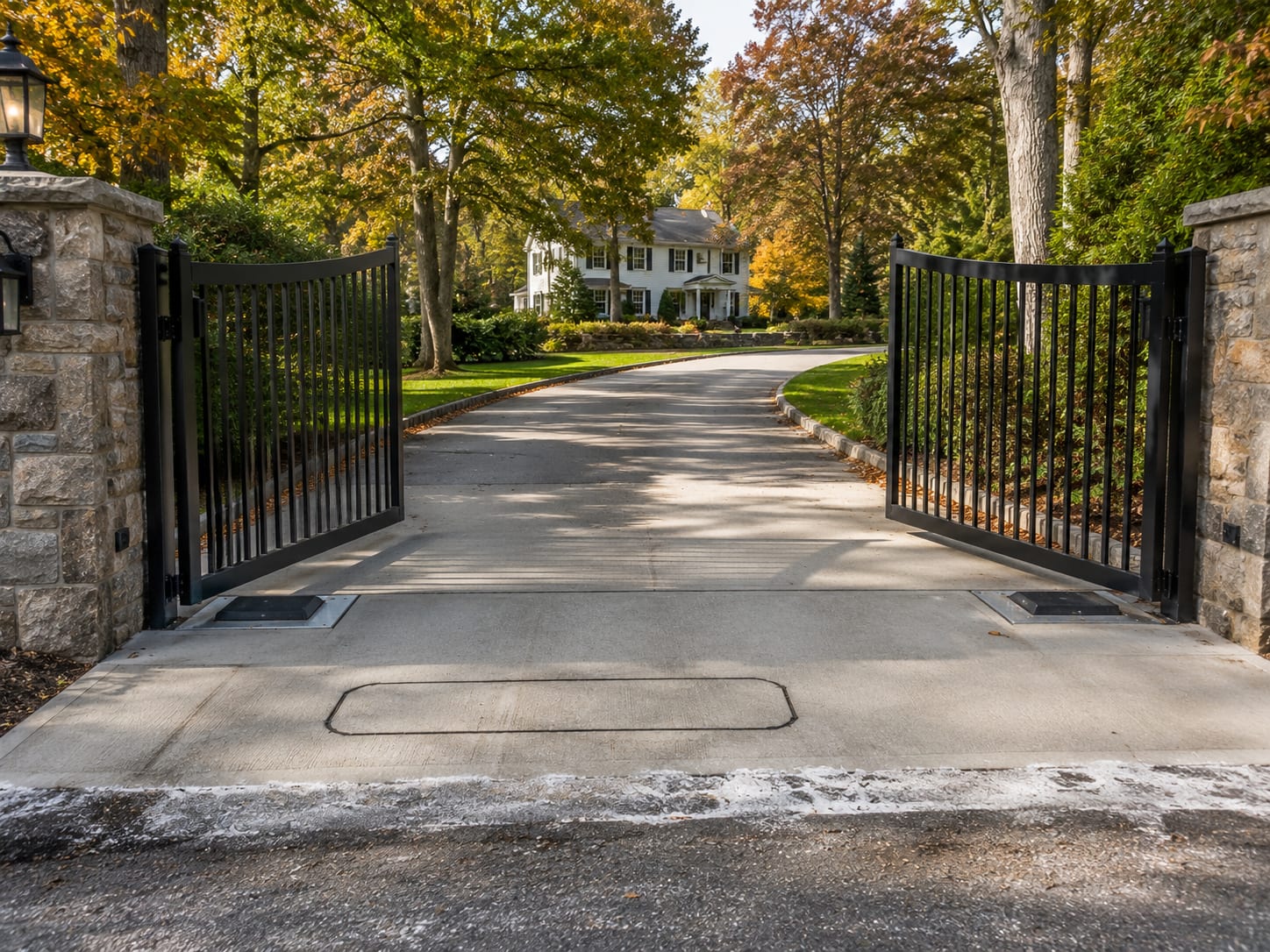
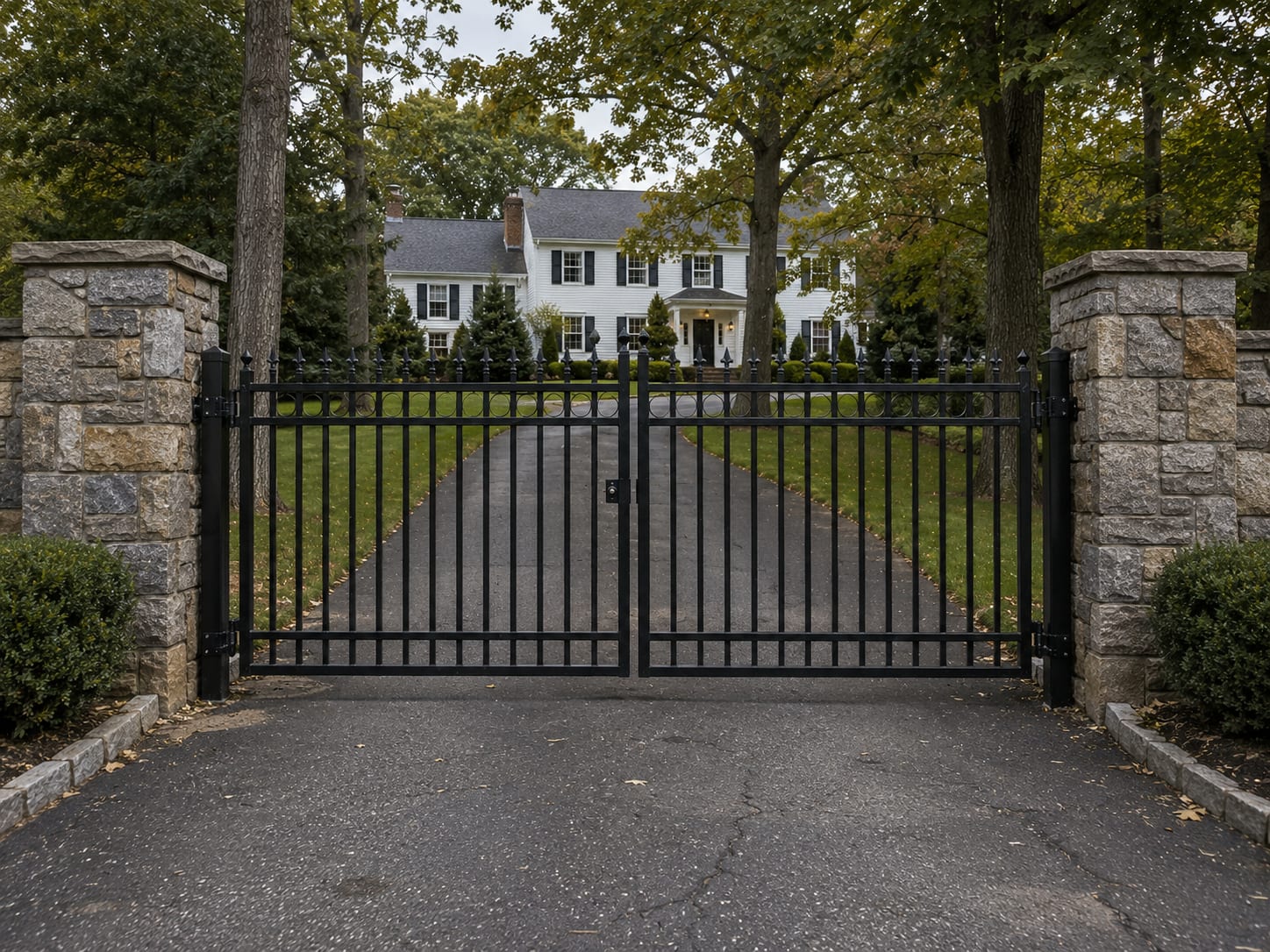
Single and double swing gates are the most common choice for residential driveways with enough clearance behind the gate. They work well with arm operators above ground or inground motors for a cleaner look. Steel, aluminum, and wood options are available.
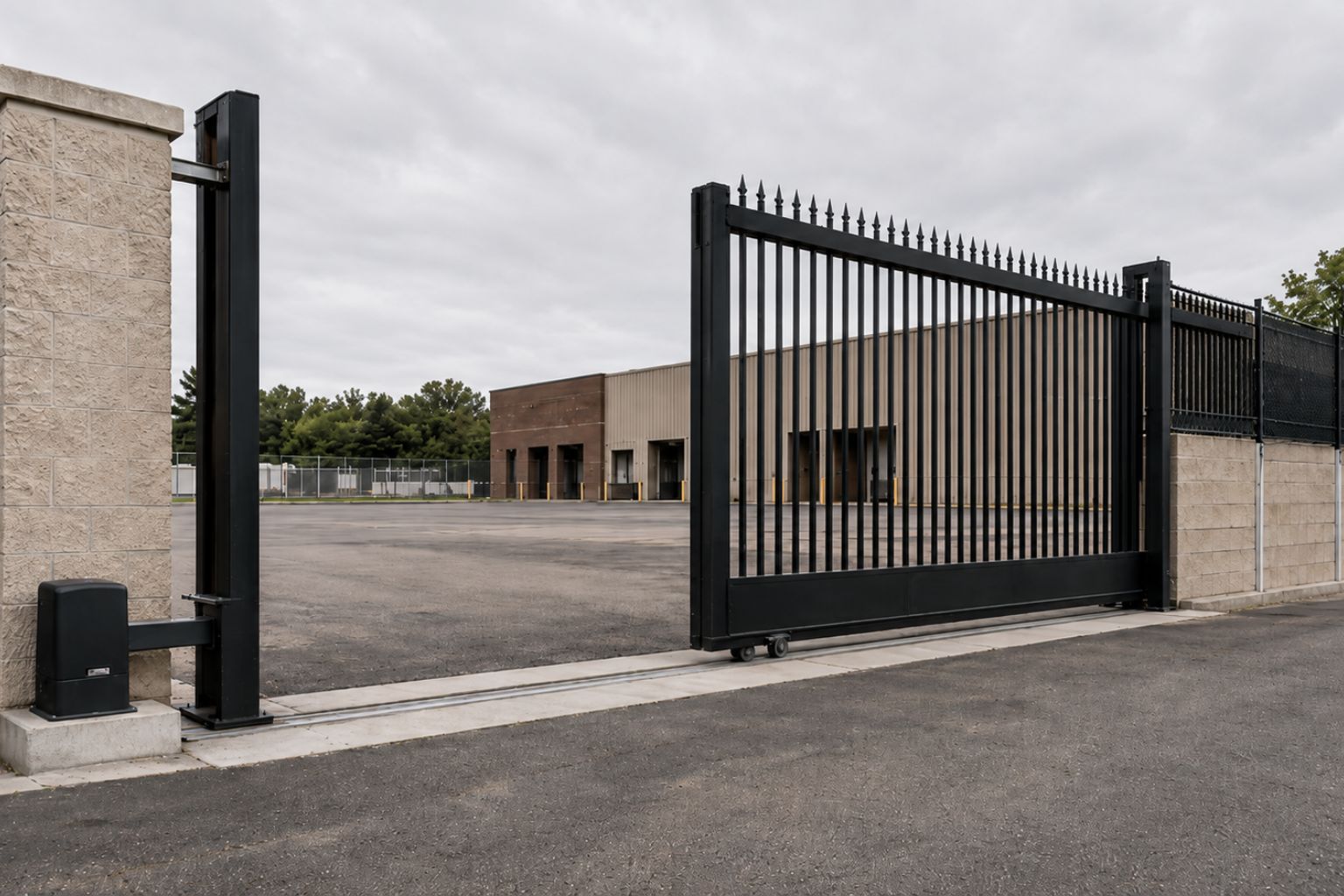
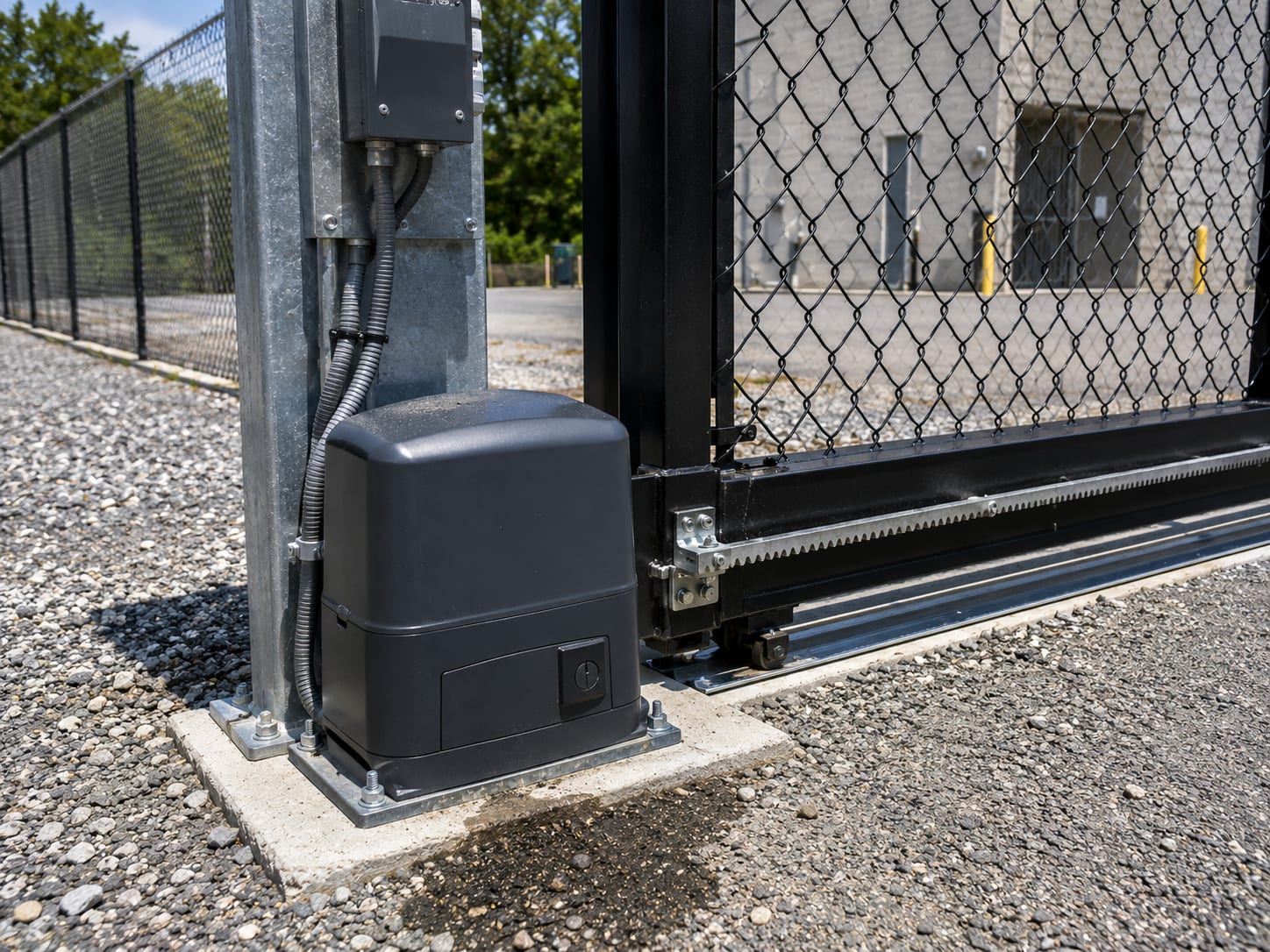
Sliding gates are the right call when there's no room for a gate to swing open, such as on a slope or a tight driveway. They travel along a track or hang from a cantilever system. Slide operators handle the automation and are built for higher daily cycles than most residential arm operators.
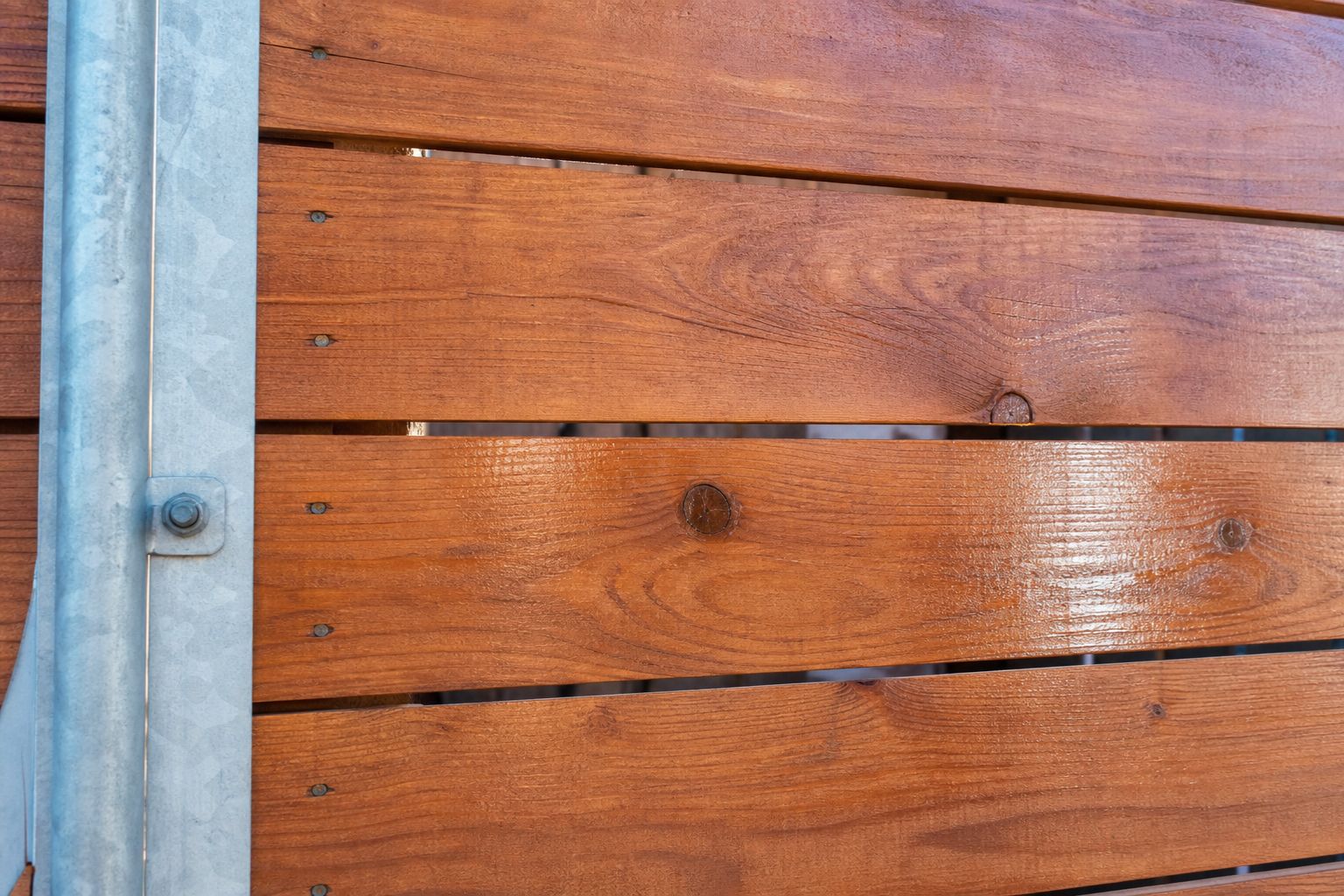
Not every gate fits a standard catalog. Portillo Fences and Gates fabricates custom steel gates, including designs that replicate the appearance of wood while delivering the strength and longevity of steel. These are popular for upscale residential entries and commercial properties where appearance matters.
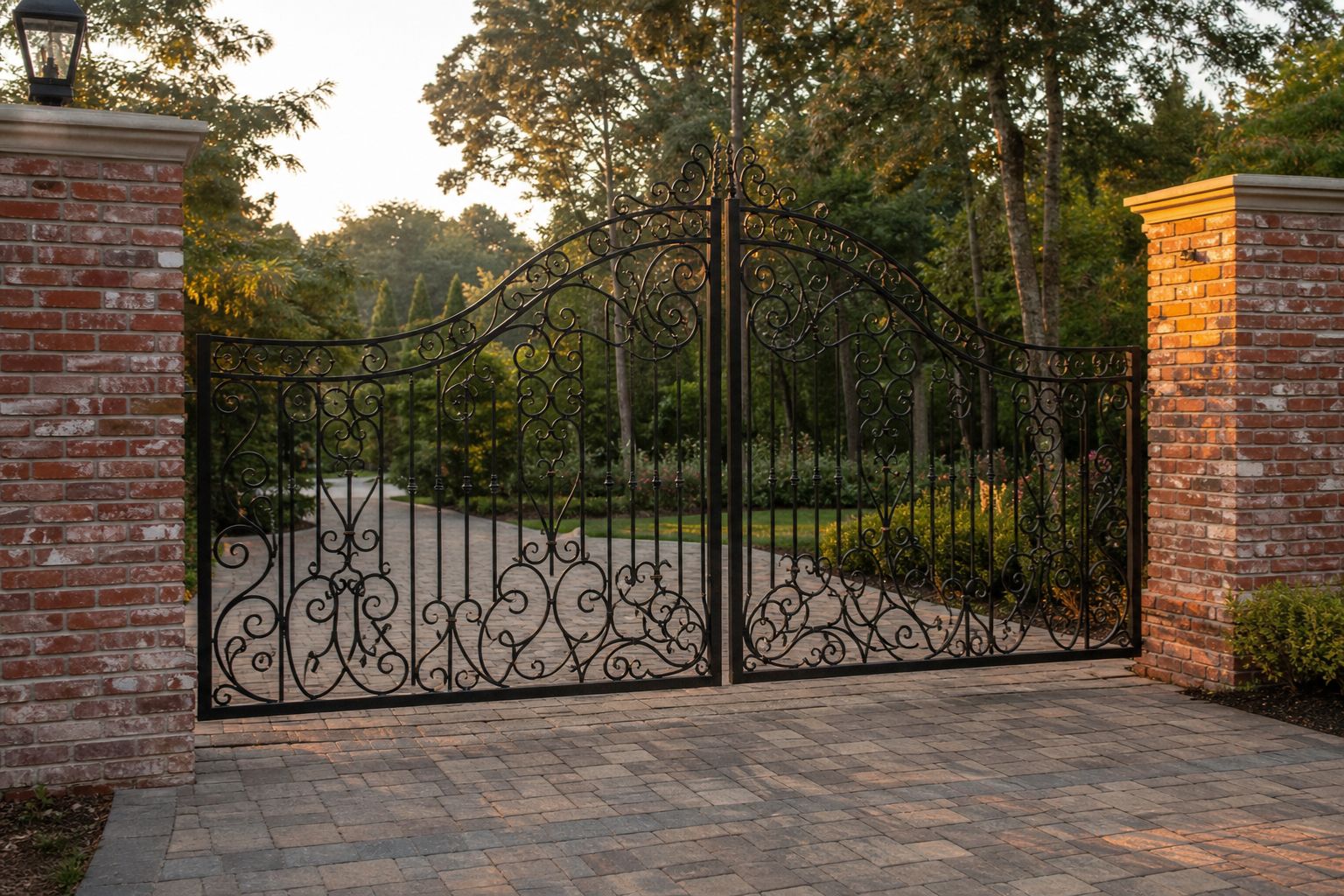
Commercial gate systems require operators rated for higher duty cycles, heavier gate weights, and more frequent use. Access control integration, audit trails, and multi-user credentials are standard considerations for commercial projects.
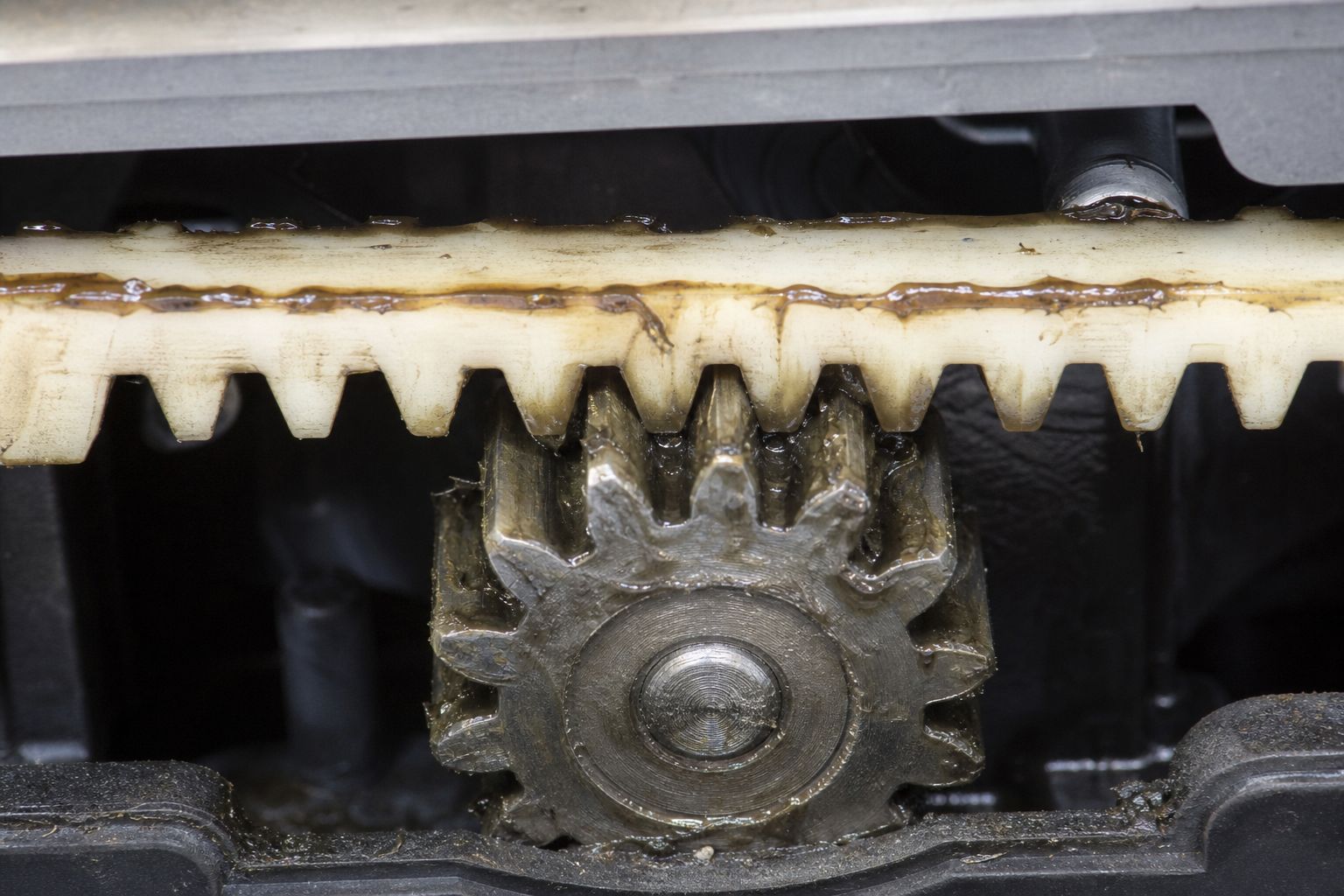
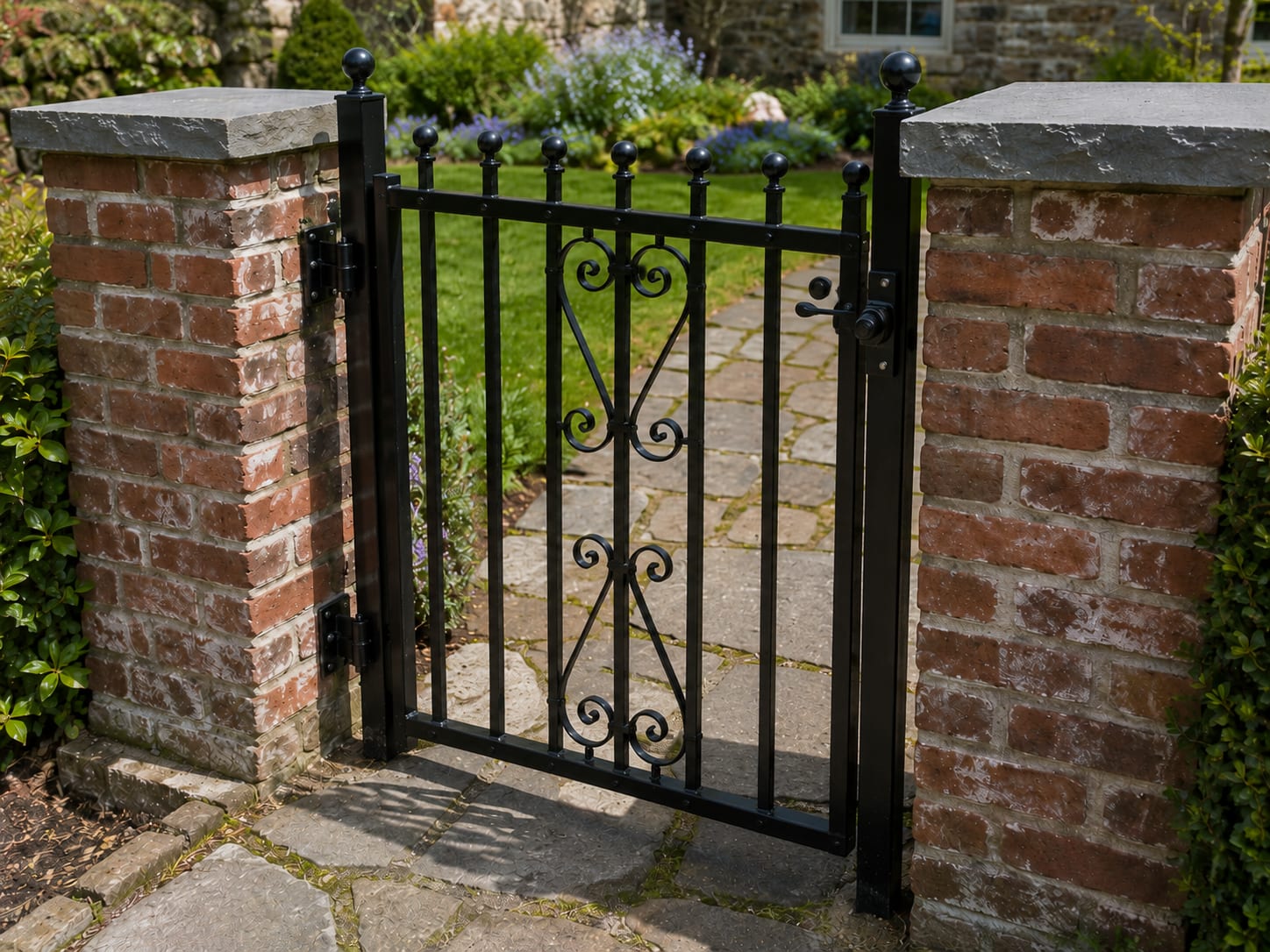
Separate pedestrian access within a larger gate system prevents people from squeezing through vehicle gates, which is a common safety issue. Pedestrian gates can be keyed, coded, or integrated into the same access control system as the main vehicle gate.
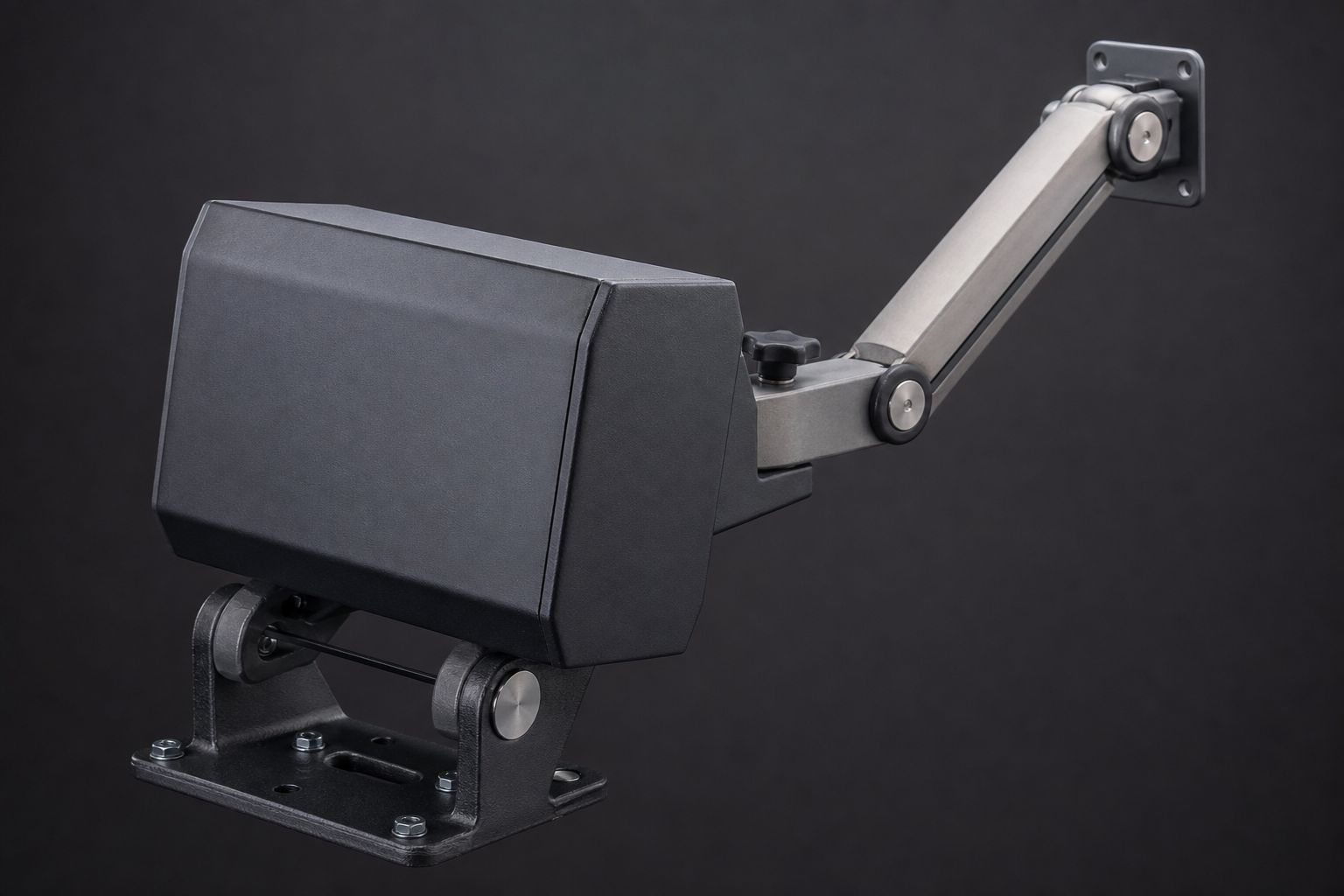
How Does Gate Automation Actually Work?
Automated gate systems have several components that work together. Understanding what each part does helps you make better decisions about operator type, access control hardware, and how the system gets wired. Below is how Portillo Fences and Gates approaches a gate automation project from start to finish.
Scroll the steps sideways to follow the full process.
Why Do Inground Motors Look So Much Better?
Above-ground arm operators are reliable and cost-effective, and they're the right choice for most residential and commercial swing gate applications. But on high-end residential entries, historic properties, and custom gate projects where the hardware needs to disappear, inground motors are the better solution. The entire operator sits in a sealed underground housing at the base of the gate. When the gate is closed, there's nothing visible on the post or the structure. The gate appears to move on its own.
Portillo Fences and Gates installs FAAC and Viking inground motor systems, both of which are respected in the trade for precision, reliability, and build quality. Inground installation requires specific site preparation, drainage, and precise alignment that most general contractors and fence companies aren't set up to handle well. Done correctly, an inground system delivers a cleaner look, a longer service life, and better resistance to vandalism and weather exposure than a comparable above-ground operator.
The tradeoff is installation complexity and cost. Inground motors require more site work, more precise gate alignment, and careful drainage planning to prevent water intrusion into the housing. They're not the right fit for every project, but for properties where appearance is a priority and the budget allows for it, the result is noticeable.
What Is a DoorBird System and Why Does It Matter for Gate Projects?
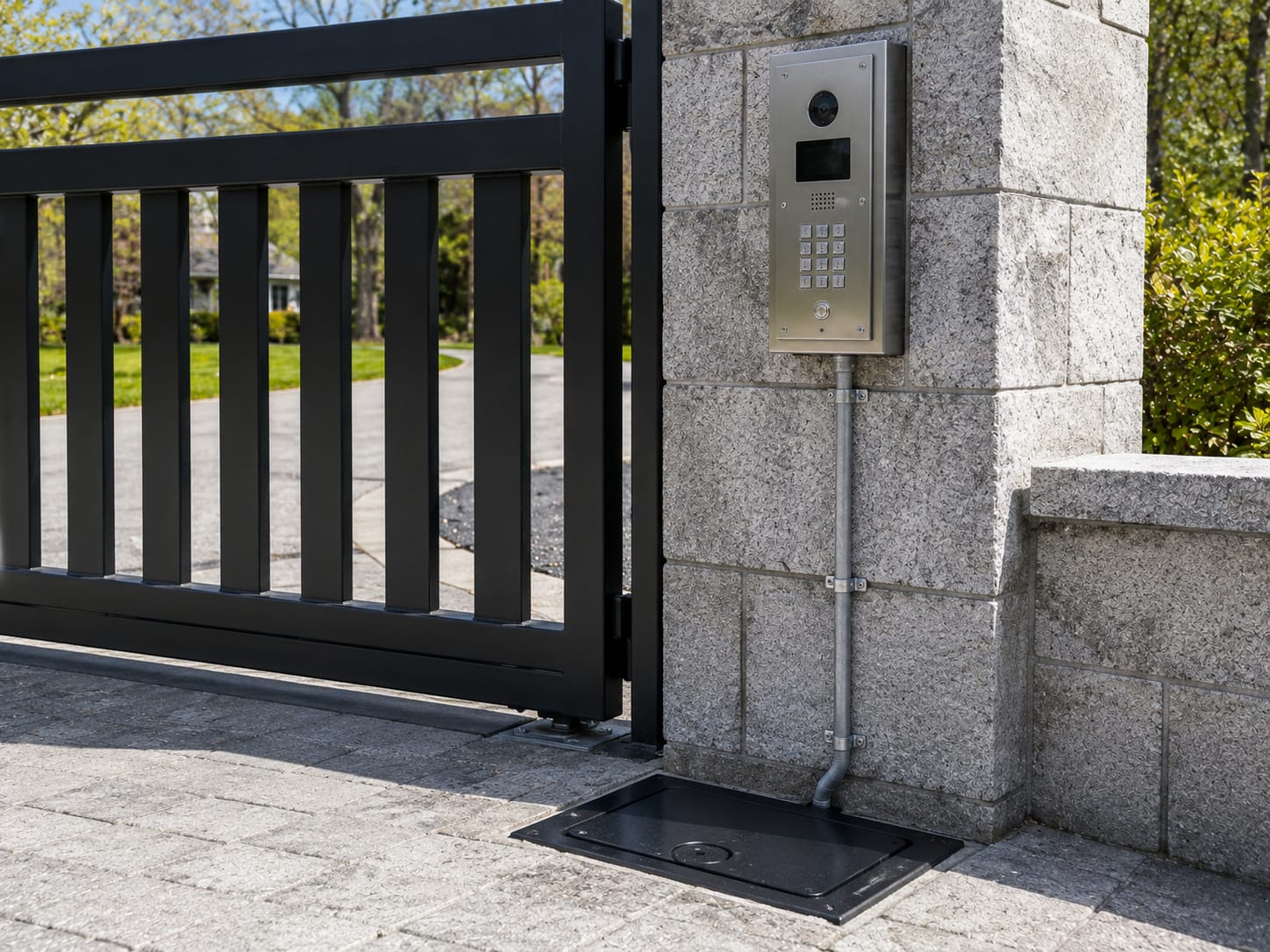
A DoorBird system is an IP video intercom that connects your gate entry to your phone, your smart home system, or a dedicated monitor inside the building. When someone approaches the gate, you see them on camera, hear them through two-way audio, and open the gate remotely without leaving what you're doing. Visitor events are logged with time stamps and images, which is useful for deliveries, service visits, and security review.
Portillo Fences and Gates is a certified DoorBird installer. That distinction matters because DoorBird systems require proper network configuration, weatherproof mounting, integration with the gate operator's relay input, and app setup across user accounts. A contractor who hasn't been trained on DoorBird installations can get the hardware mounted but leave the system partially configured, which means dropped connections, missed notifications, or access features that don't work as expected.
For residential properties in the Hudson Valley, DoorBird is particularly useful on gated driveways where the gate is a long distance from the house. You don't have to walk to the gate to let someone in, and you have a record of every entry event. For commercial properties, the same system can manage multiple users, restrict access windows, and integrate with existing security infrastructure.
What Makes an Automatic Gate System Safe?
Automatic vehicular gates are mechanical systems that move under power, and they require proper safety devices to prevent entrapment, injury, and property damage. Portillo Fences and Gates designs every automated gate system with these safety elements addressed before the system goes live.
Photo eyes, edge sensors, and obstruction detection devices stop the gate from closing on a person, vehicle, or object in the path. UL 325 specifies which devices are required based on gate type, operator class, and installation location. These aren't optional features; they're part of a correctly installed automated gate system.
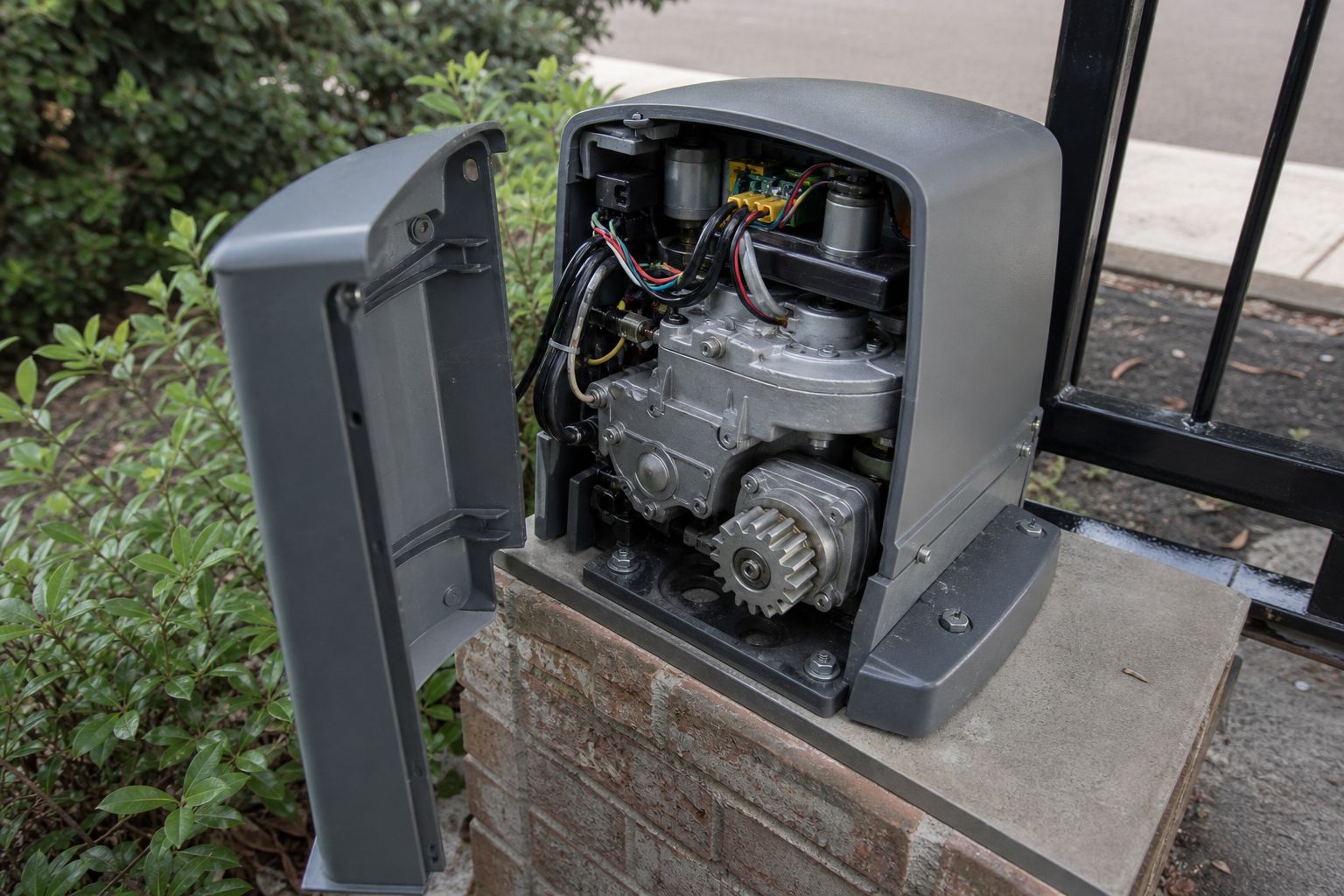
Gate operators are rated by class, which reflects their intended use and the level of safety monitoring they provide. A residential driveway gate and a commercial lot entrance require different operator classes. Using the wrong class for a given application is a compliance issue and a liability concern.
The gate itself must be built without dangerous protrusions, openings that create entrapment risk, or construction details that become hazardous under automation. ASTM F2200 covers these construction requirements for automated gates. Portillo Fences and Gates fabricates and selects gates with these standards in mind.
Every automated gate system needs a way to operate manually during a power outage, operator failure, or emergency. The manual release must be accessible, clearly explained to the user, and tested before closeout. This is especially important in New York winters when power disruptions are common.
Many operators include battery backup as a standard feature or available option. For properties where gate access is critical and power outages are a real concern, battery backup keeps the system functional and prevents a dead gate from blocking access or trapping vehicles.
Who Uses Gate Automation in the Hudson Valley?
Residential homeowners with gated driveways are the most common gate automation customers in this region. The combination of larger lot sizes, long driveways, and the security and convenience benefits of controlled access makes automated gates a practical upgrade for many properties across Putnam, Westchester, and Dutchess counties. A gated driveway with a keypad or intercom means you control who enters without standing at the gate in January.
Commercial property owners and managers use automated gates to manage vehicle access to parking areas, loading zones, equipment yards, and private lots. A properly configured commercial gate system reduces the need for on-site staff to monitor access and creates an access log that documents who entered and when. This is useful for property management, liability documentation, and security audits.
General contractors and builders also work with Portillo Fences and Gates on new construction projects where gate automation is part of the overall site design. Getting the gate and operator spec right during construction is significantly easier and less expensive than retrofitting automation after the fence and hardscape are in place. Early coordination on conduit routing, power supply, and gate geometry prevents the problems that show up when automation is an afterthought.
Why Choose Portillo Fences and Gates for Gate Automation?
Portillo Fences and Gates is a locally operated fencing contractor based in Brewster, NY, serving properties across Putnam, Westchester, Dutchess, Orange, Ulster, and Rockland counties. The business was built to do quality work directly with homeowners, property managers, and contractors, without layers of subcontracting or project handoffs. When you work with Portillo Fences and Gates, the people who sell the job are connected to the people who install it.
Gate automation is a specialty within fencing, not a general add-on that every fence company handles well. Portillo Fences and Gates installs FAAC and Viking inground motor systems, LiftMaster and FAAC arm operators and slide operators, and DoorBird video intercom systems as a certified installer. These aren't brands picked off a distributor catalog; they're systems the crew has installed, configured, and serviced across real projects in this region.
Every gate automation project comes with a warranty on the work. If something doesn't perform the way it should after installation, Portillo Fences and Gates stands behind it. Licensed and insured. Local to the Hudson Valley. Reachable by phone during business hours.
Frequently Asked Questions About Gate Installation and Automation
Can an existing manual gate be converted to automatic?
Yes, in many cases an existing swing or sliding gate can be automated if the gate structure is sound, properly weighted, and built without safety hazards that conflict with ASTM F2200. Before committing to a conversion, the gate needs to be evaluated for structural integrity, hinge condition, and compatibility with the operator you're considering. Some older gates need reinforcement or replacement before automation makes sense.
What access control options are available?
Portillo Fences and Gates installs keypads with programmable user codes, RFID card and fob readers, remote transmitters, and DoorBird IP video intercom systems. These can be used individually or in combination. For example, a residential driveway might use remotes for daily drivers and a DoorBird intercom for visitors and deliveries, all connected to the same gate operator.
How do automated gates handle New York winters?
Cold weather, snow, ice, and freeze-thaw ground movement are real concerns for gate automation in this region. Operators should be rated for low-temperature operation, and components including keypads, intercoms, and sensors should be mounted in weatherproof enclosures. Battery backup is especially useful in winter because power disruptions are more frequent. Portillo Fences and Gates plans conduit routing and drainage to reduce winter-related maintenance problems.
Do I need a permit to install an automatic driveway gate?
Permit requirements vary by municipality across New York. Some towns require permits for gate installations, particularly when electrical work is involved, and zoning rules may govern gate height, setback from the road, or driveway clearance. Portillo Fences and Gates advises checking with your local building department before installation. We can help you understand what's typically required in the communities we serve.
What is the difference between an arm operator and a slide operator?
An arm operator drives a swing gate by pushing or pulling an articulating arm connected to the gate leaf. Slide operators drive a sliding gate along a track or cantilever system using a chain drive or rack-and-pinion mechanism. The right choice depends entirely on your gate type. Swing gates use arm operators or inground motors; sliding gates use slide operators. The two are not interchangeable.
What brands does Portillo Fences and Gates install for gate automation?
For arm operators, Portillo Fences and Gates works with FAAC and LiftMaster. For inground motors, FAAC and Viking are the primary systems. For slide operators, both residential and commercial configurations are available. DoorBird is the video intercom system of choice, and Portillo Fences and Gates is a certified DoorBird installer, which means the system is installed and configured by trained technicians.
Does Portillo Fences and Gates repair existing automatic gate systems?
Yes. Gate repair services cover diagnosis and repair of existing automatic gate systems regardless of brand, including operators, control boards, safety sensors, and access control hardware. If your current system is malfunctioning, Portillo Fences and Gates can evaluate whether a repair is the right solution or whether the system has reached the point where replacement makes more practical and financial sense.
Gates & Automation We've Installed
A closer look at recent gates & automation work across the Hudson Valley.
Get a Quote on Gate Installation or Automation
Monday through Friday, 8AM to 5PM