

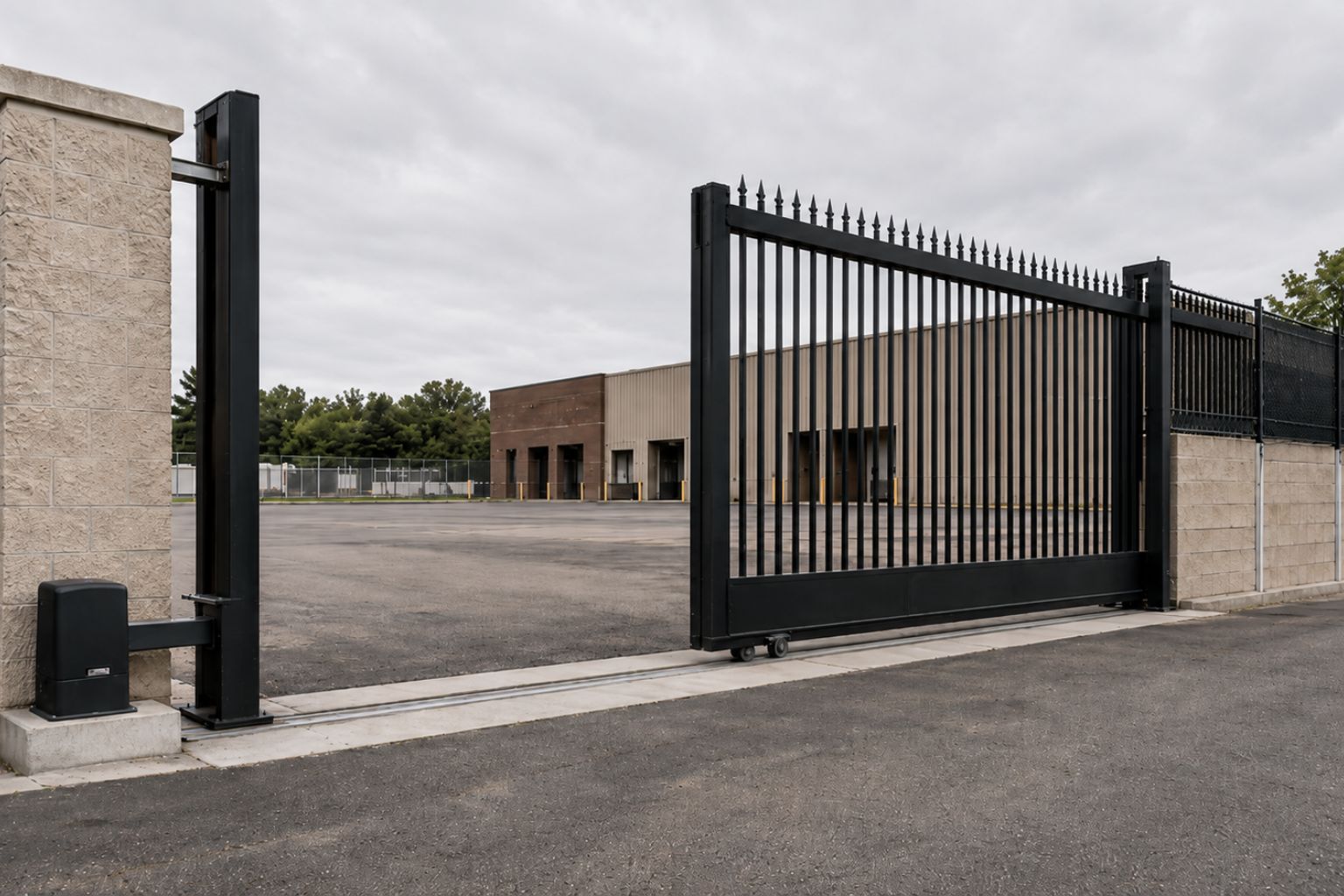
Slide Operators for Residential and Commercial Gates
What a Slide Operator Actually Does for Your Property
A slide operator is the motor system that opens and closes a sliding gate automatically. Instead of a gate that swings on hinges, a sliding gate moves horizontally along a track. The motor drives that movement, and you control it with a keypad, remote, or access system.
Sliding gates are a practical choice when you don't have the clearance for a swing gate. A long driveway with a slope near the entrance, a commercial lot with vehicles parked close to the gate, a narrow entry where a swinging gate would block traffic: these are all situations where a slide operator is the right call.
There are two main drive types. Chain drive systems attach the chain to both ends of the gate and run it through idler pulleys to the drive sprocket on a stationary operator beside the opening. Rack-and-pinion systems use a gear that meshes with a toothed rack mounted to the bottom of the gate. Both work well. The right choice depends on your gate weight, how often the gate cycles, and your site conditions. We help you sort that out before anything gets installed.
Portillo Fences and Gates installs slide operators for homes, commercial properties, and everything in between. We work throughout Brewster, Mahopac, Carmel, White Plains, Poughkeepsie, Yonkers, and the surrounding areas. Whether you need a simple residential system or a heavy-duty commercial setup, we size the operator correctly for your gate and your use. Call us at (845) 282-3336 to get started.
When a Sliding Gate Makes More Sense Than a Swing Gate
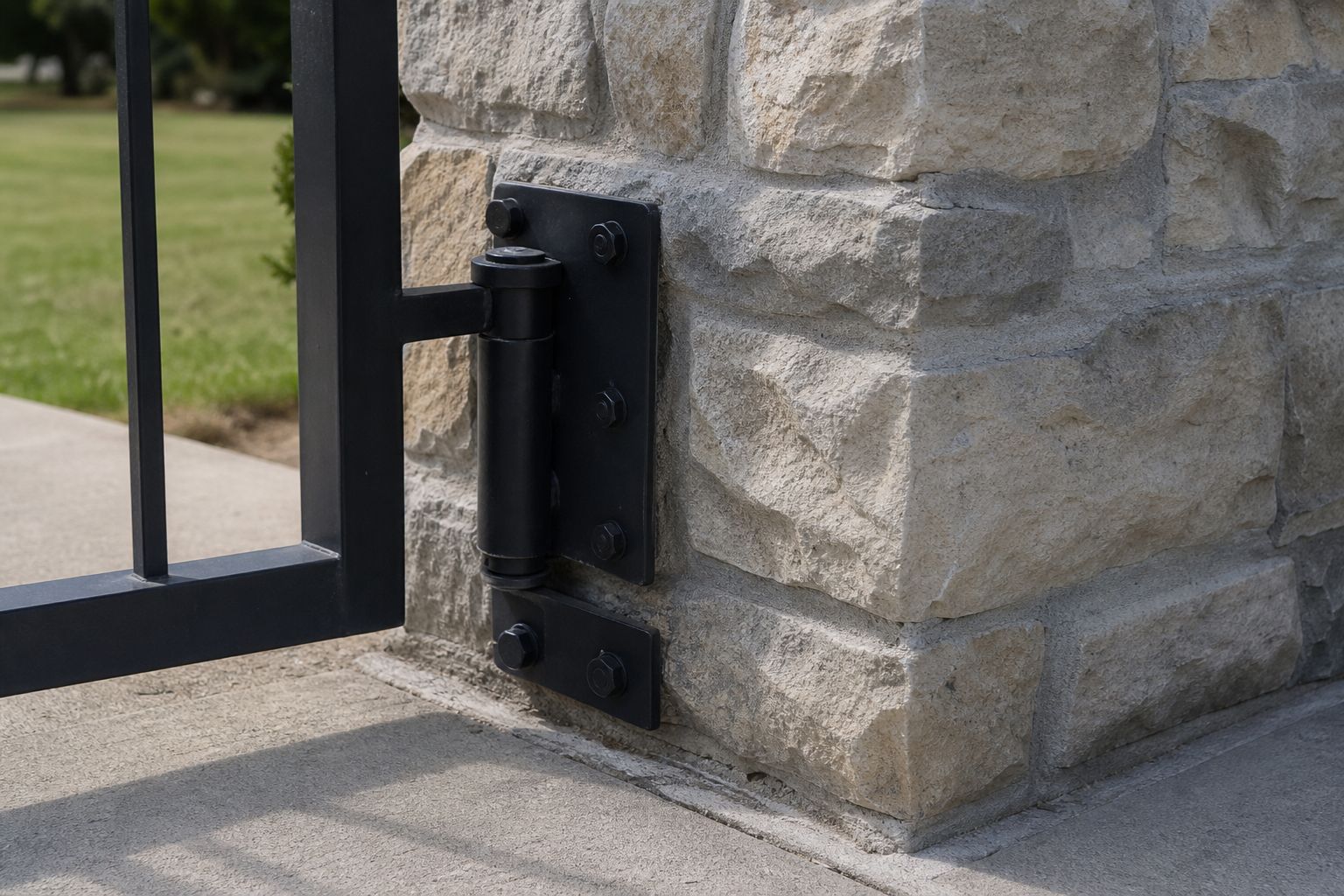
Not every property is laid out in a way that works with a swing gate. A swing gate needs clear space on one side of the opening to arc through as it opens. If your driveway rises sharply near the entrance, a swing gate can drag on the ground or fail to open fully. If vehicles regularly park just inside the entrance, a swing gate creates a real problem.
Sliding gates solve these issues by staying in plane with the fence line and moving sideways along the property. The gate needs a clear run of space beside the opening to slide into, but it doesn't require depth on either side of the driveway. For commercial lots and urban properties in particular, that distinction matters a lot.
Sliding gates also hold up better under heavy use. A busy commercial entrance that cycles the gate dozens of times a day puts real stress on hardware. Sliding gate systems handle high-cycle use more reliably than swing gates in many applications. For warehouses, distribution facilities, apartment complexes, or any property with frequent vehicle access, a well-sized slide operator is built for that workload.
On the residential side, sliding gates have become a popular choice for homeowners who want a clean, modern look. A steel or aluminum sliding gate running on a smooth track looks sharp, and paired with the right access control system, it adds a layer of security that a basic swing gate can't match.
Chain Drive vs. Rack-and-Pinion: The Practical Difference
Both systems automate a sliding gate. The difference is in how the motor moves the gate and what conditions each system handles best.
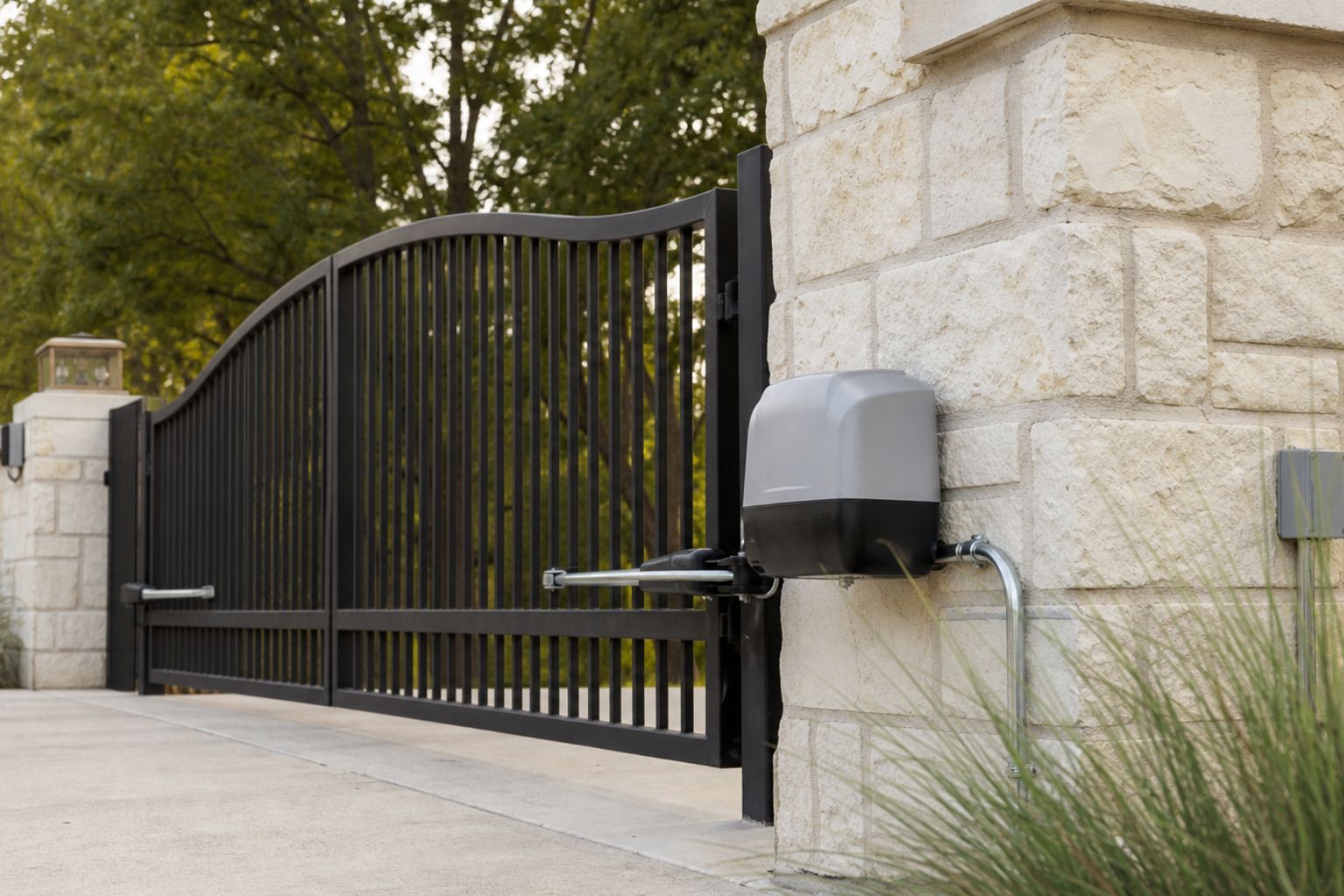
As the sprocket turns it pulls the gate along the track. Maintenance is keeping the chain lubricated and the tension set correctly. Chain drive systems are reliable in residential and light commercial settings. They're a solid, cost-effective option for gates that cycle regularly but not at heavy commercial volume. Maintenance involves keeping the chain lubricated and the tension properly set.
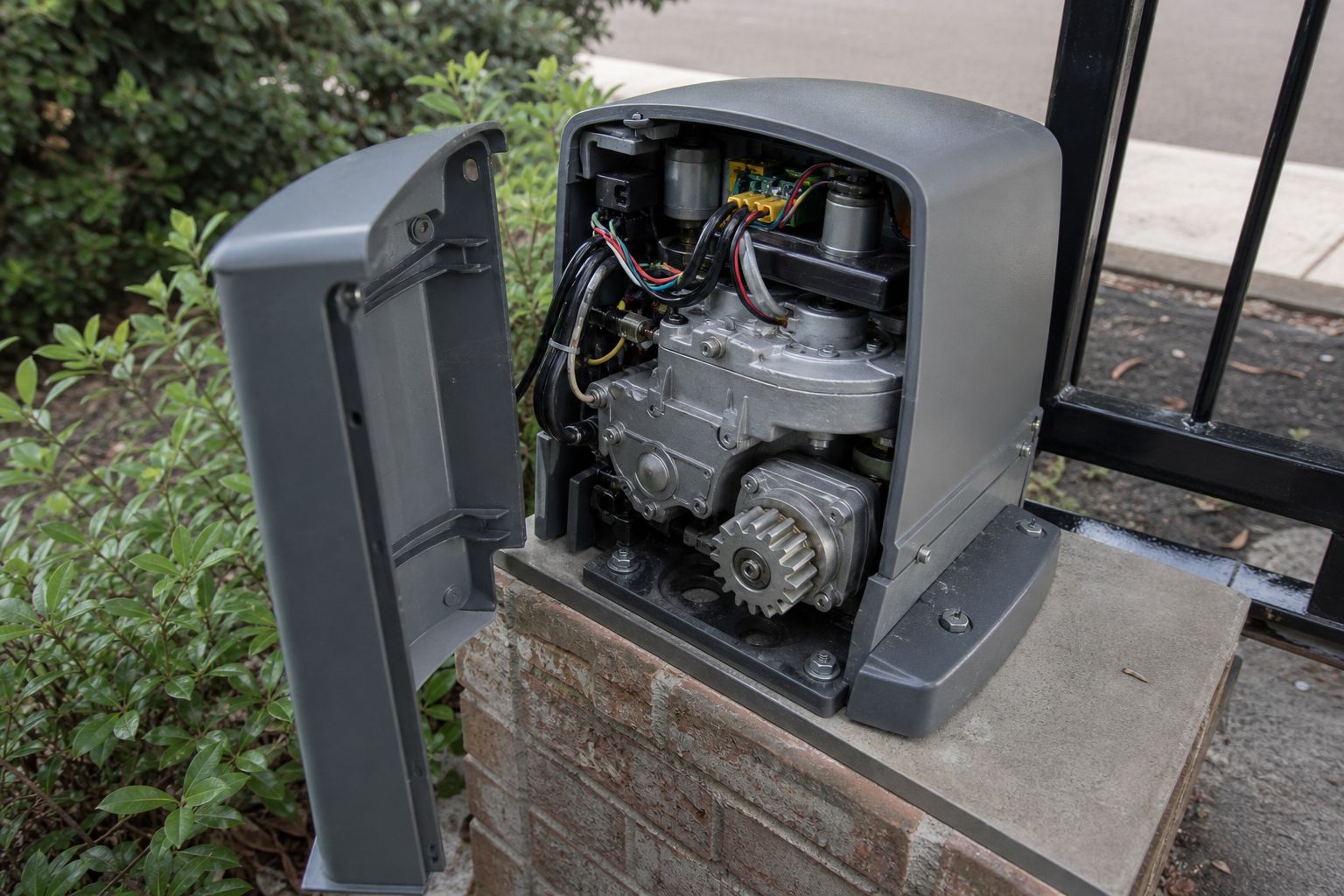
A toothed rack is mounted to the bottom of the gate. The motor drives a pinion gear that meshes with the rack and physically pushes the gate open or closed. Rack-and-pinion systems are typically stronger and better suited to heavy gates and high-cycle applications. They're the standard choice for commercial properties and any gate that weighs several hundred pounds or more. The gear connection is direct and mechanical, which means consistent force across the full range of travel.
Gate weight is the primary factor. A heavy steel or iron gate on a commercial property almost always calls for a rack-and-pinion system. A lighter aluminum or steel residential gate may work well with either. We also look at daily cycle count, power availability at the site, and whether the system needs to connect with an access control setup. We don't recommend a system until we've looked at your specific gate and site conditions.
An undersized operator is one of the most common mistakes in gate automation. A motor that's too small for the gate weight will overheat, wear out faster, and eventually fail. We size every slide operator to the actual gate weight with a margin built in. For commercial installs, we also factor in the duty cycle, meaning how many open-close cycles the motor can handle per hour without overheating. Getting this right from the start protects your investment.
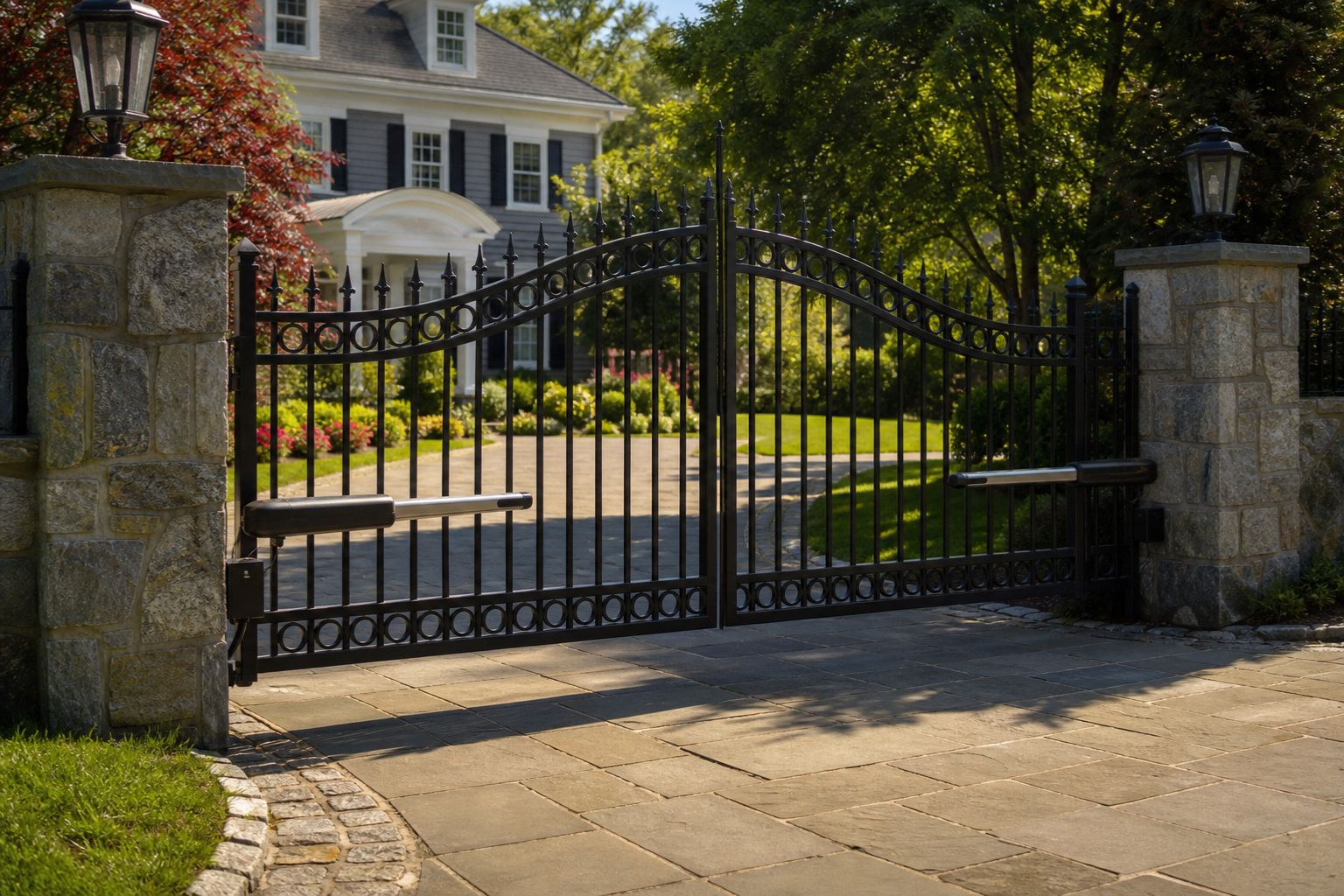
How the Slide Operators Installation Process Works
Every slide operator installation follows a clear process from the first look at your property to the final test of the system.
Scroll the steps sideways to follow the full process.
Slide Operators for Commercial Properties
Commercial sliding gates handle a different kind of workload than residential ones. A gate on a warehouse, a storage facility, a construction yard, or an apartment complex might cycle dozens of times a day. The motor needs to be rated for that level of use, and the entire system needs to be wired and protected so it doesn't go down under regular strain.
For commercial applications, rack-and-pinion drive is almost always the right choice. The direct gear connection handles heavy gate weight without the tension maintenance that chain drive requires. Heavy-duty operators in commercial-grade systems are built for high-cycle duty and can be paired with battery backup systems so the gate keeps working when the power goes out.
Safety devices are not optional and they are not commercial-only. UL 325 requires two independent entrapment protection devices at every pinch point, in both directions of travel, on residential and commercial gates alike. Monitored photo eyes and safety edges protect people. Loop detectors handle vehicle detection so the gate holds open for a car in the opening. They do different jobs, and a compliant system uses both. We install and test these devices as part of every slide operator job, residential and commercial. Code requirements vary, but we make sure the system meets what's needed for your property type.
We work with general contractors and property managers on commercial fencing and gate projects throughout the region. If you're managing a project that includes a new sliding gate system, we can coordinate directly with your team from planning through final inspection.
What You Get When You Work With Portillo Fences and Gates
There are plenty of contractors who can hang a motor on a gate post. Here's what sets this installation apart.
We don't guess at operator specs. We measure your gate, calculate the weight, and match the motor to those numbers. An undersized system fails early. We size it right so the motor lasts.
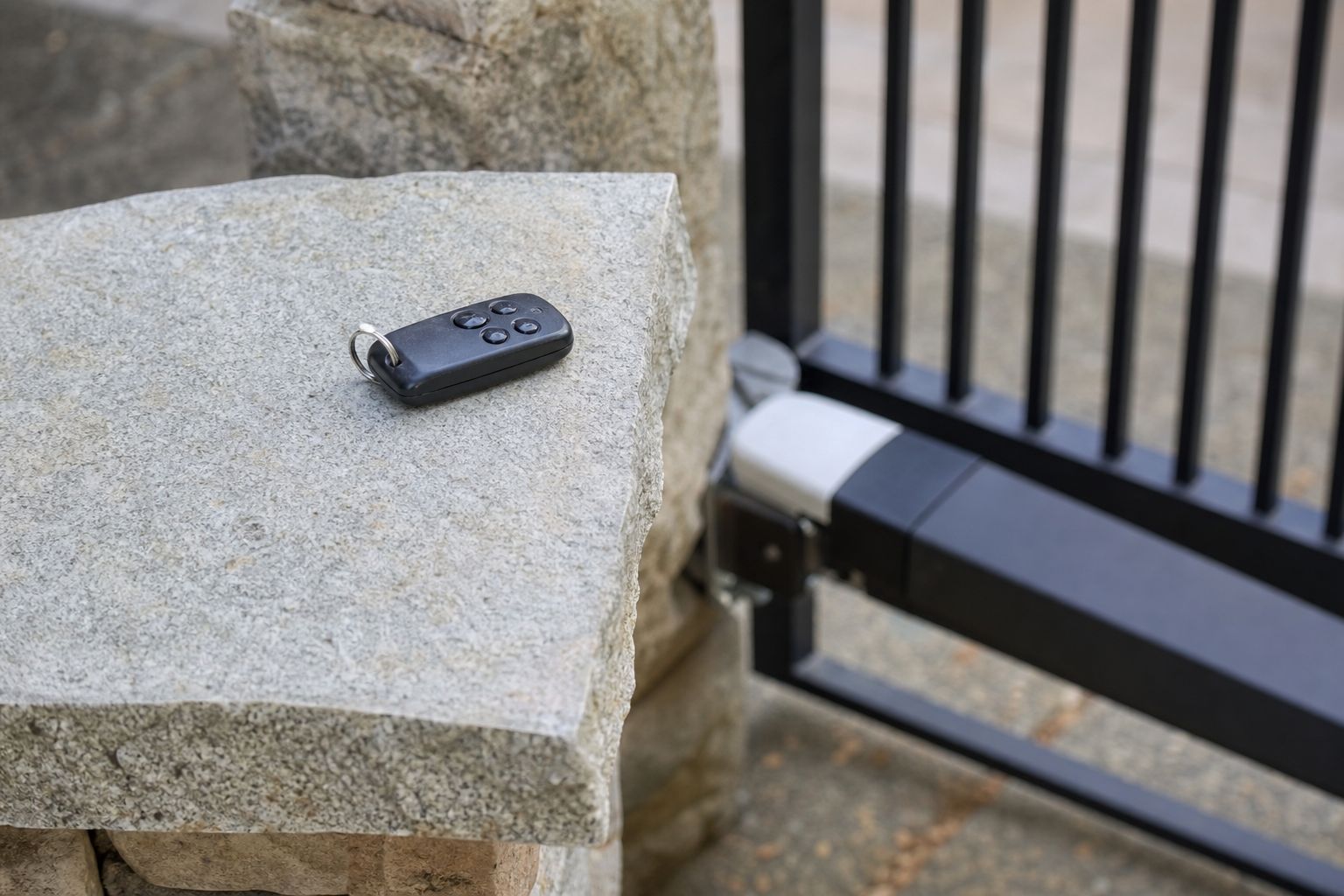
Commercial sliding gate installs involve heavier gates, higher cycle counts, and stricter performance requirements than residential work. We do both, and we know the difference. A system we install for a commercial property is built to handle that workload.
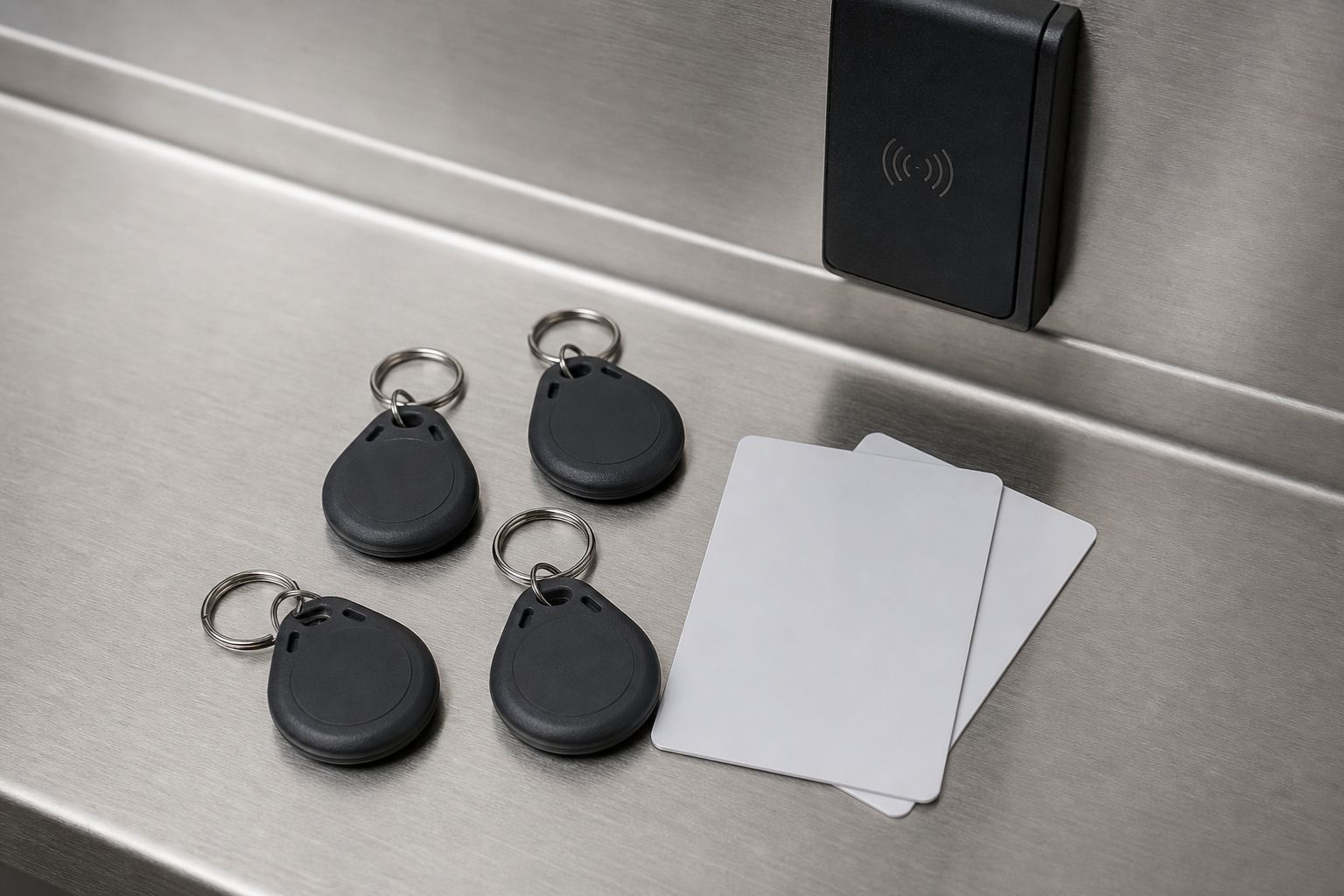
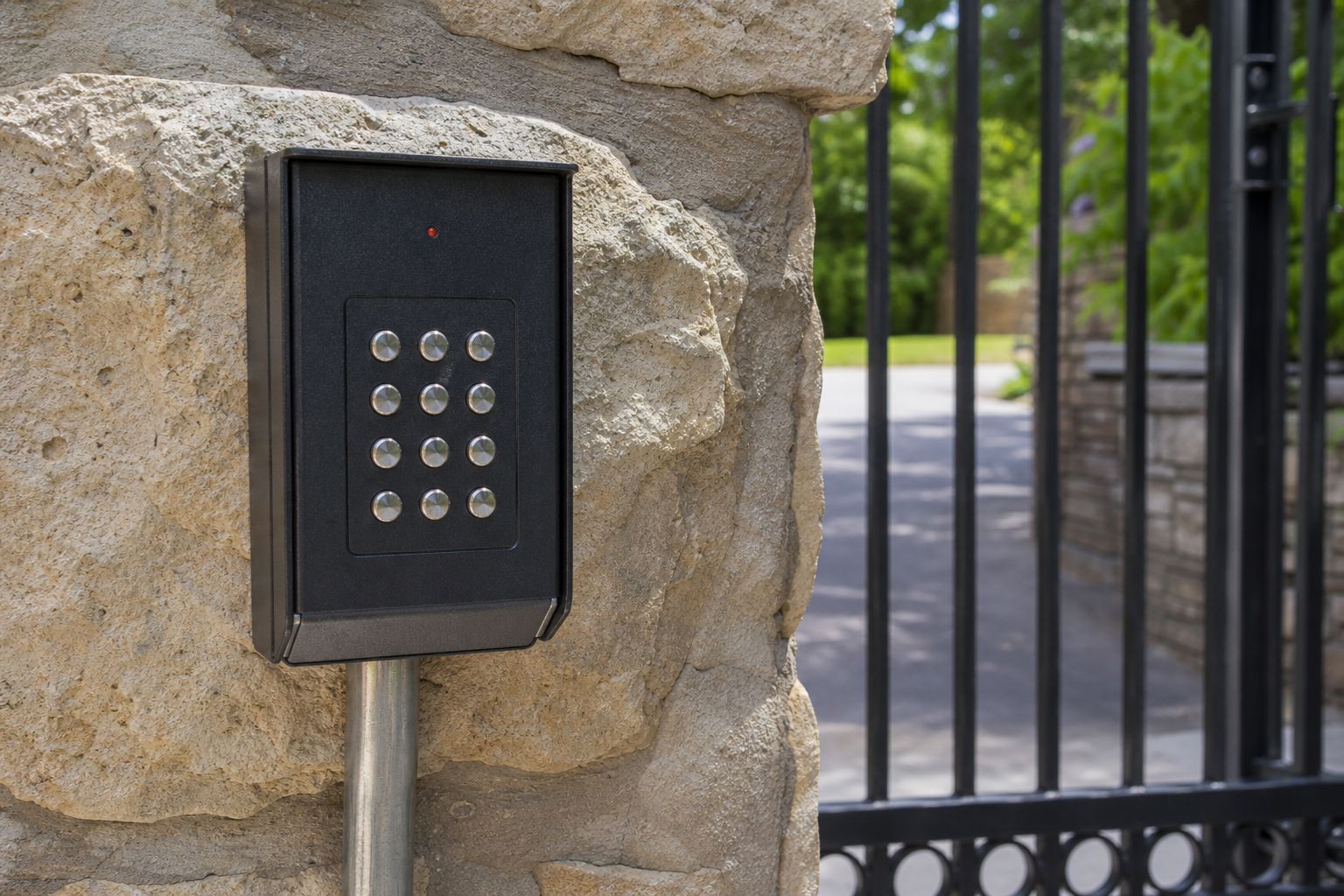
A sliding gate motor is only as useful as the access system it connects to. We install and program keypads, RFID readers, and remote systems that work with the operator from day one. You don't have to call a second company to finish the job.
Every install we complete comes with a warranty. If something fails on our end, we come back and fix it. That applies to the installation work and the hardware we supply.
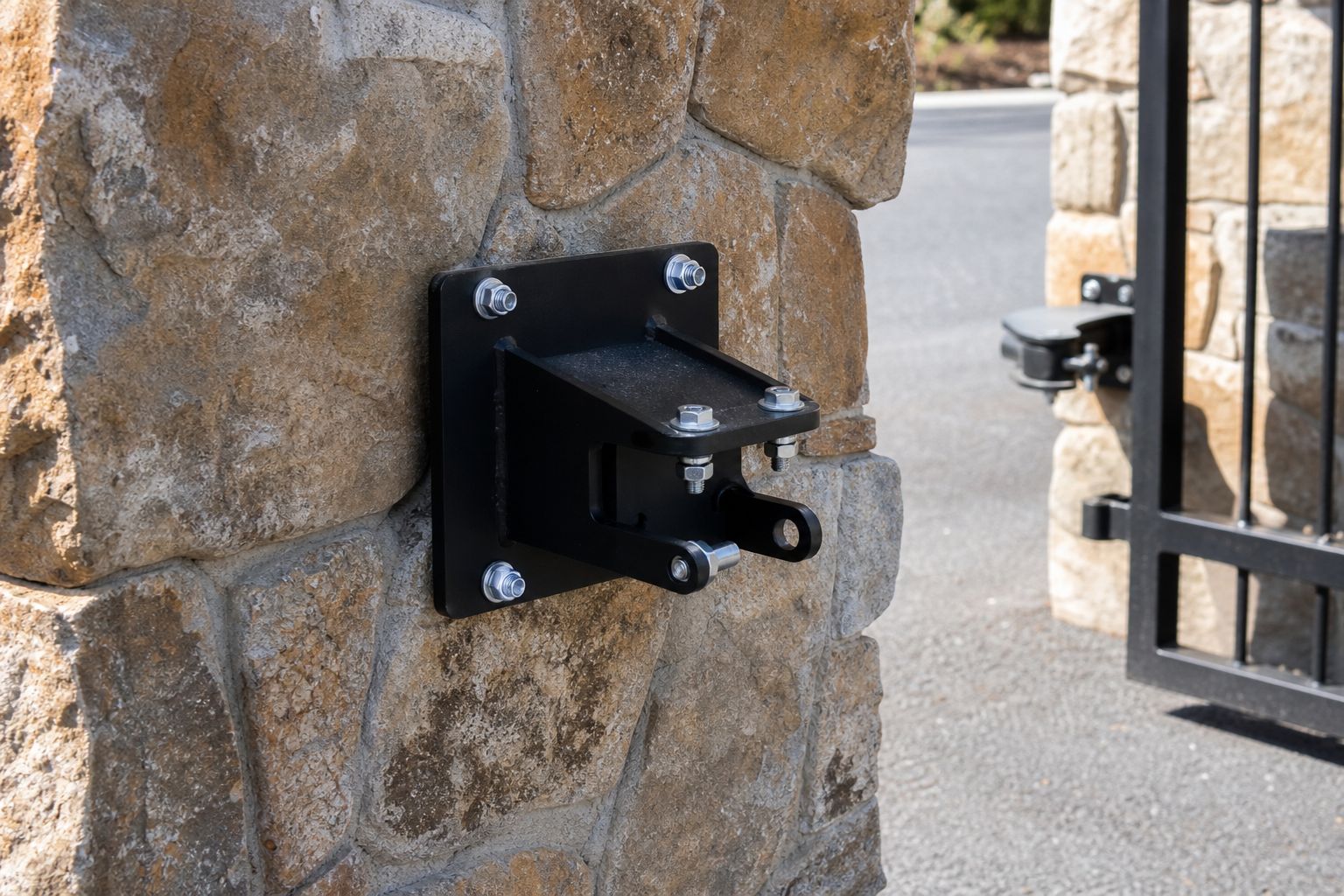
We work in Putnam County, Westchester County, Orange County, Ulster County, and Dutchess County. We know the climate, the soil conditions, and the property types across the Hudson Valley. That matters when you're setting concrete for a motor mount or running conduit in ground that freezes in winter.
We don't sub out parts of the job to other contractors. The crew that does the groundwork is the same crew that mounts the operator and programs the access system. That means one point of contact and one set of people who know exactly how your gate is set up.
Frequently Asked Questions About Slide Operators
How much space does a sliding gate need beside the opening?
The gate needs a clear run equal to at least the full width of the gate opening, plus a bit more for the motor housing and hardware. So if your driveway opening is 16 feet wide, you need roughly 16 to 18 feet of clear fence line beside the opening for the gate to slide into. If your property doesn't have that run available on one side, we look at whether a bi-parting slide setup or a different gate style works better for your layout.
Can a slide operator be installed on an existing gate?
Often, yes. If the gate is already on a track and in good shape, we can add automation to it. The key questions are whether the gate weight is within spec for the operator, whether the track and hardware are solid enough to handle motorized use, and whether the post and foundation can support the motor mount. We assess all of this before recommending a retrofit. Some older gates need reinforcement before automation makes sense.
What happens to the gate if the power goes out?
Most slide operators have a manual release that lets you disengage the motor and push the gate open by hand during a power outage. We show you how to use this during the walk-through after installation. Some systems can also be paired with a battery backup unit that keeps the operator running through short outages. If continuous operation during power loss is important for your property, we can build that into the system from the start.
How do I know if I need chain drive or rack-and-pinion?
The short answer is gate weight and cycle frequency. Lighter residential gates that open and close a moderate number of times per day are a good fit for chain drive. Heavier gates, particularly steel or iron, and gates on commercial properties that cycle frequently are better suited to rack-and-pinion. We don't expect you to know this before calling us. We figure it out during the site visit and explain the recommendation.
Can the slide operator connect to my existing intercom or keypad?
In many cases, yes. Most modern slide operators have standard input terminals that work with common access control devices like keypads, RFID readers, and intercoms. If you already have an access system at your gate, we check compatibility before installation. If you're starting fresh, we can install an access control system at the same time as the operator so everything is set up and programmed together.
Do sliding gates work on driveways with a slope?
Sliding gates handle slopes better than swing gates in most situations because they move horizontally rather than arcing through the air. However, the track at the base of the gate still needs to be reasonably level along the run of the gate. A significant cross-slope or uneven ground along the slide path can cause problems with the gate dragging or running unevenly. We look at the grade during the site assessment and let you know if any grading work is needed before installation.
What maintenance does a slide operator need?
Chain drive systems need periodic chain lubrication and tension checks. Rack-and-pinion systems need the rack and pinion gear cleaned and lubricated, typically once or twice a year depending on use and exposure. Both types benefit from periodic inspection of the rollers, the track, the limit switches, and the safety sensors. Keeping the track clear of debris also extends the life of the rollers and the motor. We can answer specific maintenance questions for the system we install on your property.
Do you install slide operators for new gates or only existing ones?
Both. We install gate automation as part of new gate builds and as retrofits on existing gates. When the gate and the operator are being installed together, we have more control over the outcome because we can build the gate to the right weight and spec for the automation system from the beginning. Retrofits work well too, as long as the existing gate and hardware are in good condition.
Service Areas for Slide Operator Installation
Portillo Fences and Gates installs slide operators throughout Putnam County, Westchester County, Orange County, Ulster County, and Dutchess County. Our service area includes Brewster, Carmel, Mahopac, Pawling, Beacon, Poughkeepsie, Wappingers Falls, Newburgh, Middletown, New Paltz, Kingston, White Plains, Port Chester, Ossining, Peekskill, Mount Kisco, Tarrytown, New City, Spring Valley, Suffern, and Yonkers.
If you're not sure whether your property falls within our service area, give us a call or send a message. We're a local operation, and we know the communities across the Hudson Valley well. Most properties in the region are within reach.
We work with homeowners, commercial property managers, and general contractors. Whether you have a single residential gate that needs automation or a commercial project with multiple entry points, we can handle the work.
- Brewster, NY
- Carmel, NY
- Mahopac, NY
- Pawling, NY
- Beacon, NY
- Poughkeepsie, NY
- Wappingers Falls, NY
- Newburgh, NY
- Middletown, NY
- New Paltz, NY
- Kingston, NY
- White Plains, NY
- Port Chester, NY
- Ossining, NY
- Peekskill, NY
- Mount Kisco, NY
- Tarrytown, NY
- New City, NY
- Spring Valley, NY
- Suffern, NY
- Yonkers, NY
Ready to Automate Your Sliding Gate?
Call us at (845) 282-3336 or use our contact form. We're available Monday through Friday, 8AM to 5PM.