

Access Control Installation for Gates and Properties Across the Hudson Valley
What Access Control Does for Your Property
A gate without access control is just a door. You either leave it open, hand out keys to everyone who needs entry, or walk outside every time someone arrives. None of those options work well for a busy household or a working commercial property.
Access control gives you a smarter setup. You decide who gets in, when they get in, and how they prove it. That could mean a keypad code for family members, an RFID credential for employees, a DoorBird intercom so you can see and speak with visitors before releasing the gate, or some combination of all three working together.
Portillo Fences and Gates installs access control as part of complete gate solutions. The hardware, the wiring, and the integration with your automatic gate operator all come from one contractor who understands how every component works together. You get a system that opens cleanly, holds up through a Hudson Valley winter, and does not require calls to multiple companies when something needs adjusting.
We work with residential driveways, multi-family properties, commercial entrances, parking facilities, and any situation where controlling entry to a fenced or gated area matters.
Access Control Options We Install
Every property has different entry needs. Here are the access control systems we install and what each one is built for.
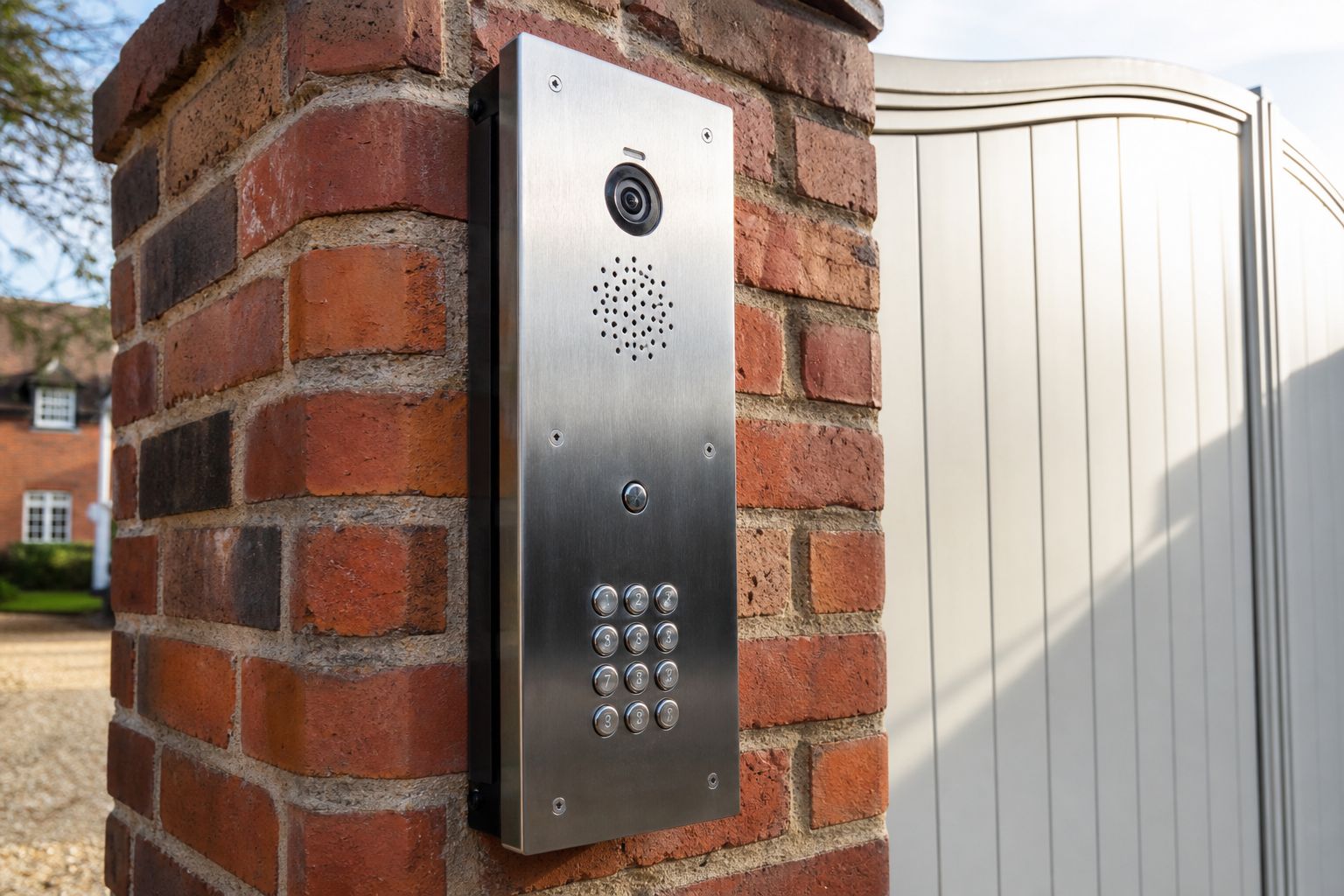
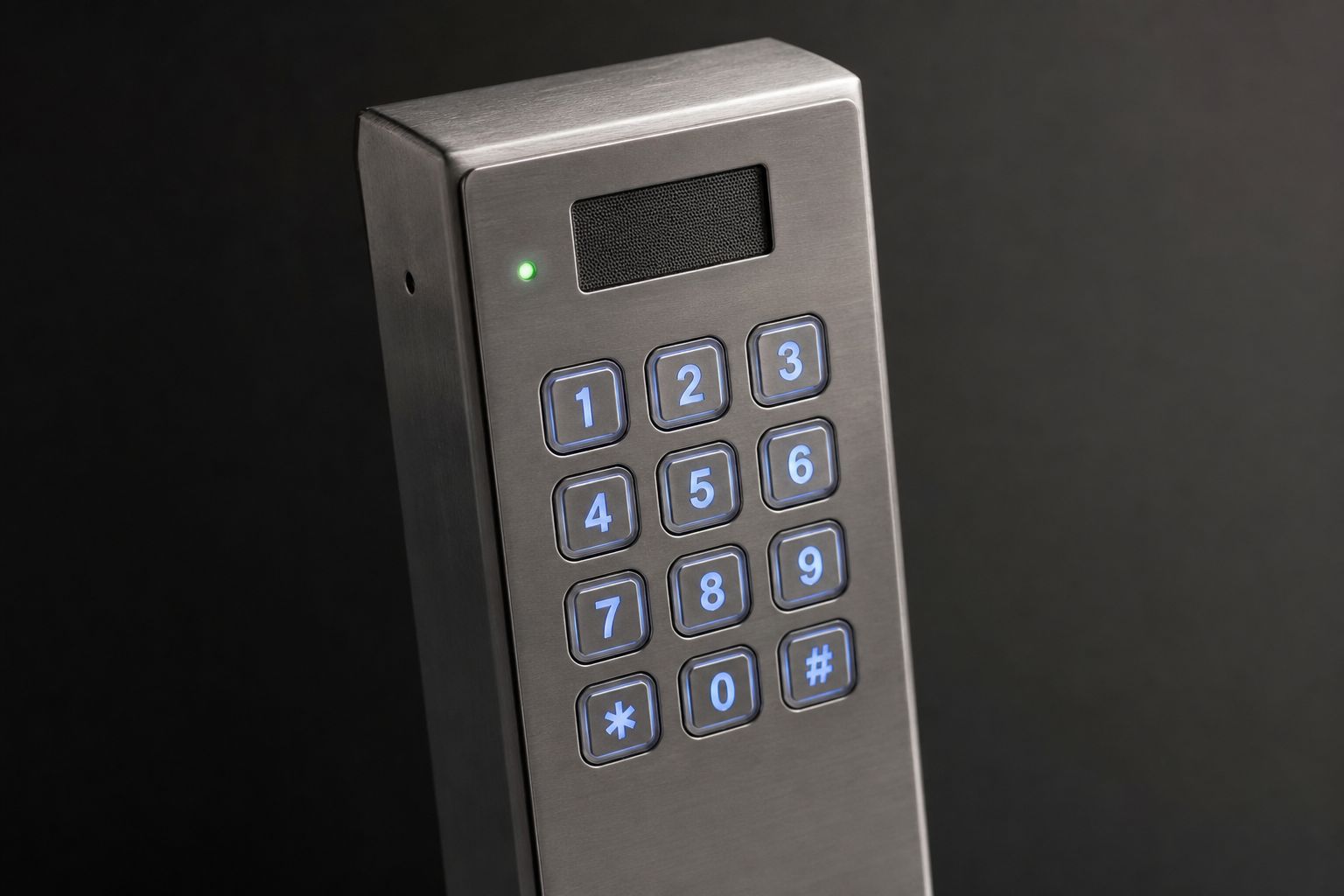
A numeric keypad mounted at your gate lets approved users enter a code to open the gate. Codes can be changed whenever you need, which makes them practical for rental properties, job sites, or any situation where personnel changes frequently. No cards, no fobs, just a code that works.
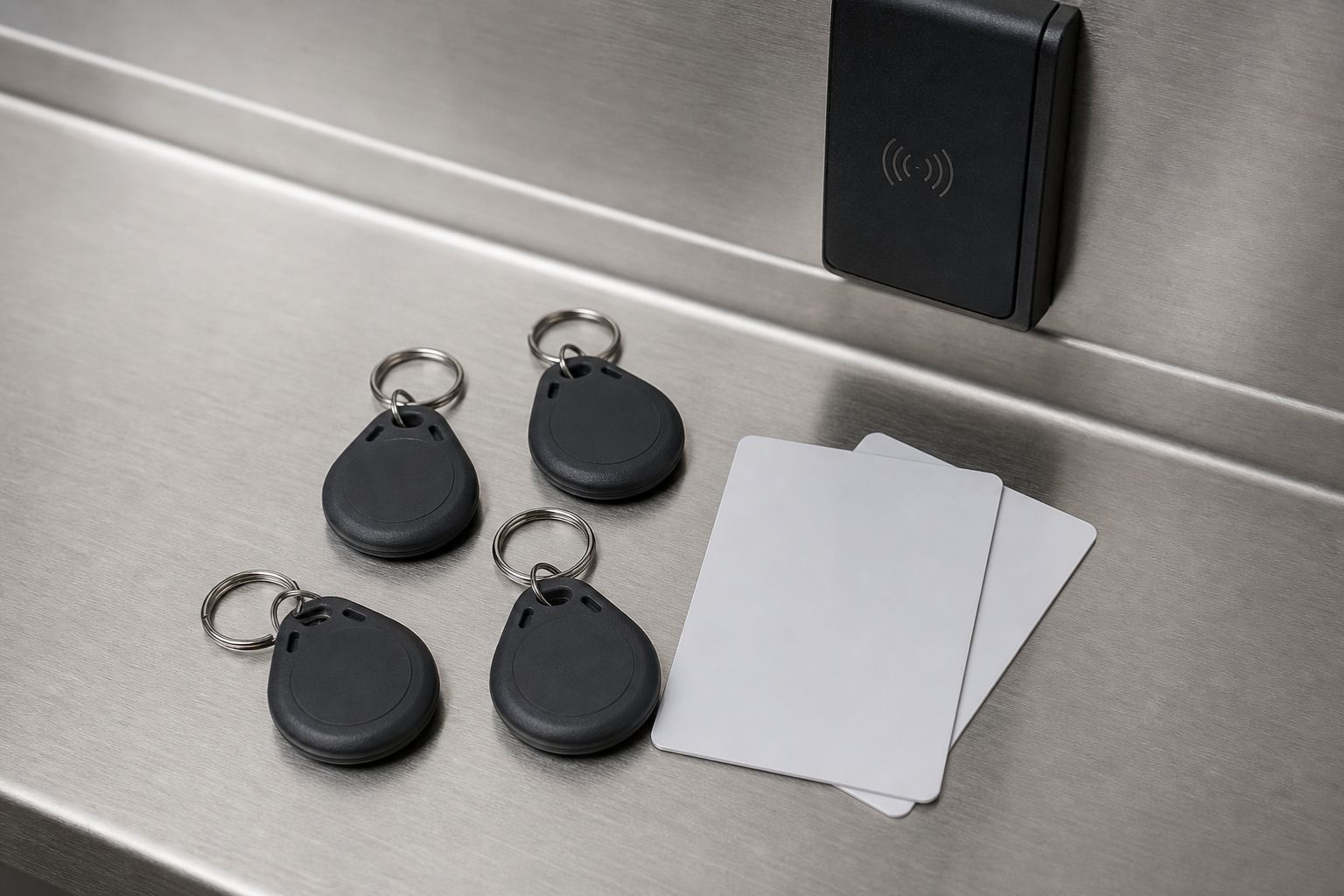
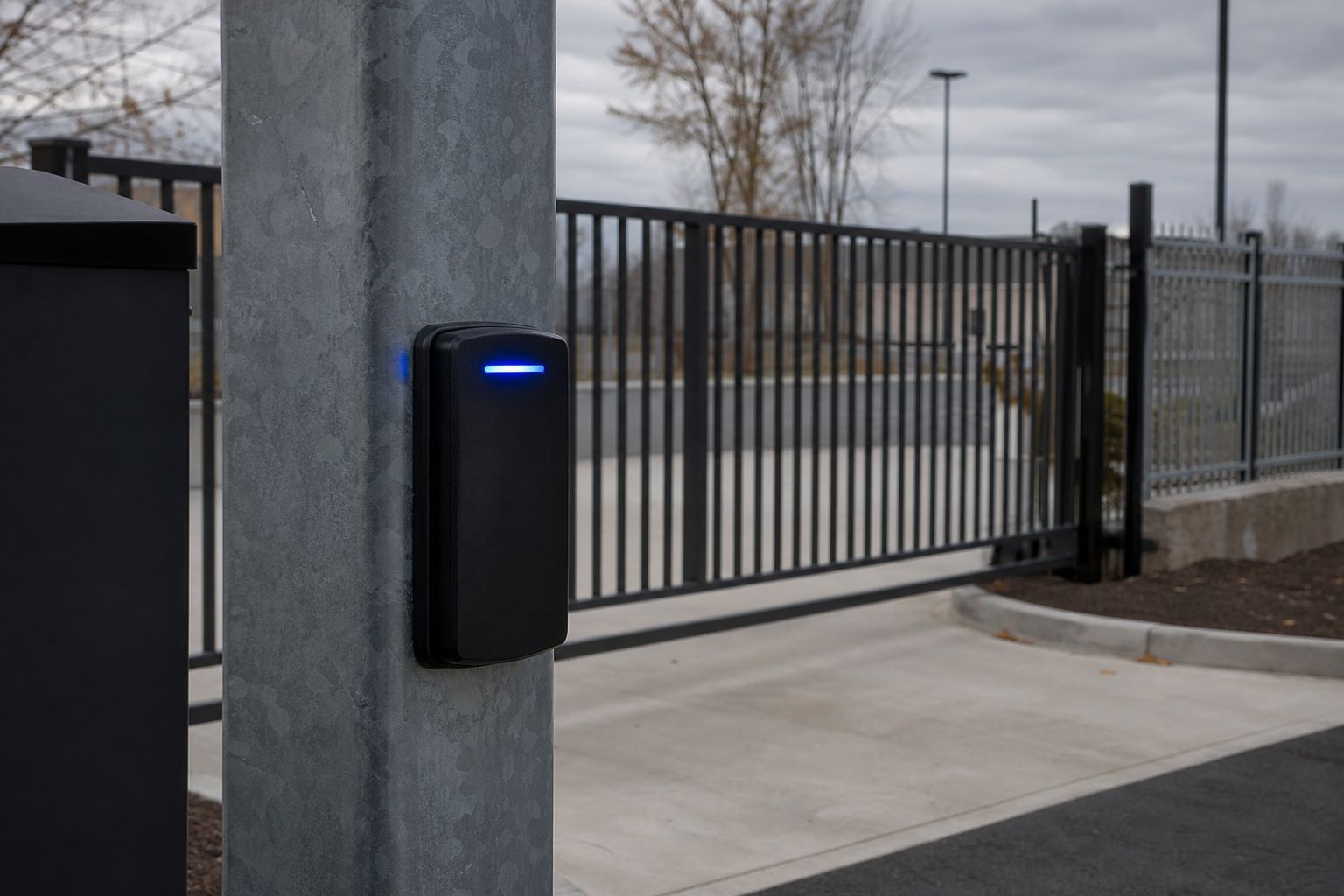
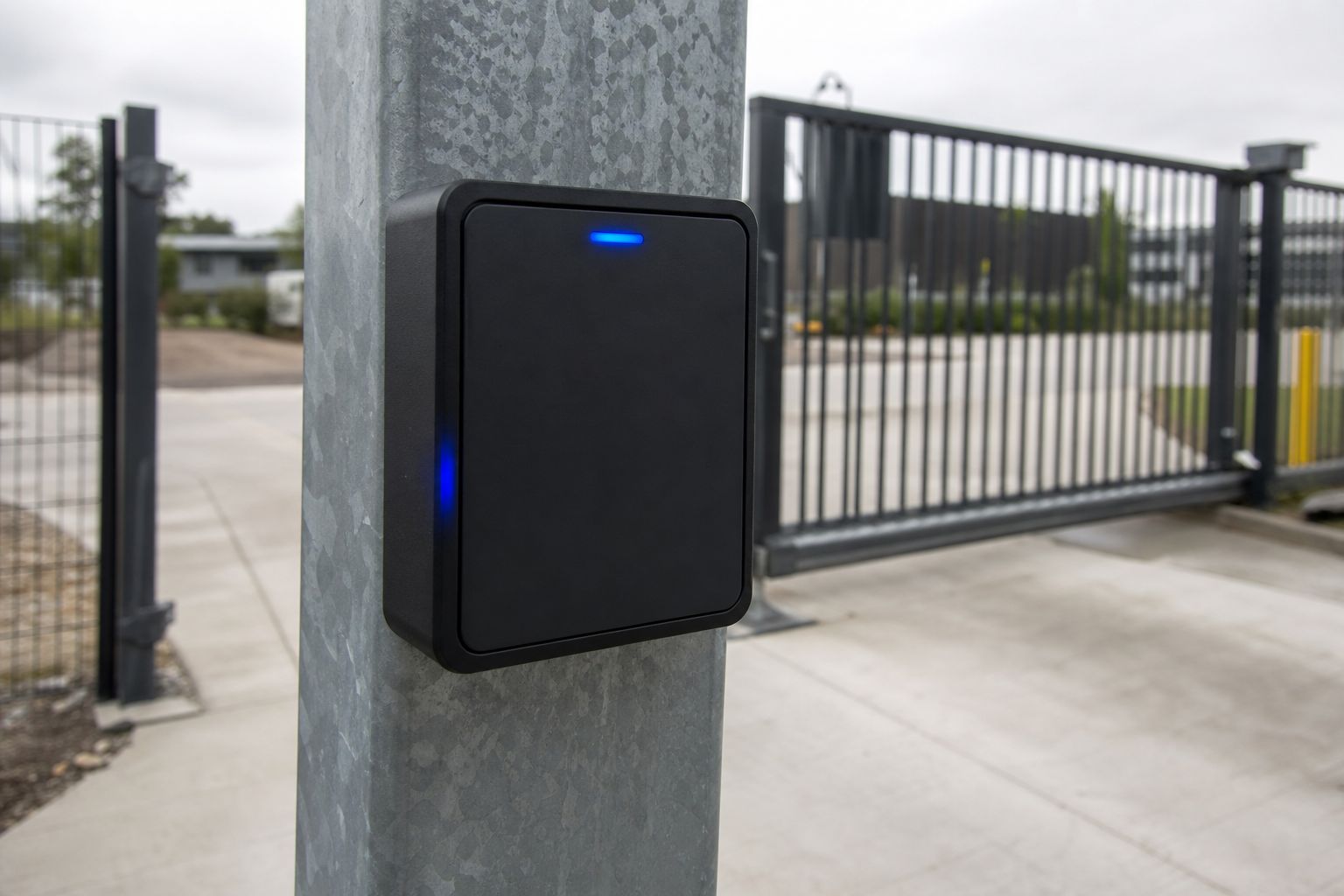
RFID readers authenticate a credential, such as a card or key fob, within a few inches of the reader face. This is common on commercial properties, apartment communities, and any location where you want to issue individual credentials that can be deactivated without changing a system-wide code. Each credential is unique, so you control access at the individual level.
DoorBird is a video intercom system that connects to your smartphone. When a visitor approaches, you get a live video feed and two-way audio through the DoorBird app. You can release the gate remotely from anywhere with an internet connection. It also logs every entry event with a time-stamped photo, giving you a simple record of who came to your gate and when.
Telephone entry panels call a designated phone number when a visitor requests entry. The person receiving the call can grant or deny access by pressing a key. These systems work without an internet connection and are a reliable choice for properties where smartphone-based solutions are not practical for all users.
Many properties benefit from pairing a keypad with an intercom or video unit. Regular users enter a code without any interaction needed. Visitors or delivery personnel use the intercom to request entry. This combination keeps traffic moving while still giving you visual confirmation before releasing the gate to someone unfamiliar.
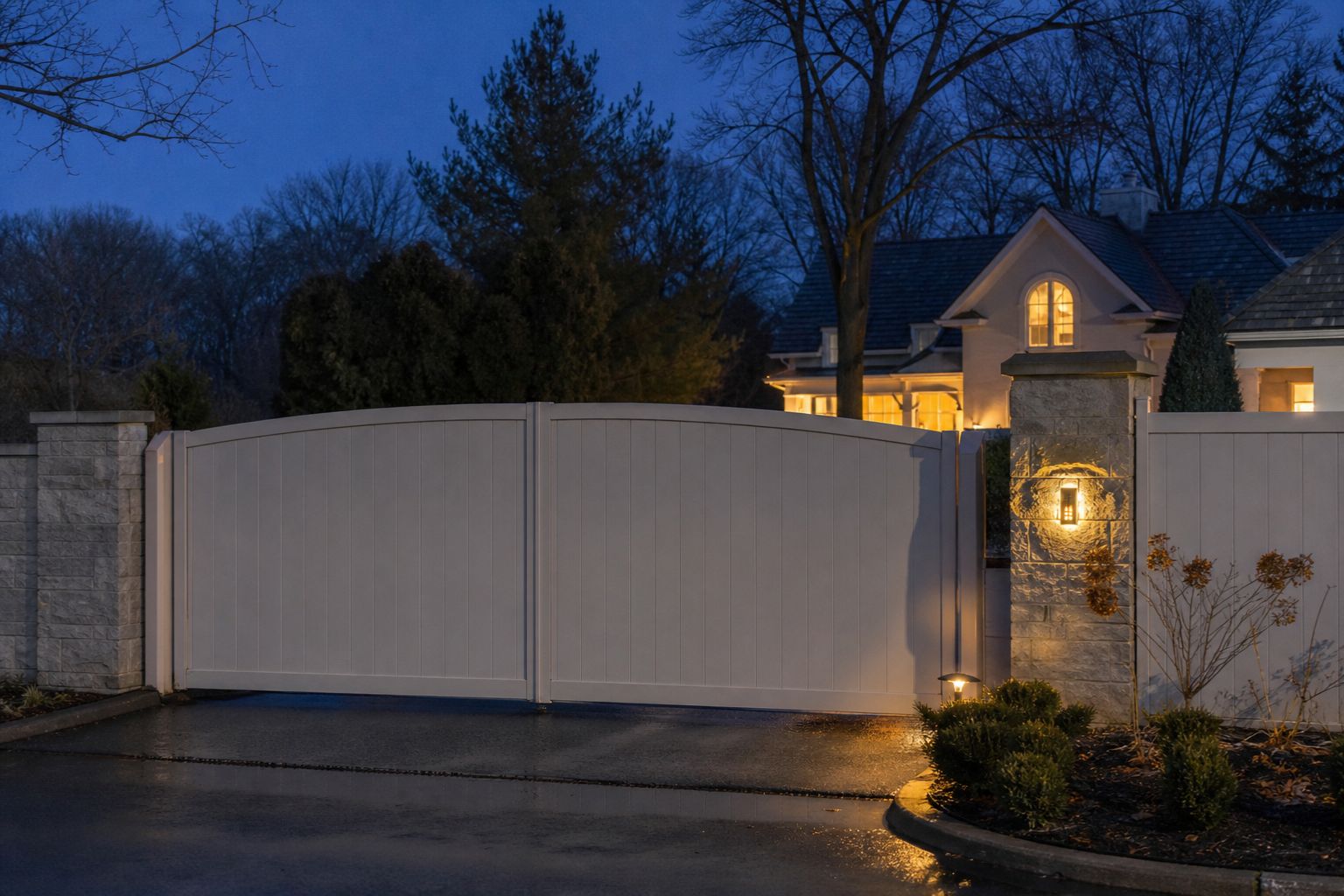
Larger properties with multiple gates or entry points need a system where all access points are managed consistently. We design and install setups where separate pedestrian gates, vehicle gates, and secondary entrances all operate under a coordinated access structure, so you are not managing each gate independently.
Why Access Control Matters More Than Most Property Owners Expect
Most people think about access control as a security upgrade. It is that, but the day-to-day usefulness goes well beyond keeping unwanted visitors out.
Consider a residential driveway gate without access control. You press a button from inside the house to let in someone you are expecting. But what about the landscapers on Tuesday, the dog walker on Wednesday mornings, the house cleaner every other Friday, and your kids coming home from school? Without a keypad or RFID system, someone has to be home or you leave the gate open. Neither works well in practice.
On commercial properties, the stakes are higher. If employees all share one gate remote and one person leaves the company, you either change all the remotes or accept that a former employee still has access. RFID credentials solve that completely. You deactivate one card and the rest of the system is untouched.
Access control also reduces wear on your gate operator. Gates triggered by the right credential at the right time put less stress on mechanical components than gates that are manually operated or left partially open because entry management is too inconvenient. A well-designed access setup actually extends the life of your gate hardware.
For pool enclosures, access control works alongside the self-closing and self-latching hardware that pool-barrier code requires, adding a layer of accountability that a latch alone does not provide. A keypad or RFID reader adds a layer of accountability that a simple latch alone does not provide.
How We Install Access Control Systems
Our installation process covers every element from site assessment through final programming.
Before any hardware is ordered, we look at your gate layout, power availability, the number of users who need access, and any specific requirements around visitor management or credential types. If you already have a gate operator installed, we assess its compatibility with the access control equipment. If the gate and operator are part of the same project, we design the access system alongside the mechanical components from the beginning.
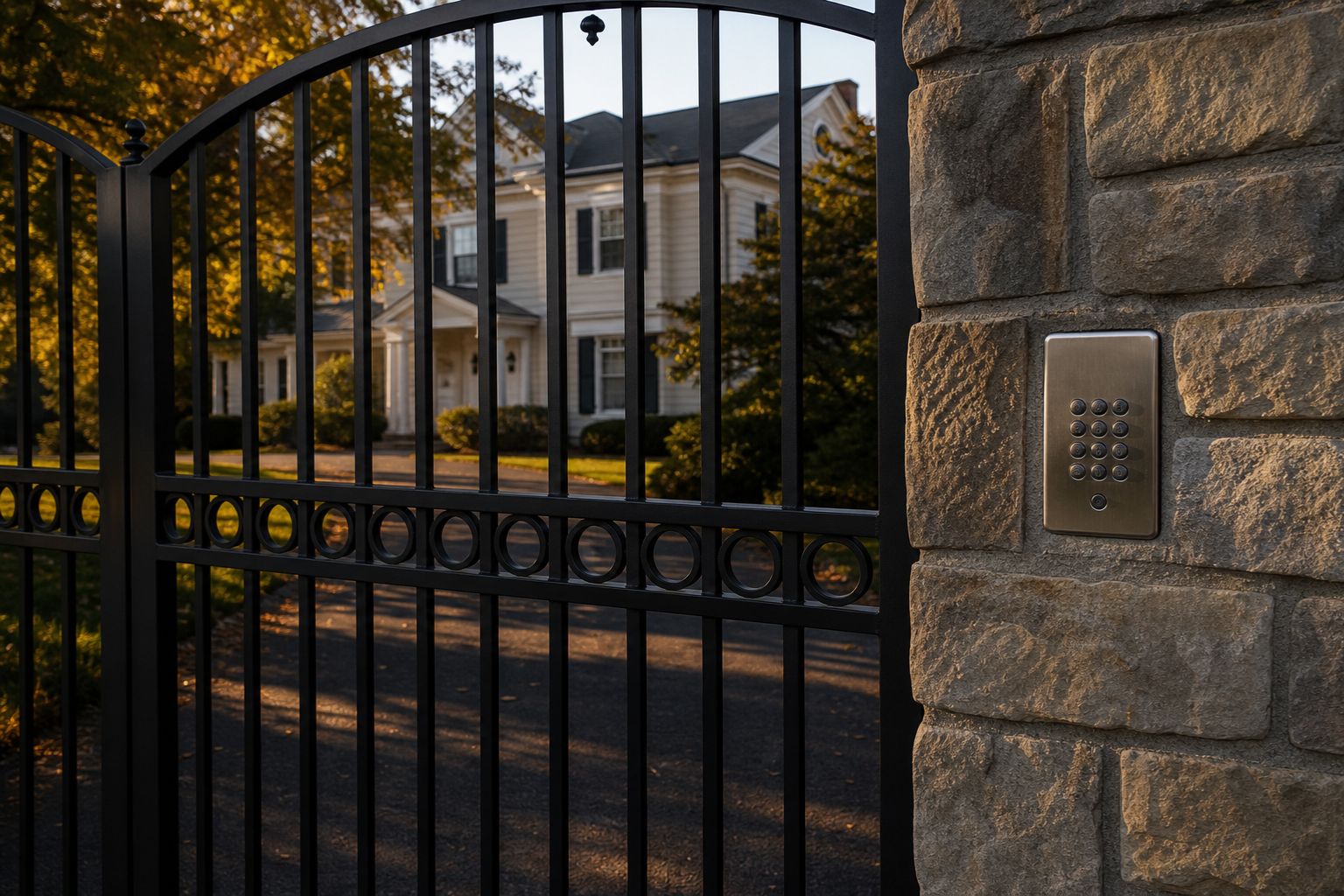
We match the right hardware to your property and your budget. Not every job needs a DoorBird with full video logging. Some driveways are perfectly served by a quality keypad and a reliable operator. We explain what each option does and where it adds practical value for your specific setup, so you are not paying for features you will not use.
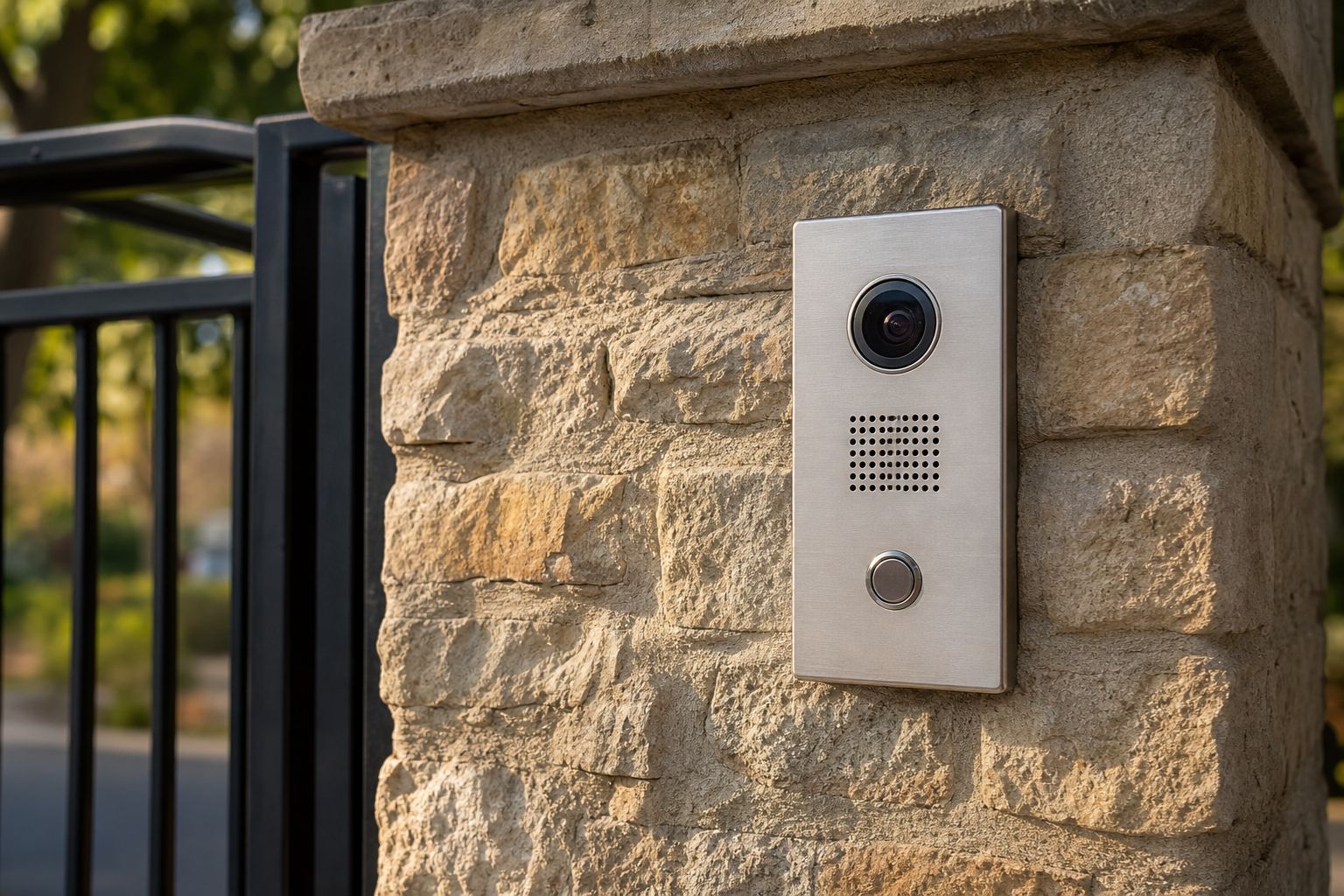
Access control hardware needs clean, protected wiring runs to the gate operator, power supply, and any intercom lines. We install conduit and run wiring in a way that is weather-protected and will not become a maintenance issue over time. Readers, keypads, and intercom units are mounted at appropriate heights and orientations for easy use from a vehicle or on foot.
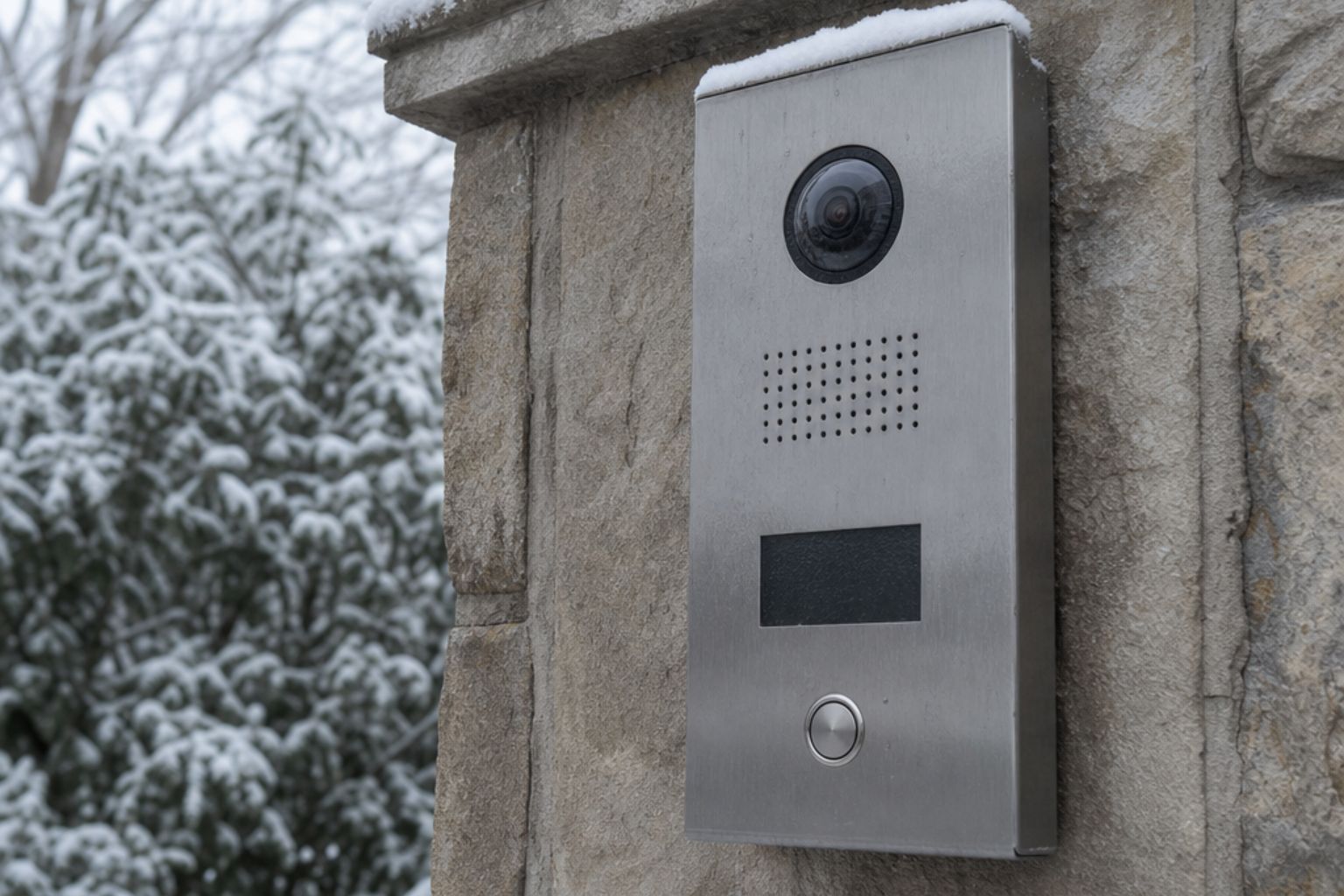
After installation, every system requires programming. We set up entry codes, program RFID credentials, configure intercom call-out numbers or app connections, and set any time-based access restrictions you want. For DoorBird systems, we walk you through the app setup so you understand how to use every feature before we leave the job site.
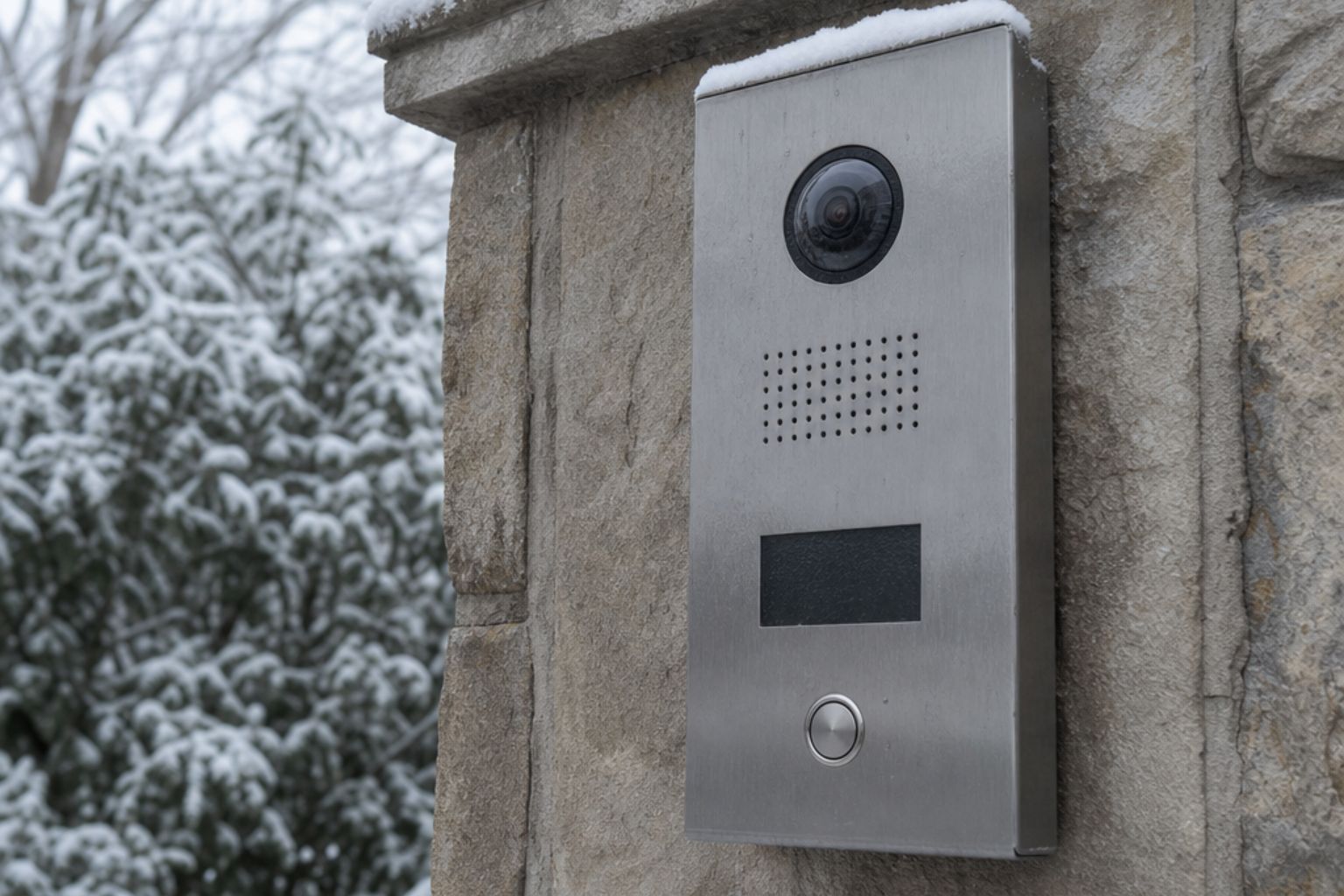
We test every credential, every release function, and every connection before the job is complete. You see exactly how your system works, and we answer any questions about day-to-day operation. If you add users or need to reprogram credentials later, we explain how to do that as well so you are not dependent on a service call for routine changes.
Compatibility with Automatic Gates and Operators
Access control hardware and gate operators need to work together, and not all combinations are compatible without the right wiring and configuration. This is one of the most common problems that comes up when a property owner buys a keypad online and tries to connect it to an existing gate system. The hardware may be fine individually but the integration fails because the input voltage, relay logic, or communication protocol does not match.
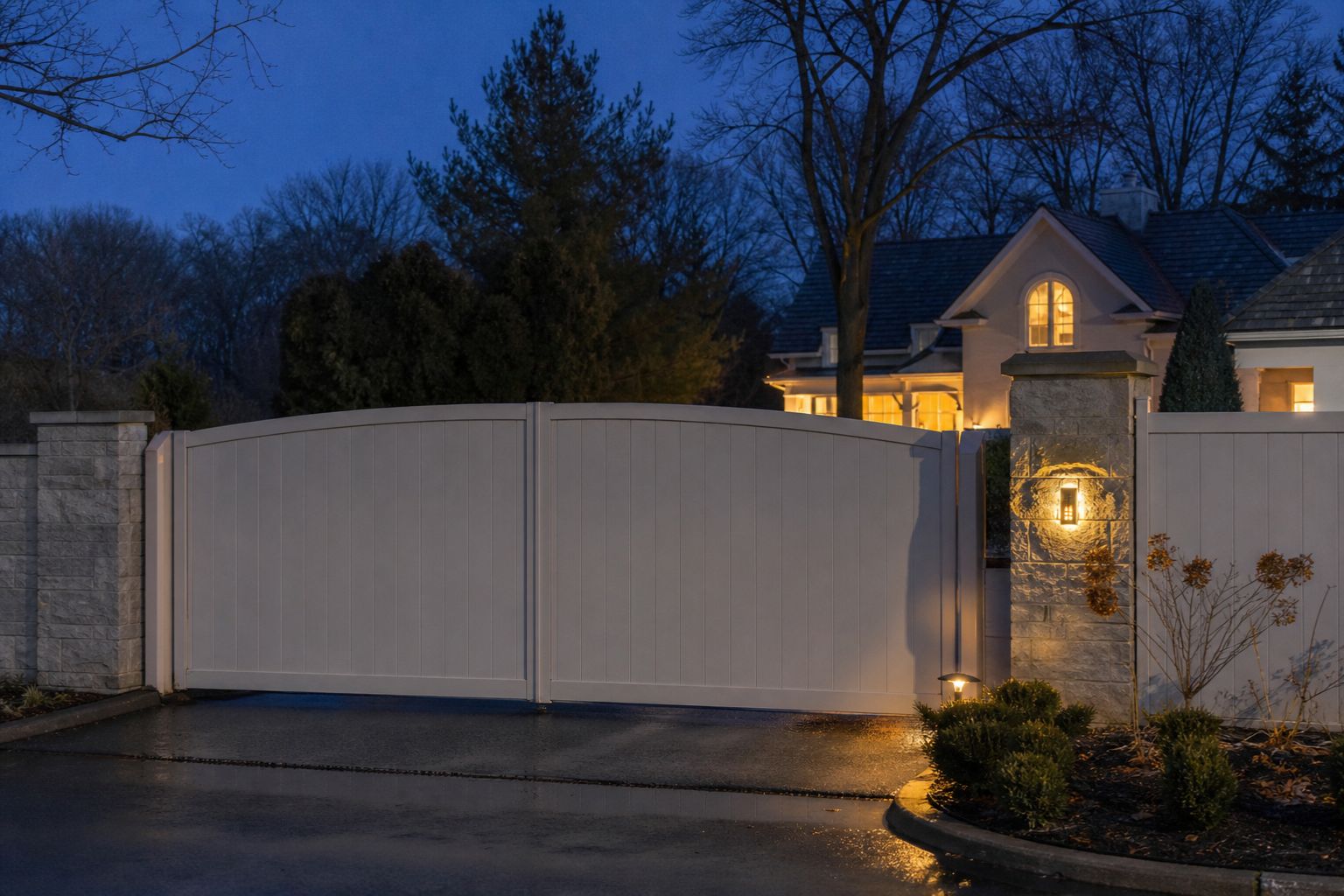
Because Portillo Fences and Gates handles both the access control and the automatic gate work, including arm operators, slide operators, and inground motors, compatibility issues do not come up the way they do when separate contractors install each component.
For properties with existing gate operators, we assess the control board and wiring before recommending access control hardware. In most cases, quality keypads and RFID readers integrate cleanly with standard operators through dry-contact relay inputs. DoorBird and telephone entry panels connect through similar relay outputs. Where an older operator board does not support integration reliably, we advise you on what an upgrade would involve and what it would cost before any work begins.
The result is a gate system where entering a code or presenting a credential opens the gate smoothly every time, without lag, without false triggers, and without the intermittent failures that come from a mismatched setup.
Why Property Owners Across the Hudson Valley Choose Portillo Fences and Gates
We install the fence, the gate, the operator, and the access control hardware. One contractor, one point of contact, no gaps between what one company says they installed and what another says they are responsible for. Here is what else sets us apart.
Portillo Fences and Gates carries full licensing and insurance coverage. You have documentation before work begins and protection throughout the project.
Freeze-thaw cycles stress conduit and connections. Long rural driveways need reliable signal transmission. Rural properties sometimes need offline backup options when internet service is inconsistent. We design with your actual conditions in mind, not a generic spec from a product sheet.
We install systems you can manage after we leave. That means clear programming documentation, user-friendly hardware, and a walkthrough so you know how to add credentials, change codes, and handle basic adjustments without needing to call us for routine changes.
If a simple keypad does the job, we tell you that. If your property and user volume warrant a more capable system, we explain why in practical terms. You get the setup that fits your situation, not the most expensive option available.
We work on residential driveways, multi-family properties, commercial parking facilities, industrial entrances, and everything in between. Access control needs vary significantly across those property types, and we bring experience from all of them to every new installation.
Frequently Asked Questions About Access Control
These are the questions property owners most often ask before starting an access control project.
Can I add access control to my existing automatic gate without replacing the operator?
In many cases, yes. Most modern gate operators have a dry-contact input that accepts a signal from a keypad, RFID reader, or intercom panel. We assess your current operator during the initial consultation to confirm compatibility. Older operators occasionally have control boards that are too limited or too worn to integrate reliably, and in those cases we walk you through what a board upgrade or operator replacement would involve before committing to anything.
How many user codes or credentials can a typical system manage?
That depends on the hardware. Entry-level keypads often hold 10 to 50 codes, which is enough for most residential properties. Commercial-grade systems and RFID platforms typically manage hundreds or thousands of individual credentials. If your property has high turnover or a large number of regular users, we specify hardware with appropriate credential capacity from the start so you do not run into limits later.
What happens when the power goes out?
Most gate operators with access control can be configured with a battery backup that keeps the system functional during short outages. You also need to decide whether your gate defaults to open or closed when power is fully lost, and that decision depends on your security priorities versus access needs. We discuss fail-safe versus fail-secure settings during the design phase so you understand how your system will behave in an outage.
Is the DoorBird system usable without a strong internet connection?
DoorBird relies on your property's internet connection to deliver video and remote access to your smartphone. If your internet service is slow or unreliable, video quality and response time will be affected. For properties where internet service is inconsistent, we may recommend a telephone entry system or a keypad-based solution that does not depend on connectivity for basic operation. DoorBird also has local network functionality for some operations, but remote access from your phone requires internet service.
Can access control be set to allow entry only during certain hours?
Yes. Time-based access is a feature on many commercial-grade keypads and RFID systems. You can configure specific codes or credentials to work only within set time windows, which is useful for service providers, cleaning crews, or delivery personnel who should only have access during business hours. Residential keypads at the lower end of the price range often do not include this feature, so if timed access matters to you, we factor that into hardware selection early.
What is the difference between an arm operator and a slide operator for a gate with access control?
The operator type determines how the gate moves, not how access control functions, but the two have to work together correctly. Arm operators work with swing gates and use a mechanical arm to push and pull the gate panel. Slide operators move a gate laterally along a track, which is common on properties where a swing arc is not practical. Both types accept the same standard access control inputs. The gate design, driveway geometry, and available space determine which operator type is appropriate for your property.
Do I need a permit for access control installation in New York?
Access control hardware by itself, such as a keypad mounted on an existing gate post, typically does not require a separate permit. However, if the access control installation is part of a new gate and fence project, permit requirements depend on your municipality, the height and type of fence, and whether the property is in a regulated zone or subject to HOA rules. We are familiar with permit requirements across our service area and help you understand what applies to your project before work starts.
How long does a typical access control installation take?
A single keypad or RFID reader added to an existing gate with accessible wiring can often be completed in a few hours. A full system installation with video intercom, wiring runs, and credential programming on a new gate project typically takes one to two days depending on the complexity of the wiring layout and the number of access points involved. We give you a realistic timeline during the estimate so you can plan accordingly.
Serving Properties Across the Hudson Valley and Westchester
Portillo Fences and Gates installs access control systems throughout Putnam, Dutchess, Orange, Ulster, Rockland, and Westchester counties. Our service area covers Brewster, Carmel, Mahopac, Pawling, Beacon, Poughkeepsie, Wappingers Falls, Newburgh, Middletown, New Paltz, Kingston, White Plains, Port Chester, Ossining, Peekskill, Mount Kisco, Tarrytown, New City, Spring Valley, Suffern, and Yonkers.
Properties across this region share common characteristics that shape how we design and install access control systems. Long rural driveways in Putnam and Dutchess counties often need buried wiring with weatherproof conduit runs that can handle frost heave. Suburban properties in Westchester and Rockland frequently need systems that handle high daily entry volume without mechanical fatigue. Commercial properties in Newburgh, Poughkeepsie, and Middletown need credential management that scales with staff changes over time.
If you have a property in our service area and want access control designed for how your gate actually gets used, call us to set up an estimate.