

Arm Operators for Swing Gates in the Hudson Valley and Beyond
What an Arm Operator Actually Does for You
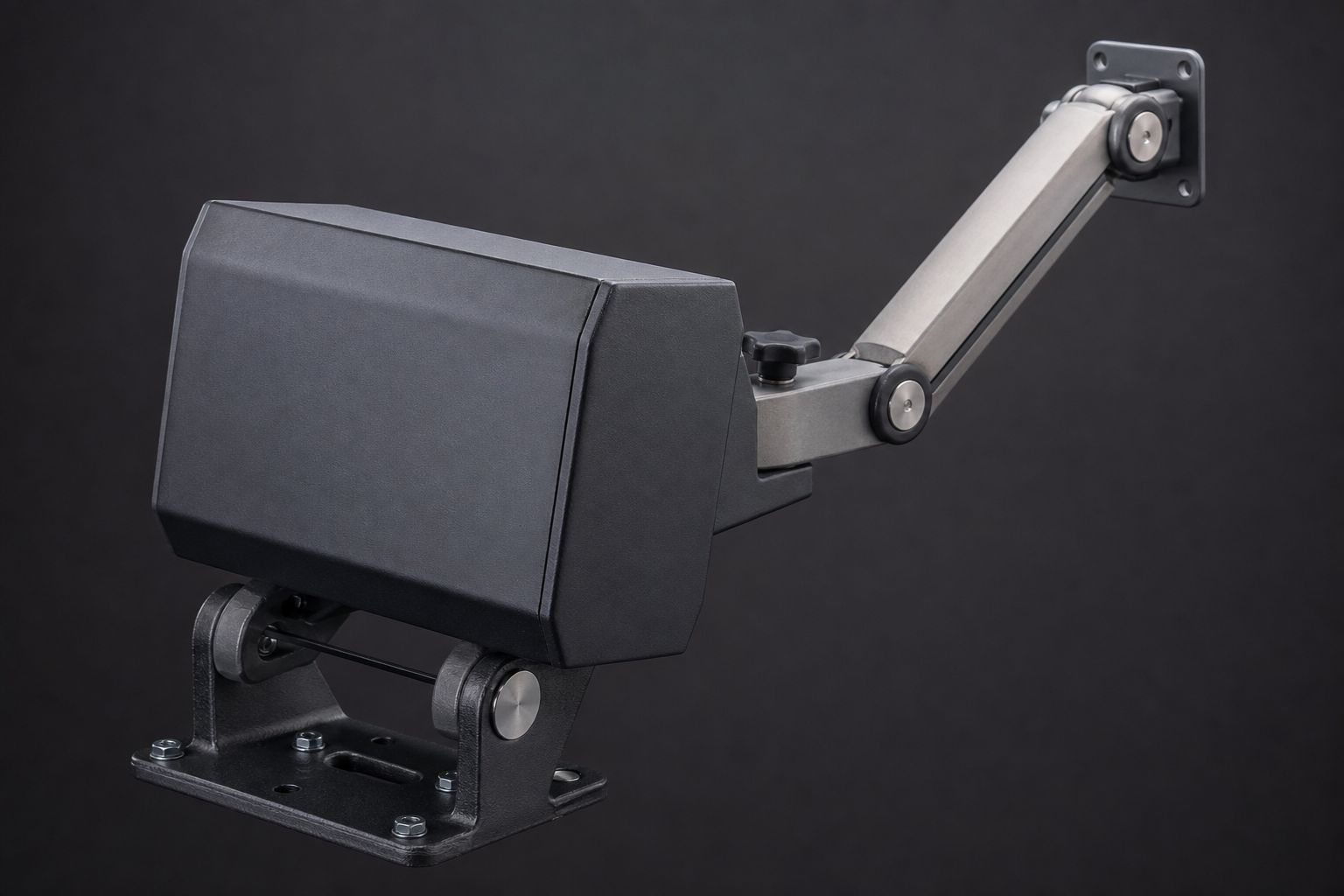
An arm operator is the motorized unit mounted above ground on a swing gate post. When you press a remote, tap an app, or present a key fob, the mechanical arm extends or retracts and moves your gate through its full swing arc. No manual lifting, no getting out of your car in the rain, no wondering whether you left it open.
Portillo Fences and Gates works with two of the most trusted names in the industry: FAAC and LiftMaster. FAAC is Italian-engineered and widely used on commercial and higher-traffic residential applications, known for smooth torque delivery and long service life. LiftMaster is the go-to for homeowners who want smart-home integration, MyQ app control, and a broad network of compatible access hardware.
Both brands use above-ground electromechanical operation, which means the motor, gearbox, and arm assembly sit on top of the post rather than underground. That matters in the Hudson Valley, where soil conditions, frost heave, and drainage can complicate underground systems. If your property is better suited to an inground motor, we offer that separately, but for most swing gate applications in this region, an arm operator delivers excellent performance without the added complexity.
Single-leaf or dual-leaf, wood or aluminum, residential driveway or commercial entrance: arm operators work for nearly any swing gate setup. The right unit depends on gate weight, leaf width, frequency of use, and whether you need the gate to fail-open or fail-secure during a power outage. We assess all of that before recommending a specific model.
Why Automate Your Swing Gate
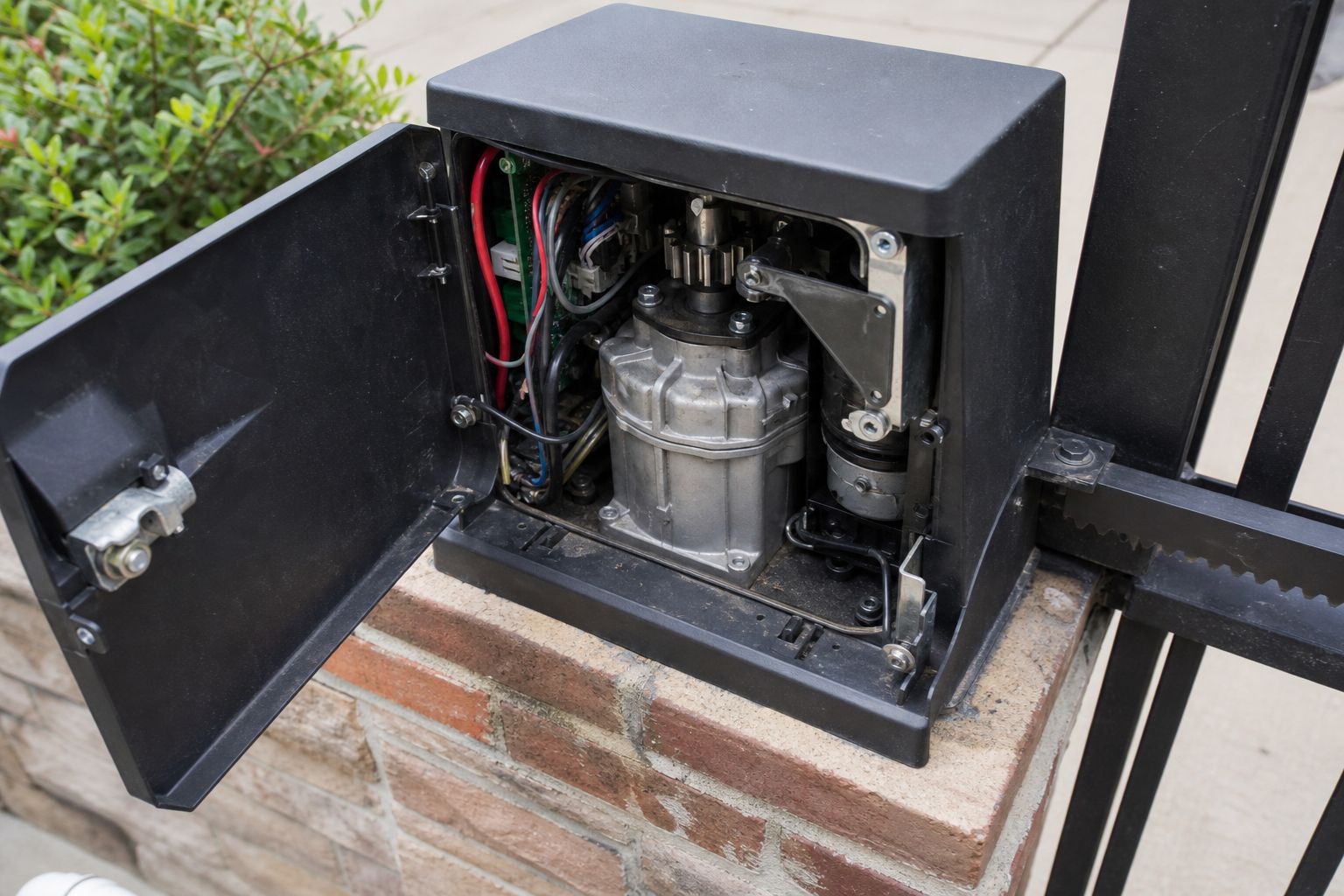
A manual swing gate is only as secure as the person who remembers to close it. An automated arm operator removes that variable entirely and adds a level of daily convenience most homeowners say they should have done years earlier.
Auto-close timers and obstruction sensors ensure your gate shuts behind every vehicle. You set the delay, and the system handles the rest, regardless of whether the last person through remembered to push it closed.
Westchester and Dutchess County winters are not gentle. Opening and closing your gate from inside a warm vehicle is not a luxury; it is a practical quality-of-life improvement you use every single day.
A well-installed automated gate with a clean arm operator and proper hardware sends a clear signal about property quality. It is one of the more visible upgrades you can make to a driveway entrance.
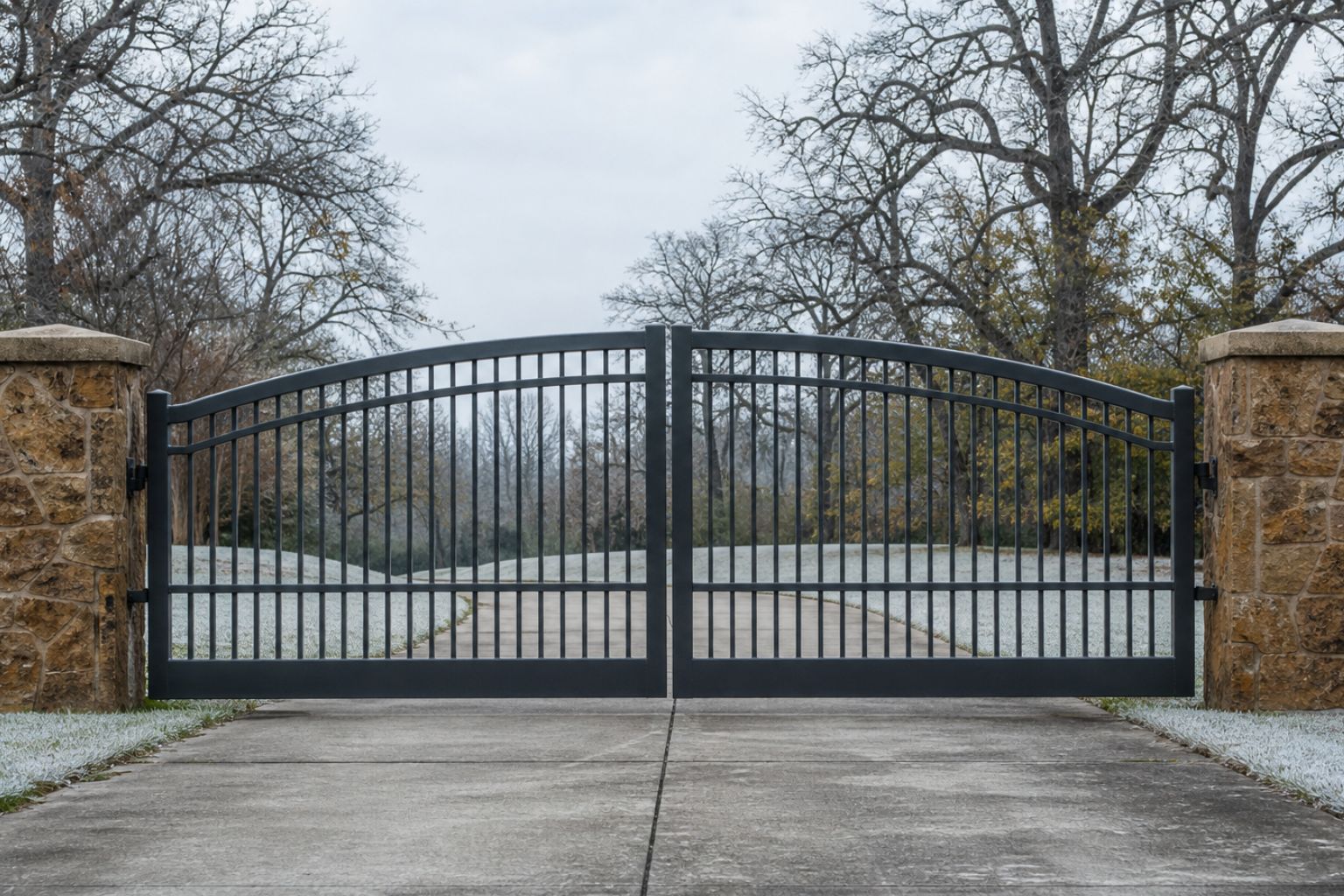
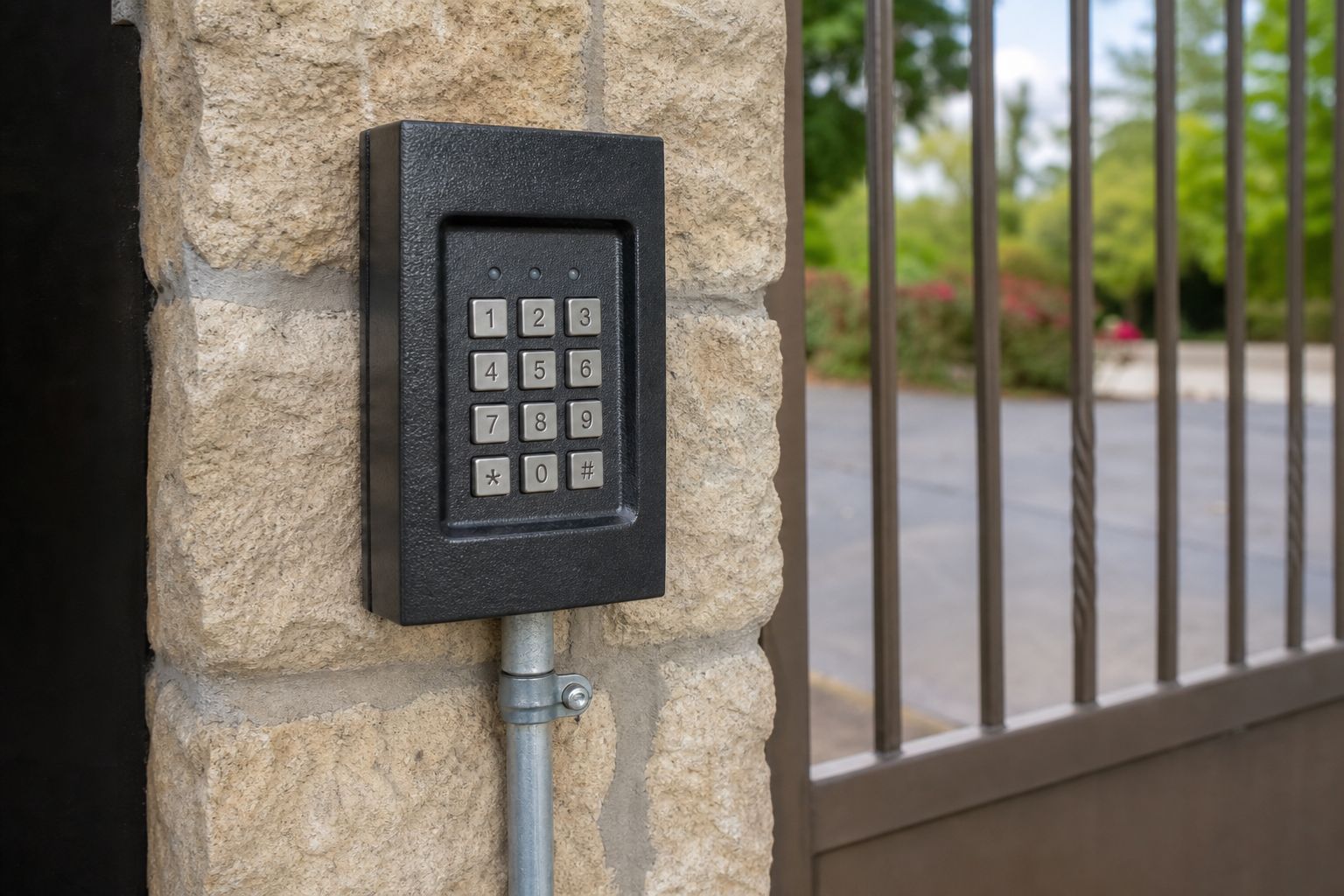
Arm operators are the foundation your access control system is built on. Once the operator is in place, adding keypads, card readers, intercoms, or a DoorBird video system becomes straightforward. You are not locked into a single access method.
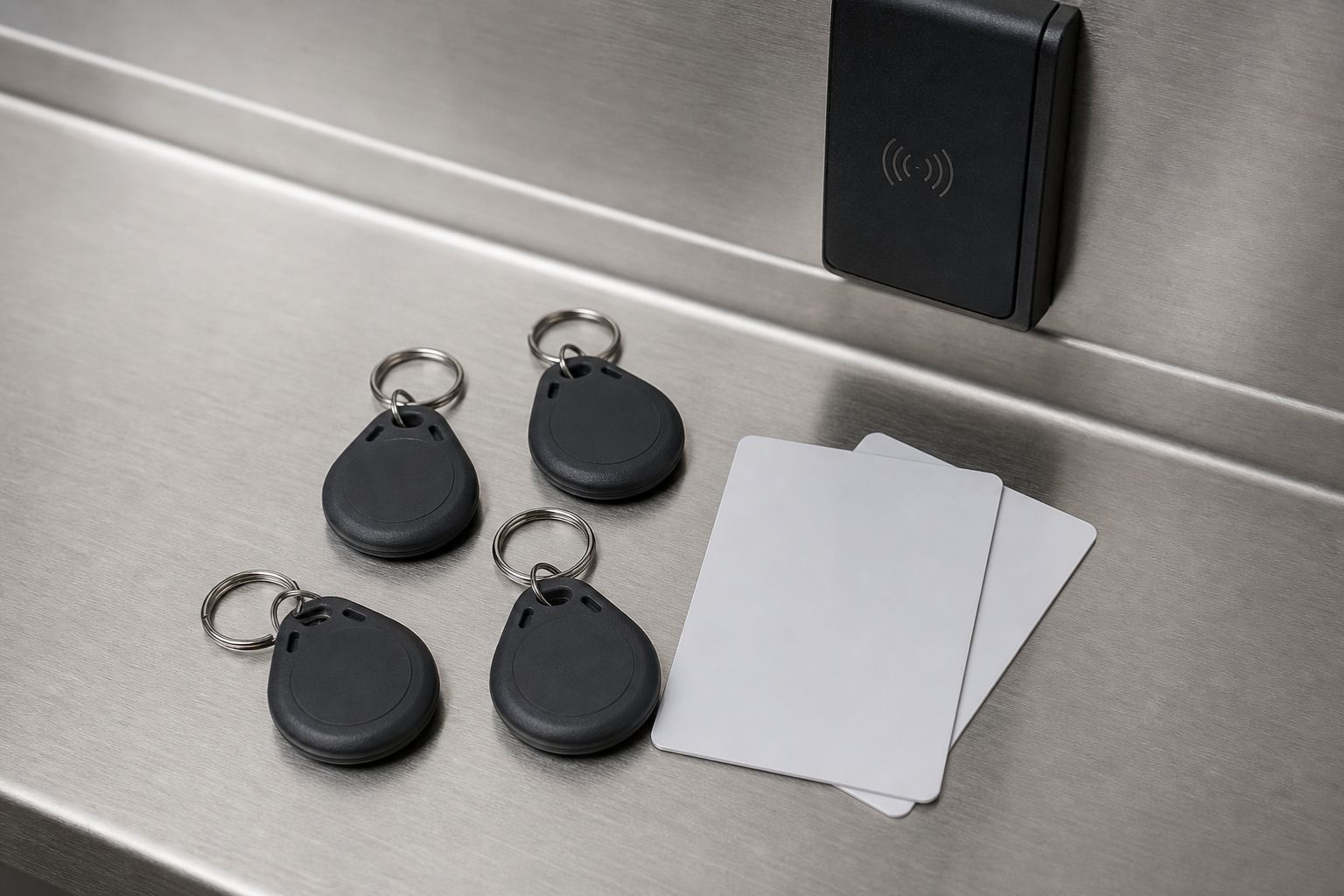
Above-ground electromechanical operators are accessible for inspection and service. Unlike inground units that require excavation to reach, arm operators can be checked, lubricated, and adjusted without any digging.
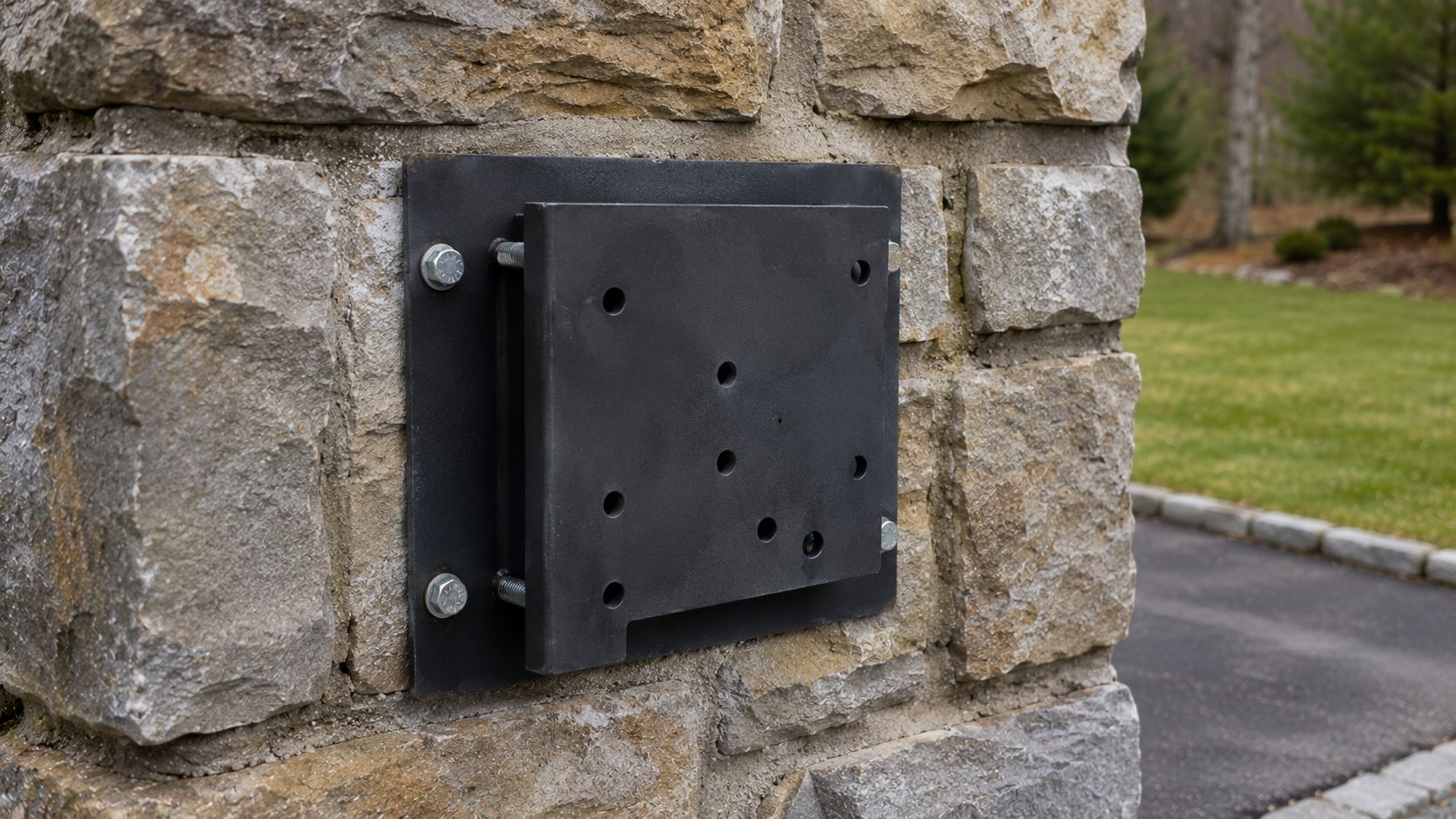
FAAC operators used in commercial applications are rated for high cycle counts, built to handle a gate that opens and closes dozens of times a day without wearing down. For a busy household or a gated commercial property, that durability matters.
How the Installation Process Works
Every arm operator installation starts with a site assessment and ends with a system test you can see and operate yourself before we leave. Here is exactly what that process looks like.
Scroll the steps sideways to follow the full process.
FAAC vs. LiftMaster: Picking the Right Brand for Your Gate
Both FAAC and LiftMaster make excellent arm operators, and both are well-represented in the Hudson Valley market. The right choice depends on your specific situation rather than brand preference.
FAAC is Italian-manufactured and widely used on commercial and semi-commercial applications throughout New York. Their operators handle heavier gates and higher cycle counts without overheating or wearing out prematurely, thanks to precise torque management. If you have a large dual-leaf gate on a commercial property in Newburgh, Middletown, or Kingston, or a heavy custom wood gate on a residential property with frequent daily use, FAAC is often the stronger technical fit. Their product line includes models rated for gates up to several hundred pounds per leaf, and the build quality reflects that capacity.
LiftMaster is the preferred choice for homeowners who want tight integration with smart-home platforms. Their myQ system lets you monitor and control your gate from your phone, receive alerts when the gate opens or closes, and set schedules or auto-close timers through an app. LiftMaster also pairs cleanly with a wide range of keypads, card readers, and intercoms, making it a natural foundation for a broader access control setup. If you are planning to add a DoorBird video intercom or a keypad for guests and service providers, LiftMaster's compatibility is hard to beat.
Many residential properties in Westchester, Dutchess, and Putnam counties work well with either brand, and the decision often comes down to which product line best matches the specific gate dimensions and the access hardware already in place. We will tell you plainly which unit makes more sense for your situation and why, without steering you toward a higher price point when a simpler solution fits the job.
Arm Operators for Residential and Commercial Properties
Residential installations are where arm operators are most common in the Hudson Valley. A single-family home in Mahopac, Carmel, or Pawling with a driveway gate typically has one or two gate leaves, moderate daily cycle counts, and a preference for quiet, smooth operation. For these jobs, we size the operator to the gate weight with some overhead capacity, which extends service life and keeps the motor running well within its rated range rather than constantly at the limit.
Residential use often involves secondary access needs as well. Housekeepers, landscapers, and delivery services need a way in without the homeowner present. That is where a keypad or a DoorBird intercom becomes part of the conversation. The arm operator is the mechanical core of that system, and choosing a unit with a compatible control board from the start saves money and hassle later.
Commercial applications bring different requirements. A property in White Plains, Yonkers, or Port Chester with a gated parking area or secured entrance may see dozens of gate cycles per day. For those situations, we specify operators with higher duty cycle ratings, often from the FAAC commercial line, and we pay close attention to control board programming so the gate handles queue traffic without cycling too aggressively or timing out incorrectly.
Commercial properties also tend to have stricter requirements around safety and code compliance. Obstruction detection, warning lights, and loop detectors for vehicle sensing are all part of a properly installed commercial gate system. We address those requirements during the assessment phase rather than treating them as optional add-ons after installation.
Why Portillo Fences and Gates
We are a licensed and insured fencing and gate contractor based in the Hudson Valley, serving properties from Yonkers and White Plains in the south to Kingston and New Paltz in the north. That range gives us direct familiarity with local frost depth, soil conditions, permit requirements across Putnam, Dutchess, Orange, Ulster, Rockland, and Westchester counties, and the HOA rules that come up in planned communities throughout the region.
We sell, install, and service both FAAC and LiftMaster, so our recommendations are based on what fits your gate and your property, not on which brand we happen to carry. We also handle the full scope of work in-house: gate installation, operator mounting, wiring, access hardware, and the access control systems that tie everything together. You are not coordinating between multiple contractors or hoping that a gate installer and an electrician show up on the same day.
Our work on arm operators connects directly to the other services we provide, including automatic gates, inground motors, slide operators, and DoorBird systems. If your project grows from a single gate operator into a full property access solution, you are still working with the same crew that installed the first piece of hardware. That continuity matters when something needs adjustment six months from now.
We take calibration and programming seriously because that is where most gate operator problems actually originate. A poorly calibrated operator strains the motor, wears the gate hardware, and frustrates the people using it every day. Getting the limits, force settings, and timing right during installation is not extra effort; it is the standard we hold every job to.
Frequently Asked Questions About Arm Operators
These are the questions that come up most often when homeowners and property managers are planning an arm operator installation.
Can an arm operator be installed on an existing gate, or does the gate need to be replaced first?
In most cases, yes, an arm operator can be added to an existing swing gate as long as the gate is structurally sound and the post is solid enough to support the mounting hardware. The key variables are gate weight, leaf width, and hinge condition. If the gate sags, binds on the latch side, or has damaged hinges, those issues need to be addressed first because an operator will not fix a gate that moves incorrectly on its own. We check all of that during the initial assessment and let you know upfront whether repairs are needed before installation.
What happens to the gate when the power goes out?
Both FAAC and LiftMaster arm operators include a manual release mechanism that disengages the motor so the gate can be pushed open or closed by hand. Most units also support battery backup, which keeps the gate operational during short outages without any manual intervention. For properties where power reliability is a concern, we configure the backup battery and discuss the fail-open versus fail-secure setting so you know exactly how the gate will behave when power drops.
How do I know if I need one operator or two for my gate?
Single-leaf gates use one operator. Dual-leaf gates, where two panels meet in the middle of the driveway, require one operator per leaf, wired to a shared control board that sequences the opening and closing so the leaves do not collide. The control board programming determines which leaf opens first and which closes last, which is important for preventing gate contact. We handle that sequencing as part of every dual-leaf installation.
What is the realistic lifespan of a well-maintained arm operator?
A properly sized and maintained arm operator from FAAC or LiftMaster typically performs reliably for ten to fifteen years under normal residential use. Commercial applications with higher daily cycle counts may see a shorter service interval depending on the specific model and usage volume. The biggest factors that shorten operator life are improper sizing, misalignment of the arm-to-gate attachment, infrequent lubrication, and allowing minor issues like binding or strained travel to go unaddressed. Annual service checks and keeping the mechanical components lubricated go a long way toward getting the full life out of the unit.
Do I need a permit to install an automatic gate operator in New York?
Permit requirements vary by municipality. Some towns and villages in Putnam, Westchester, Dutchess, Orange, Ulster, and Rockland counties require a permit for gate installations that involve electrical work or structures over a certain height. HOAs add another layer of approval in many planned communities. We are familiar with permit requirements across the municipalities we serve and will tell you at the assessment stage whether a permit is needed for your specific project, so there are no surprises once work starts.
Can the arm operator be integrated with a video intercom or keypad entry system?
Yes, and this is one of the most common combinations we install. A LiftMaster operator pairs directly with LiftMaster-compatible keypads and integrates well with DoorBird video intercom systems, which allow you to see and speak with visitors at the gate from your phone before granting access. FAAC control boards also accept inputs from keypads, card readers, and loop detectors. The access control hardware connects to the operator's control board through a dry contact or wired trigger, so the gate opens in response to a validated credential whether that credential is a key fob, a code, or a video intercom release.
What is the difference between an arm operator and a slide operator?
Arm operators move a swinging gate through an arc, with the arm pushing or pulling the gate leaf as it opens and closes. Slide operators move a gate laterally along a track, which is useful when there is not enough driveway clearance for a gate to swing inward or outward. The choice between the two is usually determined by the available space at the gate opening and the direction the driveway runs. We sort that out during the site visit if you are not sure which type fits your property.
Service Areas for Arm Operator Installation
Portillo Fences and Gates installs and services arm operators across the Hudson Valley and Lower Hudson region. Our service area includes Brewster, Carmel, Mahopac, Pawling, Beacon, Poughkeepsie, Wappingers Falls, Newburgh, Middletown, New Paltz, and Kingston in the Lower Hudson Valley, and extends south through White Plains, Port Chester, Ossining, Peekskill, Mount Kisco, Tarrytown, Yonkers, New City, Spring Valley, and Suffern.
That range gives us firsthand knowledge of the permit processes, zoning regulations, and site conditions across Putnam, Dutchess, Orange, Ulster, Westchester, and Rockland counties. Whether you are on a wooded residential lot in Carmel, a commercial property in White Plains, or a rural acreage in New Paltz, we have worked in conditions similar to yours and know what a proper installation looks like in that environment.
- Brewster, NY
- Carmel, NY
- Mahopac, NY
- Pawling, NY
- Beacon, NY
- Poughkeepsie, NY
- Wappingers Falls, NY
- Newburgh, NY
- Middletown, NY
- New Paltz, NY
- Kingston, NY
- White Plains, NY
- Port Chester, NY
- Ossining, NY
- Peekskill, NY
- Mount Kisco, NY
- Tarrytown, NY
- New City, NY
- Spring Valley, NY
- Suffern, NY
- Yonkers, NY
Ready to Automate Your Swing Gate?
Call (845) 282-3336 or use our contact form