

Inground Gate Motors: A Clean Entrance Without the Hardware
What an Inground Motor Actually Does
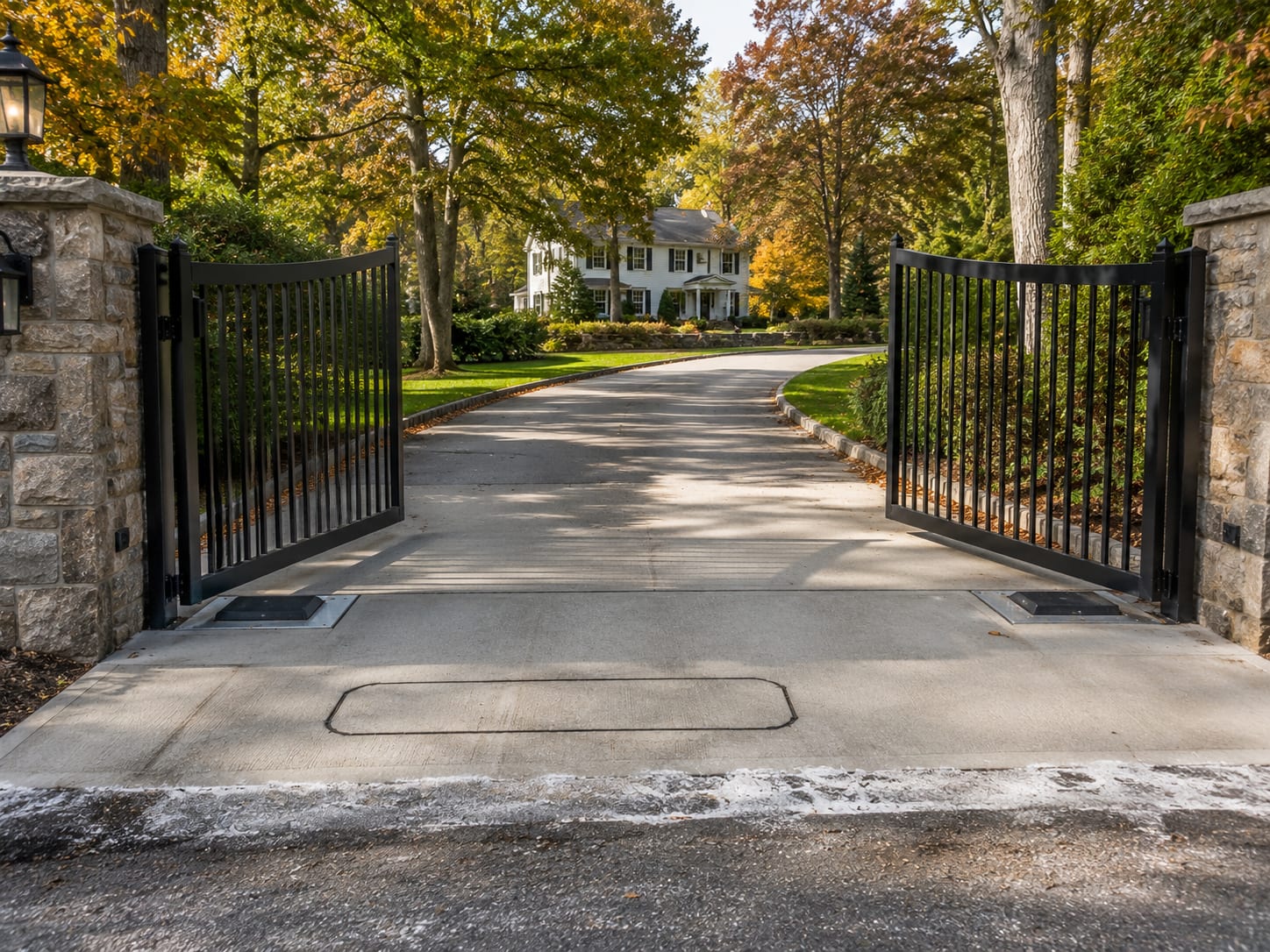
An inground motor is a gate operator buried below the ground surface at the base of each gate post. When you trigger it, the unit sits directly under the gate's pivot point and turns the leaf on its own hinge axis. From the street, you see nothing mounted to the post and nothing attached to the gate leaf. The hardware is completely out of sight.
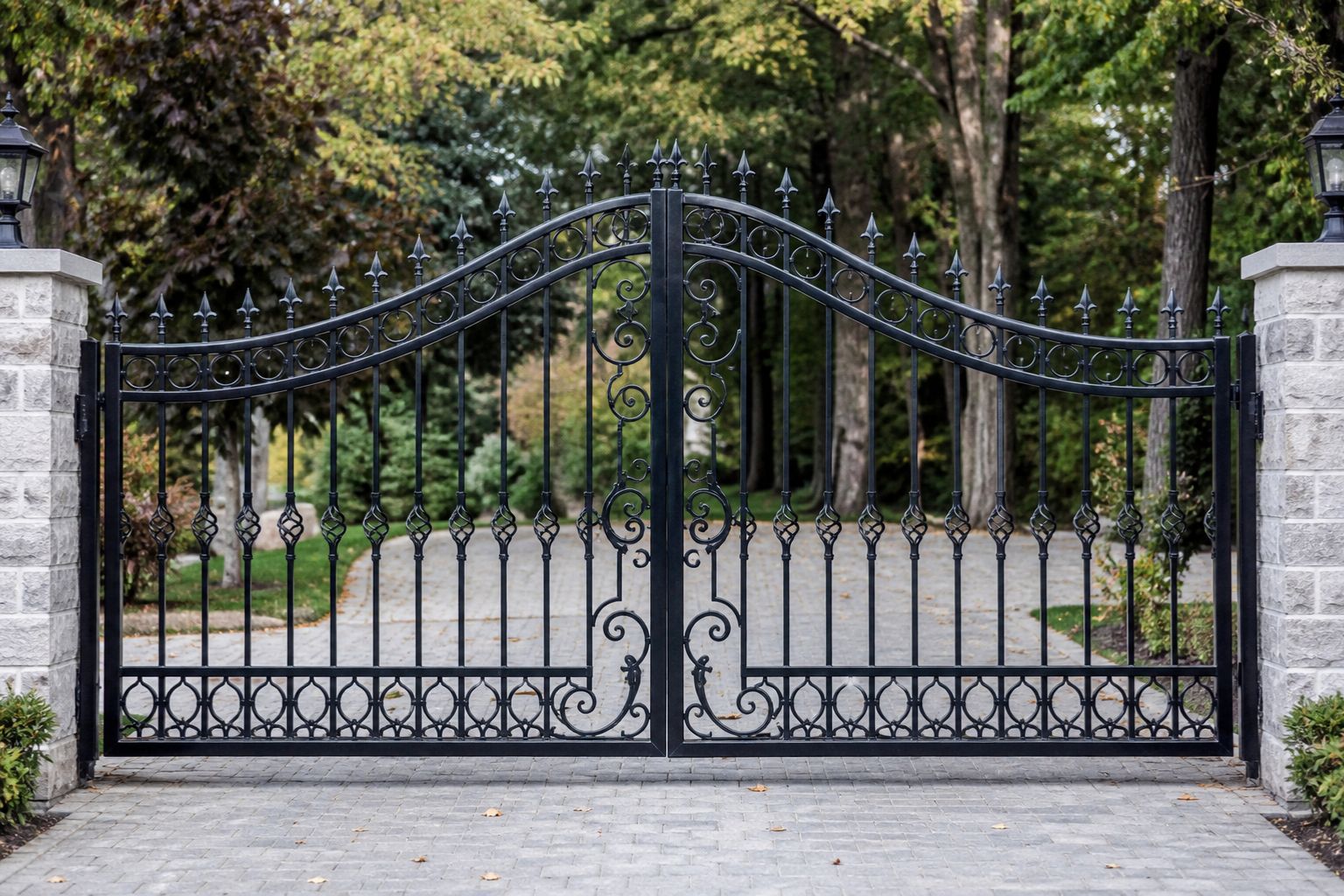
This is different from the standard arm operator you see on most driveways, where a visible elbow-shaped arm connects the motor housing on the post to the gate itself. Inground systems hide all of that. The result is a cleaner look that works especially well with ornamental iron gates, aluminum driveway gates, and any entrance where the design itself is meant to be the focal point.
Portillo Fences and Gates installs FAAC and Viking inground motors across Putnam, Westchester, Dutchess, Orange, Ulster, and Rockland counties. Both brands have been the standard for this type of installation in residential and commercial applications for decades, and both are built for the freeze-thaw cycles common in this region. Call us at (845) 282-3336 to schedule a site visit.
Why Homeowners Choose Inground Over Surface-Mounted
Surface-mounted arm operators work fine. But inground motors solve specific problems that arm operators cannot. Here is what you gain when the hardware goes underground.
The motor, the piston housing, and all the mechanical components sit below grade in a sealed underground chamber. Your gate posts stay clean. There are no brackets, no arms, and no motor boxes breaking up the look of your entrance.
Surface-mounted operators are visible and reachable. An inground unit is sealed underground, which makes it significantly harder for someone to interfere with the mechanism manually. For homeowners focused on perimeter security, that is a meaningful difference.
If your driveway columns are close to the gate swing path, or if you have a decorative pillar that a swinging arm would scrape against, inground motors solve the clearance problem entirely. The mechanism never rises above grade.
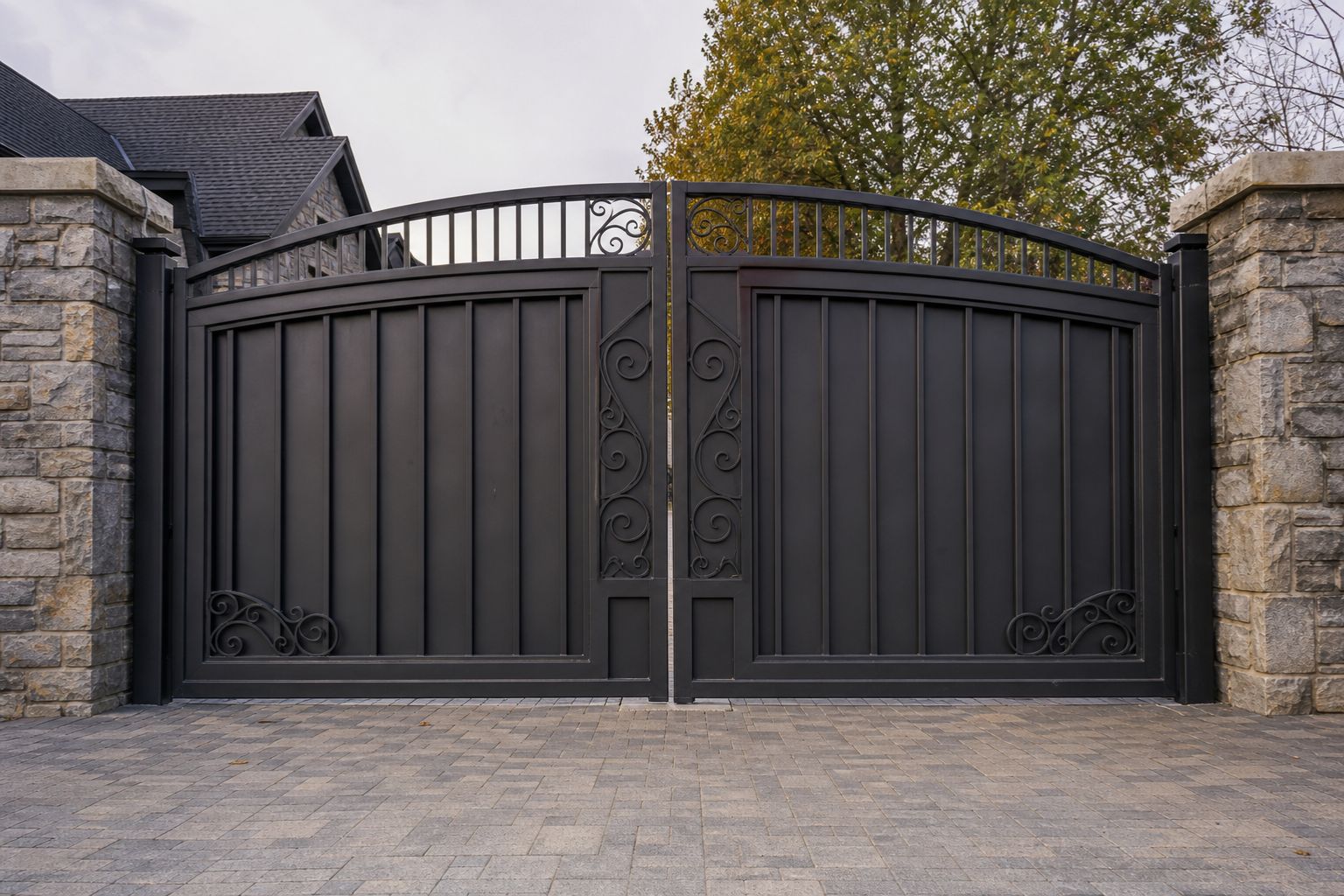
FAAC and Viking inground units are rated for substantial gate weights. If your gate is fabricated steel, thick aluminum, or ornamental iron, these motors are built to handle the load without the strain issues that can affect lighter surface-mounted units over time.
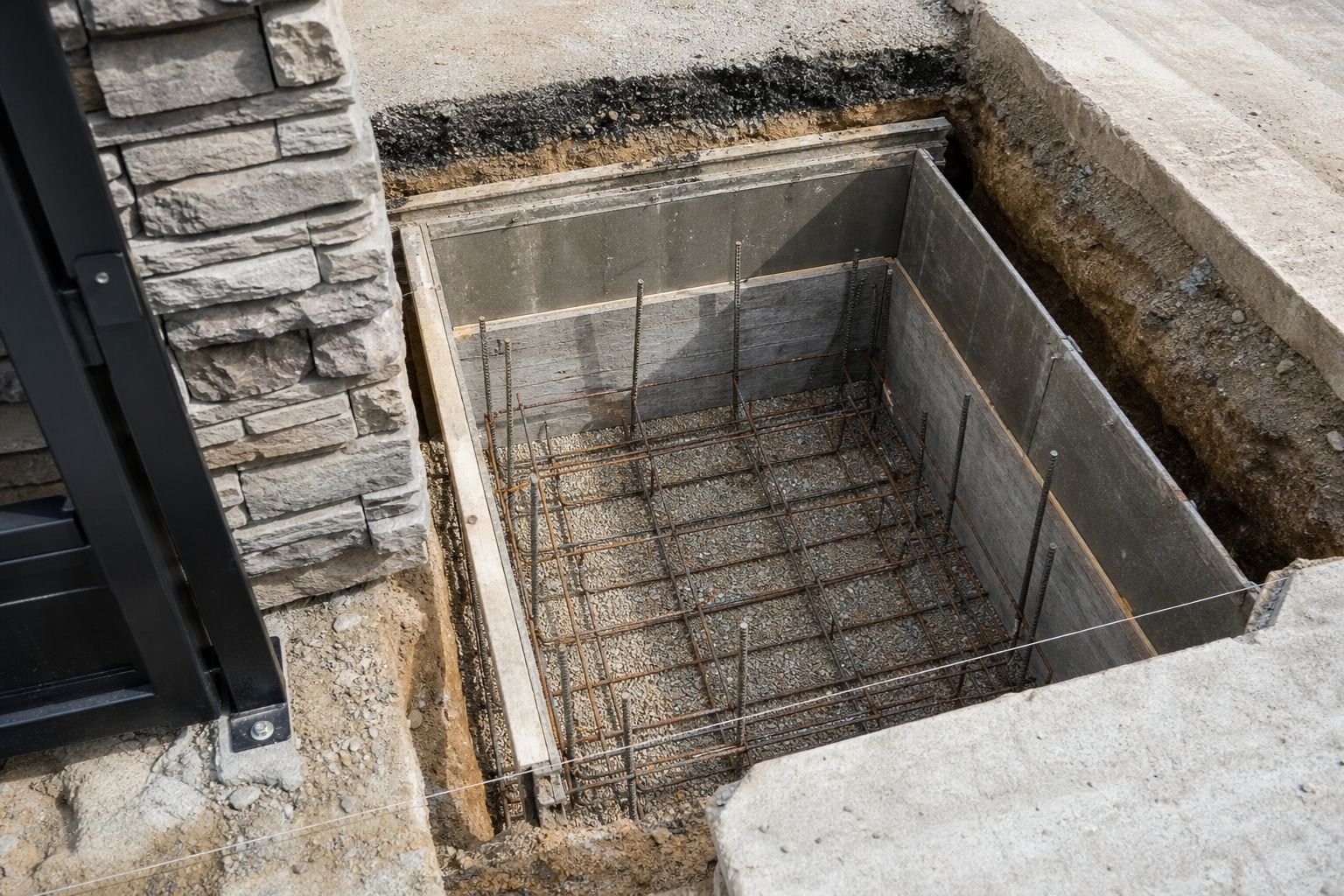
Both FAAC and Viking design their inground units with sealed chambers and drainage specifications that account for frost-prone soil. Proper installation in New York's climate means the housing stays functional through repeated freeze and thaw cycles without heaving or water intrusion.
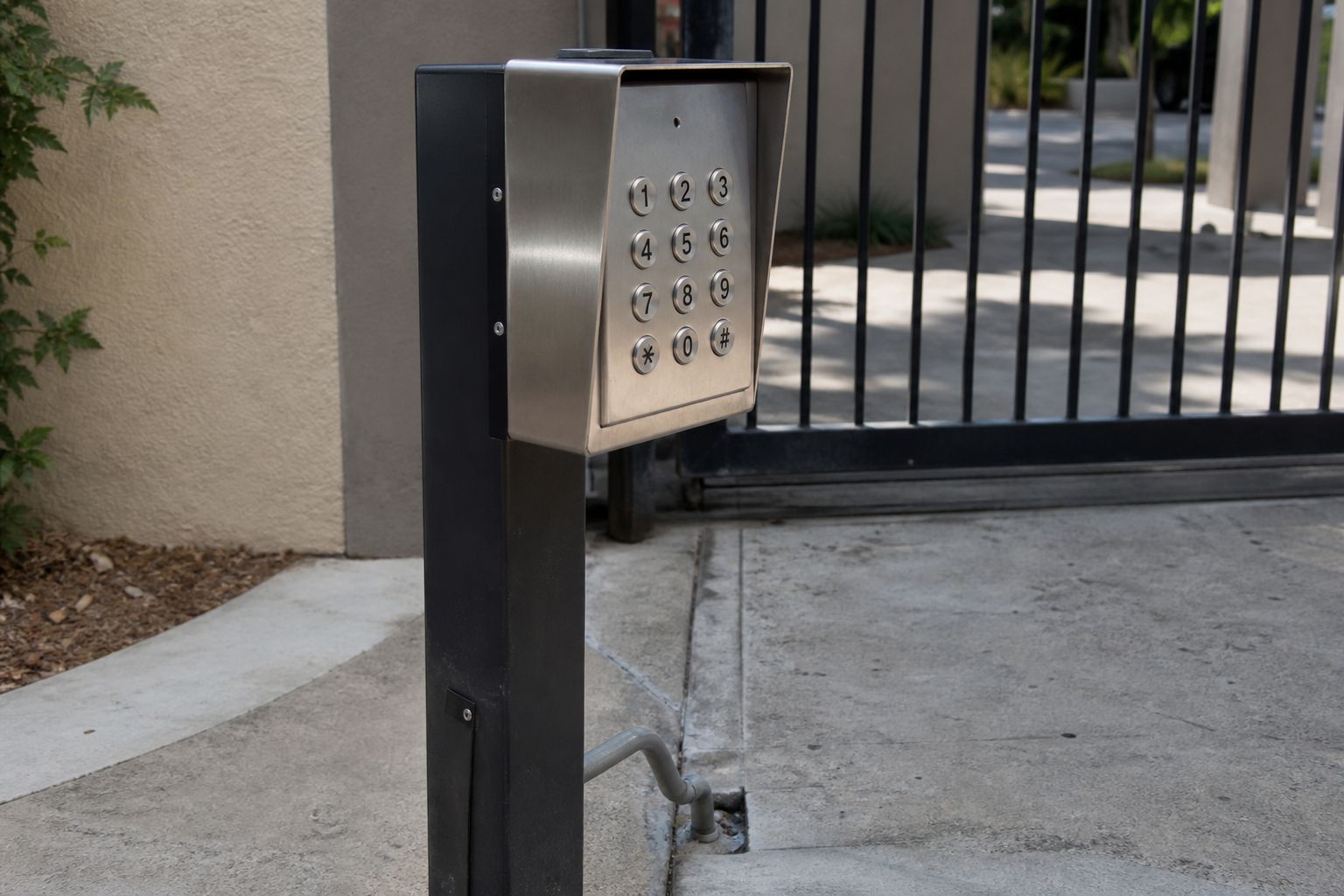
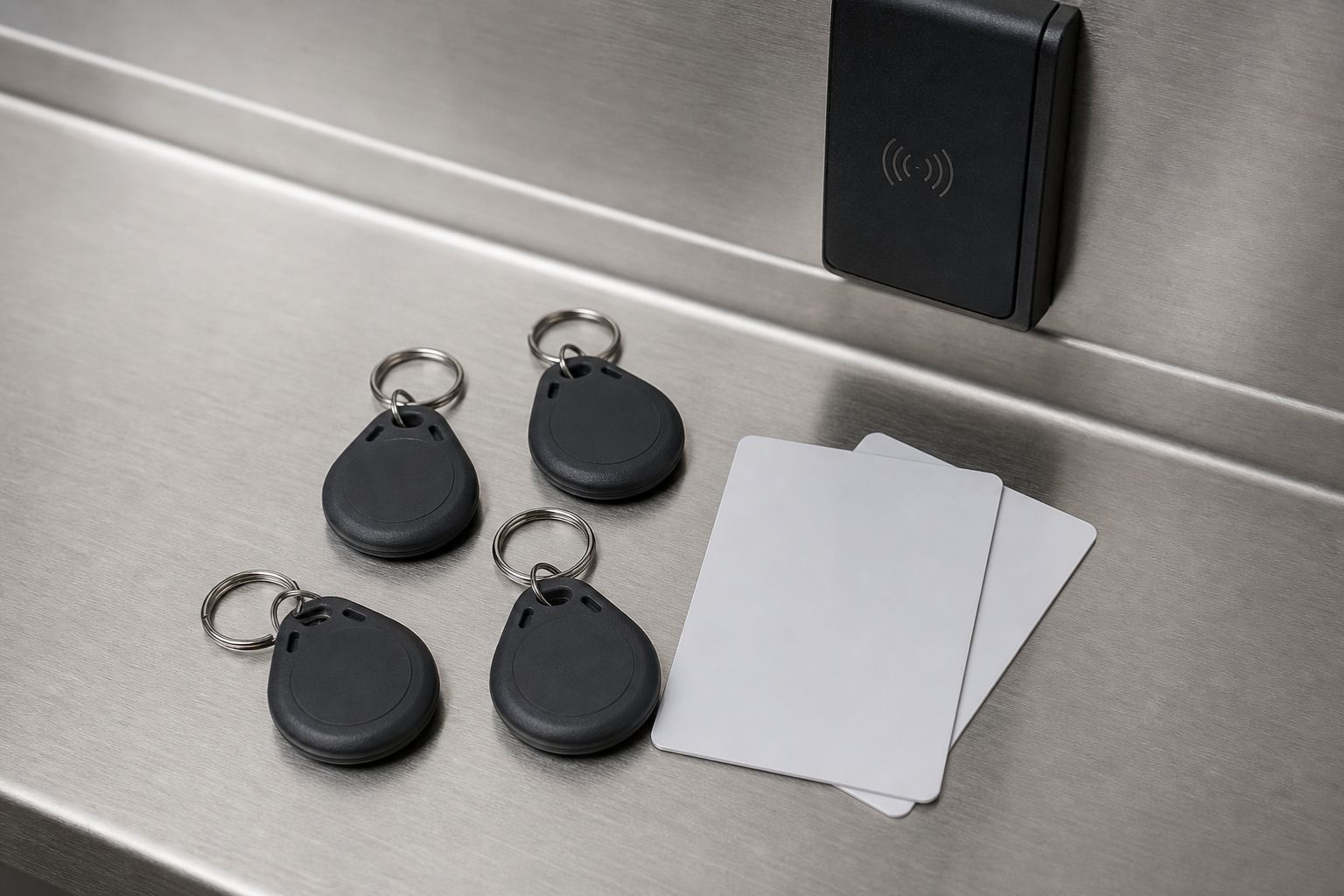
Inground motors connect to keypads, remote transmitters, vehicle loop detectors, and intercom systems the same way surface-mounted operators do. You do not give up any access control options by going underground.
Where Inground Motors Make the Most Sense
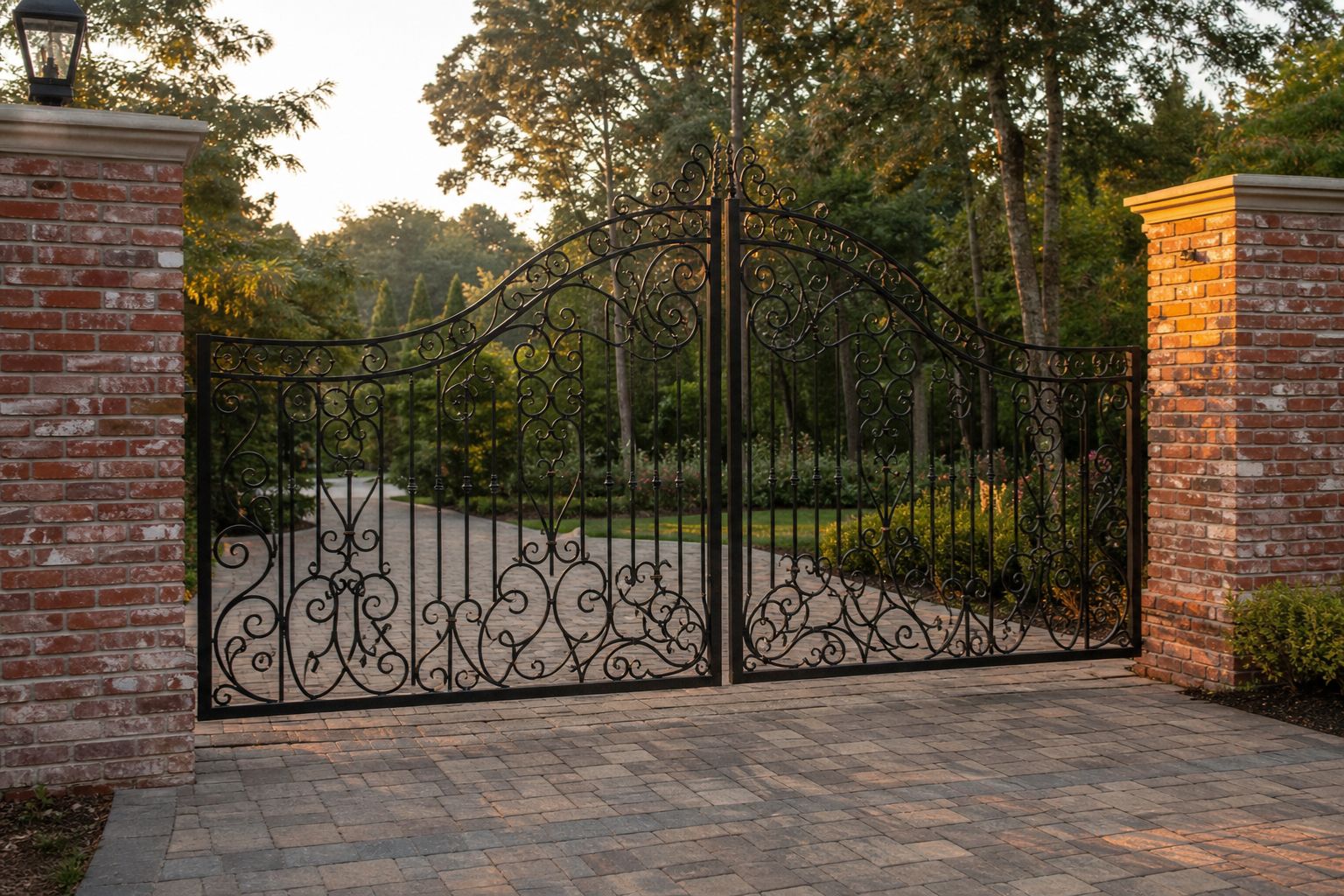
Not every driveway needs an inground motor. But there are situations where this type of installation is clearly the right call. If you have a custom gate that cost real money to design and fabricate, putting a visible arm operator on it can undercut the whole look. Inground motors let the gate be the feature, not the hardware holding it open.
Homes with brick or stone pillars benefit especially well from this setup. Drilling into a finished masonry pillar to mount a surface operator can compromise the pillar structurally and cosmetically. With an inground unit, the pillar stays intact. The motor goes into the ground next to the post, not into the post itself.
Commercial properties and upscale residential communities also use inground motors because they read as more finished and permanent. A surface arm on a commercial entrance can look temporary or industrial. An inground setup signals that the installation was planned properly from the start.
If you have two gate leaves that swing open from the center of the driveway, each leaf gets its own inground motor. Both units sync together so the gate opens and closes evenly. FAAC and Viking both offer dual-leaf configurations that coordinate the two motors without visible wiring running across the surface between posts.
How We Install an Inground Gate Motor
Every inground motor installation follows the same sequence. The underground chamber has to be built correctly the first time because fixing drainage or positioning problems later means excavating the site again.
We start by evaluating your gate, your posts or pillars, the driveway surface, and the soil conditions. We check the gate weight and width, confirm the swing arc, and identify where underground utilities run so we can avoid them during excavation. If you already have a gate and want to add an inground motor to it, we verify that the gate's structural condition can handle the mechanical load before we commit to an installation plan.
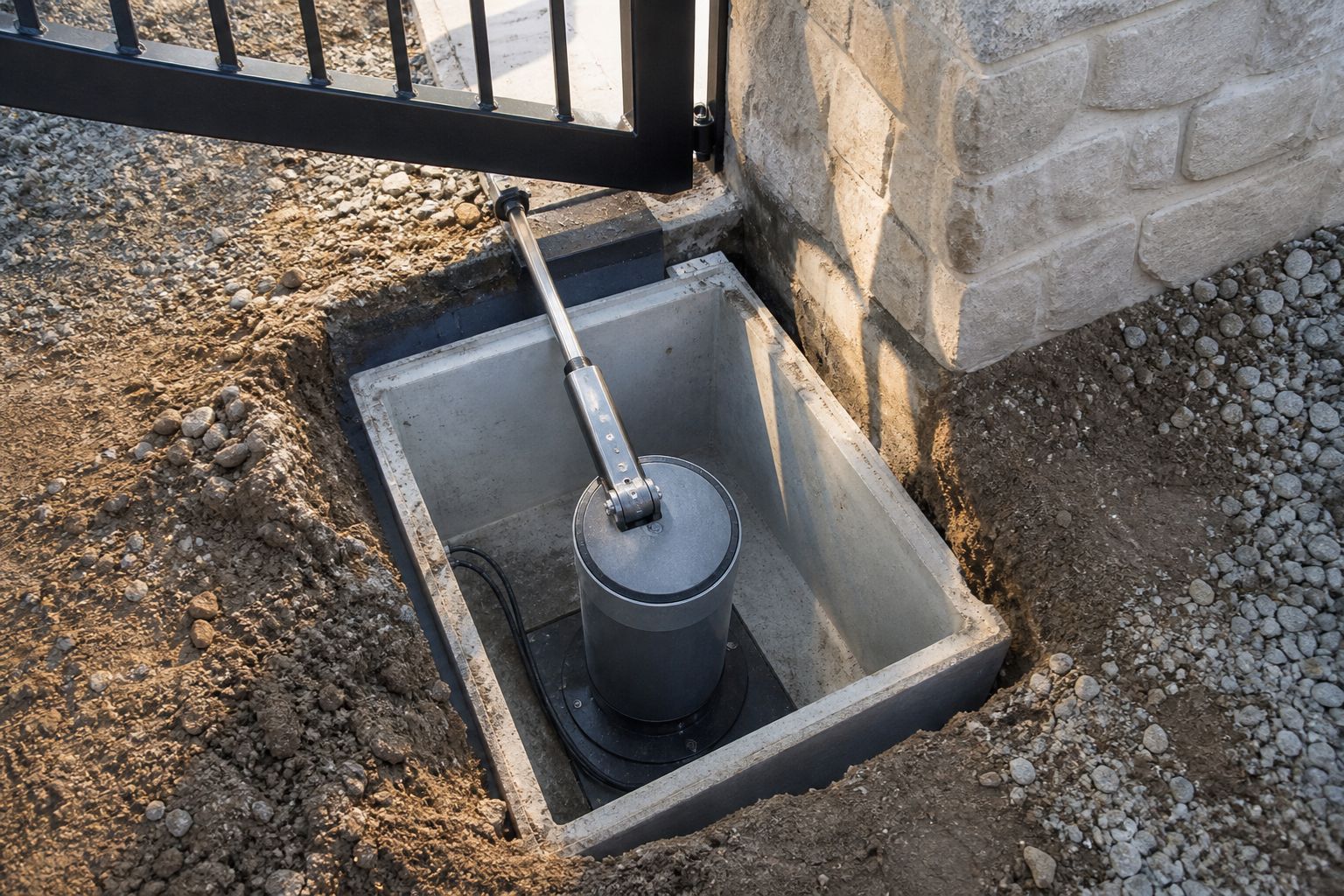
We dig a precise pit at each gate post location. The depth and dimensions follow the motor manufacturer's specifications and account for your local frost line depth. In much of Westchester, Putnam, and Dutchess county, the frost line runs to about 42 inches deep, and the chamber has to sit at the right depth to avoid heaving. We form the concrete housing that protects the motor and create the drainage path that keeps water from pooling inside the chamber.
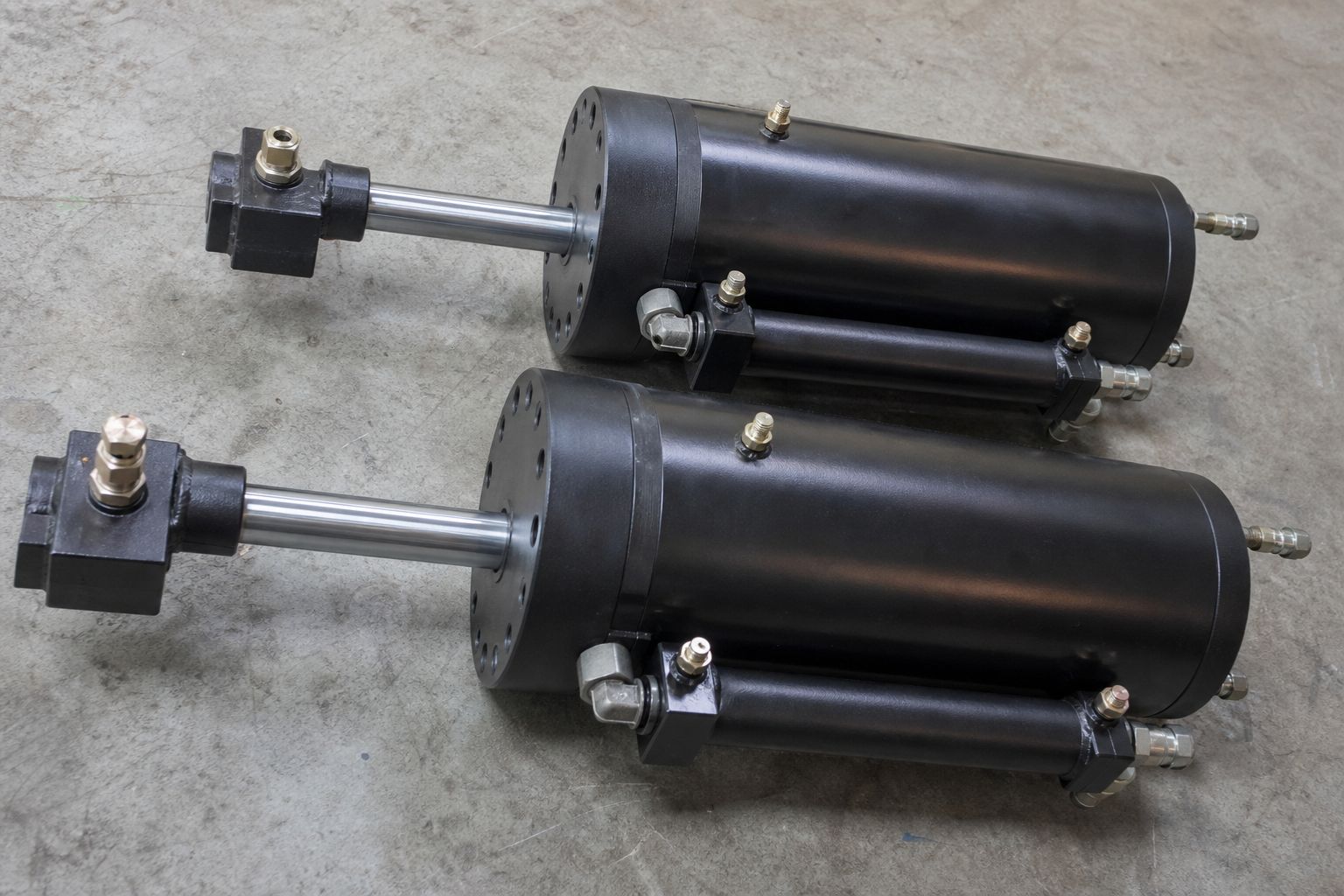
The motor unit goes into the chamber with exact positioning relative to the gate post and the gate leaf. Alignment matters here. If the foundation box is off the pivot axis by even a small margin, the leaf binds through its arc and the gate will not swing on the correct arc. We set the unit, confirm the geometry, and lock it in before proceeding.

The operator runs off a dedicated line-voltage circuit, and we run the low-voltage control wiring from the motor chamber and to any access control devices you are connecting. This includes keypads, remote receivers, vehicle loop detectors if applicable, and intercom integration. All wiring is run in conduit to protect it from moisture and ground movement. We keep the surface wiring path as short and clean as possible.
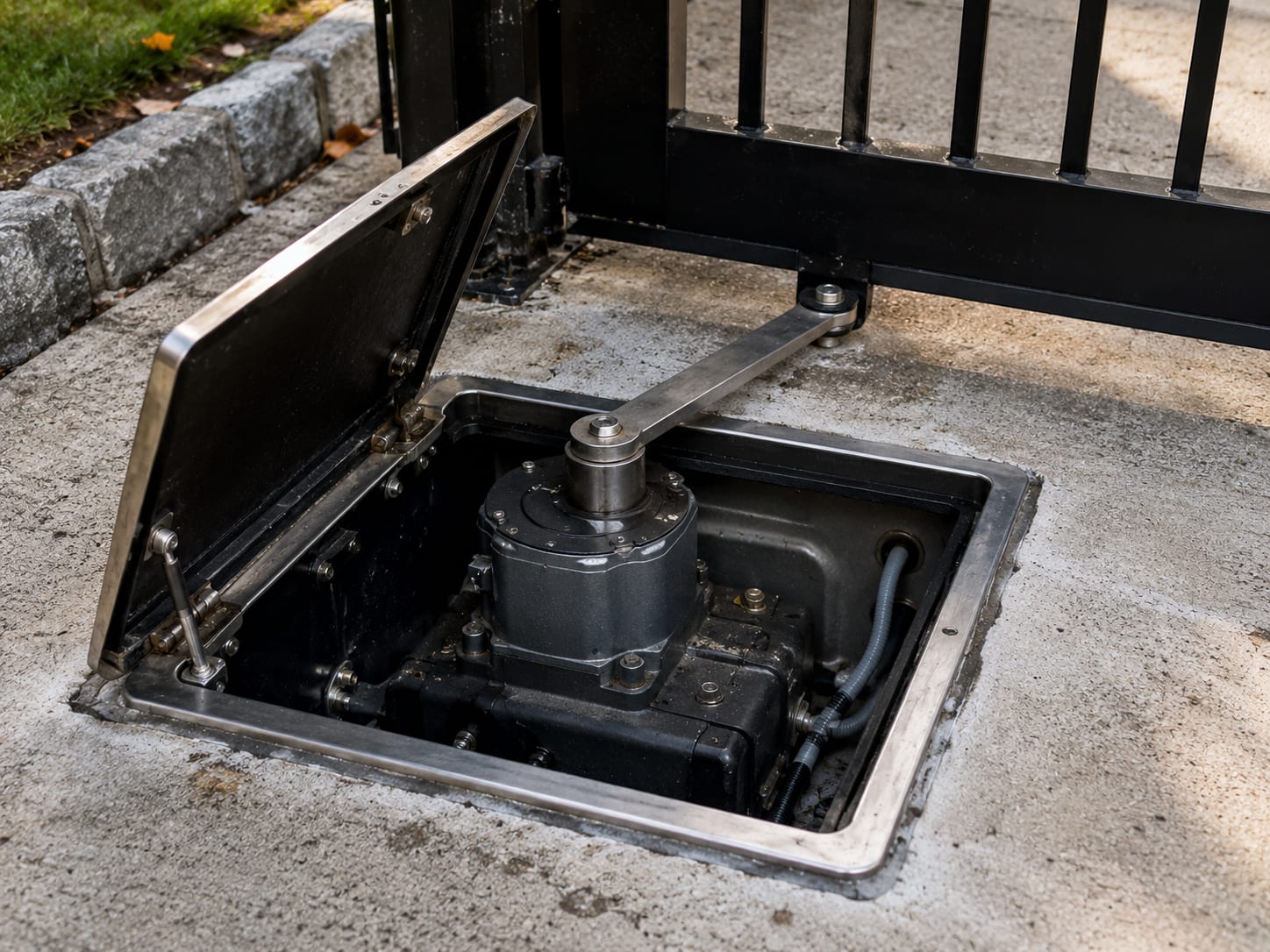
Once power is connected, we program the open and close limits on each motor. These limits tell the motor exactly how far the gate needs to travel to reach fully open and fully closed positions. We also configure the force settings so the motor has enough power to move the gate without overworking itself, and set the safety reversal so the gate stops if it contacts an obstruction.
We cycle the gate repeatedly using every access method you have, remotes, keypad codes, and any intercom trigger, to confirm consistent operation. We check that the two motors on a dual-leaf gate open and close in proper sequence. Then we walk you through basic operation, explain what normal sounds like, and tell you what to watch for over the first few weeks of use.
FAAC and Viking: The Brands Behind the Work
FAAC is an Italian manufacturer with a long track record in inground gate automation. Their inground hydraulic operators are used in residential and commercial installations across North America and Europe. FAAC's 770 line and Viking's I-770 and I-8 are electromechanical units, so the drive is a sealed gear head rather than a fluid system across the full range of motion. A sealed gear head also handles the back-pressure well when wind catches a gate mid-swing.
Viking Access Systems is a domestic manufacturer focused specifically on the North American market. Viking inground units are engineered with North American soil conditions and electrical standards in mind. Their sealed chamber design and internal drainage system are built to handle the soil movement and moisture variation common to the Hudson Valley region.
Using established brands matters for two practical reasons. First, parts are available. If a seal wears out or a circuit board needs replacing five years from now, we can get the component. Off-brand or discontinued motors often leave homeowners without repair options. Second, manufacturer technical support exists. When a complex installation has an unusual variable, we can reach the manufacturer directly rather than guessing.
We work with both brands because they each have strengths depending on the application. Gate weight, post configuration, access control requirements, and site drainage all factor into which unit we recommend for a specific installation.
What Sets Portillo Fences and Gates Apart on This Work
Inground motor installation is a specialty. Most general fence contractors do not offer it, and some that claim to have limited field experience with the excavation and drainage requirements specific to this type of job. We install these systems regularly across Westchester, Putnam, Dutchess, and the surrounding counties, and we know how soil conditions and frost depth vary across those service areas.
We are licensed and insured, which matters on any job that involves excavation and electrical wiring near your foundation or driveway surface. You want documentation that the company doing the work is accountable for it.
We also handle the complete project ourselves. We do not bring in a separate electrician or sub out the access control portion. Gate installation, motor installation, wiring, and access control integration are all done in-house. That means one point of contact if something needs adjustment, and no confusion between trades if a problem comes up after the job is done.
Because we also install and repair fencing, automatic gates, access control, and DoorBird systems, we understand how an inground motor fits into the larger entrance design. If you want a gate, a motor, a keypad, and an intercom all working together, we can plan and install the whole system from the start rather than bolting components together one at a time.
Frequently Asked Questions
These are the questions we get most often from homeowners and property managers considering inground motors for the first time.
Can an inground motor be added to an existing gate, or does the gate need to be new?
We can add an inground motor to an existing gate in many cases. The key variables are gate weight, gate condition, and post placement. We need to confirm that the existing gate post is positioned correctly relative to where the motor chamber will sit, and that the gate itself is in good structural shape. A gate with worn hinges or a warped frame will not perform well with any motor system, so we address those issues before the motor goes in.
How does drainage work inside the underground chamber?
Both FAAC and Viking design their chambers with internal drainage provisions. The motor housing sits above a drainage sump, and the chamber walls direct water away from the motor unit itself. We account for soil type and driveway grade during installation to make sure water flows away from the chamber rather than pooling toward it. In clay-heavy soils, which are common in this region, we take additional steps to improve drainage around the chamber perimeter.
What happens if power goes out?
Both FAAC and Viking inground motors can be released manually in a power outage using a dedicated release key that comes with the unit. The gate can then be moved by hand. Some installations also include a battery backup that allows the motor to continue operating for a period after power goes out. We discuss backup options with every customer during the planning stage so you know exactly what to expect before the job starts.
Does an inground motor work with a gate that swings outward instead of inward?
Yes. Inground motors are available in configurations for both inward-swinging and outward-swinging gates. The motor placement and the piston orientation differ between the two, which is one reason site assessment matters before we order equipment. If your driveway slopes away from the street, an outward-swinging gate may actually be the safer configuration, and the inground motor can be spec'd accordingly.
How long does an inground motor installation typically take?
Most residential inground motor installations take one to two days on site. A single-leaf gate with straightforward access control takes less time than a dual-leaf gate with loop detectors, intercom integration, and a new concrete pad. We give you a specific time estimate after we see the site. We also factor in curing time if new concrete is needed for the chamber, which affects when the gate can go back into active use.
What maintenance does an inground motor need?
Inground motors are relatively low maintenance. An annual inspection is a reasonable practice. We check the drive unit and seals, inspect the chamber for moisture intrusion, verify the limit settings are still accurate, and test the safety reversal function. Keeping debris clear of the chamber lid and checking that the drainage path is not blocked by soil erosion or landscaping growth are the main things a homeowner can do between professional service visits.
Can the inground motor connect to a smart home system or phone app?
The motor itself connects to a gate control board, and that control board can connect to a wide range of access control devices, including Wi-Fi or cellular-connected receivers that allow smartphone operation. We install access control systems and can integrate your inground motor into an app-based entry system if that is part of what you want. We also install DoorBird intercom systems, which allow video and audio communication from your gate to your phone.
Do I need a permit for an inground motor installation in New York?
Permit requirements vary by municipality. Some towns in Westchester, Putnam, and Dutchess counties require a permit for gate automation, especially if electrical work is involved. Others do not. We are familiar with the requirements across our service area and can tell you what to expect in your specific town before work starts. Where permits are required, we factor that into the project timeline.
Service Area
Portillo Fences and Gates installs inground motors throughout Putnam, Westchester, Dutchess, Orange, Ulster, and Rockland counties. Our service area includes Brewster, Carmel, Mahopac, Pawling, Beacon, Poughkeepsie, Wappingers Falls, Newburgh, Middletown, New Paltz, Kingston, White Plains, Port Chester, Ossining, Peekskill, Mount Kisco, Tarrytown, New City, Spring Valley, Suffern, and Yonkers.
- Brewster, NY
- Carmel, NY
- Mahopac, NY
- Pawling, NY
- Beacon, NY
- Poughkeepsie, NY
- Wappingers Falls, NY
- Newburgh, NY
- Middletown, NY
- New Paltz, NY
- Kingston, NY
- White Plains, NY
- Port Chester, NY
- Ossining, NY
- Peekskill, NY
- Mount Kisco, NY
- Tarrytown, NY
- New City, NY
- Spring Valley, NY
- Suffern, NY
- Yonkers, NY
Ready to Get Started?
Contact Portillo Fences and Gates to schedule your inground motor consultation.