

Commercial Fencing That Holds Up to Real-World Demands
What Commercial Fencing Actually Does for Your Property
Commercial fencing is not residential fencing with a bigger price tag. It is a different category of product, installed to different standards, and designed to handle the wear that comes with high-traffic properties, liability concerns, and security requirements that most homeowners never face.
When a business owner, property manager, or general contractor contacts us about a fencing project, the first conversation is almost never about aesthetics. It is about function: keeping people out of restricted areas, defining property boundaries in a way that holds up legally and physically, meeting local code requirements, and sometimes satisfying insurance or compliance obligations.
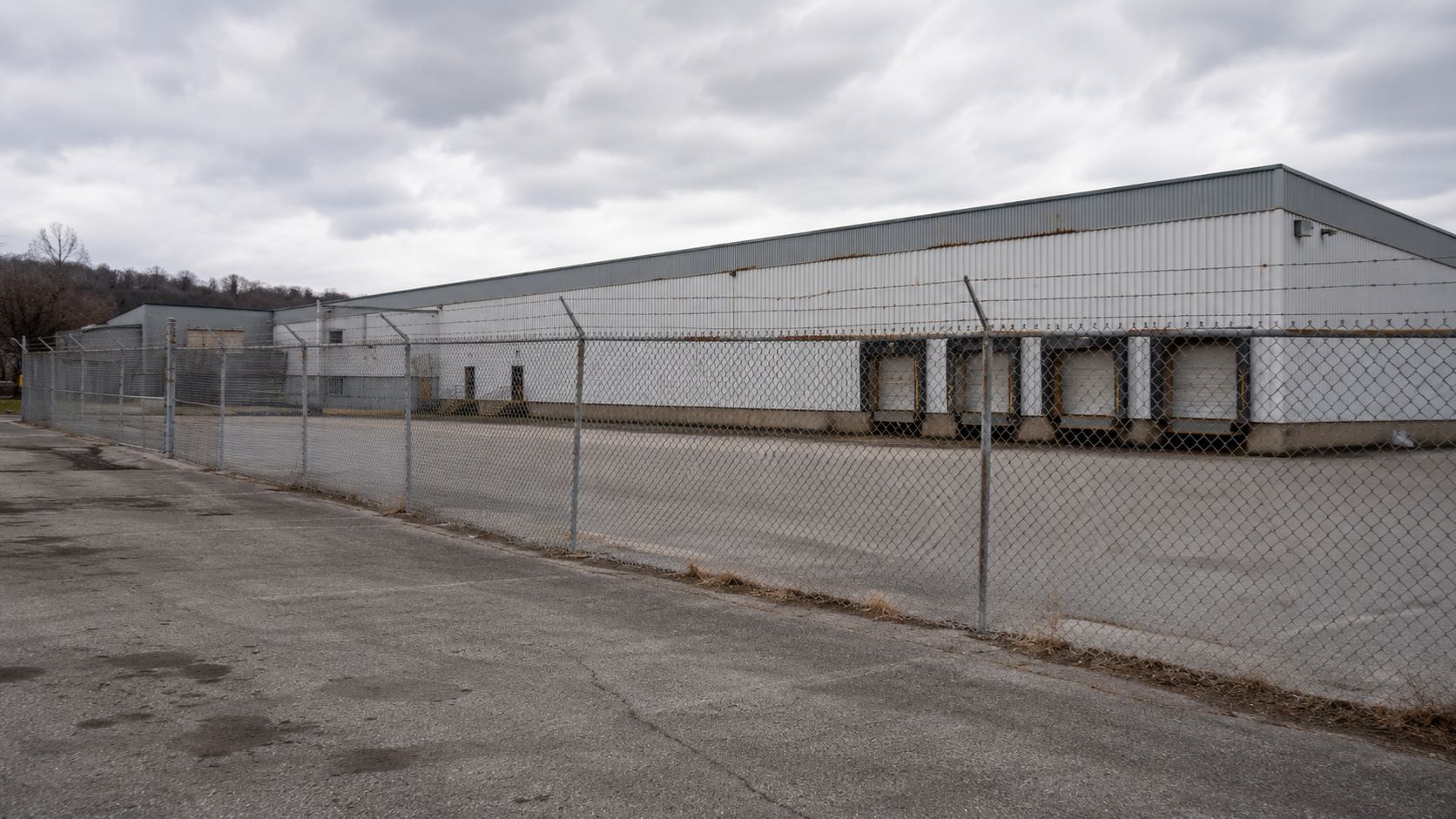
Portillo Fences and Gates installs commercial fencing for a wide range of property types across Westchester, Putnam, Dutchess, Orange, Ulster, and Rockland counties. Warehouses, retail centers, multi-family housing, industrial yards, contractors' laydown areas, and more. Each project gets the same attention to post depth, material selection, and code compliance, because a fence that fails costs you more than the fence itself.
Commercial Fencing Options We Install
The right material depends on your site conditions, security needs, budget, and how the property presents to visitors or clients. Here is a breakdown of each option and where it works best.
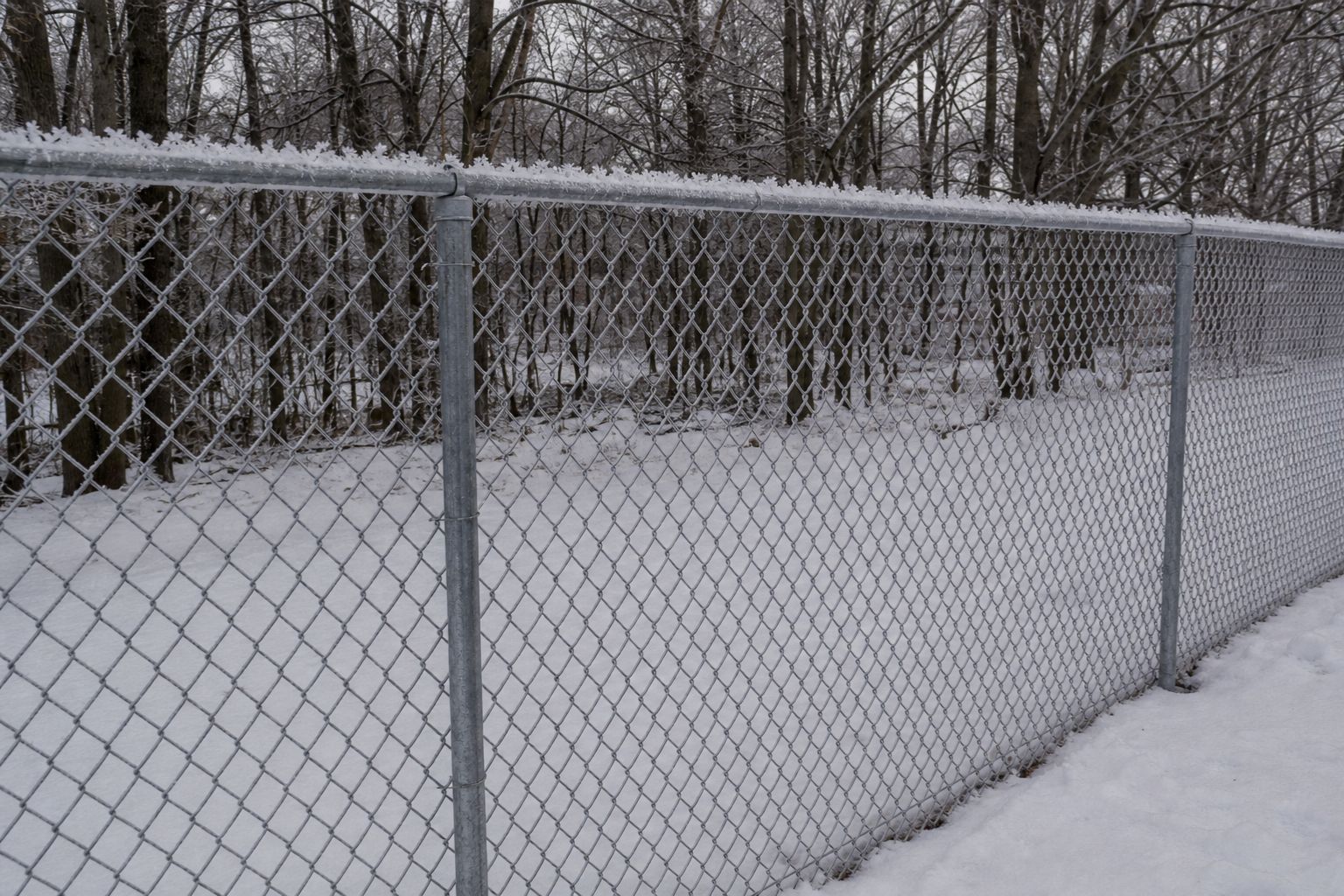
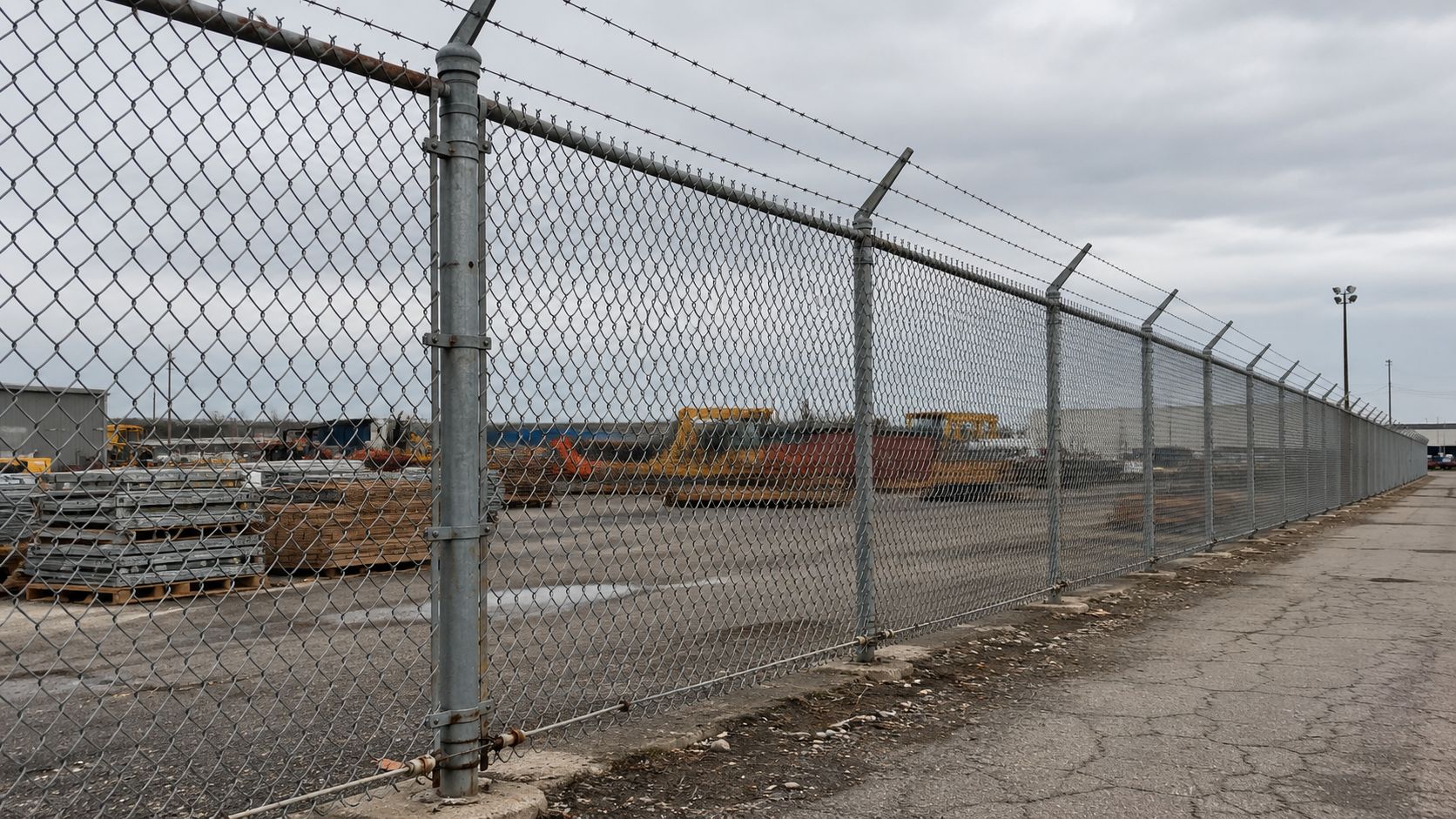
Chain link is the workhorse of commercial fencing. It installs quickly, performs reliably over decades, and covers large perimeters cost-effectively. We install galvanized and vinyl-coated chain link in a range of heights, with options for barbed wire or razor ribbon topping where code and zoning allow. Common applications include industrial yards, storage facilities, utility enclosures, and contractor staging areas.
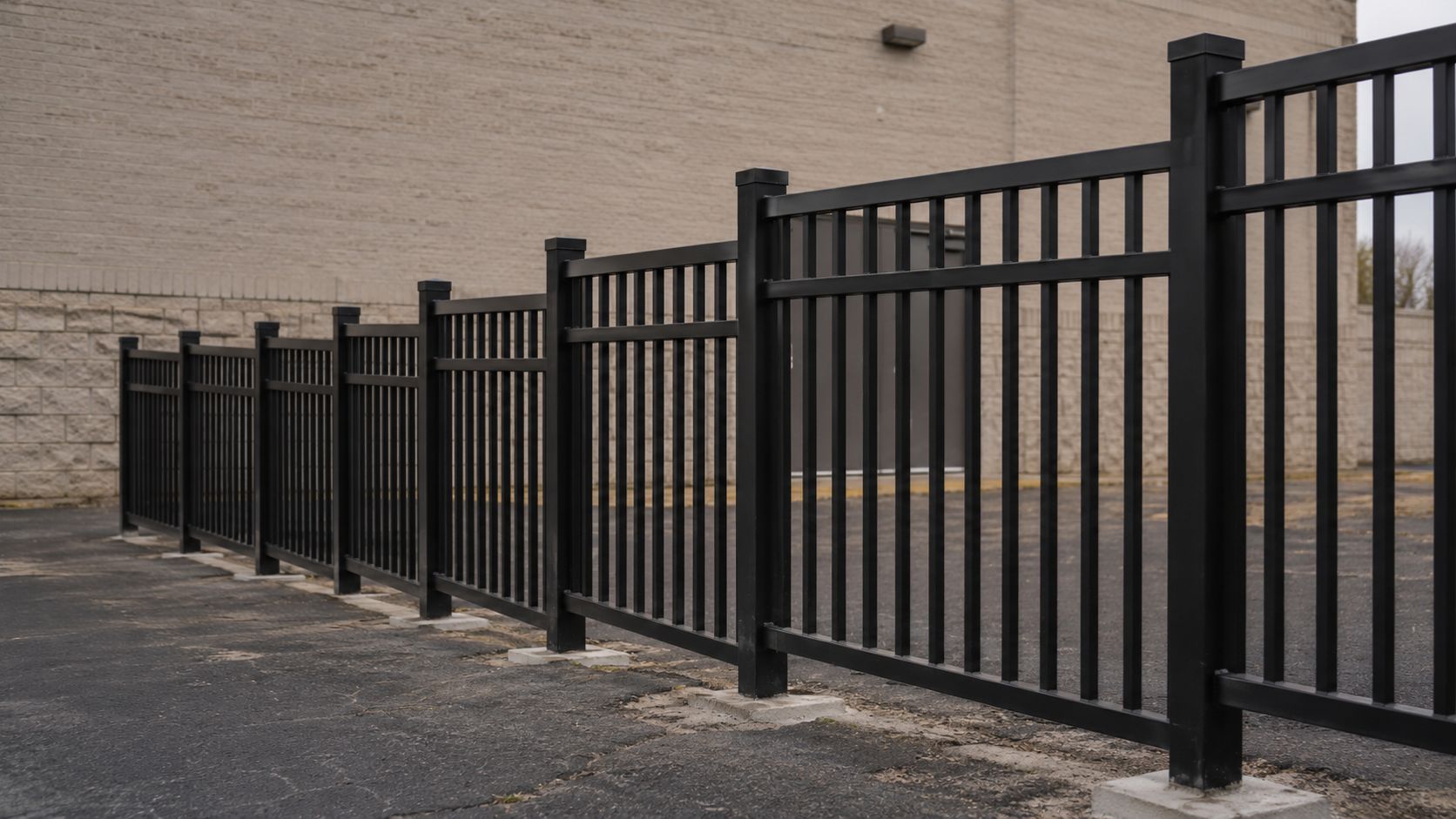
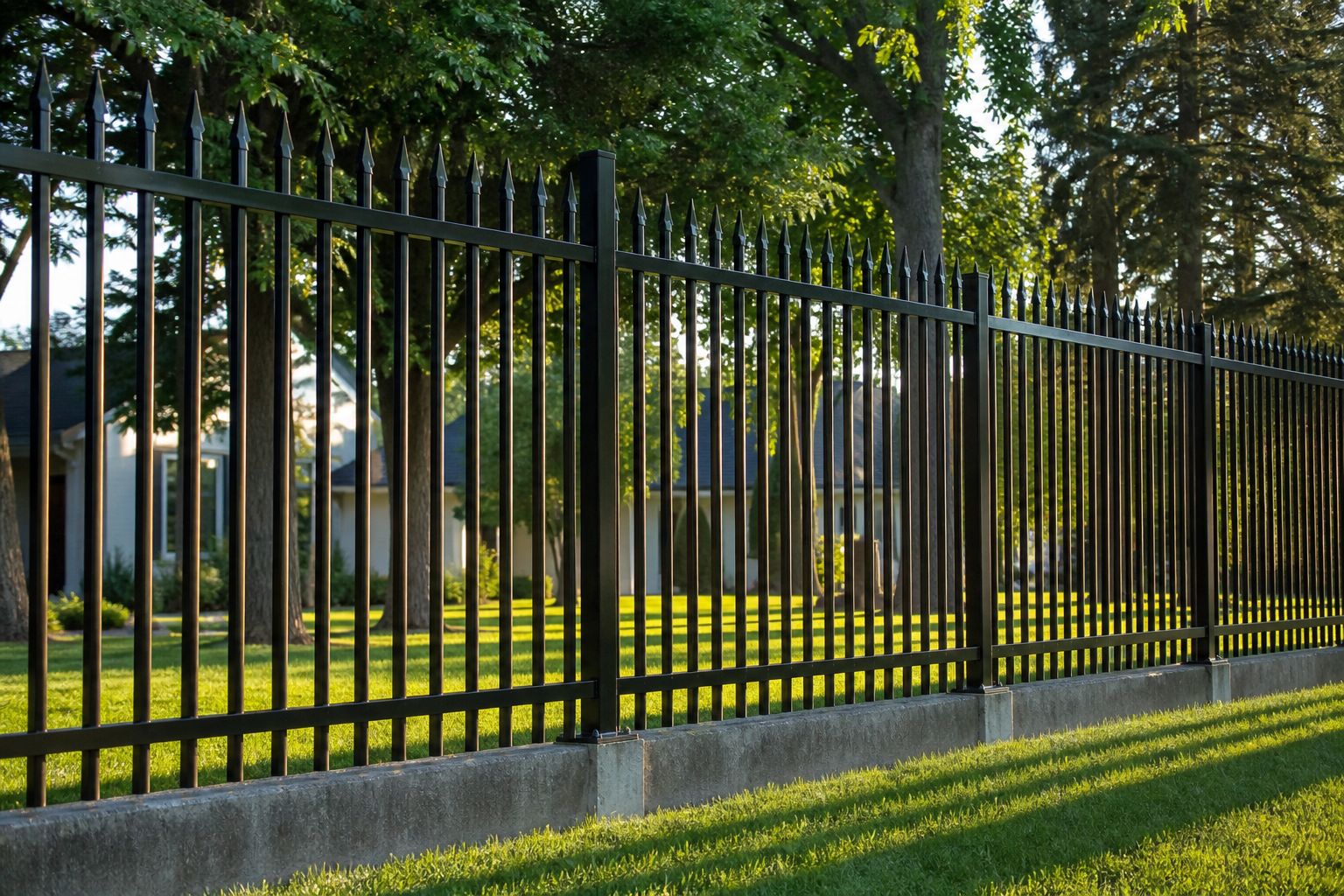
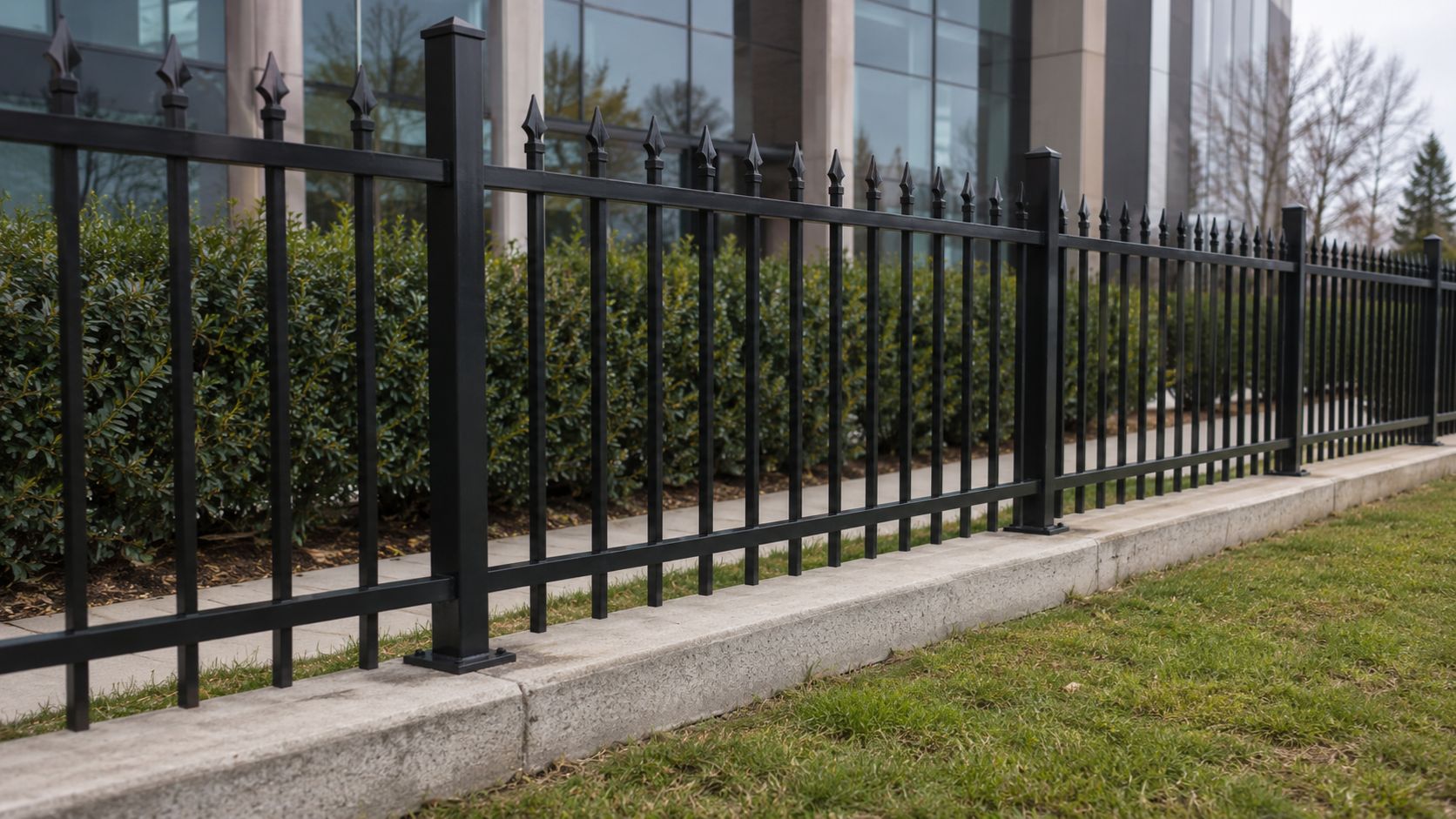
Powder-coated aluminum gives commercial properties a clean, professional appearance without the maintenance demands of iron or steel. It resists corrosion, holds its finish in harsh weather, and is available in ornamental styles suited to office parks, retail properties, and multi-family communities. We match specific heights and panel designs to your site requirements.
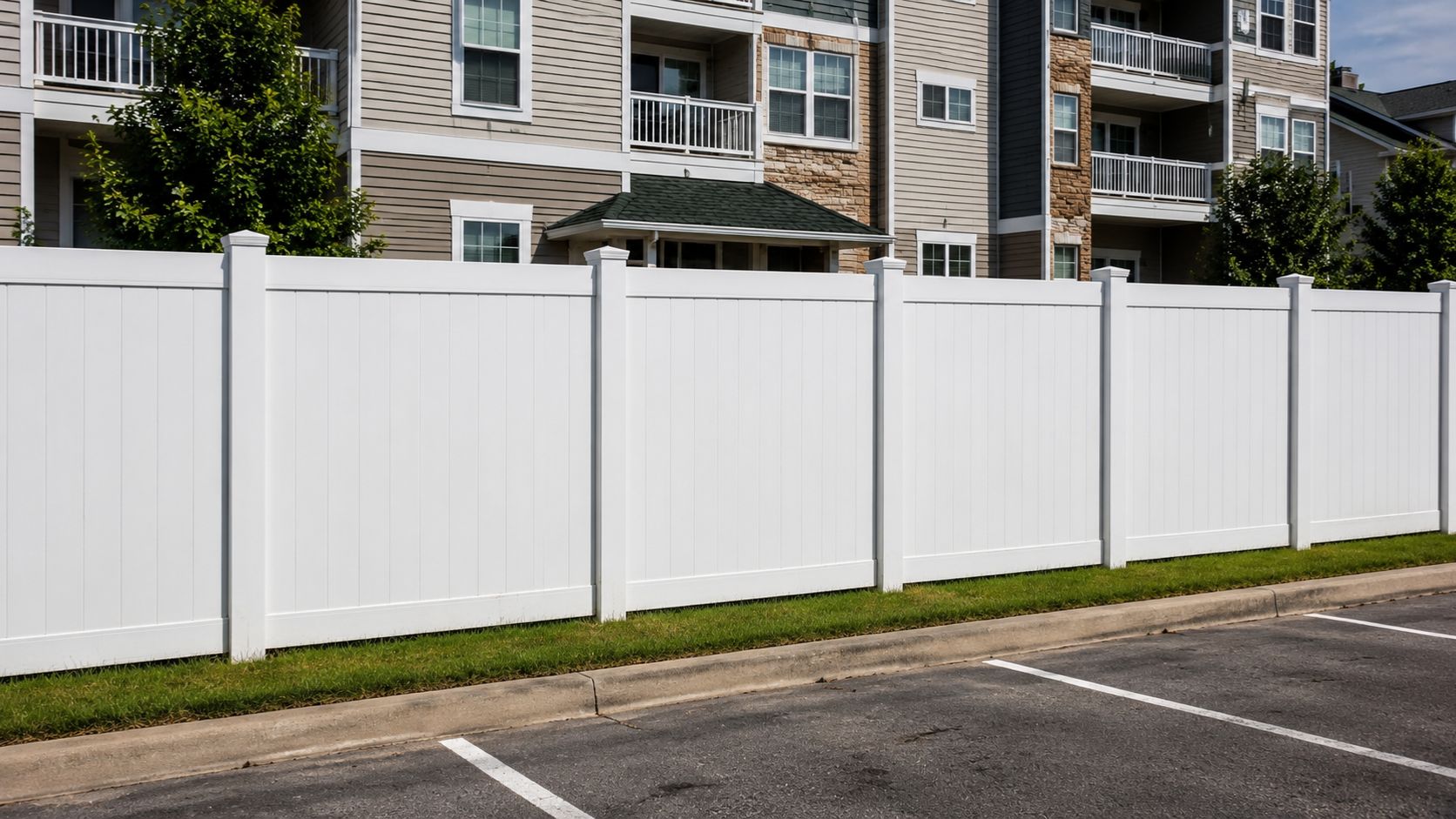
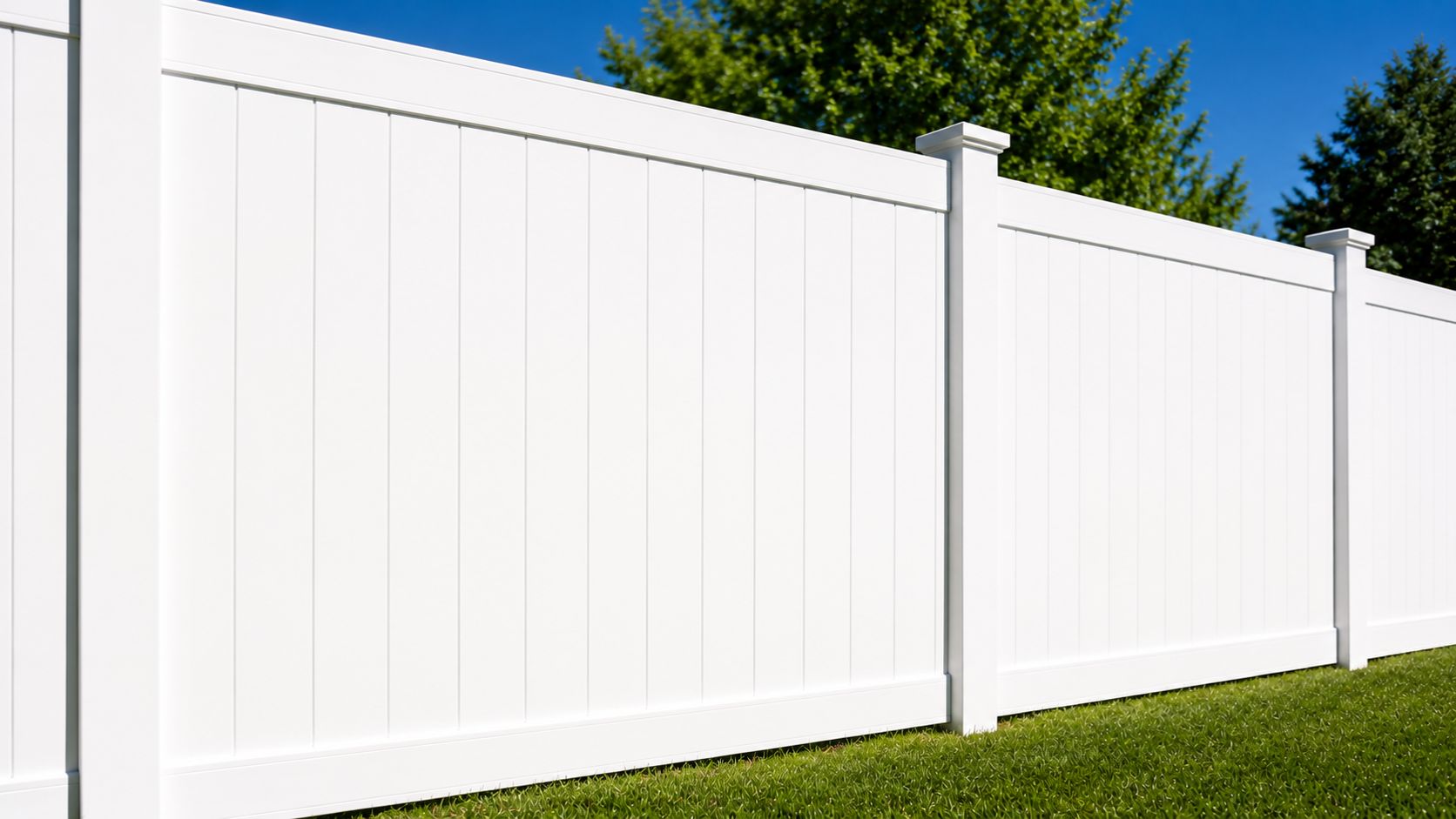
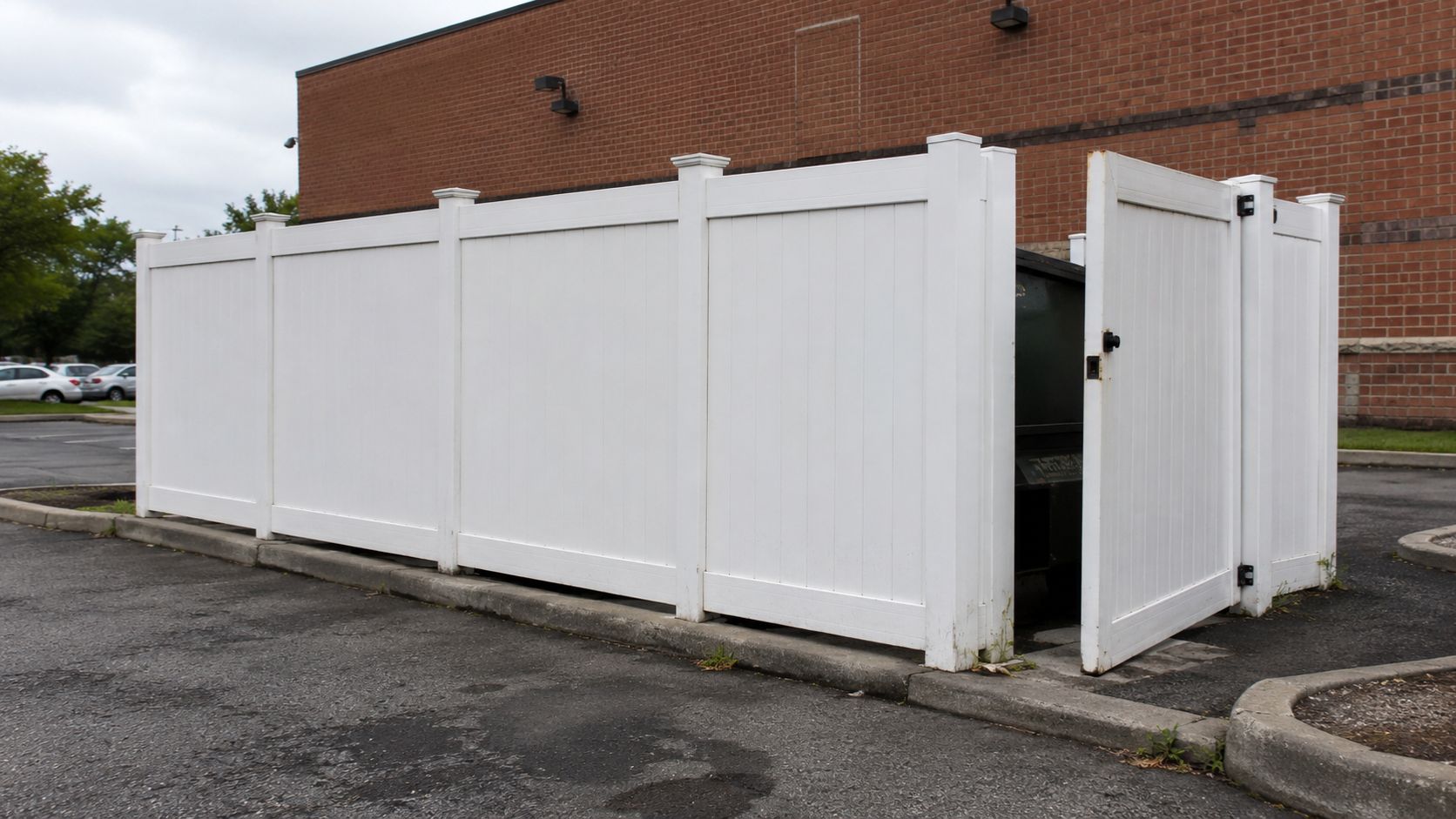
Vinyl works well for commercial properties where privacy is a priority and visual appeal matters. It does not rot, splinter, or require painting, which lowers long-term maintenance costs compared to wood. We install vinyl privacy and semi-privacy styles for property perimeters, dumpster enclosures, and tenant-facing fencing at apartment complexes.
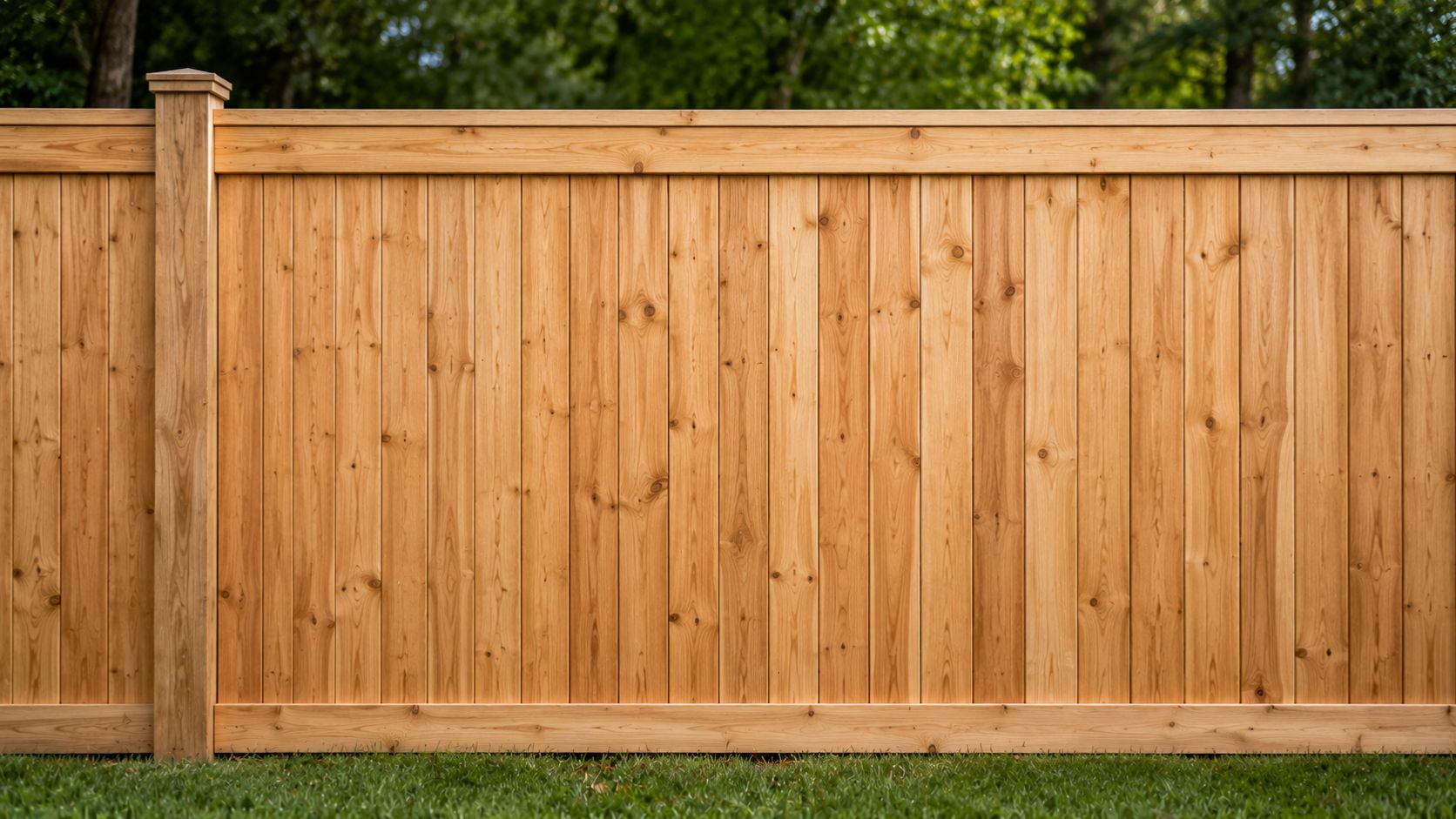
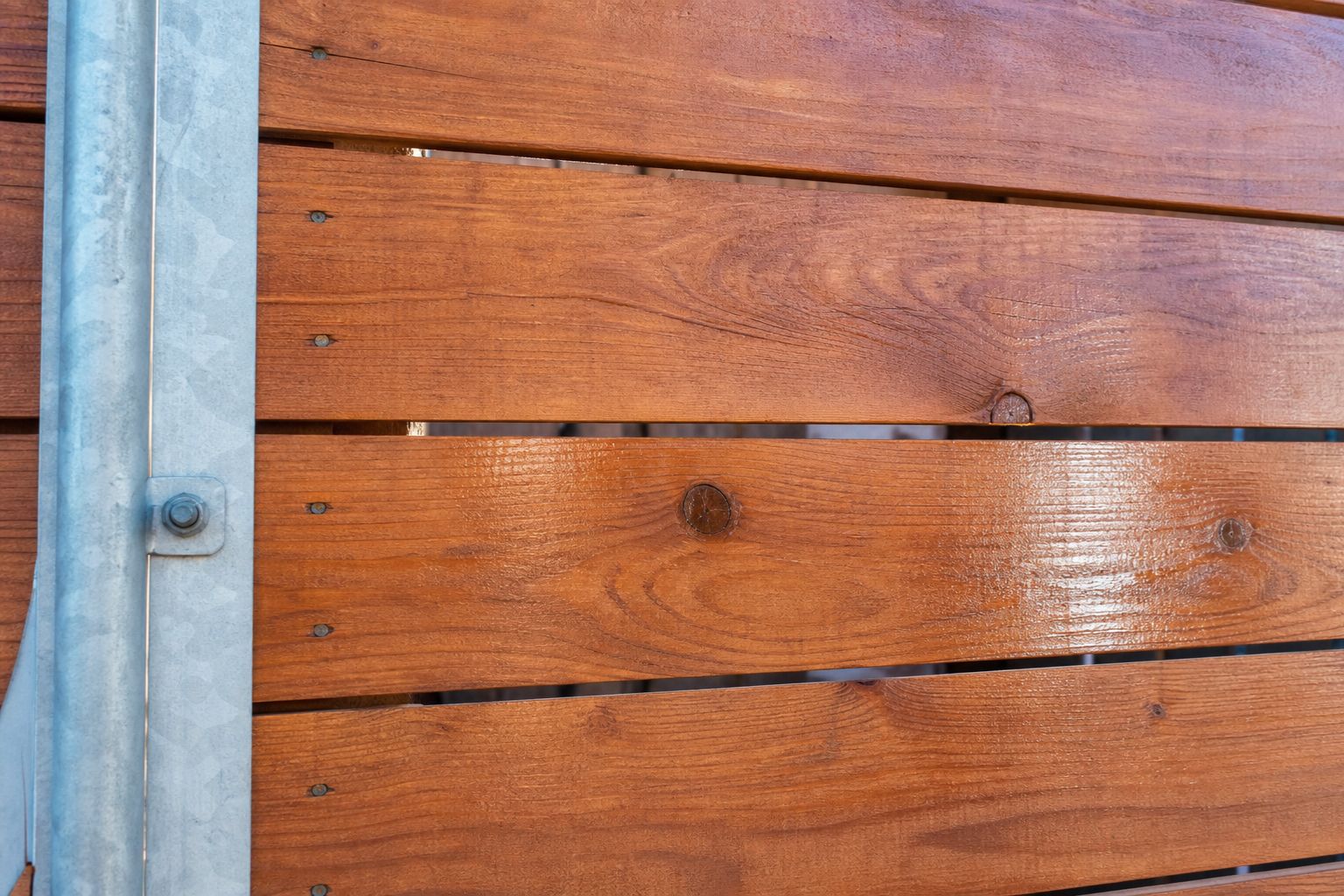
Wood remains a practical choice where a warmer aesthetic is needed or where budget is a factor. We use pressure-treated lumber rated for ground contact and dig posts to the correct depth for local soil conditions and frost line. Common commercial applications include privacy screening, service-area enclosures, and smaller commercial properties.
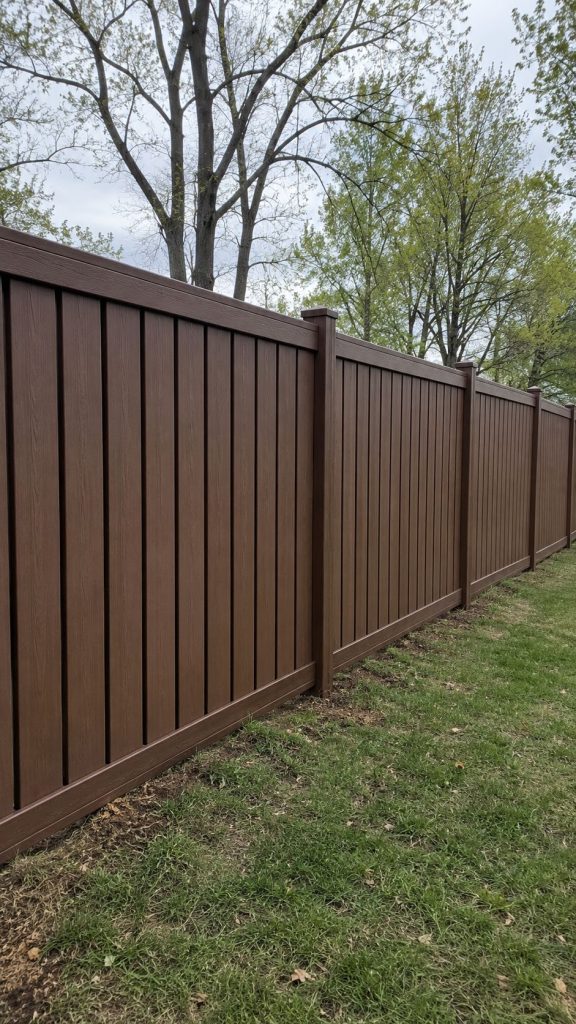
Some commercial sites have requirements that standard panel systems cannot address. Irregular lot shapes, grade changes, unusual height requirements, or architectural specifications sometimes call for a custom solution. We fabricate and install custom fencing designed around your actual site conditions rather than fitting your property into an off-the-shelf product.
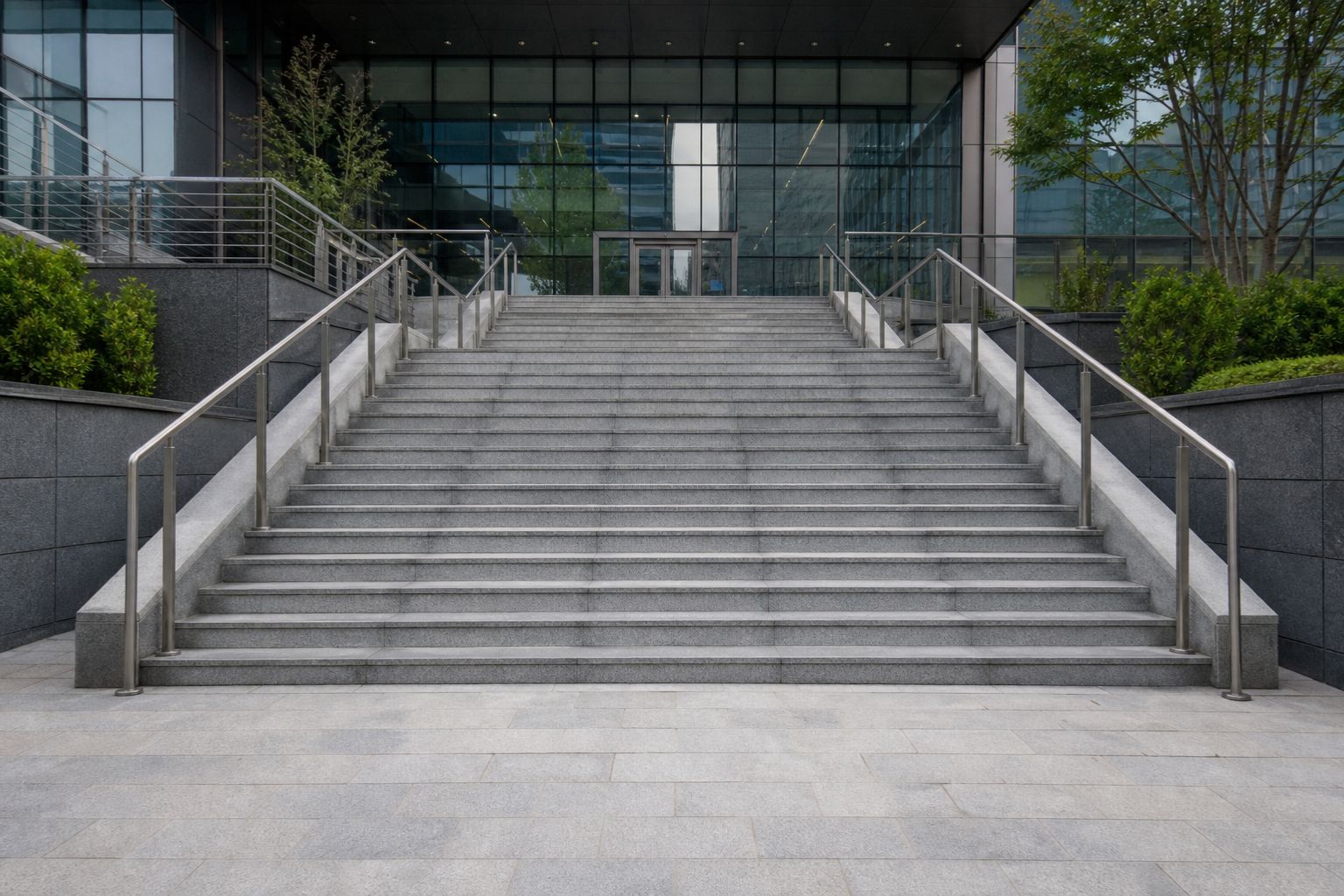
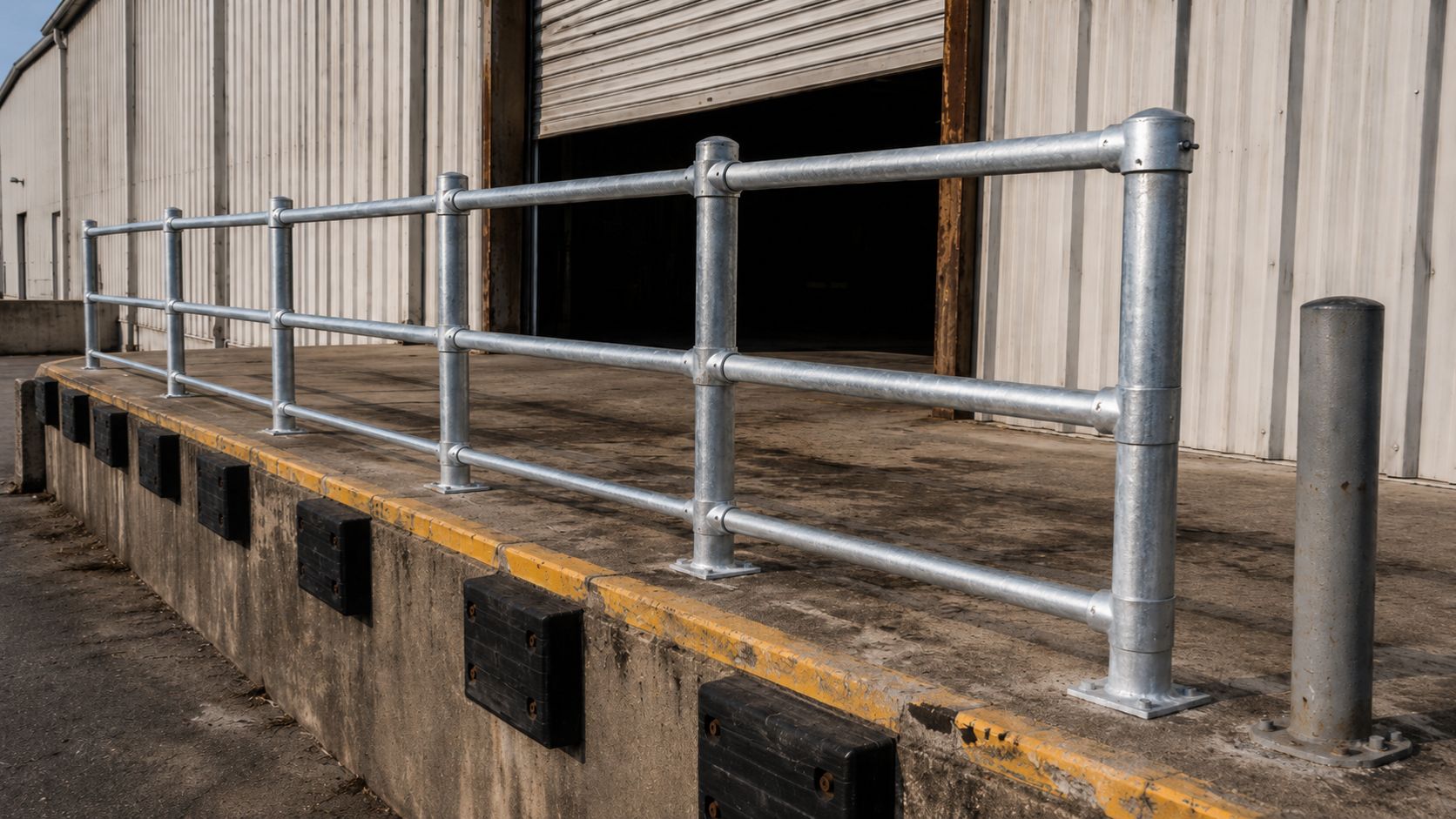
Commercial properties frequently need perimeter railings, stairway railings, loading dock barriers, or decorative steel elements built to ADA or local building code specifications. We install steel railings to those standards and offer galvanizing services that protect steel against corrosion for decades. In a region with cold winters and road salt exposure, galvanizing pays for itself by significantly extending the service life of outdoor steel components.
Gate Systems for Commercial Properties
A fence without a proper gate system is an incomplete solution for most commercial properties. We install and service a full range of commercial gate systems, and the details here matter for both security and day-to-day operations.
Slide operators and arm operators handle vehicle access for driveways, loading areas, and parking facilities. The right choice depends on driveway width, available clearance, traffic volume, and power supply. We assess those conditions during the site visit and recommend a system that will perform reliably under your specific usage load.
Automatic gate systems can be integrated with access control platforms including keypad entry, card readers, and DoorBird intercom systems. DoorBird combines video intercom, remote unlock capability, and visitor logging into a single unit that connects to a smartphone. Property managers and business owners can see who is requesting access and grant or deny entry from anywhere.
Inground motor installations are available for properties where an above-ground operator is not practical or where aesthetics require a cleaner look. These are more common on upscale commercial and multi-family properties where a visible arm operator would not fit the visual standards of the development.
We also handle gate repair for existing commercial systems. A gate that is sluggish, misaligned, or failing to close reliably is both a security gap and a liability issue. We diagnose and repair the mechanical and electronic components.
How the Commercial Fencing Process Works
Commercial fencing projects involve more moving parts than residential work. Here is how we handle a commercial job from first contact to finished installation.
We visit your property to evaluate the full scope of work, including measuring the perimeter, checking grade changes, noting underground utilities, reviewing access points, and discussing what the fence needs to accomplish. This visit shapes the entire recommendation, from material choice to post spacing to gate placement.
Commercial fencing in New York often requires permits, and the requirements vary by municipality. We are familiar with zoning and building code requirements across our service area and identify what permits are needed before any work begins. Starting a job without the right approvals can mean costly removals and reinstallations, so we treat this step as non-negotiable.
After the site visit and permit review, we provide a written proposal outlining materials, installation methods, gate systems, and timeline. Commercial projects sometimes involve phased installations or coordination with other contractors on active job sites, and we account for that in how we present the work.
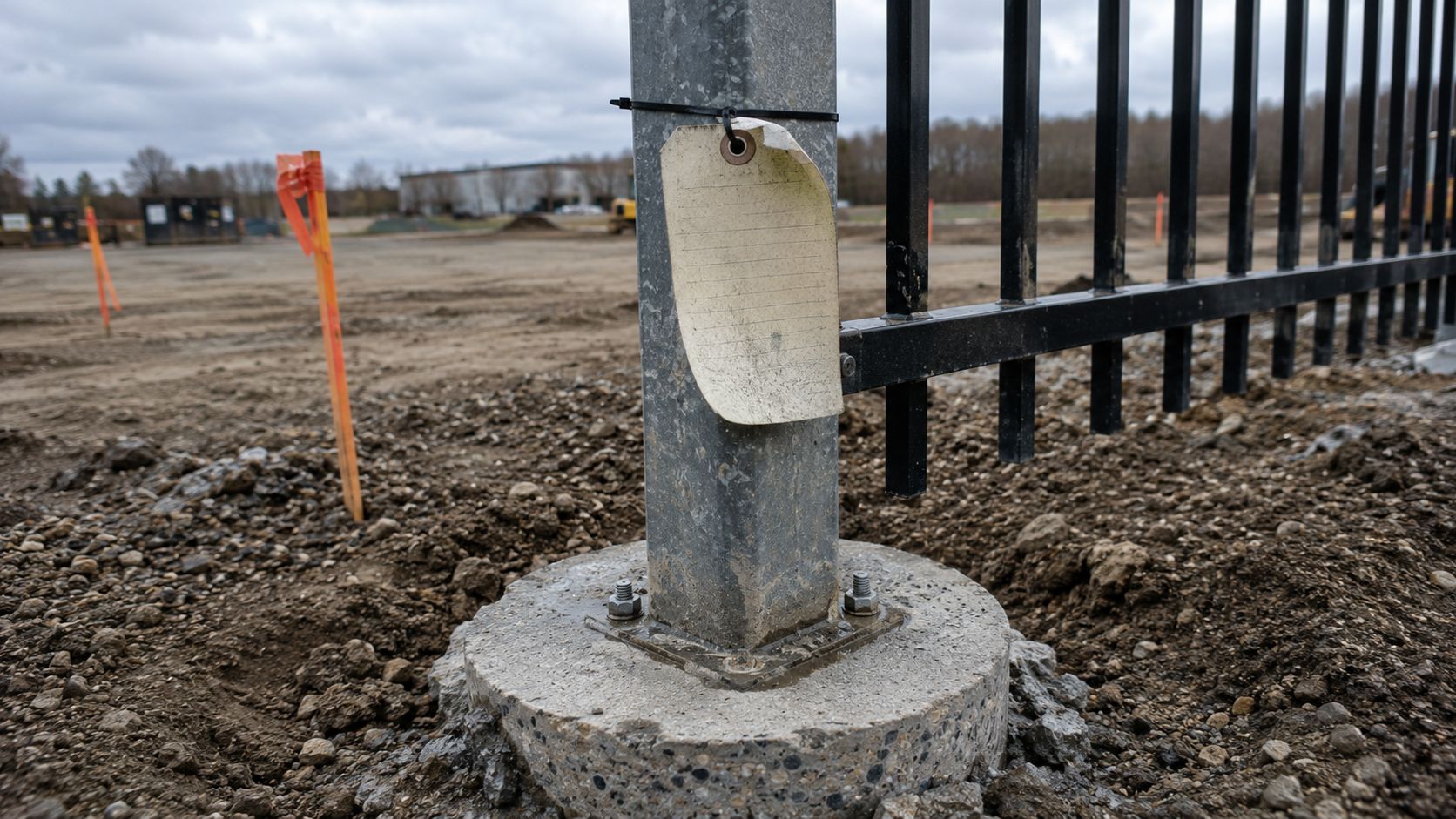
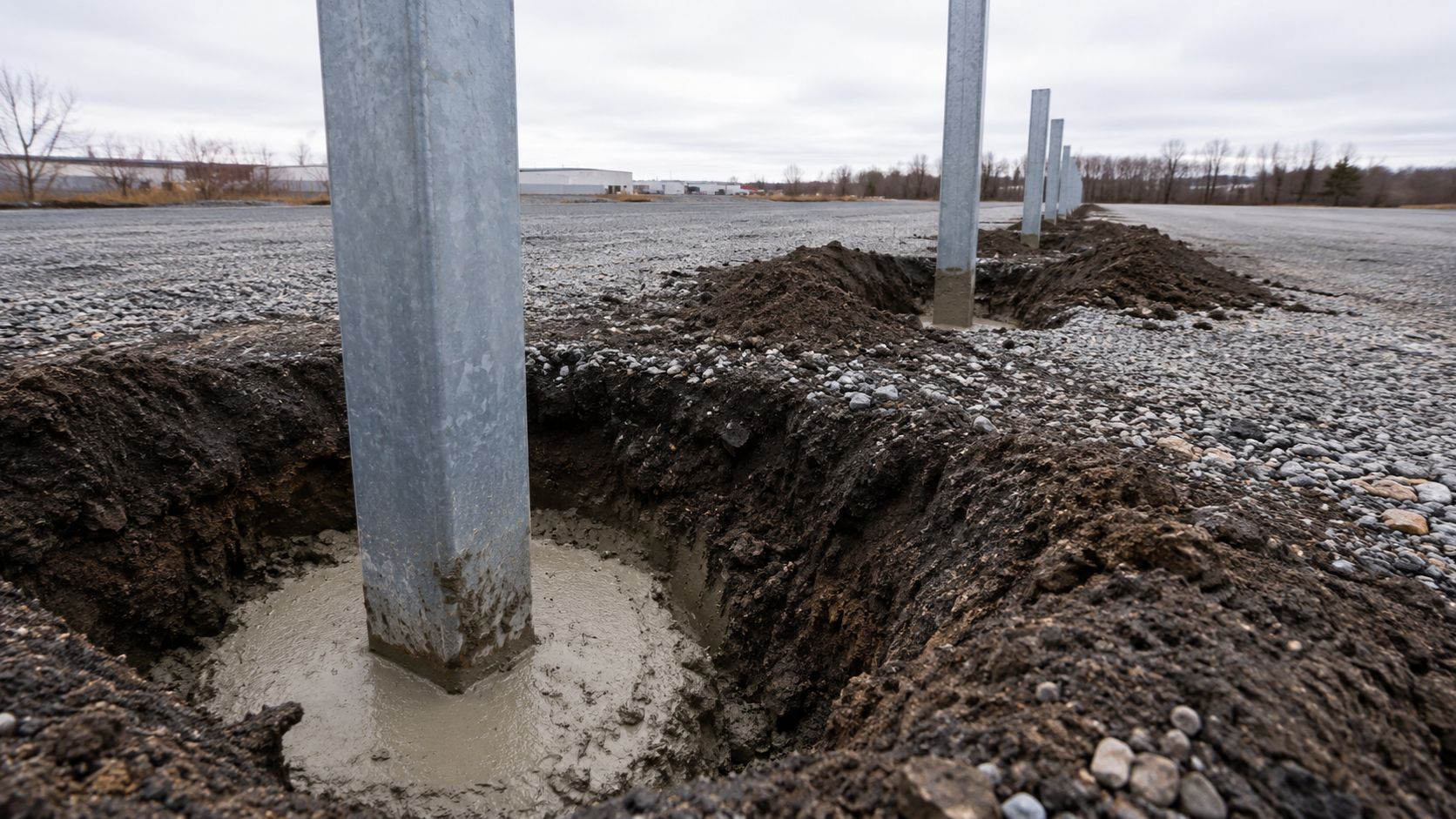
We dig posts to the appropriate depth for the fence height and load it will carry, set them in concrete, and allow proper cure time before attaching panels. Commercial-grade hardware is used throughout. For gate systems, we complete the mechanical installation and then program and test all electronic components before calling the job done.
Before we leave, we walk the completed fence line with you or your site manager to confirm alignment, confirm gate operation, and answer any questions about maintenance or access control programming. If anything does not meet your expectations, we address it on the spot.
Why the Right Contractor Matters More on Commercial Jobs
Residential fencing mistakes are inconvenient. Commercial fencing mistakes compound over time and can affect your liability exposure, your insurance standing, and your ability to pass inspections.
Post depth is one of the clearest examples. A residential fence post set too shallow might lean after a few years. A commercial fence post set too shallow on a high-traffic industrial site can fail under load, which creates a real safety issue. We set commercial posts to depths that account for fence height, wind exposure, and the soil conditions on your specific property.
Material specification requires similar precision. Not every aluminum panel or vinyl system is rated for commercial-height installations. Chain link gauge, post diameter, and hardware weight class all affect how a fence performs over years of use. We spec materials appropriate to the application, not the cheapest option that technically fits the opening.
Coordination with other trades also matters on commercial sites. If you are a general contractor managing an active project, you need a fencing subcontractor who shows up on schedule, communicates clearly, and does not create problems for other trades. We are straightforward about what we need from the site, what we will and will not do, and when the work will be completed.
We are licensed and insured, which is a baseline requirement for any commercial project. It protects you from liability if something goes wrong during installation and is what your insurance carrier and general contractor expect to see before work begins.
What Sets Portillo Fences and Gates Apart
There are a lot of fencing contractors in the Hudson Valley. Here is what shapes how we work and why commercial clients return for additional projects.
We work with chain link, aluminum, vinyl, wood, custom fabrication, steel railings, and galvanized products. Most commercial sites need more than one material type or a combination of fencing and gate systems. Having all of that under one contractor simplifies coordination and accountability.
Many fencing contractors install fences. Fewer have real experience with automatic gate systems, inground motors, slide and arm operators, and DoorBird intercom integration. We install and service the full system, so you are not managing two separate companies when something needs attention.
Our service area spans multiple counties, and fencing code requirements differ from one municipality to the next. Height limits, setback rules, permit thresholds, and pool fence requirements are not uniform. We know the relevant rules in the communities we work in and apply them correctly from the start.
We do not low-ball proposals to win jobs and then build in change orders once we are on site. If a project requires specific materials, deeper posts, or additional permits, we say so upfront. Commercial clients need accurate numbers to manage budgets, and we respect that.
Commercial projects often move on a schedule driven by other trades, inspections, or tenant move-in dates. We stay reachable, return calls and emails promptly, and flag issues early rather than letting them become schedule problems.
We are not just an installation company. If your commercial fence or gate system needs repair down the road, whether from vehicle damage, weather, or normal wear, we can handle it. Having the same contractor for installation and repair means someone who already knows your system and can address issues efficiently.
Our Commercial Service Area
We install commercial fencing throughout the Hudson Valley and surrounding region, including Westchester, Putnam, Dutchess, Orange, Ulster, and Rockland counties. Specific communities in our service area include Brewster, Carmel, Mahopac, Pawling, Beacon, Poughkeepsie, Wappingers Falls, Newburgh, Middletown, New Paltz, Kingston, White Plains, Port Chester, Ossining, Peekskill, Mount Kisco, Tarrytown, New City, Spring Valley, Suffern, and Yonkers.
Each of these areas has its own local building departments, permit requirements, and zoning codes. Familiarity with the specific rules in each community keeps your project on schedule and compliant from the start. If your commercial property is in or near any of the communities listed above, we can assess the site, identify applicable code requirements, and provide a detailed proposal for your fencing and gate needs.
- Brewster, NY
- Carmel, NY
- Mahopac, NY
- Pawling, NY
- Beacon, NY
- Poughkeepsie, NY
- Wappingers Falls, NY
- Newburgh, NY
- Middletown, NY
- New Paltz, NY
- Kingston, NY
- White Plains, NY
- Port Chester, NY
- Ossining, NY
- Peekskill, NY
- Mount Kisco, NY
- Tarrytown, NY
- New City, NY
- Spring Valley, NY
- Suffern, NY
- Yonkers, NY
Commercial Fencing FAQ
These are the questions we hear most often from business owners, property managers, and contractors planning a commercial fencing project.
Do I need a permit for commercial fencing in New York?
In most cases, yes. New York municipalities generally require building permits for commercial fence installations above a certain height, and the threshold varies by town or city. Some areas also restrict materials, fence placement relative to property lines, and maximum height by zone type. We identify what permits apply to your specific site and municipality before any work begins, protecting you from having to remove and reinstall non-compliant work.
What fence height is standard for commercial properties?
There is no single standard. Industrial and warehouse perimeters commonly use six- to eight-foot chain link, sometimes with barbed wire topping where local code permits. Retail and office properties often use four- to six-foot ornamental aluminum. Pool fencing at commercial properties must meet specific code minimums for self-closing gates and barrier height, which in many NY jurisdictions means at least four feet with specific gap and climb-resistance requirements. We spec height based on your application, your local code, and your security objectives.
Can you install fencing on an active construction or commercial job site?
Yes. Temporary and permanent perimeter fencing on active job sites is a routine part of our commercial work. We are experienced working around other trades, coordinate with your project timeline, show up when scheduled, and complete the work without creating holdups for the rest of the project.
How does an automatic gate system work with access control?
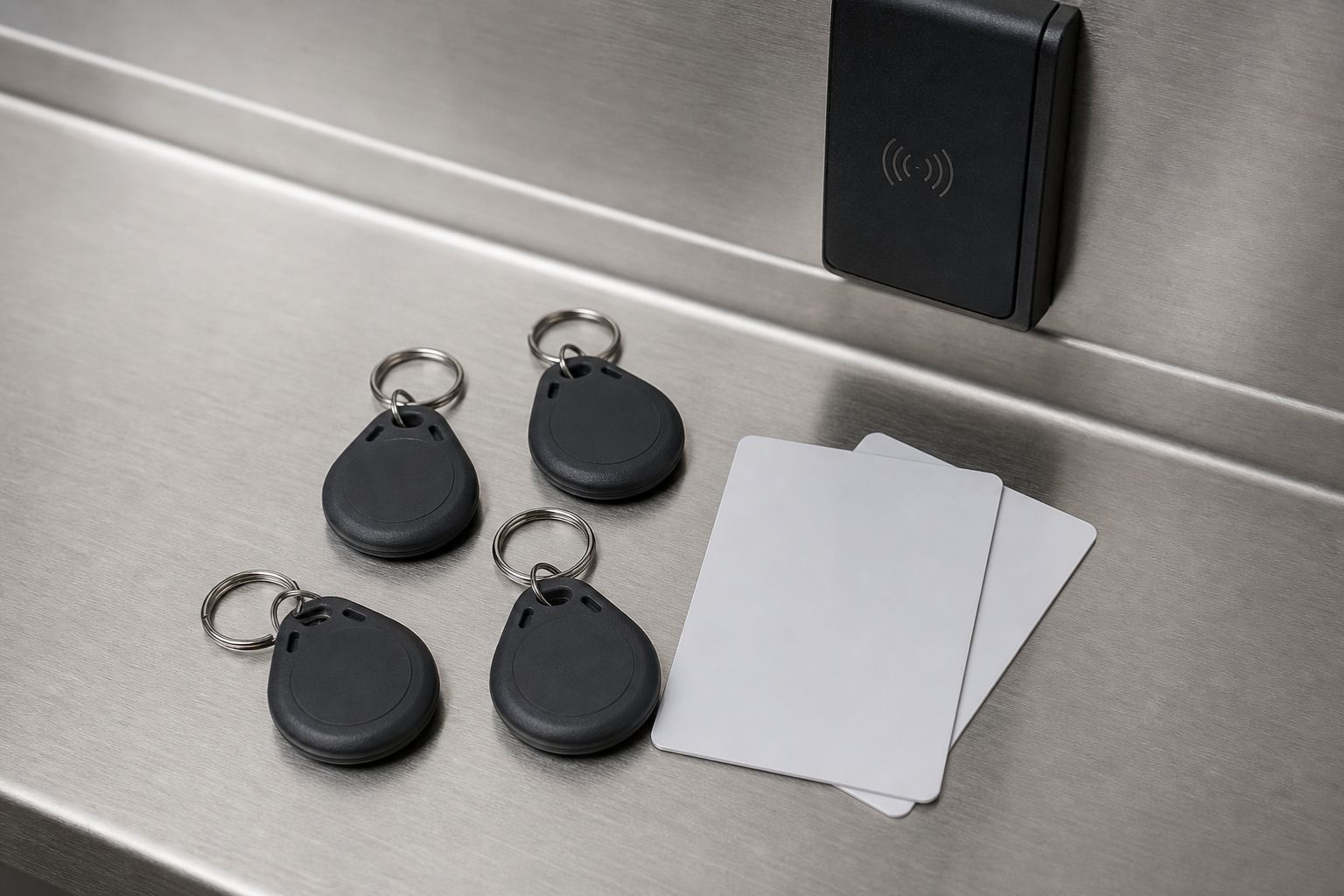
The gate operator, whether a slide or arm type, is the mechanical component that moves the gate. The access control system tells it when to open. That can be a keypad, key fob reader, card reader, or a video intercom like DoorBird. DoorBird integrates directly with smartphones, so a manager or owner can see who is at the gate via live video, communicate through the intercom, and grant remote access without being on site. We install the full system including the operator, access control hardware, and wiring.
What is galvanizing, and do I need it for my commercial fence?
Galvanizing coats steel in a layer of zinc to prevent rust and corrosion. In the Hudson Valley and Westchester area, where winter road salt, freeze-thaw cycles, and humidity create aggressive corrosion conditions, galvanizing significantly extends the service life of steel components like gate frames, railings, and custom fabricated elements. The upfront cost typically pays off by reducing repainting and early replacement for any steel that will be exposed to weather over many years.
How long does a commercial fencing installation take?
Timeline depends on the scope. A straightforward chain link perimeter on a cleared, flat lot moves faster than a project involving significant grade changes, custom fabrication, or automatic gate installation. We provide a realistic timeline in the proposal and flag any site conditions that could affect the schedule before we start. For time-sensitive projects, we discuss schedule constraints during the initial consultation so we can plan accordingly.
Do you work with general contractors and developers?
Yes, and a meaningful portion of our commercial work comes from general contractors who need a reliable fencing subcontractor for larger projects. We carry proper insurance coverage, provide documentation as needed for project records, and operate in a way that makes coordination straightforward. If you are a GC vetting fencing subs for a project in our service area, we are happy to talk through the scope and provide a competitive proposal.
Ready to Talk About Your Commercial Fencing Project?
Call us at (845) 282-3336 or send a message through our contact form. We cover the entire Hudson Valley and are ready to get your project moving.