

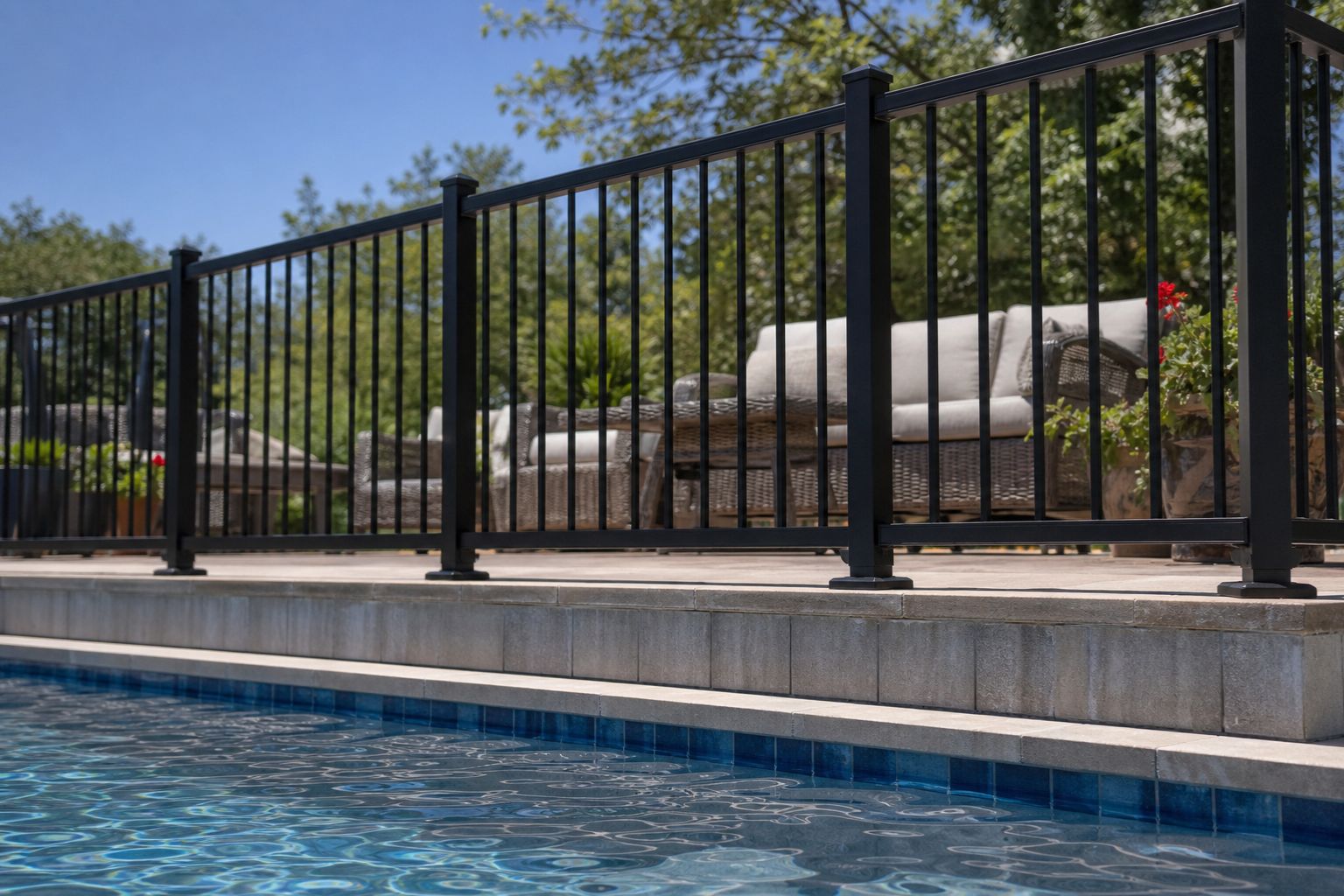
Railing Installation for Homes and Businesses Across the Hudson Valley
Railings That Do the Job and Look the Part
A railing isn't decorative. It's a safety feature, a code requirement, and often the first thing people notice about a deck, staircase, or entryway. When it looks worn, unstable, or wrong for the property, it pulls everything else down with it.
Portillo Fences and Gates installs railings for residential and commercial properties throughout Brewster, the Hudson Valley, and the Lower Hudson region. That includes wood railings for traditional porches and decks, vinyl railings for low-maintenance applications, aluminum railings for modern exteriors, and steel railings for commercial stairs, walkways, and storefronts.
Whether you're building something new, replacing what's there, or adding railings to a staircase that currently has none, the process starts with a site visit and ends with an installation that meets local building codes and fits your property. Call (845) 282-3336 to schedule yours.
Where Railings Get Installed
The right railing system depends on where it's going, what it needs to hold up to, and what you want it to look like. Here's where Portillo installs them most often.
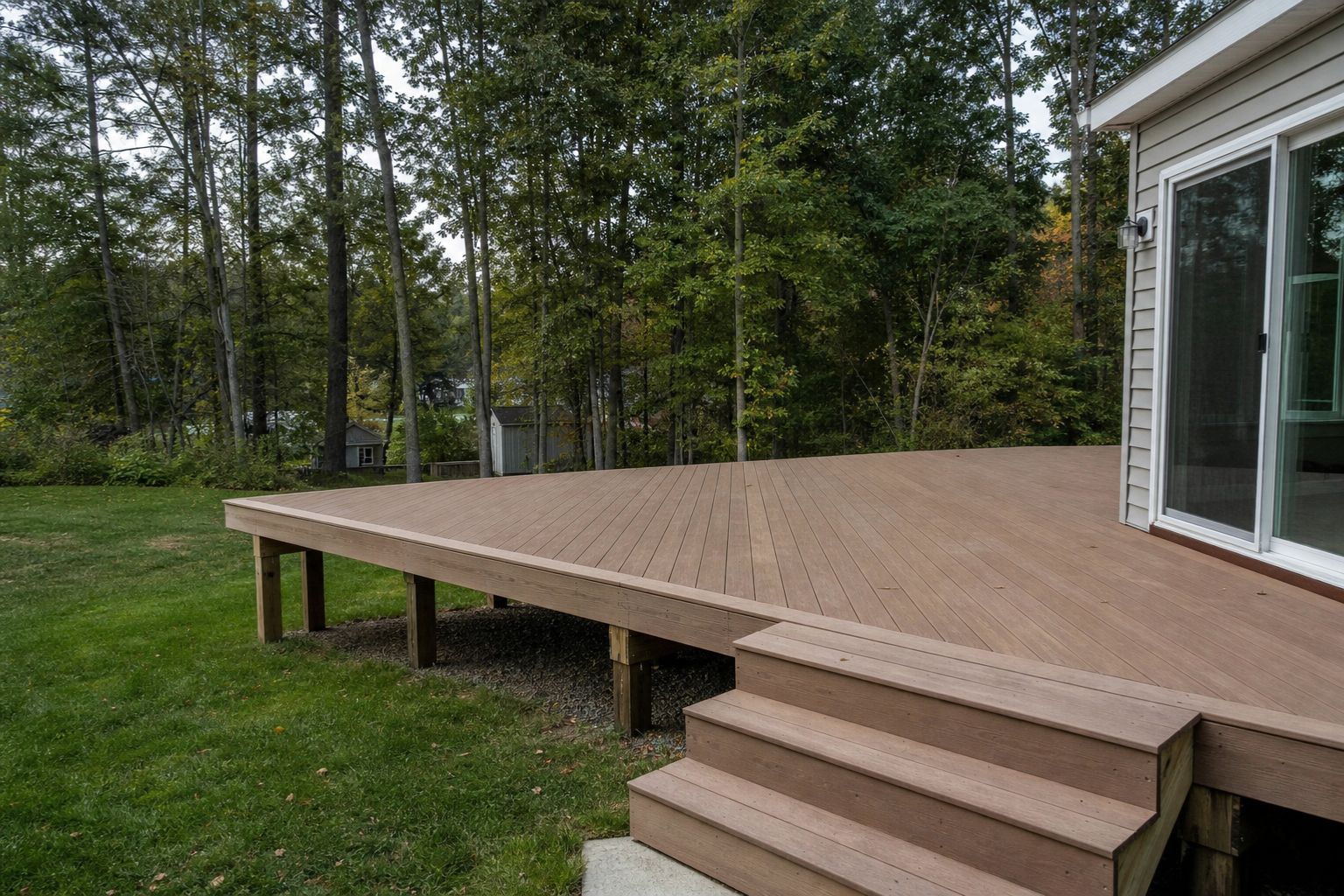
Decks more than 30 inches above the ground require code-compliant guards on every open side. We install wood, vinyl, and aluminum systems that meet those requirements and suit the style of your home.
Porch steps, side-entry stairs, and back-door landings all benefit from a solid handrail. We size the post spacing and top rail height to code and make sure the whole run feels stable underfoot.
Interior railings typically call for something cleaner and more finished than an outdoor system. We work with wood and aluminum options that look intentional rather than bolted on.
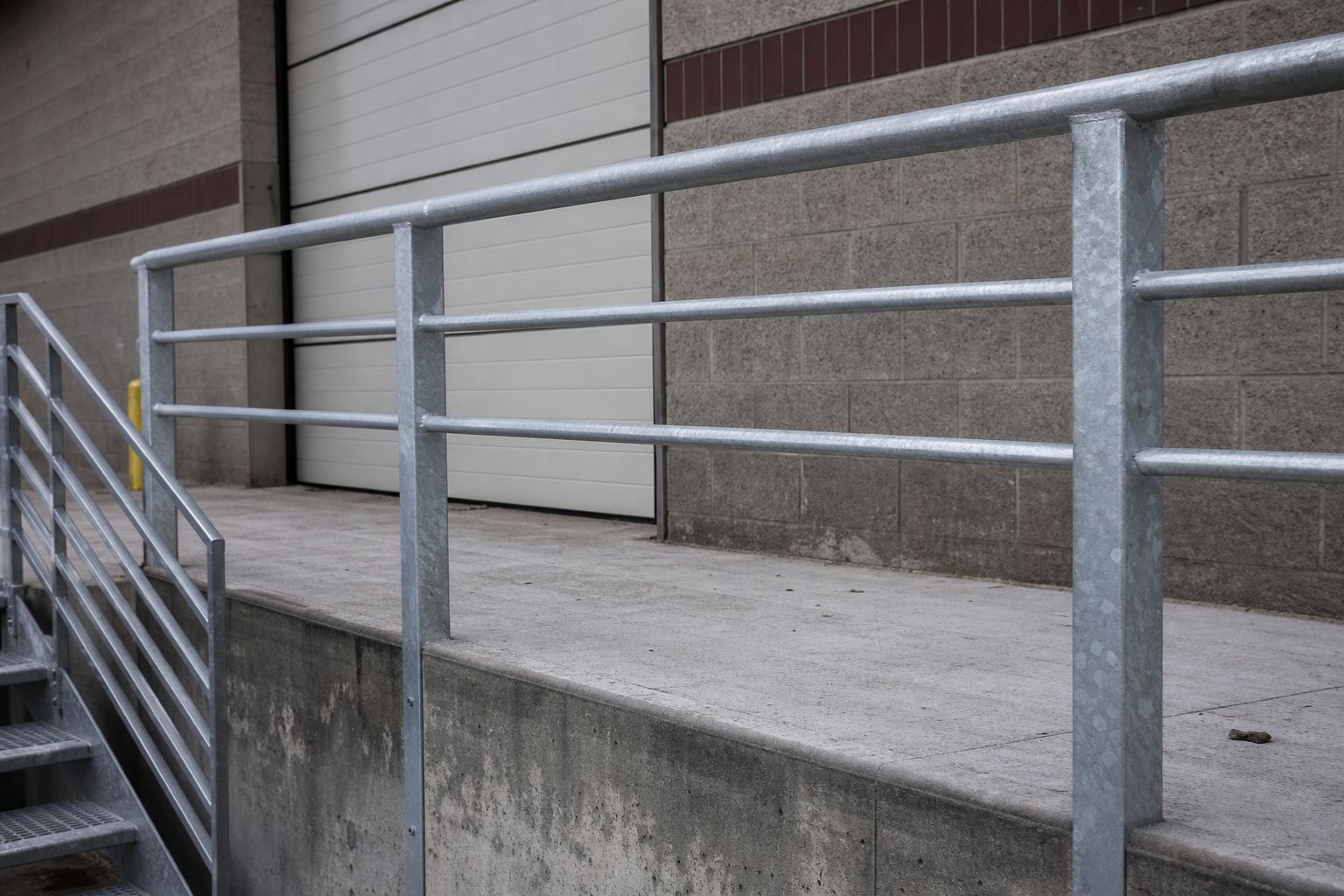
Commercial properties often need ADA-compliant handrails along ramps, entry stairs, and walkways. We install steel and aluminum railings built for heavier use and regular foot traffic.
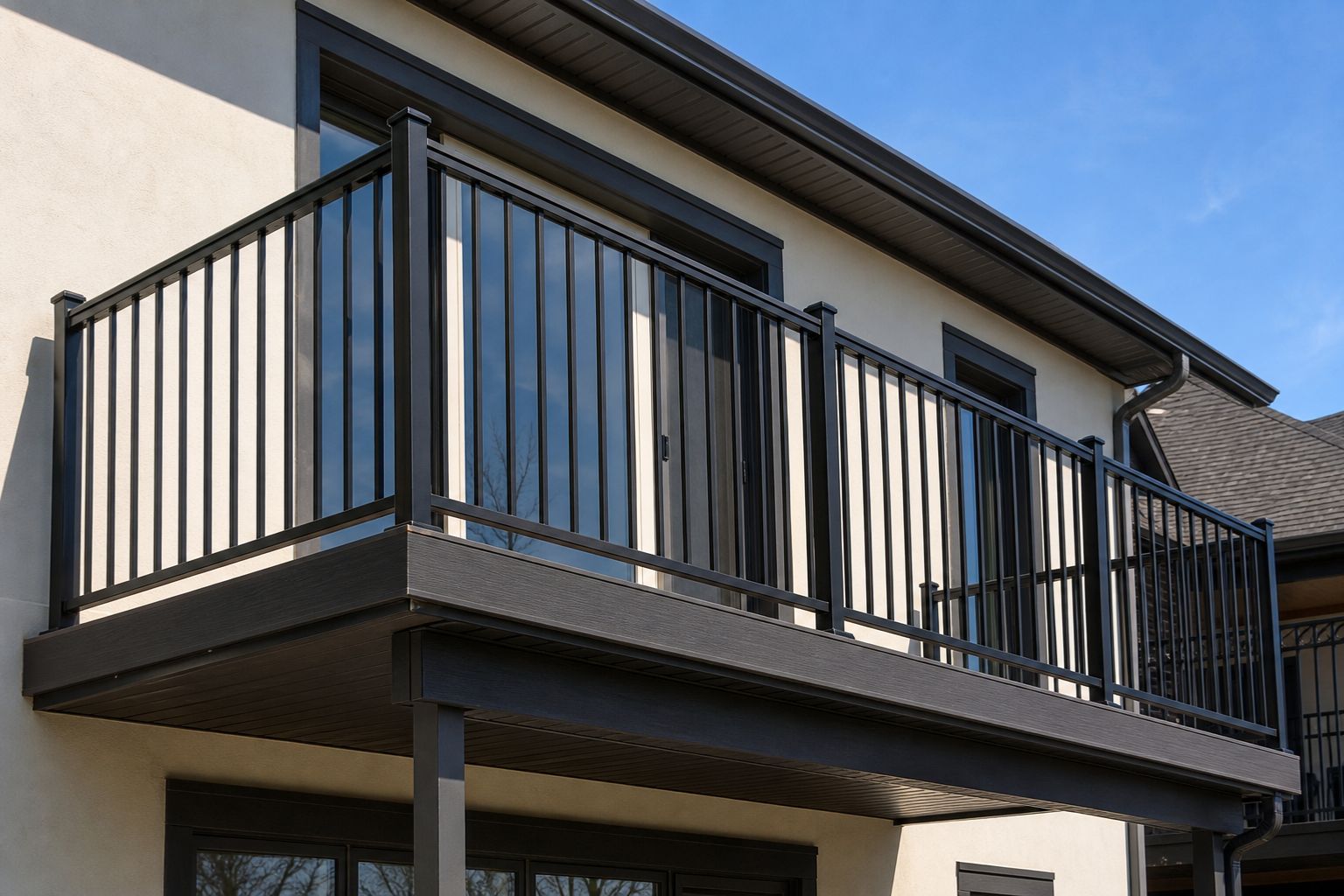
Balcony railings need to handle wind load, weather exposure, and the occasional leaning person. Aluminum and steel systems hold up well here and don't require the seasonal maintenance that wood does.
Raised pool decks and pool-adjacent stairs often require railings in addition to fencing. We can tie the railing installation into a broader pool area project or handle it as a standalone job.
Material Options: What's Available and What Each One Does
The material you choose affects how the railing looks, how long it lasts, and how much time you'll spend maintaining it. There's no single right answer, but there is usually a better fit for each situation.
Wood railings give you a classic look that works well with traditional home styles, natural wood decking, and older construction. They can be painted or stained to match existing trim and are easy to customize in terms of profile and detail. The trade-off is maintenance. Wood exposed to Hudson Valley winters and wet springs will need periodic sealing, painting, or staining to stay in good shape. Left untreated, it rots. Done right, it can last decades.
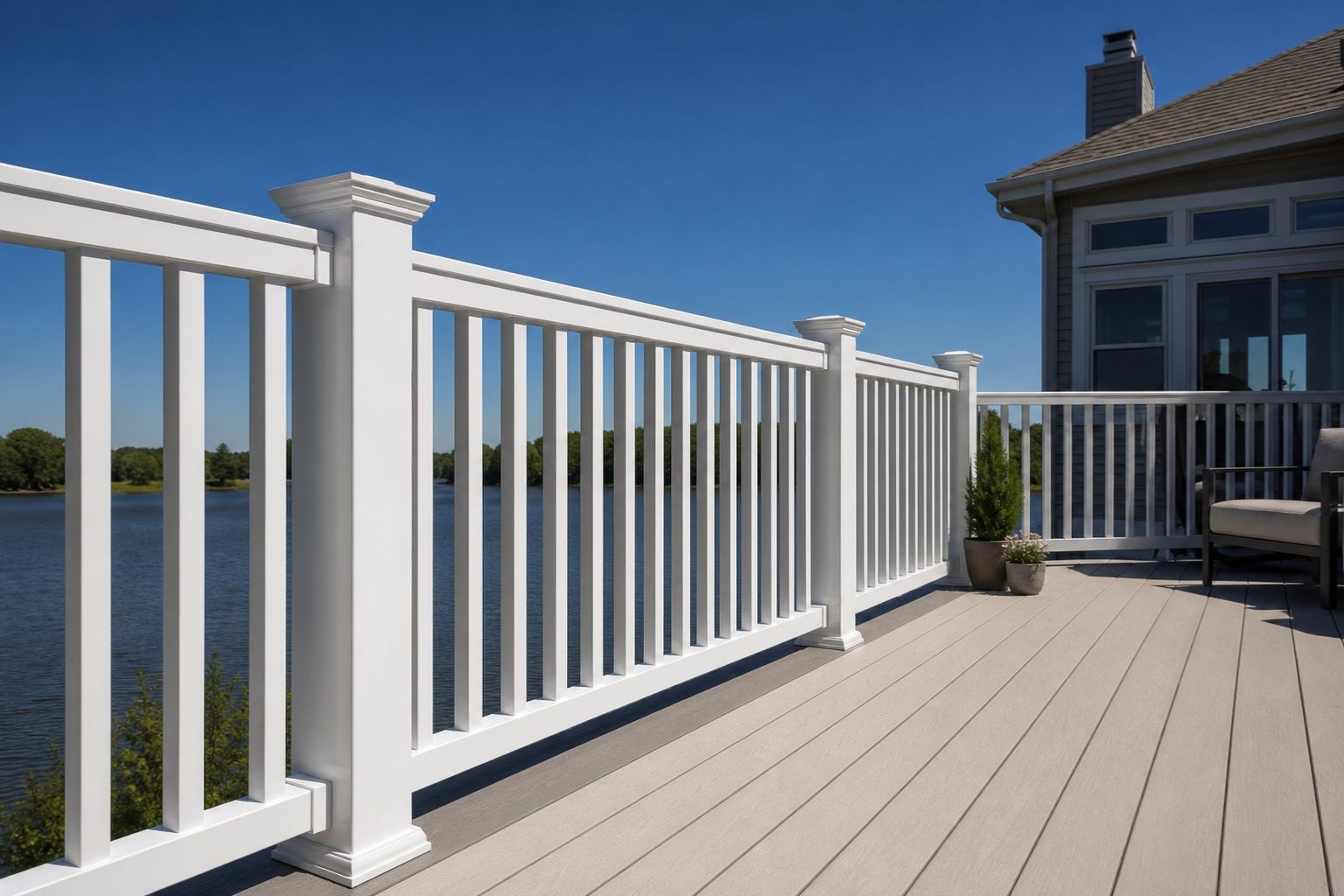
Vinyl railings are a popular choice for homeowners who want a clean appearance without the upkeep. Vinyl doesn't rot, won't splinter, and holds color without repainting. It works particularly well on newer construction or homes with vinyl siding, where the materials match up naturally. The range of profiles and colors has expanded considerably, so it no longer looks like a compromise.
Aluminum railings offer a modern, low-profile look that works for both residential and commercial applications. Powder-coated finishes resist rust and hold up well in all seasons, and the material is light enough to work with on upper-level installations. Black aluminum in particular has been in high demand across the region, pairing well with a wide range of architectural styles.
Steel railings are the choice for commercial applications, heavier-traffic areas, and projects where structural strength matters as much as appearance. Portillo also offers galvanizing on steel components, which adds a corrosion-resistant zinc coating that extends the life of the railing significantly, especially in outdoor or high-humidity environments. If you're outfitting a commercial stairway, a loading area, or any application that will see consistent use, steel is worth the conversation.
Why the Installation Details Actually Matter
A railing can look fine on the day it goes in and start pulling away from the structure within a season or two if the installation isn't done correctly. Here's what separates a solid install from one you'll be calling about in a year.
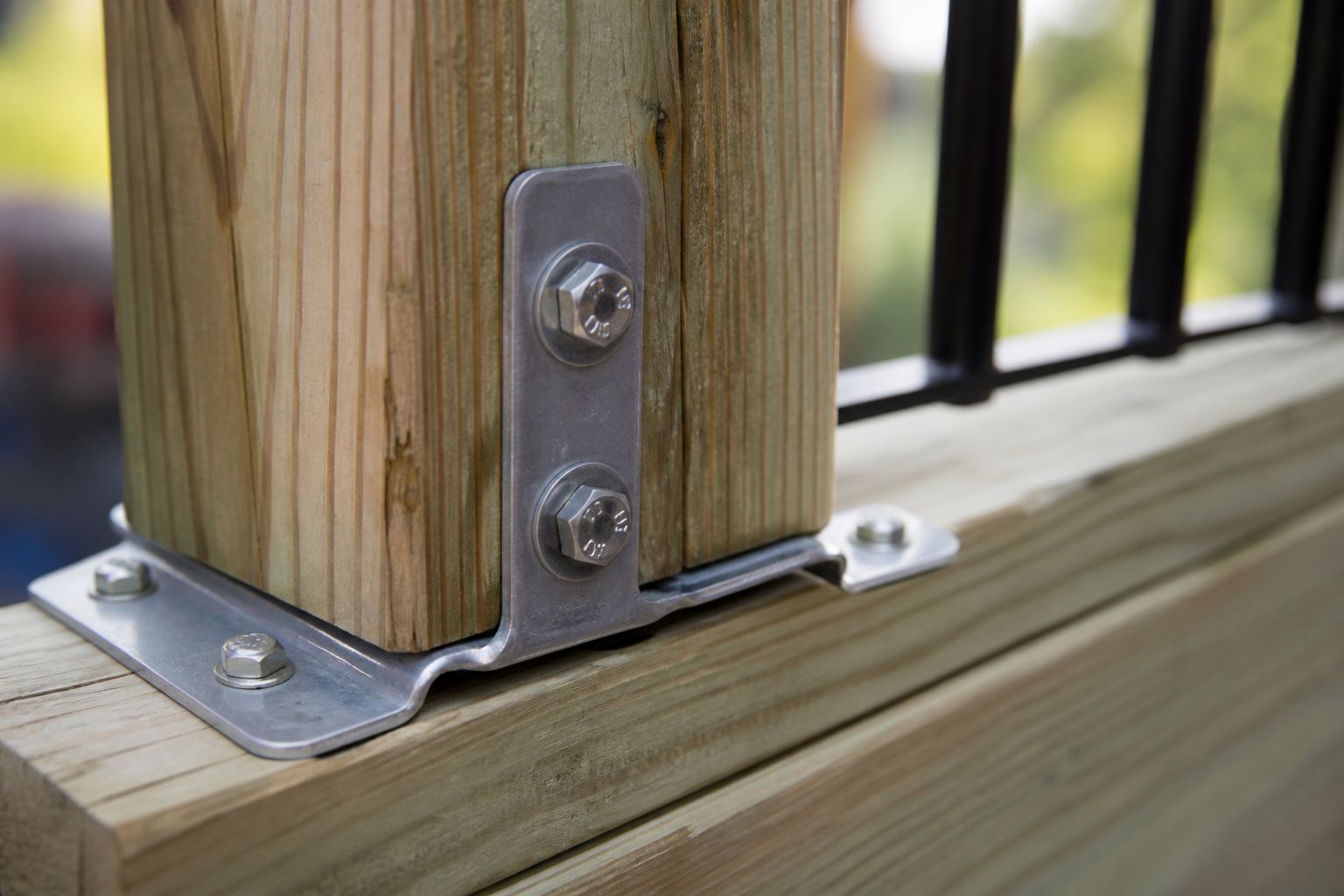
Posts are only as strong as the connection point. Whether that's concrete footings in the ground, surface-mount hardware on a deck frame, or a through-bolt on a masonry stair, the anchor has to be appropriate for the load and the substrate. A wobbly post means a wobbly railing.
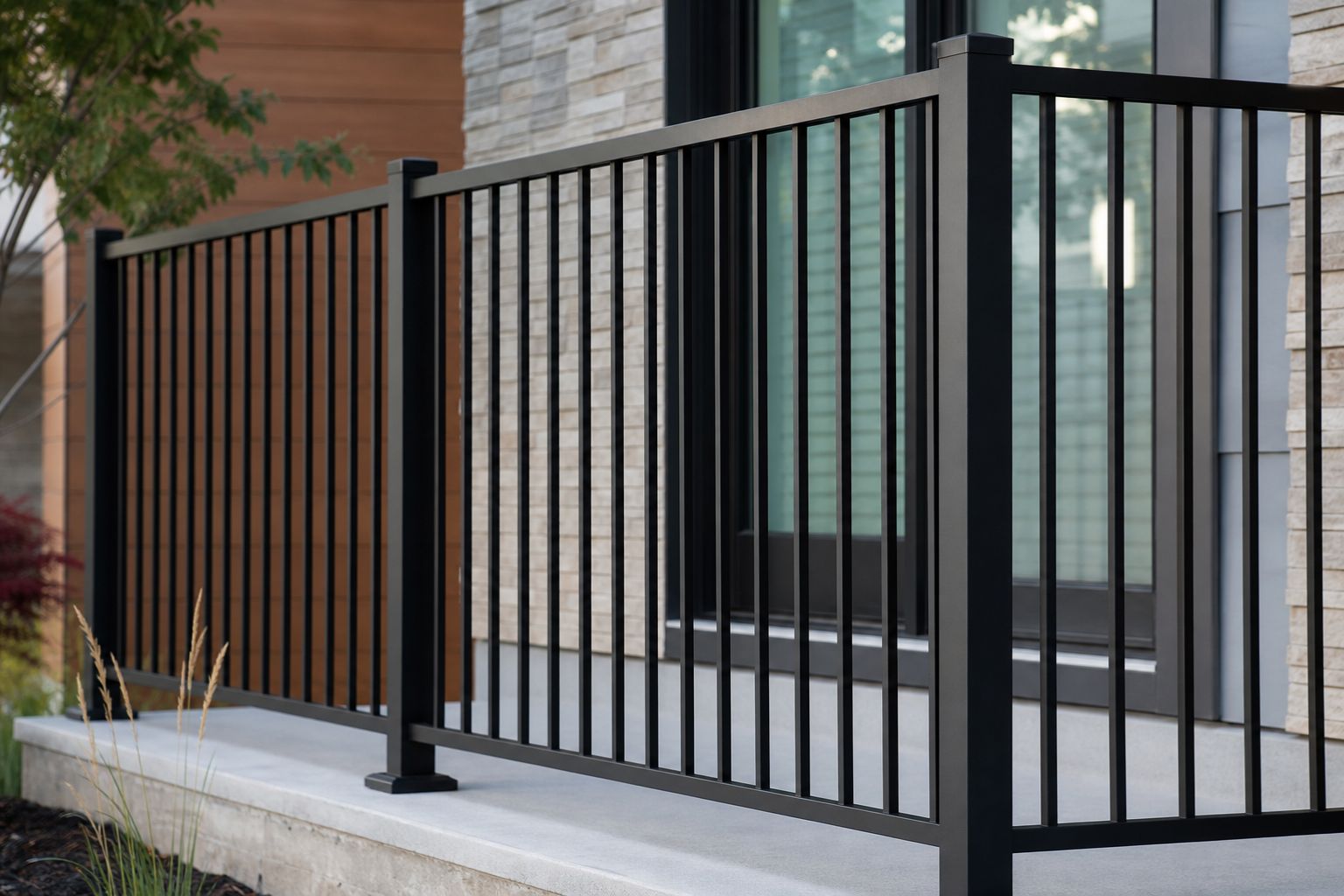
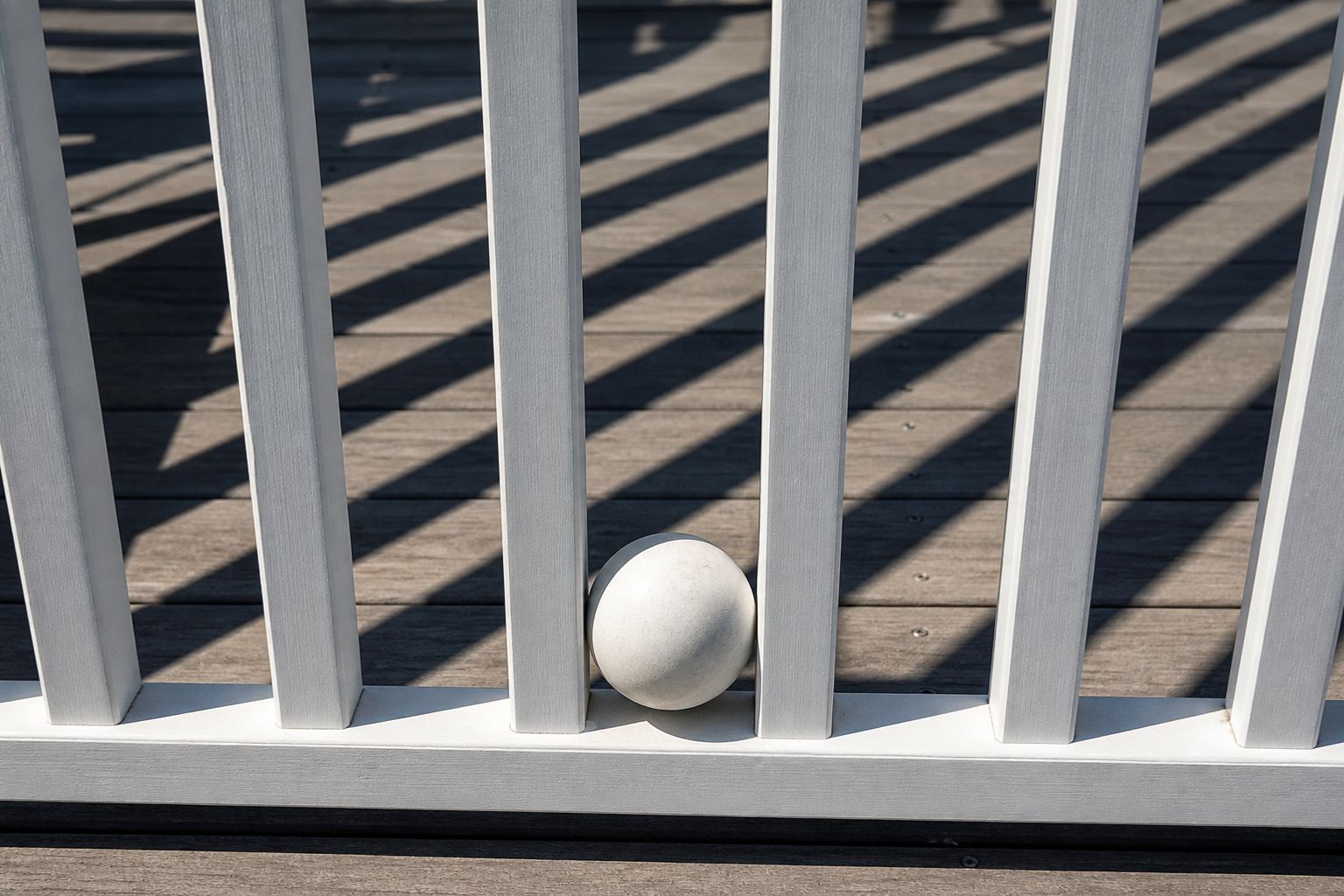
Baluster spacing isn't just aesthetic. Residential building codes require that balusters be spaced close enough that a 4-inch sphere can't pass through. Commercial work uses the same 4-inch sphere rule, with some exceptions above 36 inches. We measure and install to code so the job doesn't have to be redone for an inspection.
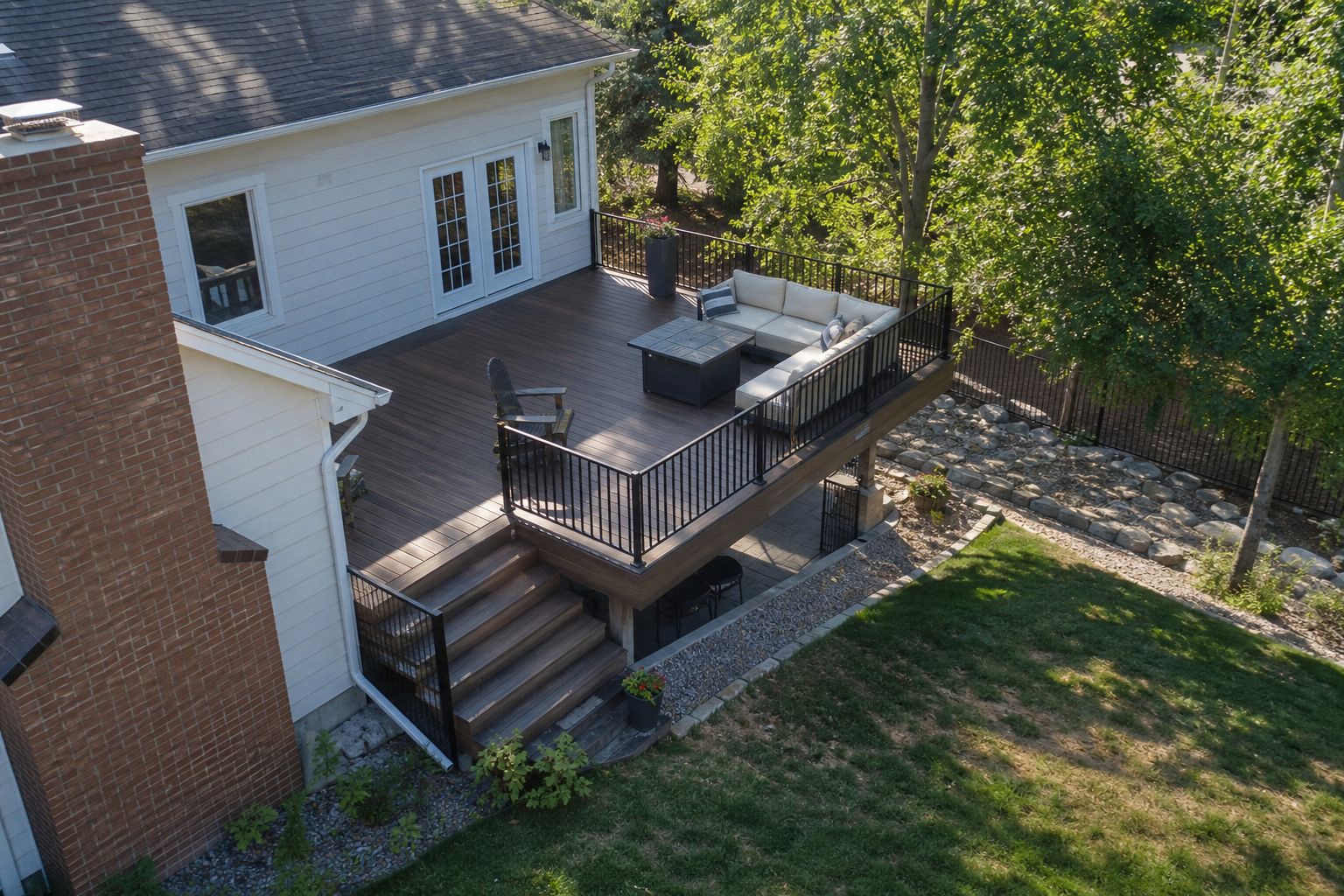
Residential deck guards are required once the deck is more than 30 inches above grade, and they need to be at least 36 inches high. Commercial work follows the IBC, which sets guards at 42 inches. Stair handrails have their own height range. We check the applicable code for your municipality before the material goes up.
Mixing metals can cause galvanic corrosion over time. Using the wrong fasteners on treated lumber can accelerate wood breakdown. We use hardware matched to the materials in your specific installation so the system holds up as a unit.
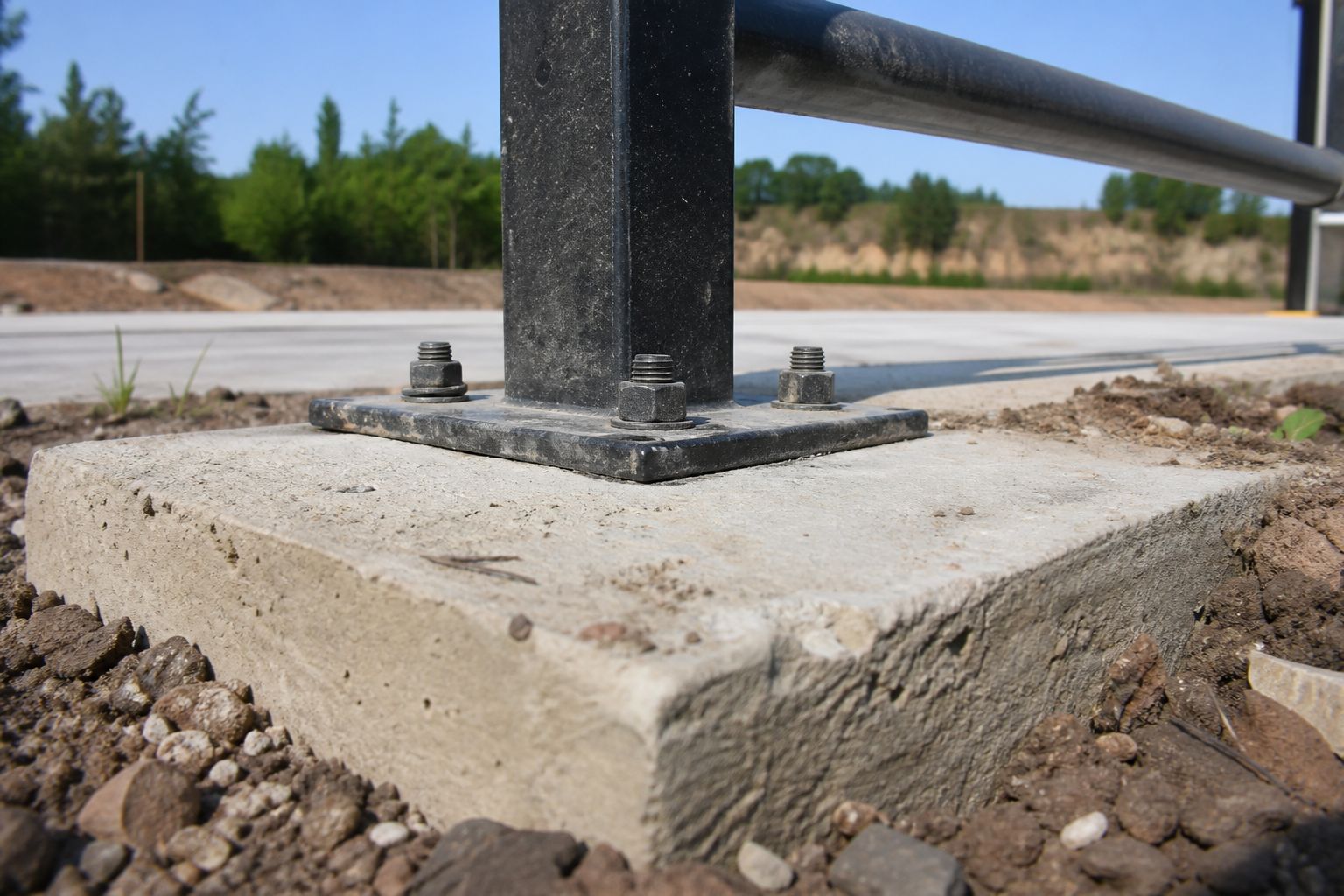
Building codes require that railings withstand a defined lateral load, meaning someone can lean on it without the whole thing giving way. Proper post spacing, adequate footing depth, and the right connection hardware all contribute to meeting that requirement.
Where a railing meets a wall, a post, or a gate, the transition should be tight and finished. Gaps, exposed hardware, or rough cuts collect water and look unfinished. We close everything out properly.
How a Railing Project Works With Portillo
Most railing projects move quickly once you've decided on materials. Here's what the process looks like from first call to finished installation.
Scroll the steps sideways to follow the full process.
Why Property Owners in the Hudson Valley Work With Portillo
Portillo Fences and Gates is licensed and insured, and we've been working across the Hudson Valley and Lower Hudson region long enough to know that the same railing system doesn't fit every property or every municipality. Building codes vary. Substrates vary. What works on a new-construction deck in Mahopac is a different conversation than a commercial stair railing in Yonkers or a historic porch in Kingston.
We don't subcontract your job out. The crew that shows up is our crew. That matters on railing projects because the quality of the install depends on consistent attention to post anchoring, spacing, and finish work. A handoff in the middle of a job is where those details get missed.
We also work across the full range of railing materials, which means we can give you an honest comparison rather than pushing you toward whatever one contractor happens to stock. Wood, vinyl, aluminum, and steel are all in our scope, and so is galvanizing, which most residential contractors don't offer at all.
Our service area covers Brewster, Carmel, Mahopac, Pawling, Beacon, Poughkeepsie, Wappingers Falls, Newburgh, Middletown, New Paltz, Kingston, White Plains, Port Chester, Ossining, Peekskill, Mount Kisco, Tarrytown, New City, Spring Valley, Suffern, and Yonkers.
Galvanizing: What It Is and When It Makes Sense
Galvanizing coats steel with a layer of zinc through a hot-dip or cold-galvanizing method. The zinc acts as a sacrificial layer, meaning it corrodes before the underlying steel does. The result is a railing that holds up in wet, salty, or high-humidity environments far longer than untreated or even painted steel.
For residential applications near pools or in areas with heavy winter road salt exposure, galvanized steel is worth considering. For commercial applications on exterior stairs, loading docks, or industrial properties, it's often the right call from the start. It also makes sense when posts are set in concrete footings that will sit in soil, since galvanized posts resist ground moisture in a way that painted steel doesn't.
Portillo offers galvanizing as part of our steel railing work. If you want to understand the difference in cost and longevity for your specific project, we can walk you through it during the site visit.
Frequently Asked Questions About Railing Installation
These are the questions we hear most often from homeowners and property managers across the Hudson Valley.
Do I need a permit to replace an existing railing?
It depends on the municipality. In many areas, replacing a railing in kind (same height, same configuration) doesn't trigger a permit requirement. But if you're changing the height, adding a railing where there wasn't one before, or working on a deck that's already under permit, you may need to pull one. We check this before your project starts so there are no surprises after the fact.
How do I know if my current railing meets code?
The most common code issues we see are top rail height below the required 36 inches on residential guards, or 42 inches on commercial work, baluster spacing that allows a 4-inch or larger gap, and posts that are undersized or improperly anchored. If your railing was installed more than 10 to 15 years ago or without a permit, there's a reasonable chance it doesn't meet current standards. We can assess it during a site visit.
What's the most durable option for an outdoor deck in the Hudson Valley?
Aluminum and steel hold up the best in terms of weather resistance and long-term structural integrity. Vinyl is also low-maintenance and resists moisture well. Wood requires more upkeep but can last just as long if it's sealed and maintained regularly. Durability also depends heavily on the quality of the installation. A well-installed wood railing will outlast a poorly installed aluminum one.
Can you match an existing railing on one section of a deck?
Usually, yes. If you have a partial section that needs to be replaced or extended, we can typically match the profile, material, and color of what's already there. This is easier with aluminum and vinyl, where standard profiles are consistent across manufacturers, and more variable with wood, where the original may have been custom milled. Bring photos when you call and we can give you a quick read on what's feasible.
What's the difference between a handrail and a guardrail?
A handrail is what you grip when walking up or down a staircase. It's typically required on one or both sides of a stair run depending on the width. A guardrail is the protective barrier at the edge of an elevated surface like a deck or landing, designed to prevent falls. They look similar but carry different code requirements for height, load resistance, and baluster configuration. We install both and know the applicable standards for each type.
Do you handle commercial railing projects as well as residential?
Yes. Commercial railing work is a significant part of what we do, including ADA-compliant handrail systems for ramps and entry stairs, exterior steel railings for storefronts and loading areas, and interior stair railings for multi-family properties. Commercial installations often require welding, galvanizing, and more complex anchoring than a residential deck railing. We're equipped for both.
How long does a typical railing installation take?
A straightforward deck railing on a single-level residential deck usually takes one day. More complex jobs, like a multi-run stair system on a commercial property or a railing that involves field welding, may take two days or more. We give you a realistic timeline during the estimate so you can plan accordingly.
Can I get a railing that matches my fence?
In most cases, yes. If you already have an aluminum or vinyl fence from Portillo, we can use the same product line for the railing so the material, color, and finish are consistent. This is especially useful for pool areas where the deck railing and the pool fence need to look like they belong together.
Ready to Talk About Your Railing Project?
Call (845) 282-3336 or use our contact form to schedule your site visit. We cover Brewster, Carmel, Mahopac, Pawling, Beacon, Poughkeepsie, Wappingers Falls, Newburgh, Middletown, New Paltz, Kingston, White Plains, Port Chester, Ossining, Peekskill, Mount Kisco, Tarrytown, New City, Spring Valley, Suffern, and Yonkers.