

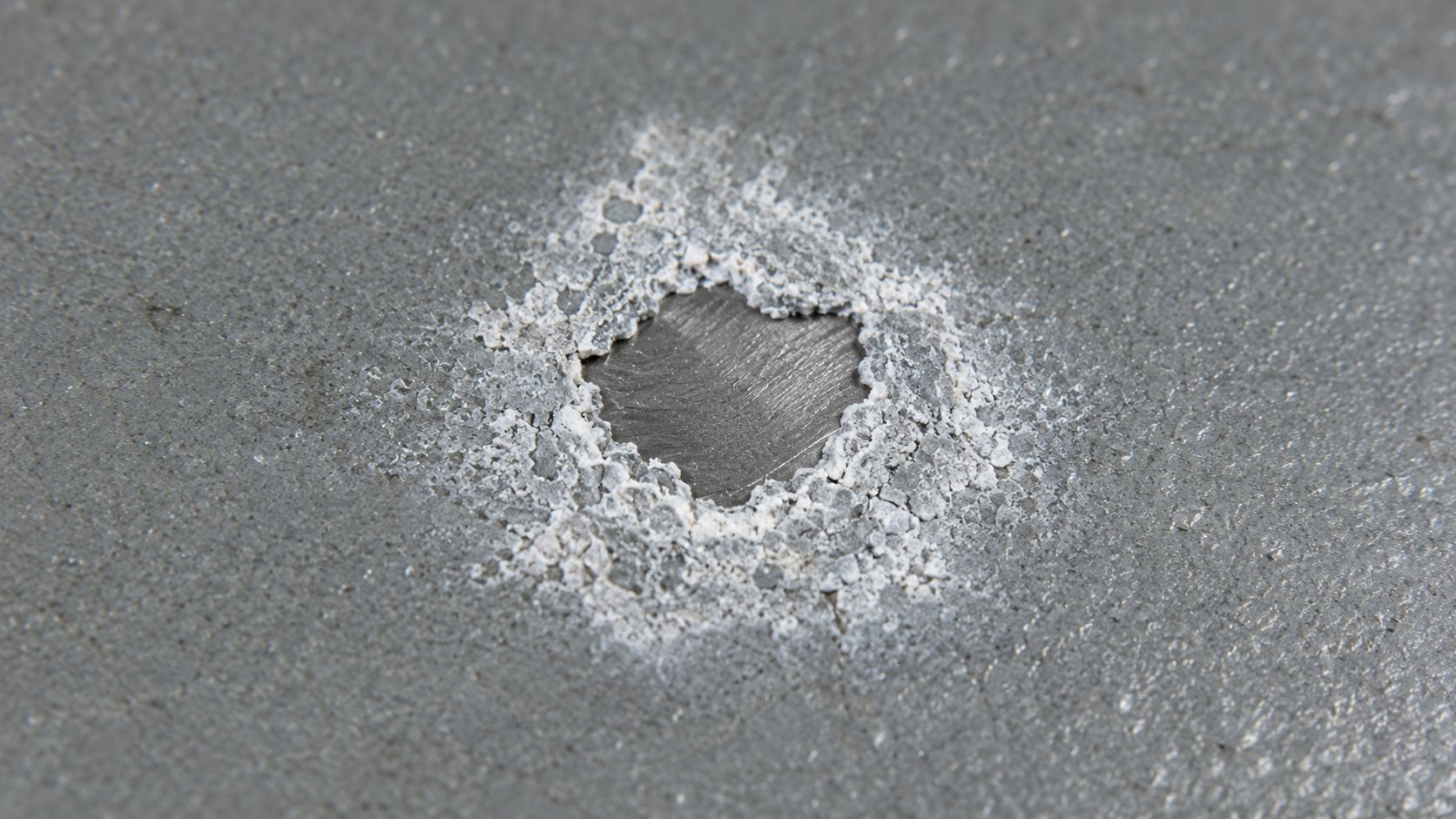
Galvanizing Services for Steel Gates and Railings
What Galvanizing Does for Your Steel
Steel is strong, but it has one serious weakness: exposure to moisture turns it into rust. In New York, where winters bring road salt, freeze-thaw cycles, and weeks of wet weather, bare or poorly coated steel doesn't last. Galvanizing solves that problem by bonding a layer of zinc directly to the steel surface, creating a barrier that resists oxidation from the outside in.
When you invest in a steel gate or railing, you want it to look good and hold up for decades. A galvanized coating gives you that extended service life by protecting the base metal even if the surface gets scratched or nicked. Zinc is sacrificial by nature, meaning it corrodes before the steel does, buying your metalwork significantly more time before any real damage sets in.
Portillo Fences and Gates offers both hot-dip galvanizing and cold galvanizing, applied to steel gates, railings, and structural fence components. Whether you're protecting a new installation or refreshing existing metalwork, the right galvanizing treatment keeps rust out and extends the useful life of your investment.
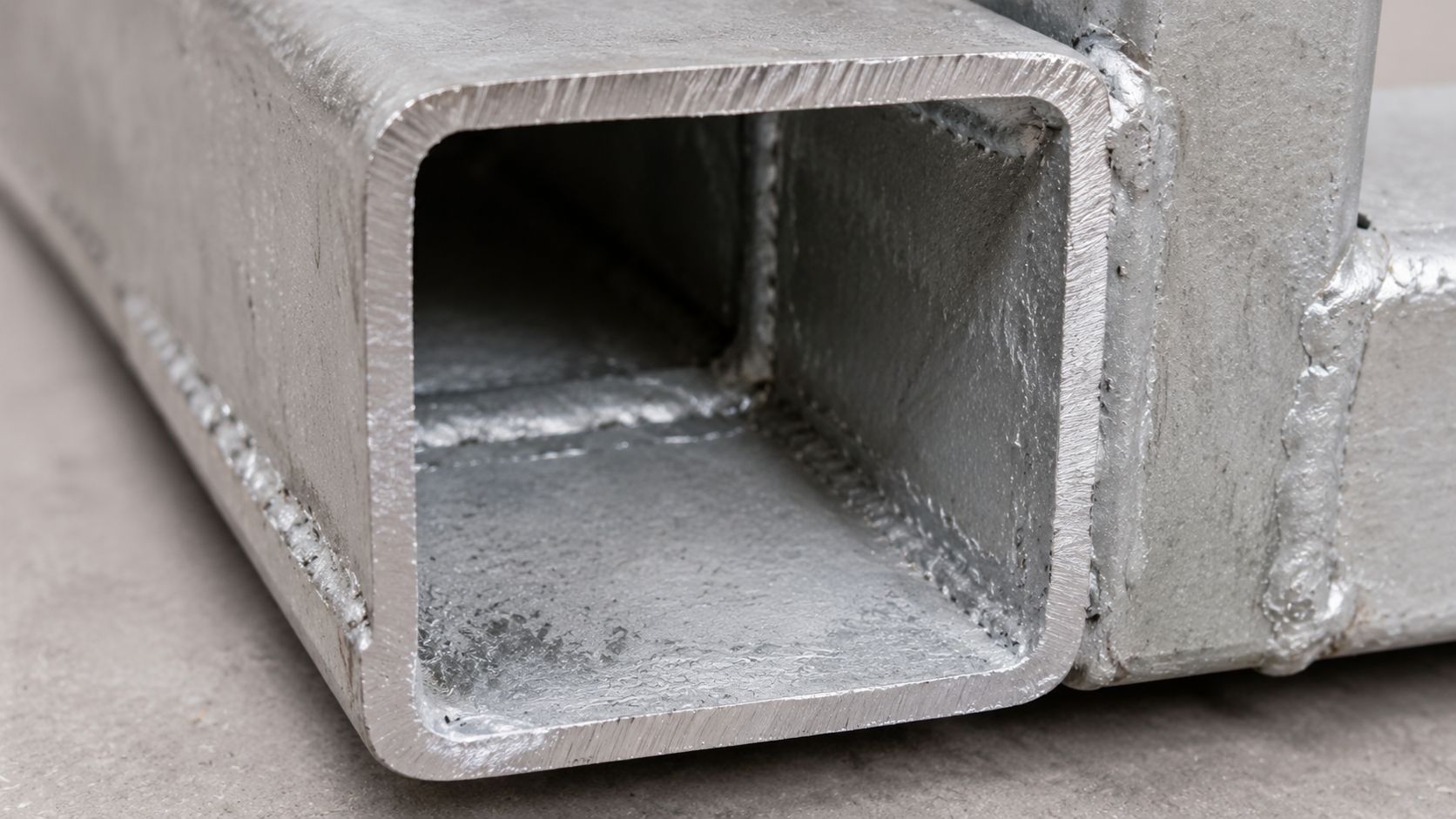
Hot-Dip vs. Cold Galvanizing: Which One Do You Need?
Both methods use zinc to protect steel, but they work differently and suit different applications. Understanding the distinction helps you choose the right treatment for your specific gate or railing project.
Steel is cleaned, fluxed, and submerged in a bath of molten zinc at around 830 degrees Fahrenheit. The zinc metallurgically bonds to the steel, forming multiple layers that are physically part of the metal itself. This is the most durable galvanizing method available, commonly used on large steel gates, heavy structural components, and any metalwork that will face prolonged outdoor exposure. The coating is thick, uniform, and covers edges, seams, and interior surfaces that paint simply cannot reach.
Cold galvanizing applies a high-zinc-content paint or compound directly to the steel surface, typically by brush, roller, or spray. It doesn't create the same metallurgical bond as hot-dip, but it's highly effective for touch-up work, field repairs, and situations where parts cannot be transported to a hot-dip facility. It's also used as a top coat or for targeted protection on welds, cut ends, and damaged areas on already-installed railings and gates. When applied correctly, it delivers solid corrosion resistance at a practical cost for maintenance scenarios.
The Real Benefits of Galvanizing Your Steel Gates and Railings
Galvanizing is a protective investment, not just a finishing step. Here's what it actually does for you as a property owner.
Galvanized steel routinely outlasts uncoated or painted steel by many years, even in harsh outdoor environments. You're not just buying a coating; you're buying more years before replacement becomes a conversation.
Painted steel needs repainting every few years to stay protected. Galvanized steel doesn't ask for the same attention. Routine cleaning is typically all it needs to keep looking good and functioning well, which means fewer service calls and less money spent on upkeep.
Hot-dip galvanizing gets into corners, seams, and hollow sections that brush or spray painting misses. The coating is consistent across the entire piece, including the areas most vulnerable to trapped moisture and rust development.
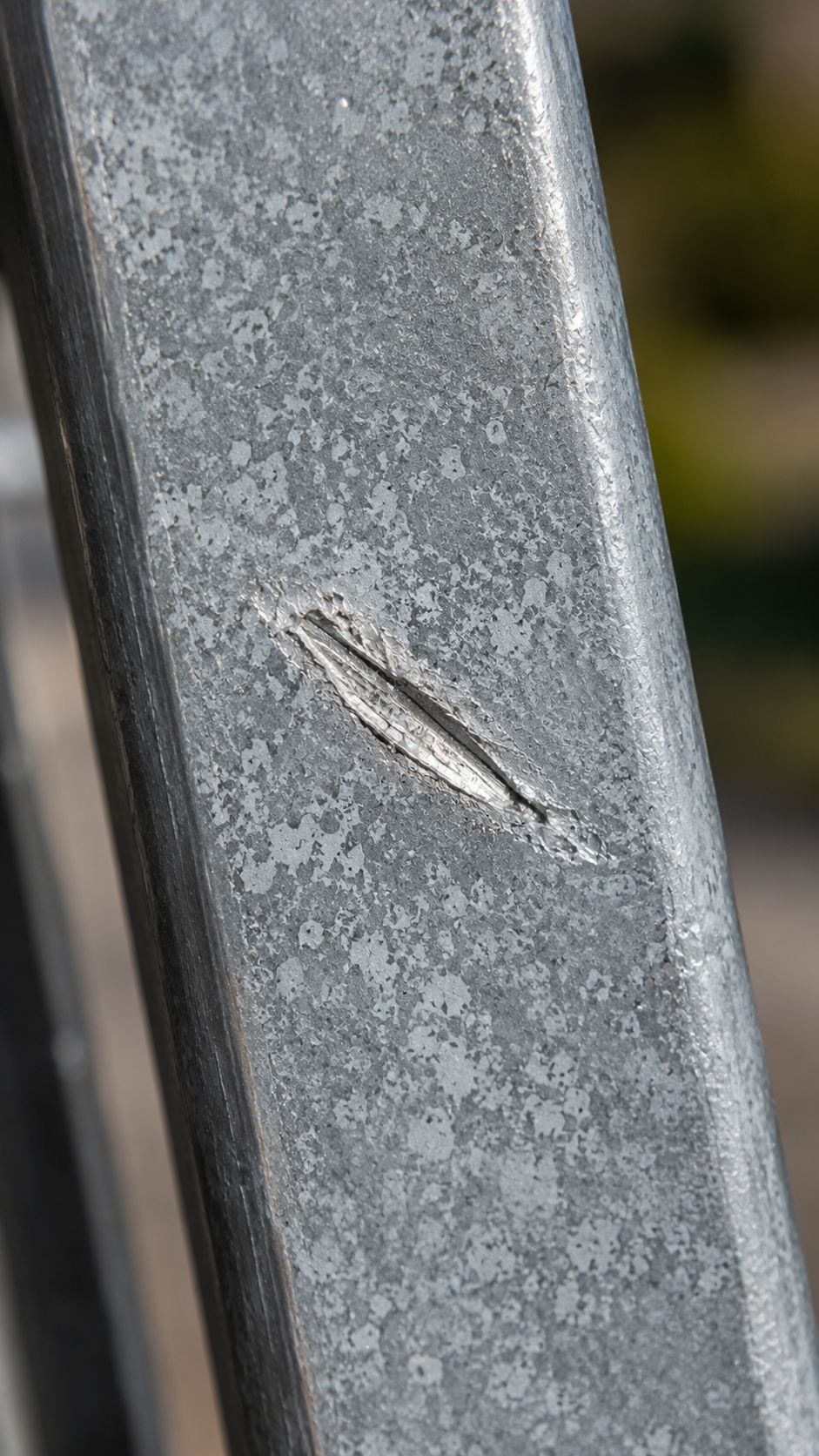
The zinc-iron alloy layers formed during hot-dip galvanizing are harder than the base steel in many cases. Minor scratches from debris, tools, or contact with other surfaces don't immediately expose bare steel the way they do with paint.
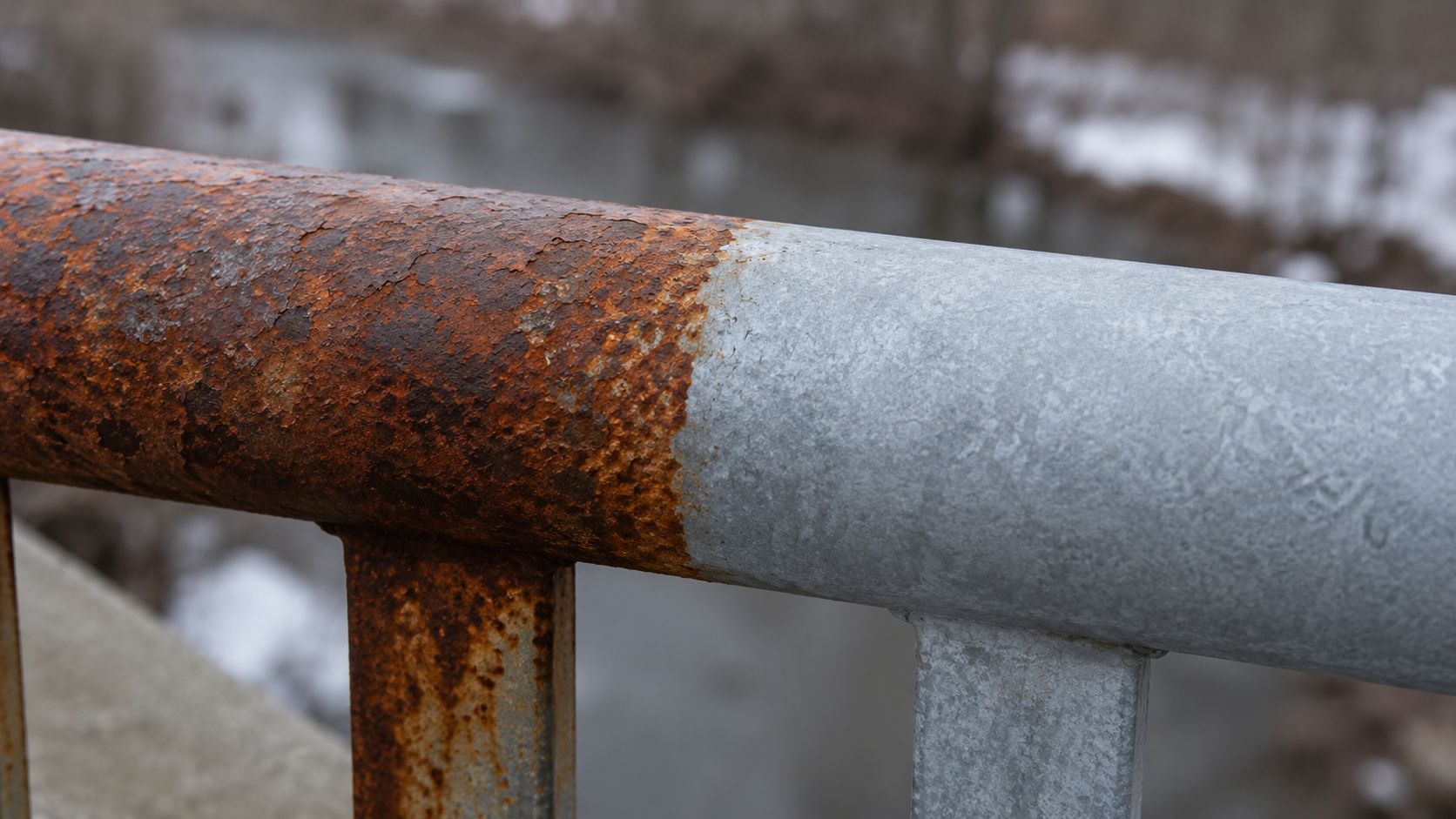
Even if the zinc coating is breached, galvanized steel has a built-in defense mechanism. The surrounding zinc acts as a sacrificial anode, corroding in place of the exposed steel. This self-sacrificing chemistry is why galvanized metal holds up even after surface damage that would ruin a painted finish.
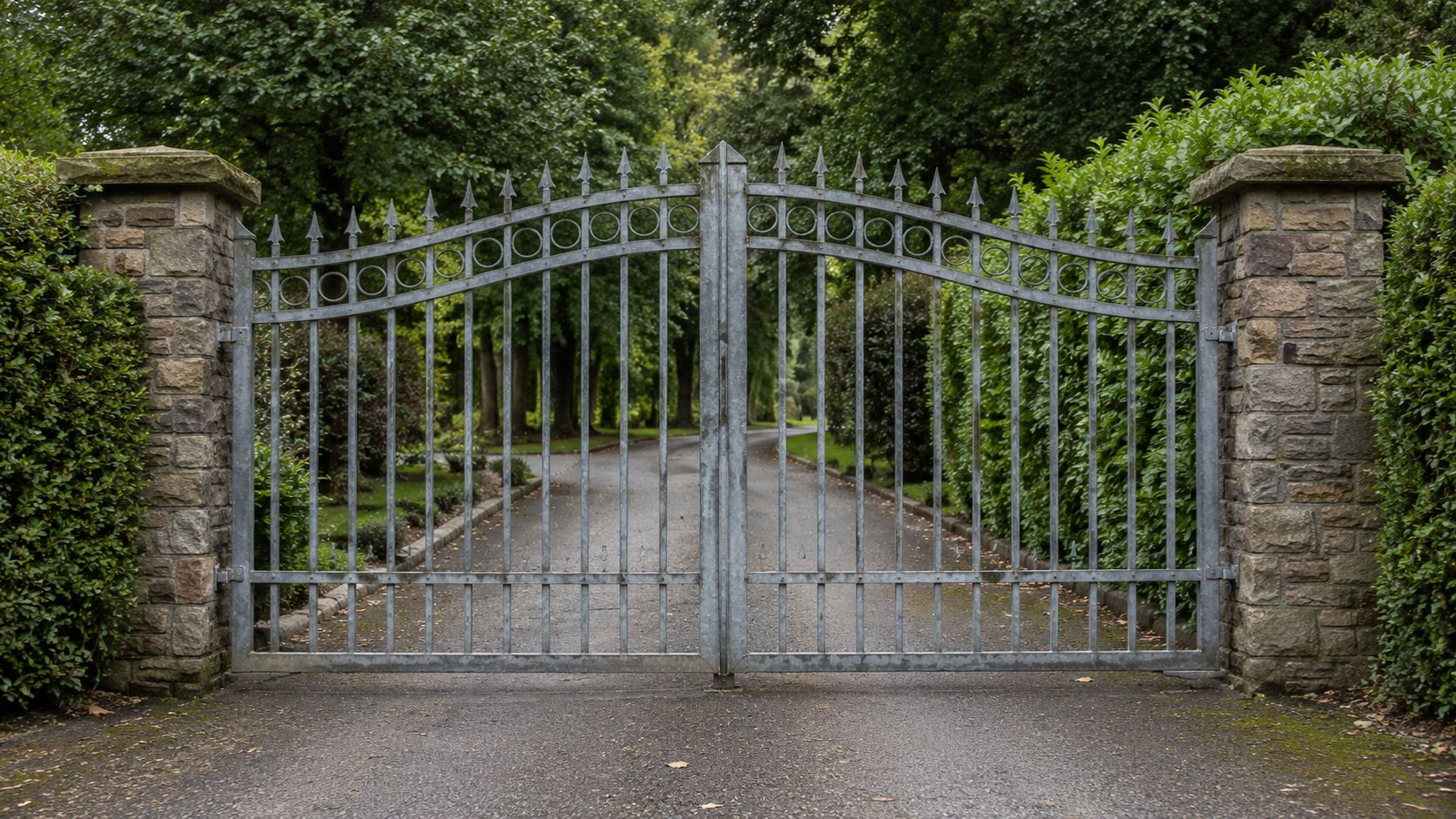
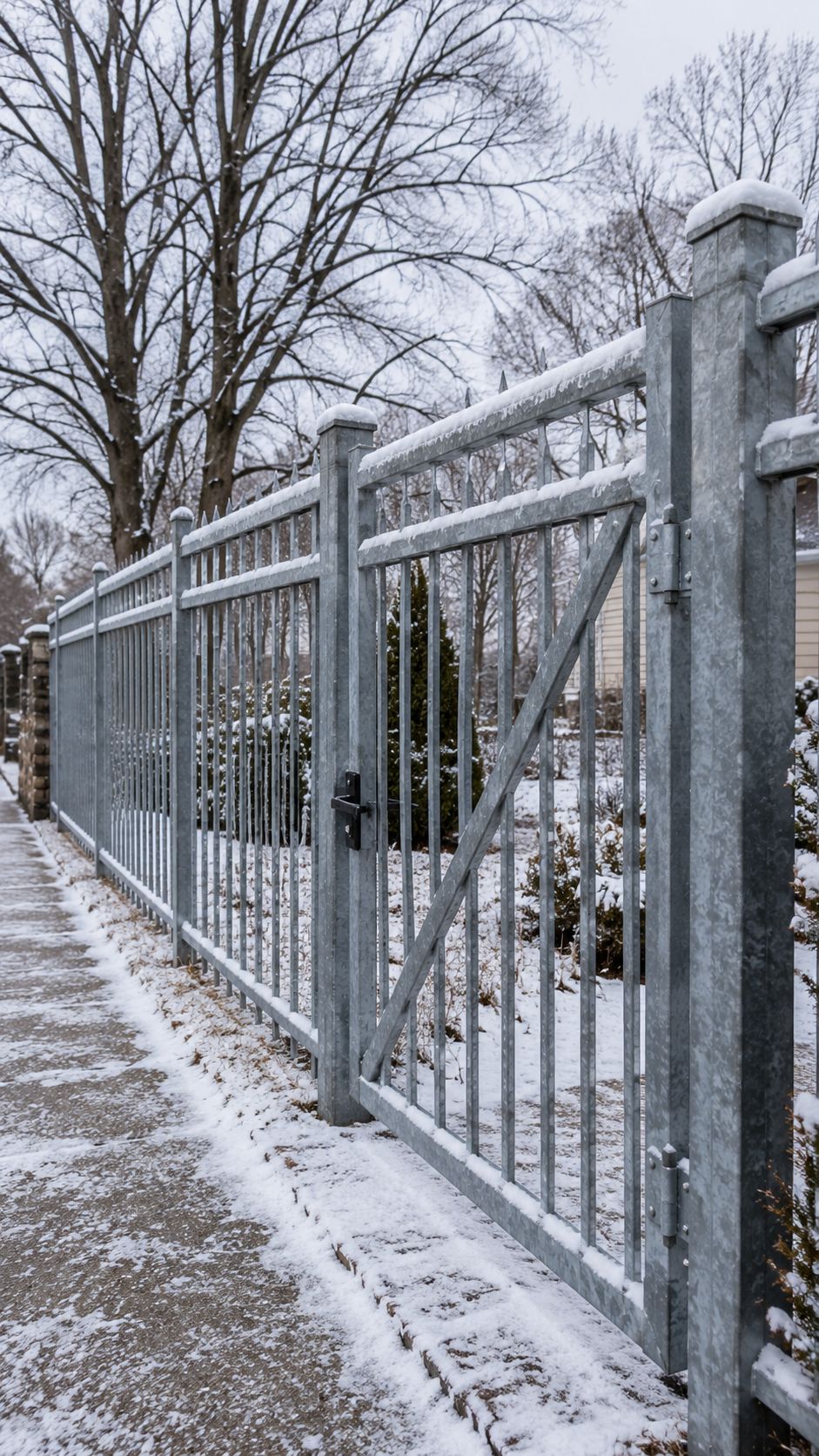
Galvanized steel develops a matte gray patina as the zinc weathers, and that patina stabilizes over time. You don't get the peeling, bubbling, or flaking that painted steel eventually shows after years of outdoor exposure.
How the Galvanizing Process Works
Galvanizing done right follows a specific sequence. Each step matters, and skipping or rushing any part of it produces a coating that underperforms. Here's how a proper galvanizing job gets done.
Scroll the steps sideways to follow the full process.
Where Galvanizing Makes the Biggest Difference on Your Property
The pieces of steel that do the most work in the worst environments benefit most from galvanizing. Driveway gates are a prime example. They cycle open and close hundreds of times a year, sit exposed to rain, snow, and road salt splash, and the hinges, welds, and frame joints are constant points where moisture collects. A galvanized gate holds up to that punishment far better than one that relies only on paint.
Steel railings on stairs, decks, and balconies face similar exposure challenges, especially when attached to masonry or concrete. Moisture wicks into connection points and sits there, which is exactly where rust originates on unprotected steel. Galvanizing those connection points and the full railing assembly gives you protection at the most vulnerable locations rather than just on the visible flat surfaces.
Pool enclosures present another strong case for galvanizing. Pool chemicals and the surrounding humidity are particularly aggressive toward bare steel. Fencing and gate hardware near pools corrodes faster than almost any other residential application, and galvanized steel handles that chemistry far better than paint-only protection.
Commercial properties often deal with larger steel installations, heavier use, and longer replacement cycles than residential sites. A commercial driveway gate or security fence that's been properly galvanized requires less maintenance over its lifespan and is less likely to fail structurally due to rust-related deterioration, which translates directly to lower ownership costs and fewer unplanned repair expenses.
Why Portillo Fences and Gates for Galvanizing Work
Galvanizing isn't something every fencing contractor offers or understands in practical terms. Most will install steel and hand it off; fewer can tell you which galvanizing method suits your specific gate or railing, handle the prep work correctly, or coordinate hot-dip processing and field application for a single project. Portillo Fences and Gates works with galvanizing as part of a full scope of steel gate and railing services, not as an afterthought.
That matters because galvanizing quality depends heavily on what happens before the zinc goes on. If the surface prep is rushed or the steel has weld defects that weren't caught, the coating won't bond properly and you'll see premature failure. The team at Portillo understands the connection between proper installation, thorough prep, and a galvanizing treatment that actually performs over time.
Portillo Fences and Gates is licensed and insured, serving property owners across Brewster, Carmel, Mahopac, Pawling, Beacon, Poughkeepsie, Wappingers Falls, Newburgh, Middletown, New Paltz, Kingston, White Plains, Port Chester, Ossining, Peekskill, Mount Kisco, Tarrytown, New City, Spring Valley, Suffern, and Yonkers. If your steel gate or railing is in any of those areas, you're in the service zone.
If you need a new gate installed and galvanized, gate repair with touch-up galvanizing on repaired areas, or steel railings fabricated and coated before installation, those services connect naturally. You get consistent quality and communication across the full scope instead of coordinating multiple contractors for a single project.
Galvanizing and Your Existing Steel: What to Know Before You Call
One of the most common questions from property owners is whether galvanizing can be applied to steel that's already installed and showing early rust. The honest answer: it depends on the condition and what method you're applying. Cold galvanizing can be applied in the field on existing steel, making it a practical option for gates and railings that can't be removed for hot-dip processing. The steel needs to be cleaned down to bare metal first, and any active rust needs to be removed rather than just painted over, but the process is workable on-site.
Hot-dip galvanizing requires the steel to be transported to a galvanizing facility, which means it's most practical as a pre-installation treatment or as part of a repair project where the piece is already being removed. If you're replacing a gate or having new railings fabricated, specifying hot-dip galvanizing at that stage is the most cost-effective way to get the full protection of that process.
Steel that's already significantly rusted through may not be a good candidate for either method. If the base metal is compromised, a coating can't restore structural integrity. In those cases, replacement is the more practical answer, and galvanizing the replacement from the start is the right move. Part of what Portillo Fences and Gates brings to a consultation is an honest assessment of what your existing steel actually needs, rather than recommending a treatment that won't solve the underlying problem.
Frequently Asked Questions About Galvanizing
Can galvanized steel be painted or powder coated afterward?
Yes, and it's a common approach when color is important. Galvanized steel that will receive a powder coat or liquid paint needs surface preparation after galvanizing, typically a light abrasive sweep or chemical treatment to improve adhesion, since fresh galvanized zinc is slick and doesn't hold paint well without that prep step. Done correctly, a galvanized-plus-powder-coated finish gives you the corrosion protection of zinc under the color stability of a quality topcoat. That combination is popular for driveway gates and decorative railings where appearance matters alongside durability.
How long does a galvanized coating actually last outdoors in New York?
Coating life depends on the environment, the coating thickness, and the specific conditions the steel faces. In a typical suburban outdoor environment in New York, properly hot-dip galvanized steel can remain corrosion-free for many decades under normal conditions. In more aggressive environments, such as coastal areas, poolside installations, or areas with heavy road salt exposure, the coating life is shorter but still substantially longer than paint-only protection. Cold galvanizing has a shorter service life than hot-dip but remains effective for years on properly prepared surfaces and is renewable with additional coats.
Does galvanizing affect how the steel looks?
Yes, it changes the appearance somewhat. Fresh hot-dip galvanized steel has a shiny, slightly spangle-patterned surface that weathers to a matte gray over time as the zinc forms a stable zinc carbonate patina. That patina is protective and doesn't indicate any problem with the coating. If you want a specific color or a consistent appearance, powder coating over the galvanized base is the standard solution. Cold galvanizing products typically have a gray appearance similar to weathered galvanized steel right from application.
Is galvanizing necessary if the steel already has a powder coat?
Powder coating alone provides a layer of protection, but it's a topcoat without the underlying metallurgical bond that galvanizing creates. If the powder coat is scratched, chipped, or compromised at any point, bare steel is immediately exposed to moisture. Galvanizing under the powder coat gives the steel a backup defense so that surface damage doesn't immediately lead to rust development. For steel in high-wear or high-exposure situations, combining galvanizing with powder coating is a better long-term strategy than powder coat alone.
Can you galvanize a gate that's already installed and starting to rust?
Cold galvanizing can be applied to steel in the field, which makes it a viable option for installed gates and railings showing early surface rust. The rust needs to be mechanically removed first, by grinding or wire brushing down to clean metal, before the zinc compound is applied. This won't replicate the performance of hot-dip galvanizing, but it provides meaningful protection and can significantly extend the life of steel that isn't yet structurally compromised. It's also the practical approach for touch-up work on welds or cut ends where protecting a specific area is the goal.
Does galvanizing work on all types of steel used in fencing and gates?
Most structural and fabricated steel used in gates and railings is suitable for galvanizing. Certain high-strength or heat-treated steel alloys can be affected by the high temperatures involved in hot-dip galvanizing, so material review upfront is worthwhile. Cold galvanizing is more universally applicable since it doesn't involve heat. In most residential and light commercial applications, the condition of the steel matters more than the alloy. Steel that's been properly fabricated with clean welds and no significant defects galvanizes consistently and holds its coating well.
Ready to Protect Your Steel Gates and Railings?
Call us at (845) 282-3336 or send a message through our contact form to talk through what your project needs. We'll give you a straight answer on which galvanizing method fits your situation and what the process involves from start to finish.