

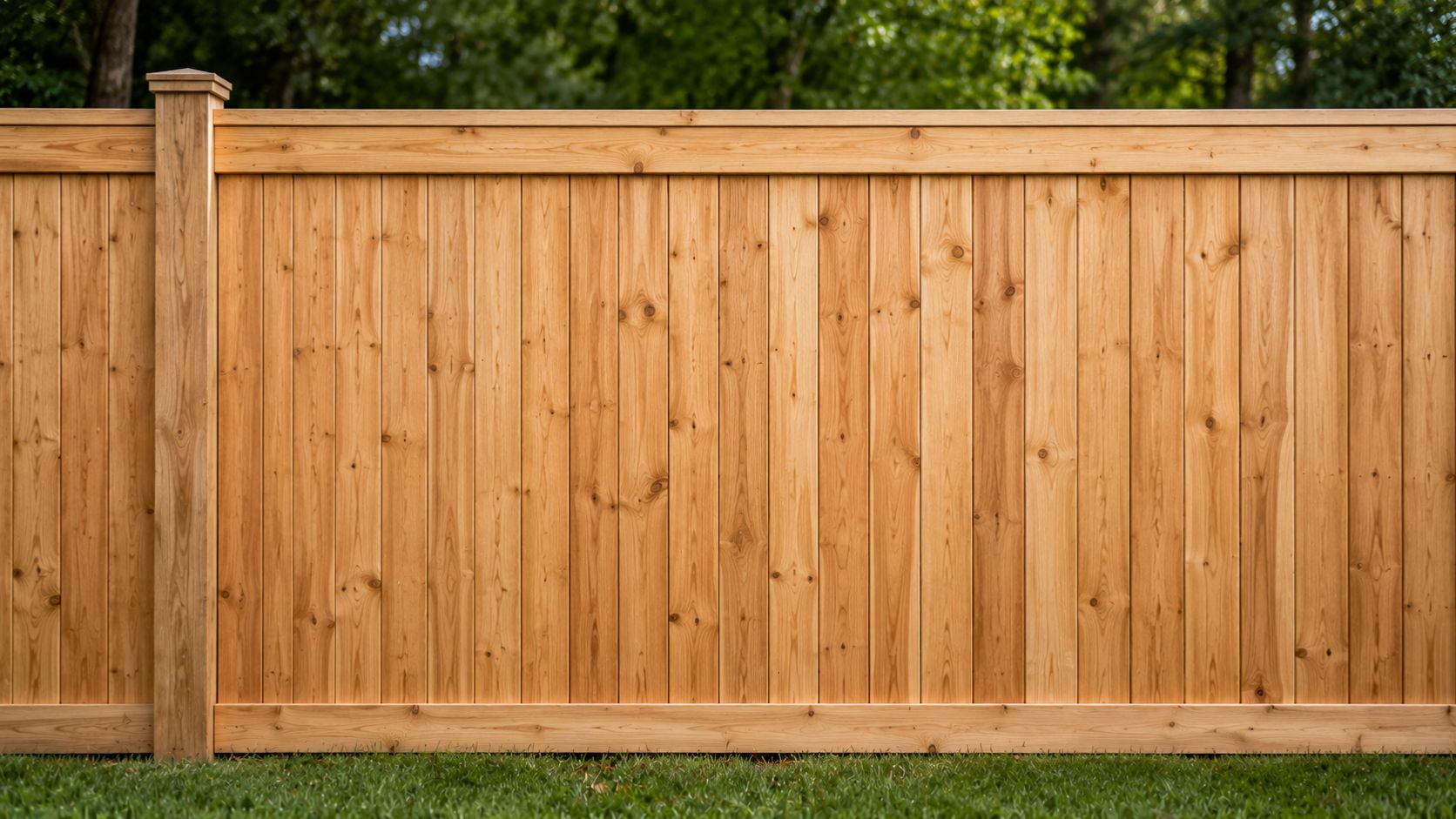
Wood Fence Installation in Brewster and the Hudson Valley
What Wood Fencing Actually Does for Your Property
A wood fence does more than mark a boundary. It gives your yard real privacy, keeps kids and pets where they belong, and adds the kind of warmth and character that vinyl and aluminum simply can't match. Wood has a natural look that fits almost any home style, from a farmhouse in Pawling to a Colonial in Mount Kisco.
What you're getting here is a fence built to perform in New York's climate: posts set deep below the frost line, pressure-treated lumber where it counts, and installation done by a crew that knows how to handle sloped lots, uneven terrain, and tight property lines. The result is a fence that stands straight years from now, not just the week after it goes in.
Wood also gives you more flexibility than most other materials. You can adjust height, spacing, style, and finish to get something that actually fits your yard and your vision. That kind of customization is hard to find with pre-fabricated panel systems, and it's one of the main reasons homeowners in this area keep choosing wood.
Wood Fence Styles Available
Not every yard needs the same fence. Here are the styles Portillo Fences and Gates installs, along with what each one is best suited for.
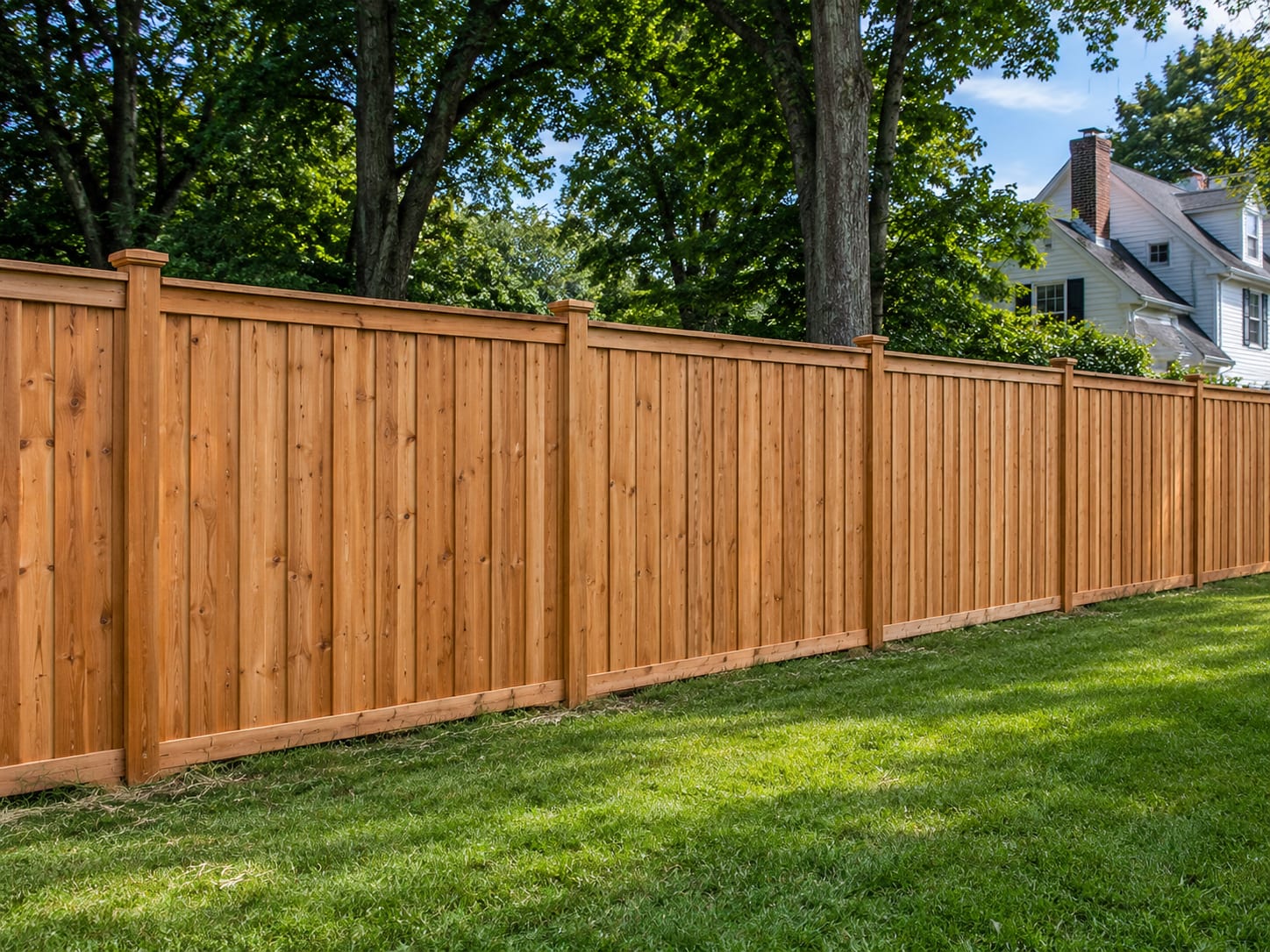
Solid boards installed with no gaps between them, typically 6 feet tall. This is the right choice when you want full seclusion from neighbors, street traffic, or a neighboring business. Works especially well on smaller lots where you want to feel like the yard is truly yours.
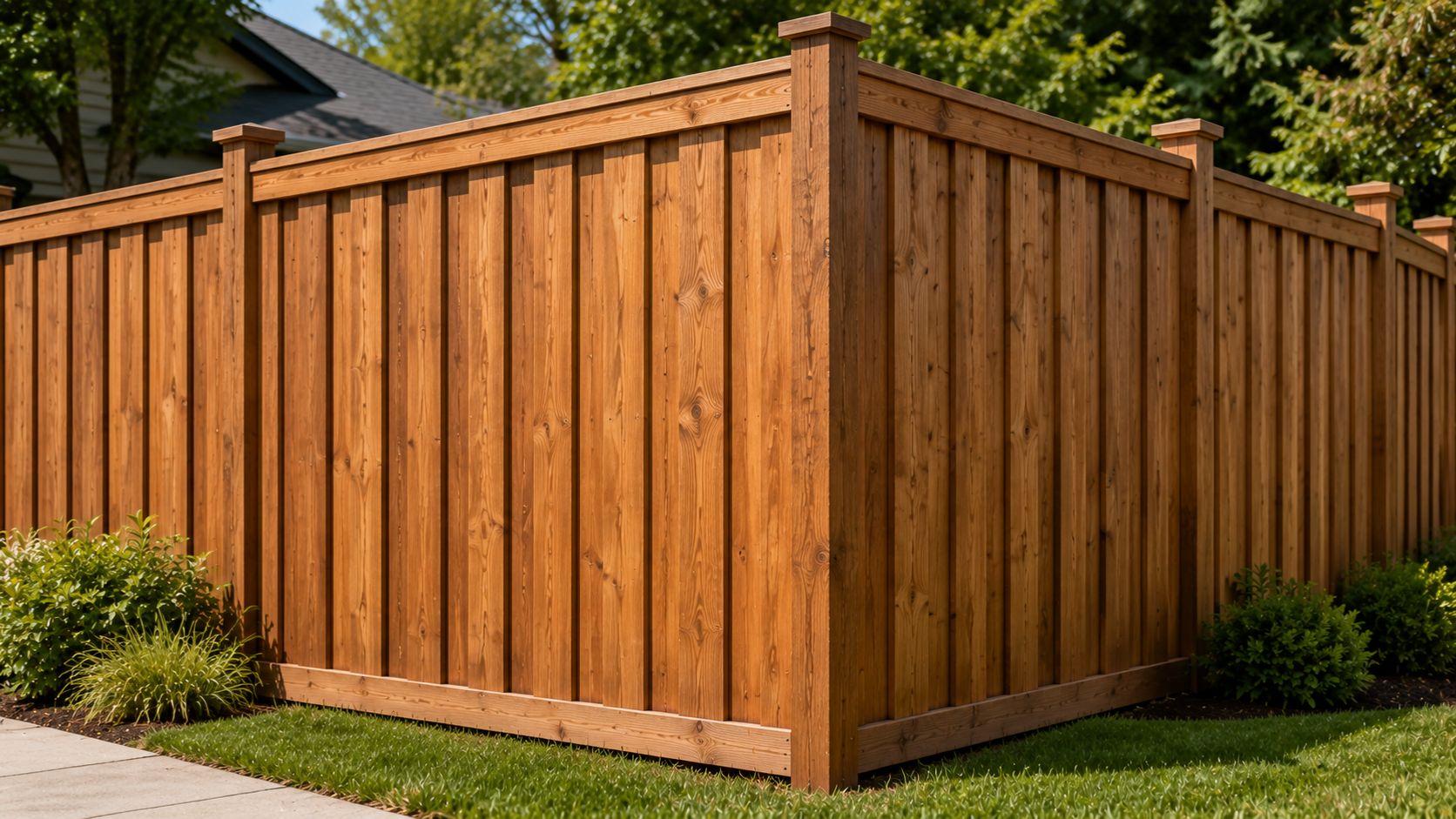
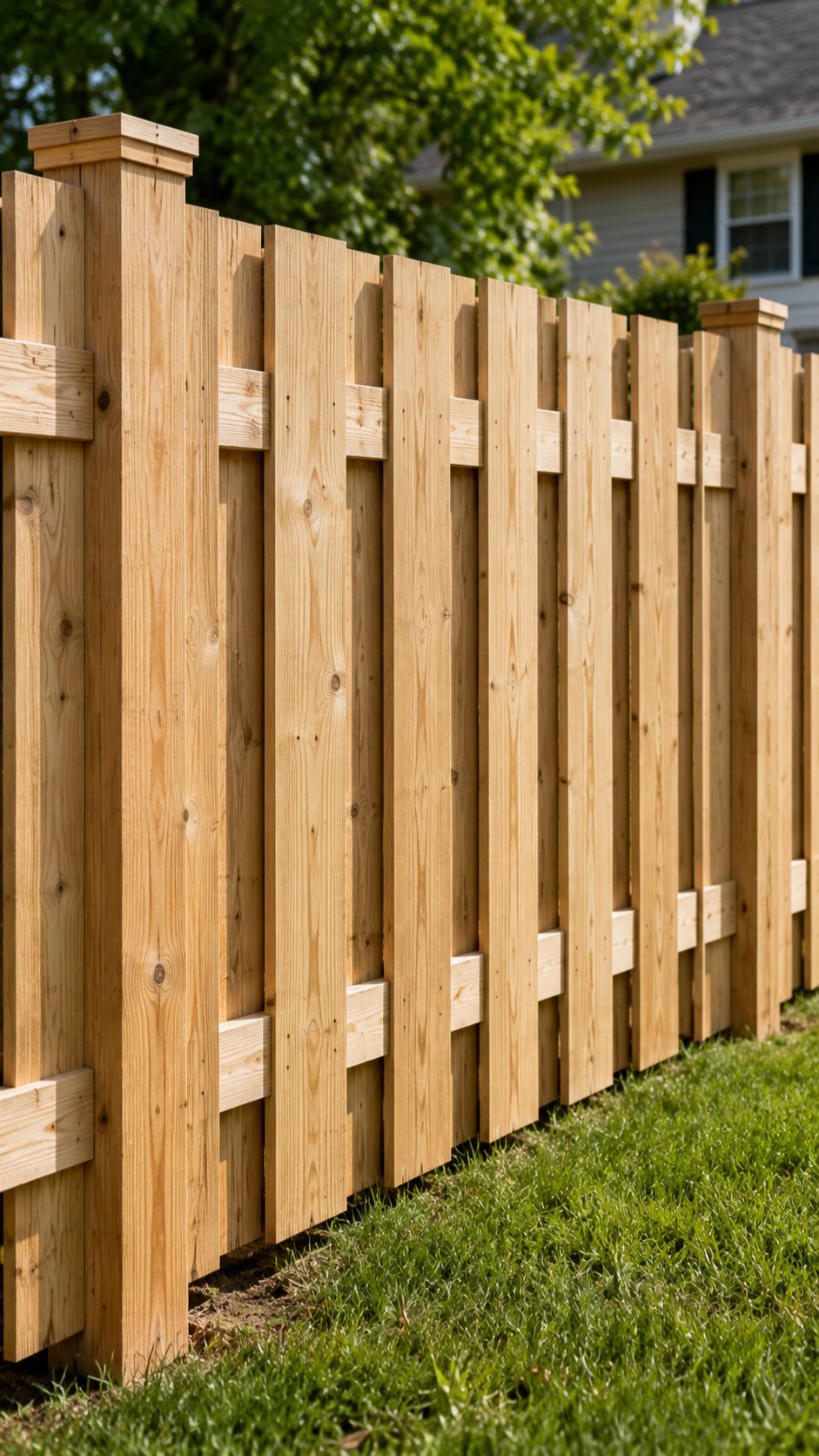
Boards alternate on each side of the rail, so the fence looks finished from both sides. You get privacy without a completely closed-off look, and airflow is better than a solid board fence. A popular choice for properties where both sides of the fence need to look good.
The classic option. Evenly spaced vertical pickets on a horizontal rail, usually 3 to 4 feet tall. Best for front yards, garden borders, or anywhere you want a defined boundary without blocking the view. Traditional without being boring, especially with the right paint or stain.
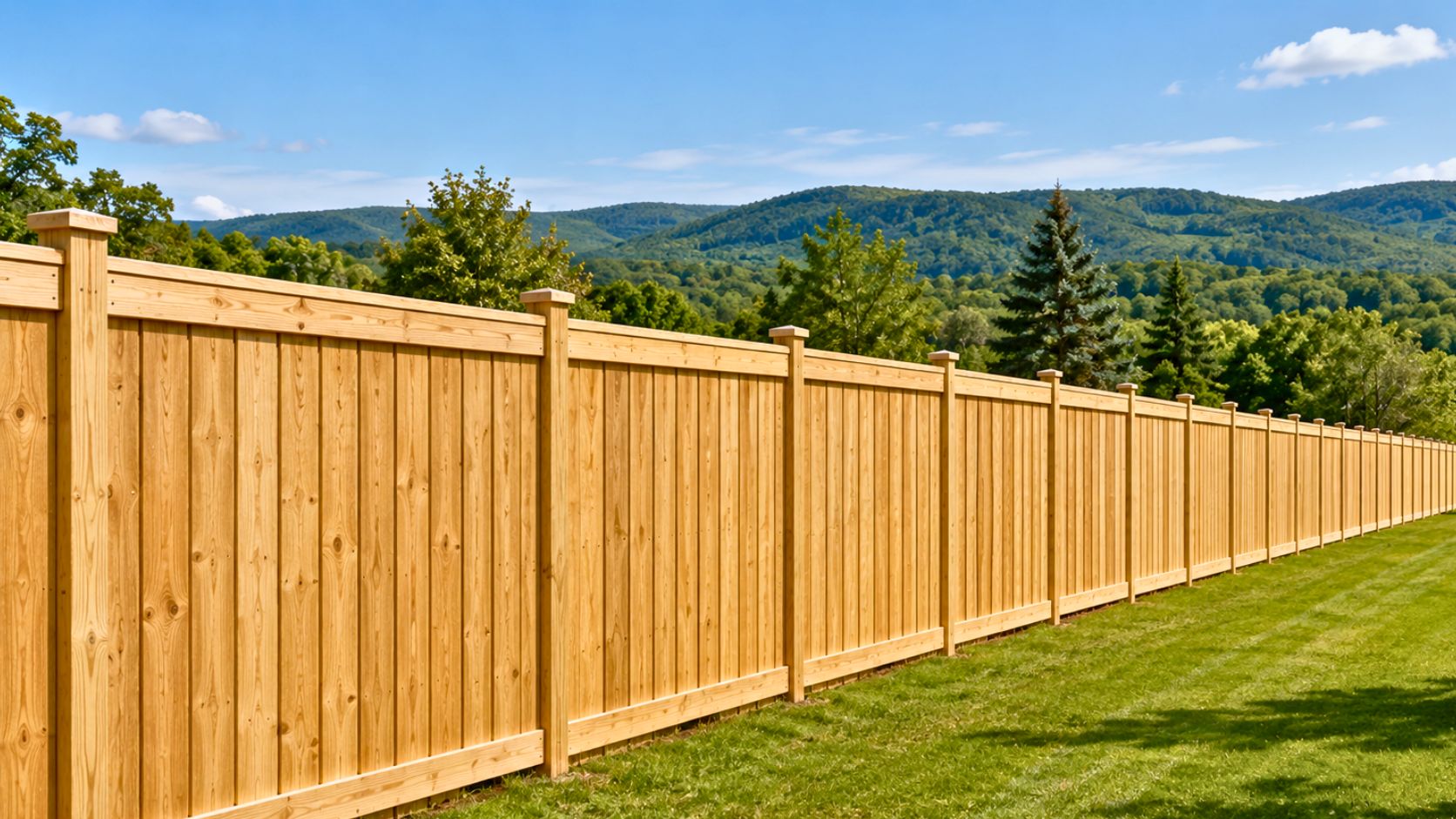
Boards overlap on the face of the rails, so there are no sight gaps at any angle. It gives you full privacy while still reading as a finished, layered look rather than a flat wall, and the overlap absorbs the seasonal movement that opens gaps in a flat board fence. Works well on corner lots or any property with visibility from multiple directions.
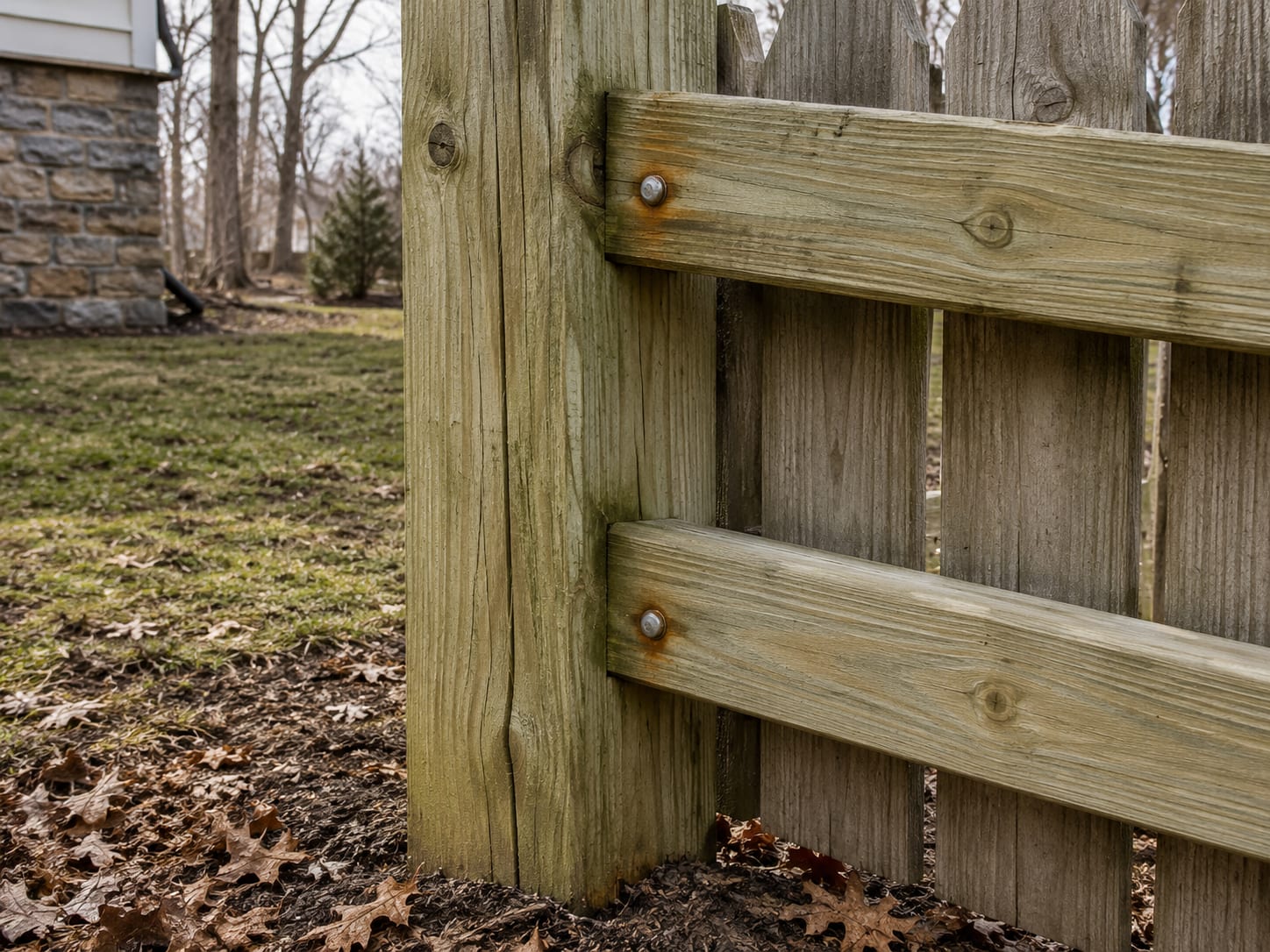
Rustic and open, with horizontal rails running between posts and no solid panels. Common on larger rural lots in places like Carmel or Newburgh, where you want to define the property without blocking the landscape. Not designed for containment, but it looks great as a border.
If none of the standard styles fit your project, a custom design is an option. This might mean mixing heights, adding decorative post caps, cutting arched tops into panels, or combining wood with metal accents. Custom work is quoted based on the specific design and materials involved.
Why Wood Still Makes Sense in New York
Wood is strong, workable, and genuinely attractive in a way that synthetic materials try to imitate but rarely match. When you're looking at a well-built wood fence on a property, you can tell the difference.
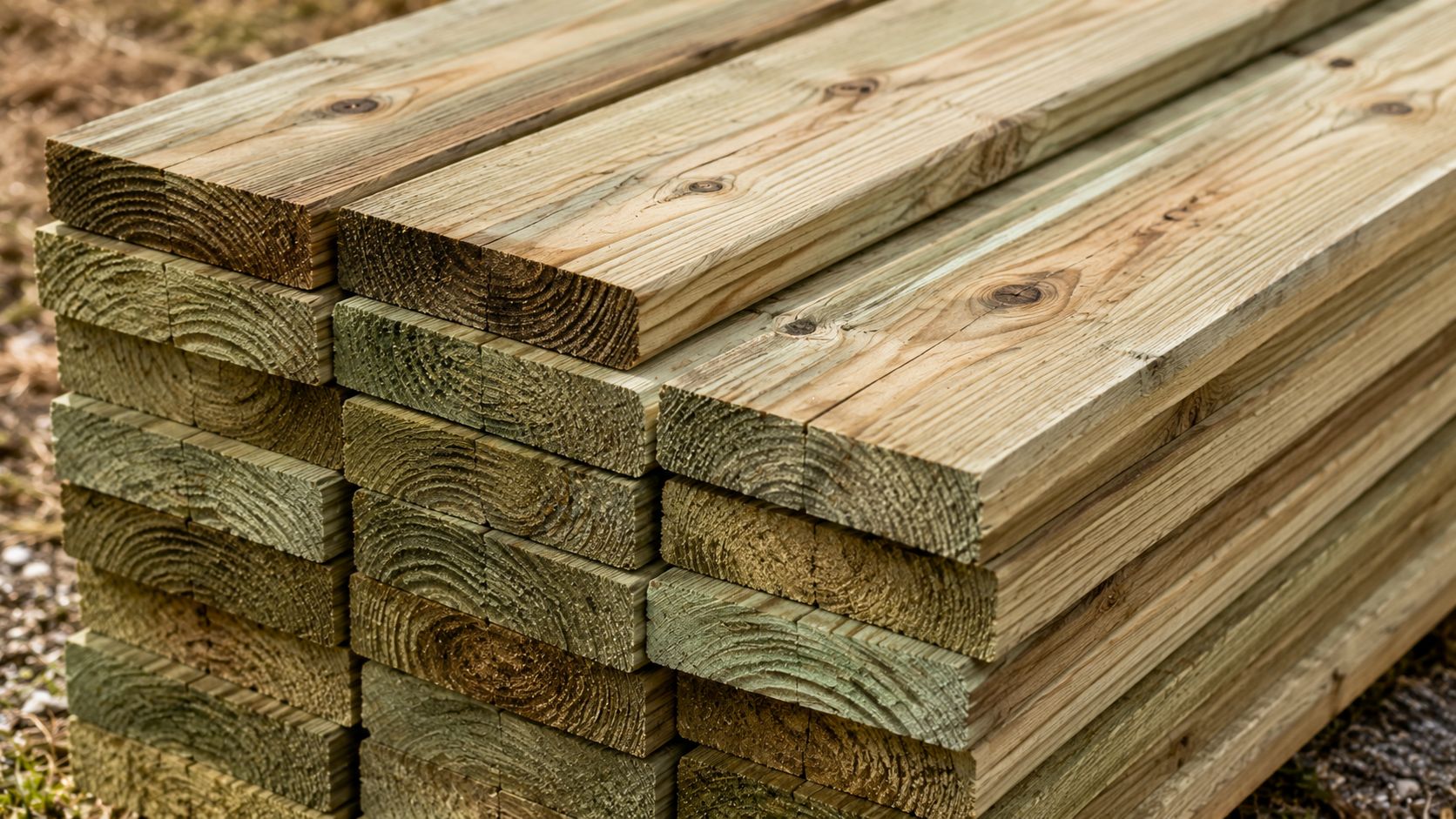
Not all wood is the same. Pressure-treated pine is the most common choice for residential fencing because it's treated to resist rot and insects. Cedar is another strong option, since it has naturally decay-resistant heartwood that helps it shrug off moisture without chemical treatment. The right choice depends on your budget, your preferred look, and how much maintenance you're willing to do over the years.
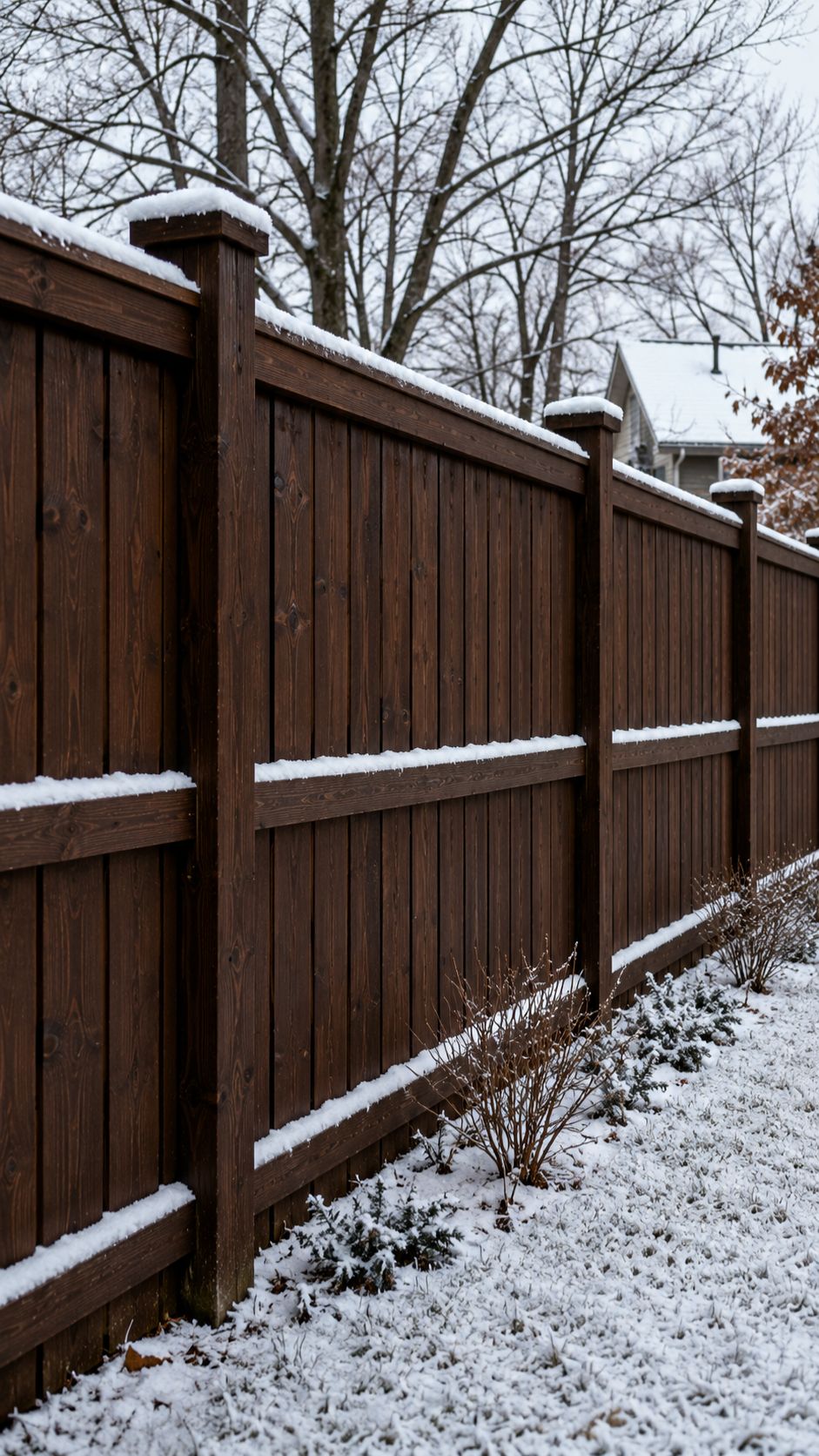
Maintenance is the honest part of the wood fencing conversation. Staining or sealing every few years keeps moisture out and extends the life of the boards. If you skip that step, you'll see wood start to gray, check, or soften sooner than it should. That's not a reason to avoid wood; it's just something to go in knowing so your fence lasts the way it should. Wood is also easier to repair than vinyl or aluminum if a section ever gets damaged, which adds to its long-term value.
How the Installation Process Works
From the first call to the finished fence, here's what to expect when you work with Portillo Fences and Gates.
Scroll the steps sideways to follow the full process.
What Sets Portillo Fences and Gates Apart
Portillo Fences and Gates is fully licensed and insured, which protects you as the homeowner if anything unexpected happens during the job. Beyond that, here's what makes working with us a different experience.
We work across a wide area, from Yonkers up through Poughkeepsie and Kingston. Each municipality has its own permit requirements, setback rules, and height limits. That local knowledge matters when you're trying to avoid code violations or neighbor disputes after the fence is already in the ground.
Some contractors take a job, run into problems on site, and then ask for more money. We look at the property first and price the job based on what's actually there, including slopes, tree roots, rocky soil, and any access challenges. What you're quoted is what you pay.
The difference between a fence that looks good on day one and one that still looks good in year five comes down to how it was built. Post depth, concrete mix, board spacing, hardware selection, and gate alignment all matter. We don't rush through those details to get to the next job.
If your project involves more than just wood fencing, we handle gate installation, automatic gate systems, access control, railings, and fence repair as well. You don't have to coordinate multiple contractors for a project that includes a wood privacy fence and a motorized driveway gate.
You'll know when your job is scheduled, when we're on-site, and what to expect at each stage. If something changes, we tell you directly. Homeowners shouldn't have to chase their contractor for updates.
Serving Homeowners Across the Hudson Valley and Westchester
Portillo Fences and Gates installs wood fencing throughout a wide service area covering both sides of the Hudson. That includes Brewster, Carmel, Mahopac, Pawling, Beacon, Poughkeepsie, Wappingers Falls, Newburgh, Middletown, New Paltz, and Kingston to the north and west, and White Plains, Port Chester, Ossining, Peekskill, Mount Kisco, Tarrytown, New City, Spring Valley, Suffern, and Yonkers on the Westchester and Rockland side.
Fencing regulations, permit requirements, and soil conditions vary significantly across this region. A town in Putnam County may have completely different setback rules than a village in Westchester. Rocky soil common in parts of the Hudson Valley requires different post-setting approaches than the looser soil found elsewhere. Knowing those differences before the job starts is part of what you're getting when you work with a contractor who actually operates in these areas.
Wood Fencing Frequently Asked Questions
These are the questions homeowners across our service area ask most often.
How long does a wood fence typically last in New York?
A properly installed wood fence in New York can last 15 to 20 years with regular maintenance. The real variable is how consistently the fence is stained or sealed. Skip that step and you're looking at moisture damage, splitting, and early rot at the base of boards. Cedar is more naturally resistant and can push that lifespan further in the right conditions. Posts set in concrete below the frost line usually outlast the boards by several years.
Do I need a permit to install a wood fence in New York?
It depends on where you live and how tall the fence is. It depends on where you live and how tall the fence is. Some towns set a height threshold, often around 4 feet in front yards and 6 feet in rear yards, while others require a permit for any fence at all. Brewster is one of the strict ones: the Town of Southeast requires a permit for every fence regardless of height, and caps front-yard fences lower than most towns do. But this varies by town and village, and HOA rules can be more restrictive than local code. We'll review what applies to your specific address before the job starts so you're not dealing with a stop-work order after installation.
Should I paint or stain my wood fence?
Both are valid options, but they behave differently over time. Paint creates a solid coat that can peel if moisture gets underneath it, which means you may find yourself scraping and repainting sections before the whole fence needs a full repaint. Stain penetrates the wood rather than sitting on top of it, so it tends to fade more gradually and is easier to refresh. Semi-transparent stain is a popular choice because it shows the wood grain while still offering UV and moisture protection. If you prefer a solid color, a quality exterior paint with a primer coat can work well on cedar.
How do I handle a fence on a sloped yard?
There are two main approaches: stepping and racking. Stepping means the fence panels follow the grade in a stair-step pattern, with each section level but lower or higher than the next. Racking means the rails follow the slope of the ground, so the fence flows along the grade more smoothly. A gentle slope usually racks well; a steeper grade often looks cleaner with stepped panels. We'll walk you through both options with your specific yard in mind.
Can I install a fence on the property line, or does it need to be set back?
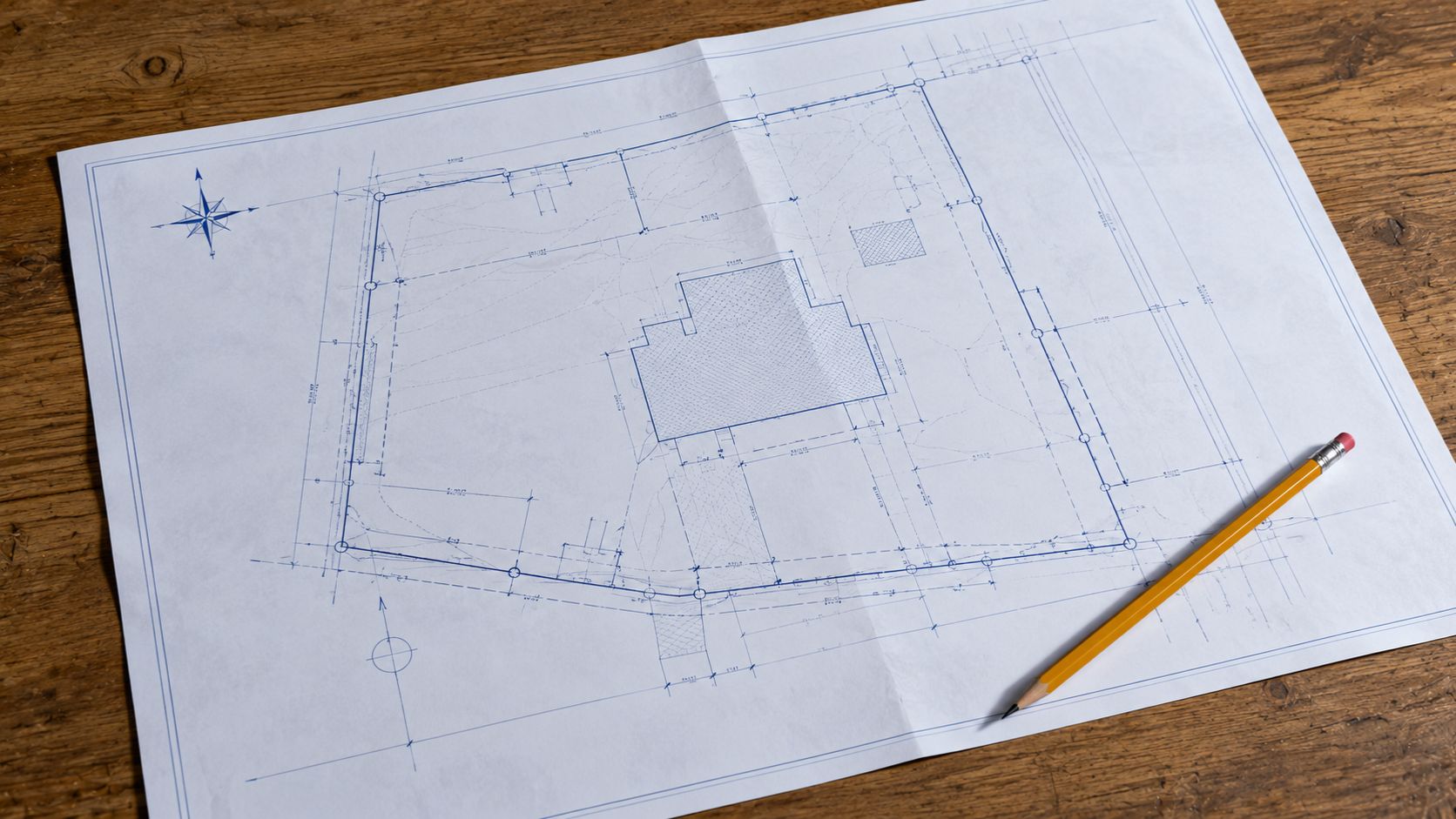
Most municipalities require the fence to sit a certain distance inside your property line rather than on it. Typical setbacks run from a few inches to a few feet depending on the jurisdiction and where on the property the fence is going. Installing on the exact line without confirming those rules can result in a requirement to move the fence at your own expense. Verifying property lines before installation is part of doing the job correctly.
What wood is best for fencing near a pool or wet area?
Near a pool or consistently wet area, pressure-treated lumber is the stronger choice for structural components like posts and rails. For the visible boards, cedar is a common upgrade since it handles moisture well without chemical treatment. Whatever material is used, make sure the fence meets local pool safety codes, including requirements for height, gate latching, and self-closing hardware. These requirements apply regardless of the material you choose.
How soon after installation can I stain or seal my fence?
New pressure-treated lumber needs time to dry before it will accept a stain or sealer. The wood comes from the treatment process with high moisture content, and coating it too soon means the product won't penetrate properly and may peel quickly. The typical wait is 3 to 6 months depending on weather conditions; kiln-dried lumber is ready sooner. The easiest test: splash a little water on the surface. If it beads up, the wood isn't ready. If it soaks in, you're good to go.
What happens if one section of my wood fence gets damaged?
One of the real practical advantages of wood fencing is that it's repairable in sections. If a board splits, a post rots at the base, or a panel gets hit by a fallen branch, you don't have to replace the entire fence. A single board, rail, or post can be swapped out without disturbing the sections on either side. The repaired section might be a slightly different color than the weathered fence around it, but that evens out with time and staining. Portillo Fences and Gates handles fence repair as a standalone service.
Get a Quote for Your Wood Fence Project
Call us at (845) 282-3336 or send a message through our contact form. We'll get back to you promptly and set up a time that works for your schedule.