

August 7, 2026
- Wood Fencing
- Cedar
- Pressure Treated
A six-foot cedar privacy fence runs $30 to $50 per linear foot installed in Orange County, and pressure-treated pine runs $22 to $38, in a February 2026 contractor price guide. The guide puts a 150-foot cedar privacy fence in Newburgh at $4,500 to $7,500.
The price gap is real, and so is what you get for it: a different kind of protection against rot, a different way of moving as it dries, and a different finishing schedule.
Key Takeaways
Orange County installed price (February 2026)
cedar $30 to $50 per foot, pressure-treated pine $22 to $38, both six-foot privacy
Statewide, 150 feet (July 2026)
pressure-treated pine $3,000 to $4,500, cedar $5,500 to $8,500
Decay resistance
USDA rates cedar heartwood "resistant," and the rating does not apply to sapwood
Treated posts carry a category
AWPA UC4A for posts in the ground, UC3B for above-ground rails and uncoated pickets
Finish
wait at least 30 days before sealing new pressure-treated lumber, then use a splash test
What each costs
The Orange County guide gives installed prices for six-foot privacy fencing that include posts, rails, hardware and basic site preparation. A July 2026 New York statewide guide gives $3,000 to $4,500 for 150 linear feet of pressure-treated pine and $5,500 to $8,500 for cedar, and lists Albany and Hudson Valley pricing at $15 to $35 per linear foot without separating the species. These figures come from contractor pricing guides, so they are not a quote on your yard. Gates, demolition, rock, grade changes, access and drainage all move the price.
How each resists rot
The USDA Forest Products Laboratory rates the heartwood of western redcedar, eastern redcedar and northern white cedar as "resistant" to decay. That is one step below "very resistant," and it describes average heartwood. Sapwood has much lower natural durability. The laboratory says heartwood in the resistant category generally performs satisfactorily above ground, and that the very resistant category is more suitable for ground contact. Untreated southern yellow pine heartwood is not among the naturally decay-resistant species.
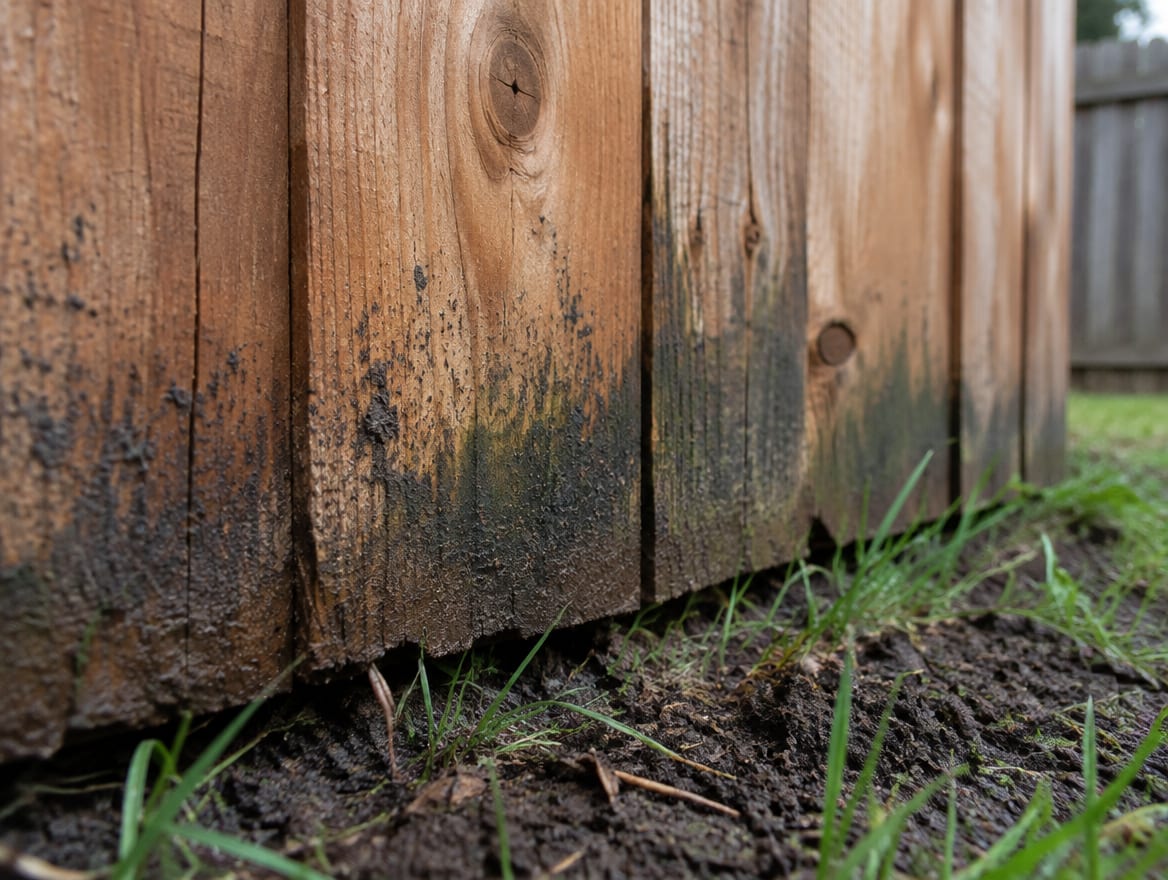
Pine gets its resistance from preservative. The American Wood Protection Association Standard U1 (2024) assigns fence parts by exposure:
- Fence posts in ground contact: UC4A, Ground Contact, General Use. UC4B, Ground Contact, Heavy Duty, is for more demanding uses.
- Rails and uncoated pickets above ground: UC3B, Exterior Above Ground, Uncoated or Poor Water Runoff
- Coated pickets and rails: UC3A, Exterior Above Ground, Coated with Rapid Water Runoff
Retention is the pounds of preservative per cubic foot, and it depends on the preservative. The AWPA homeowner summary lists these nominal figures for southern pine:
UC3B: 0.25
UC4A: 0.40
UC4B: 0.60
Tap a row to open it.
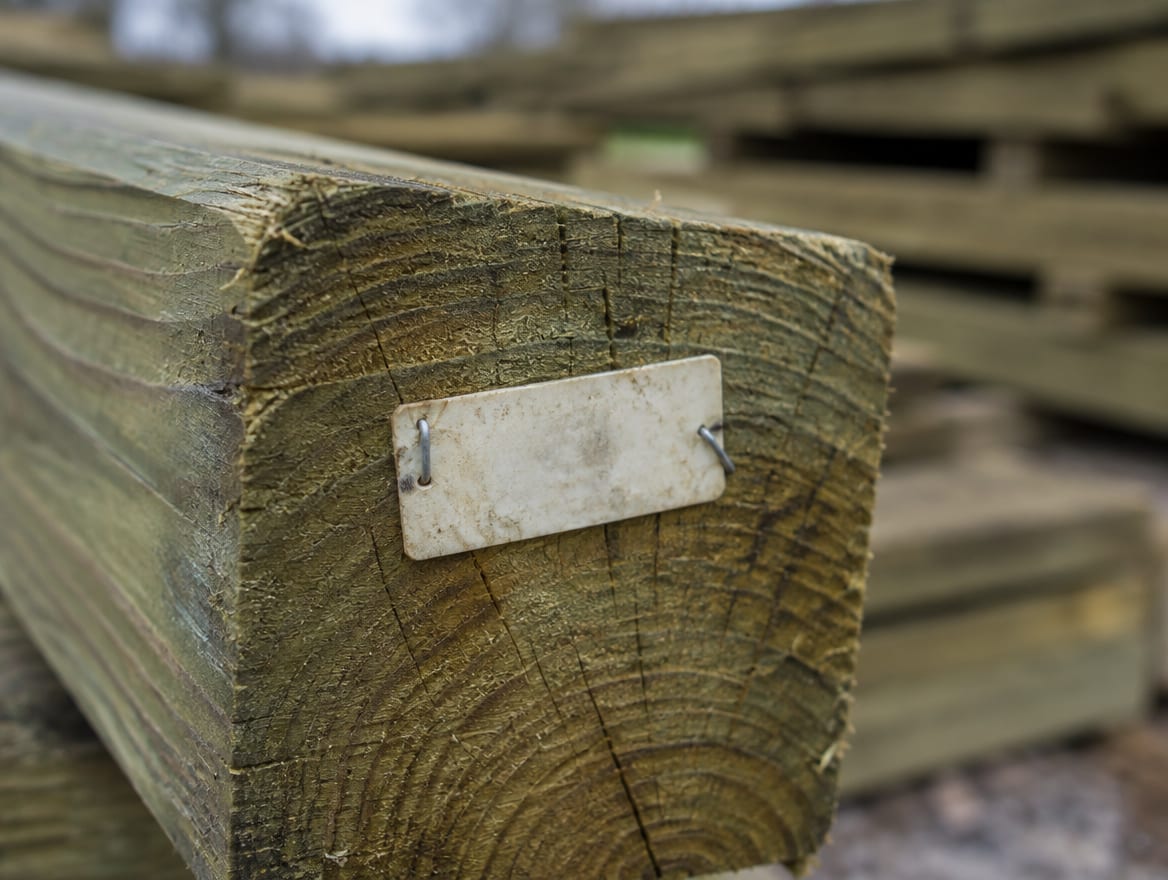
On a product tag, look for AWPA U1, the use category, the preservative and the retention. AWPA states that lumber two inches or less thick may be treated only for above-ground use, so a treated picket is not a post.
Fasteners and cut ends
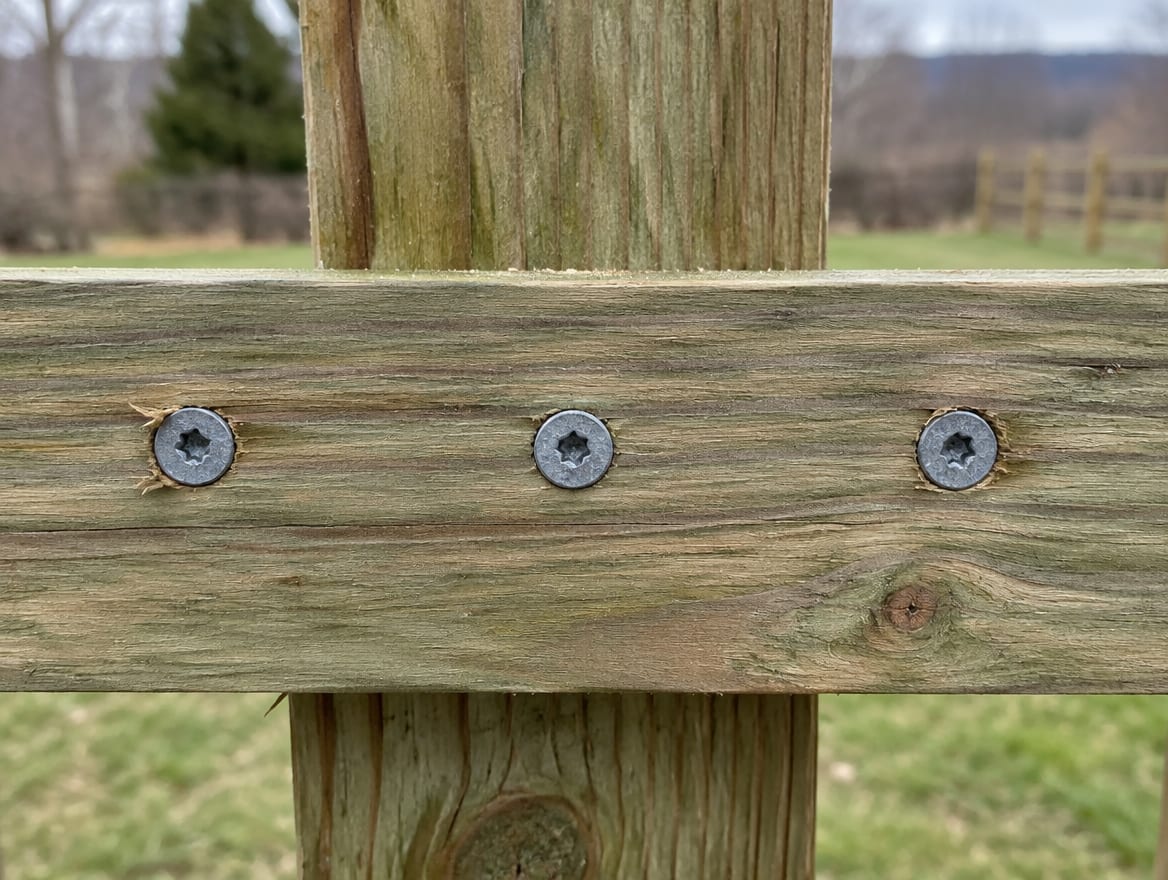
Treated lumber calls for corrosion-resistant hardware. Treated Wood recommends hot-dipped galvanized fasteners conforming to ASTM A153 and connectors to ASTM A653 G185, with stainless steel for corrosive environments, Type 304 or higher for very wet ones and Type 316 or higher near salt. Simpson Strong-Tie says hot-dip galvanized or stainless steel hardware is what the treated-wood industry recommends, that hot-dip galvanizing is different from electroplated or mechanically galvanized coatings, and that galvanized and stainless parts should not be mixed. Field-cut ends and drilled holes should get a compatible brush-on preservative, and boards should be predrilled near the ends without overdriving fasteners.
Shrinking, checking and warping
The USDA Wood Handbook gives western redcedar shrinkage from green to oven-dry of 2.4 percent radial, 5.0 percent tangential and 6.8 percent volumetric. Uneven shrinkage and swelling cause bow, twist, crook and cup, wide boards cup more than narrow ones, and checks form as wood dries or cycles between wet and dry. Western redcedar is low in density with relatively low shrinkage, and the weathering discussion contrasts it with heavier southern pine, which tends to warp and check more.
Pressure-treated lumber can shrink, crack, split and warp as it dries. Treated Wood advises installing boards expecting slight shrinkage in width and thickness. AWPA says drying after treatment may be specified for dimensional stability, and where it is, moisture content cannot exceed 19 percent.
Finishing
- New pressure-treated lumber: Thompson's WaterSeal advises waiting at least 30 days, then sprinkling water on the surface. If it soaks in and darkens within five seconds, the wood is ready. If it beads, it needs more drying.
- Inspection interval: Cabot says fences and siding should be inspected every 7 to 10 years to decide whether to retouch or recoat. That is an inspection interval, not a guaranteed coating life.
- Stain life: Penofin states one of its exterior stain products gives four years of protection on fences and siding.
- Pine schedule: the Orange County guide says pressure-treated pine should be stained or sealed every two to three years.
- Bare cedar: untreated cedar can weather to silver-gray. That is a surface color change from weather and ultraviolet light, and it does not show whether the wood kept its original decay resistance. A finish is for owners who want to hold the color or reduce water uptake.
What the Hudson Valley adds
The National Weather Service Poughkeepsie station, in Dutchess County, reports an annual precipitation normal of 41.90 inches for 1991 to 2020. Its freeze normals show a median last spring freeze of 32 degrees on April 30 and a median first fall freeze on October 14, with a 50 percent chance of a freeze-free period of 168 days. Those dates mark a recurring freeze season; they are not a count of freeze-thaw cycles.
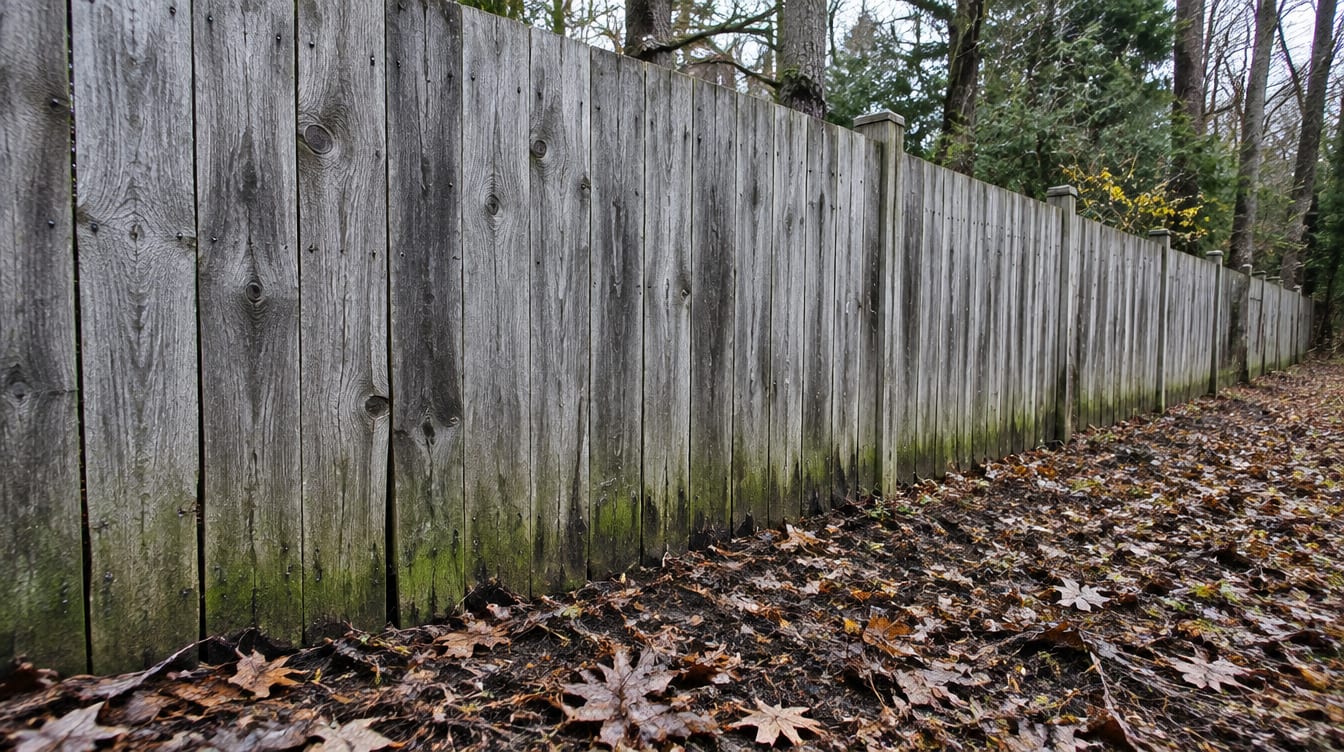
Decay needs moisture, a suitable temperature and oxygen, and repeated wetting and drying move wood, causing checking, cupping and warping. On a low or wet lot, moisture at the soil line raises decay risk for cedar boards and treated pine alike. Cedar's resistance is a property of the heartwood, and treated pine's depends on the preservative, the retention and the use category. For a wet lot, ask the contractor to look at drainage, soil moisture and the post condition along the fence line.
Fifteen years of ownership
The installed price, the finish and its schedule, repairs, gates, site conditions and replacement timing all go into a fifteen-year total, and cedar and pine differ on each of them. Ask for a site-specific installation quote, then add the finish product and its recoating interval and the repairs you expect. That comparison is yours to build from your own numbers.
Check yourself
1. What does the Orange County guide list for six-foot cedar privacy fence, installed per linear foot?
2. Which AWPA use category applies to fence posts in ground contact?
3. How long should new pressure-treated lumber dry before sealing, per Thompson's WaterSeal?
4. How does the USDA rate the decay resistance of cedar heartwood?
Frequently Asked Questions
Q: Is cedar worth the extra cost? A: Cedar heartwood is rated resistant to decay and moves less as it dries than southern pine. In Orange County's guide it costs $30 to $50 per foot against $22 to $38 for treated pine.
Q: What do the UC4A and UC3B tags mean? A: UC4A is the AWPA category for fence posts in ground contact, and UC3B is for above-ground rails and uncoated pickets.
Q: How long should pressure-treated wood dry before staining? A: At least 30 days, then a splash test: water that soaks in and darkens within five seconds means it is ready.
Q: Does cedar need a finish? A: Untreated cedar weathers to silver-gray, a surface change that does not show whether its decay resistance has held. A finish holds the color and reduces water uptake.
Q: Which fasteners go with treated wood? A: Hot-dipped galvanized meeting ASTM A153, or stainless steel, with Type 316 or higher near salt.
Cedar is the higher price and the lower movement. Treated pine is the lower price and the more demanding schedule. Either one lasts longest on a well-drained lot with posts rated for ground contact.
At Portillo Fences and Gates, we install and repair wood fencing across Putnam, Westchester, Dutchess, Orange, Ulster and Rockland Counties, for residential properties and as custom fencing, with fence repair for posts and boards that have failed. We name the species, the treatment category and the fasteners on every estimate. Contact us for a free estimate, or call (845) 282-3336.