

September 23, 2026
- Vinyl Fencing
- Wood Fencing
- Fence Cost
A six-foot vinyl privacy fence in Westchester County runs $35 to $60 per linear foot installed in one 2026 price guide, against $30 to $55 for cedar and $25 to $45 for pressure-treated wood. The same guide lists expected lives of 20 to 30 years for vinyl, 15 to 25 for cedar and 10 to 15 for pressure-treated wood.
Those are the figures that frame a twenty-year comparison. The rest is what each fence asks of you between the day it goes in and the day it comes out.
Key Takeaways
Vinyl costs more up front
$35 to $60 per linear foot for six-foot privacy in Westchester, $35 to $65 in Dutchess, against $30 to $55 for cedar in both counties
Expected life
20 to 30 years for vinyl, 15 to 25 for cedar, 10 to 15 for pressure-treated wood, per one Westchester County guide
Vinyl upkeep is a yearly wash
soap and water; wood commonly needs staining or sealing every two to three years, per a regional contractor guide
Warranties cover materials
manufacturers generally exclude labor, removal, normal fading and weathering
Winter damage differs
vinyl can crack from cold-weather impact and install stress; wood rots where moisture sits at the ground
What each fence costs to install
These are published figures from named guides, each tied to its county, height and year. They are not bids on your property, and they should not be averaged.
- Westchester County, 2026 (Trusted Local Contractors): six-foot vinyl privacy $35 to $60, six-foot cedar privacy $30 to $55, six-foot pressure-treated privacy $25 to $45
- Dutchess County, 2026 (Trusted Local Contractors): six-foot vinyl privacy $35 to $65, six-foot cedar privacy $30 to $55
- Westchester, June 2022 (HomeBlue): four-foot vinyl $30 to $38, four-foot wood privacy $20 to $28
- Hudson Valley, April 2026 (Growcycle): $15 to $30 per linear foot generally, wood installation $1,500 to $3,000 and vinyl installation $2,000 to $4,000, a marketplace guide
- White Plains, 2025 (Ergeon): about $44 per foot for both wood and vinyl, as area averages for completed projects
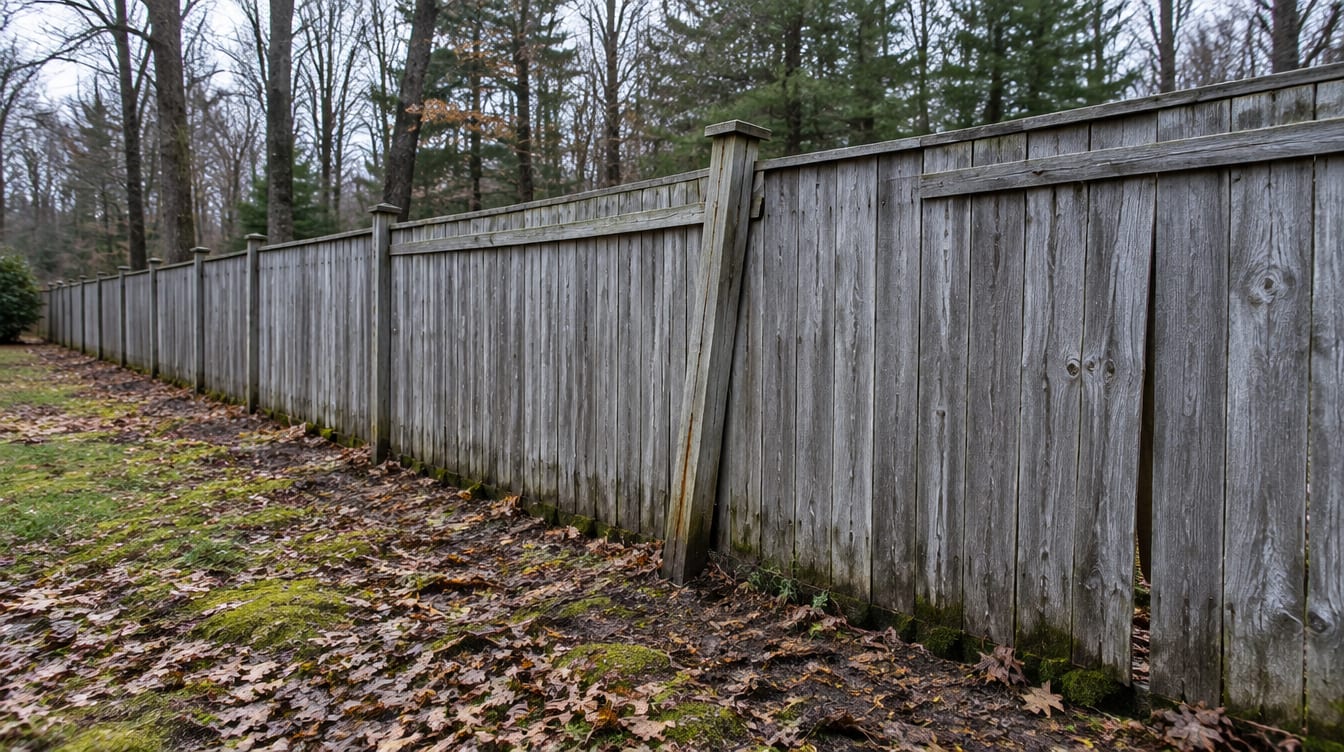
Six-foot privacy fence in Westchester County: installed cost and expected life, one 2026 price guide
Installed, per linear foot: $35 to $60
Expected life: 20 to 30 years
Tap a row to open it.
Angi's national figures for related work are a useful reference for the lines a quote may carry: painting or staining at $3.50 to $13 per linear foot for a professional job, removal of an existing fence at $3 to $5, and permits at $20 to $60. Those are national, not Hudson Valley.
Upkeep you can plan around
Vinyl. VEKAfence says its fence needs only a yearly hosing with soap and water, and Bruce Fence's care sheet says annual washing with mild detergent keeps the fence looking new. Vinyl still needs room to move. Homeland Vinyl says an 8-foot rail can change by up to 1/4 inch over an 80-degree temperature swing, and recommends clearance for expansion and contraction. Gate hardware and posts still need inspection and repair.
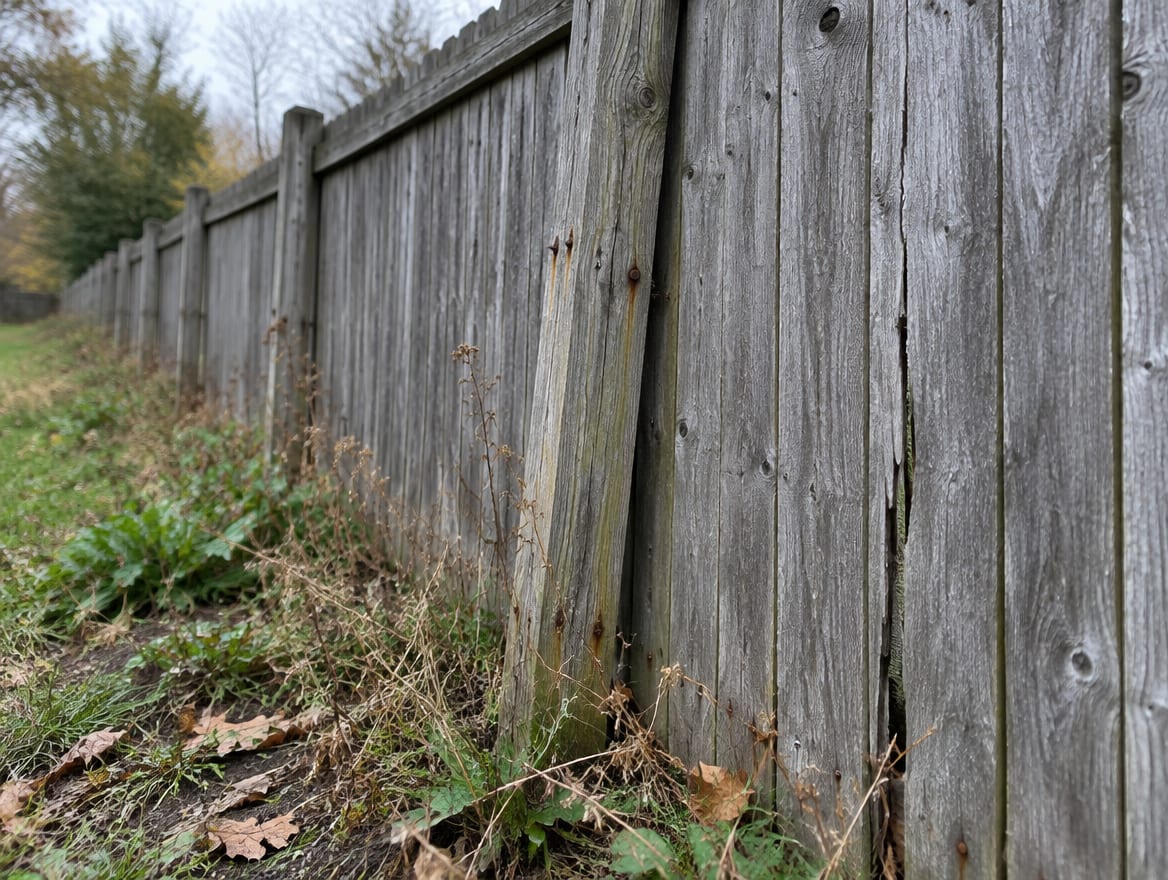
Wood. University of Minnesota Extension rates a wood post-and-rail fence as high maintenance with an expected life of 15 to 20 years, and rates plastic post-and-rail at 20 to 30 years and moderate maintenance. Penn State Extension recommends regular checks for leaning, breakage, rot and looseness, resetting or replacing compromised posts, and clearing weeds and brush along the line. It states that properly treated posts can last 10 to 25 years depending on soil and treatment quality. A regional contractor guide for New York, New Jersey and Delaware says wood commonly needs staining or painting every two to three years and vinyl one thorough cleaning a year. The right interval for your fence depends on the wood species, the finish, and how much sun and weather the fence takes.
What the warranties cover
Warranty terms belong to a named product line, so read the one for the fence you are buying. A sample of what three vinyl makers and three wood suppliers state:
- Homeland Vinyl: lifetime coverage for the original purchaser who still owns the fence, for manufacturing defects including peeling, flaking, blistering, rotting and corroding. Labor and removal costs are not covered, and normal weathering and fading are excluded.
- National Vinyl Products: residential coverage for the original owner's lifetime, one transfer to a later owner with written notice within 30 days and a $100 fee, after which coverage becomes 30 years from the original purchase. The purchaser pays labor and removal.
- Universal Consumer Products: lifetime for the original consumer owner, no transfer, and variations in color and fading excluded.
- Barrette Outdoor Living wood: 15 years for pressure-treated, stained and cedar products, one year for untreated wood. Ground contact voids it, because the treatment is specified for above-ground use.
- ProWood pressure-treated lumber: a lifetime limited warranty for structural failure from fungal decay or termites, with ground-contact products covered for ground contact and above-ground products for above-ground use.
- FrameGuard treated wood: limited 20 years against decay and termites, with moisture after installation, improper installation and failure to maintain among the exclusions.
Across all of them, the coverage is for material failure from defined causes. It does not promise that wood stays straight and uncracked, it does not cover fading, and it generally leaves out installation labor.
How vinyl is made
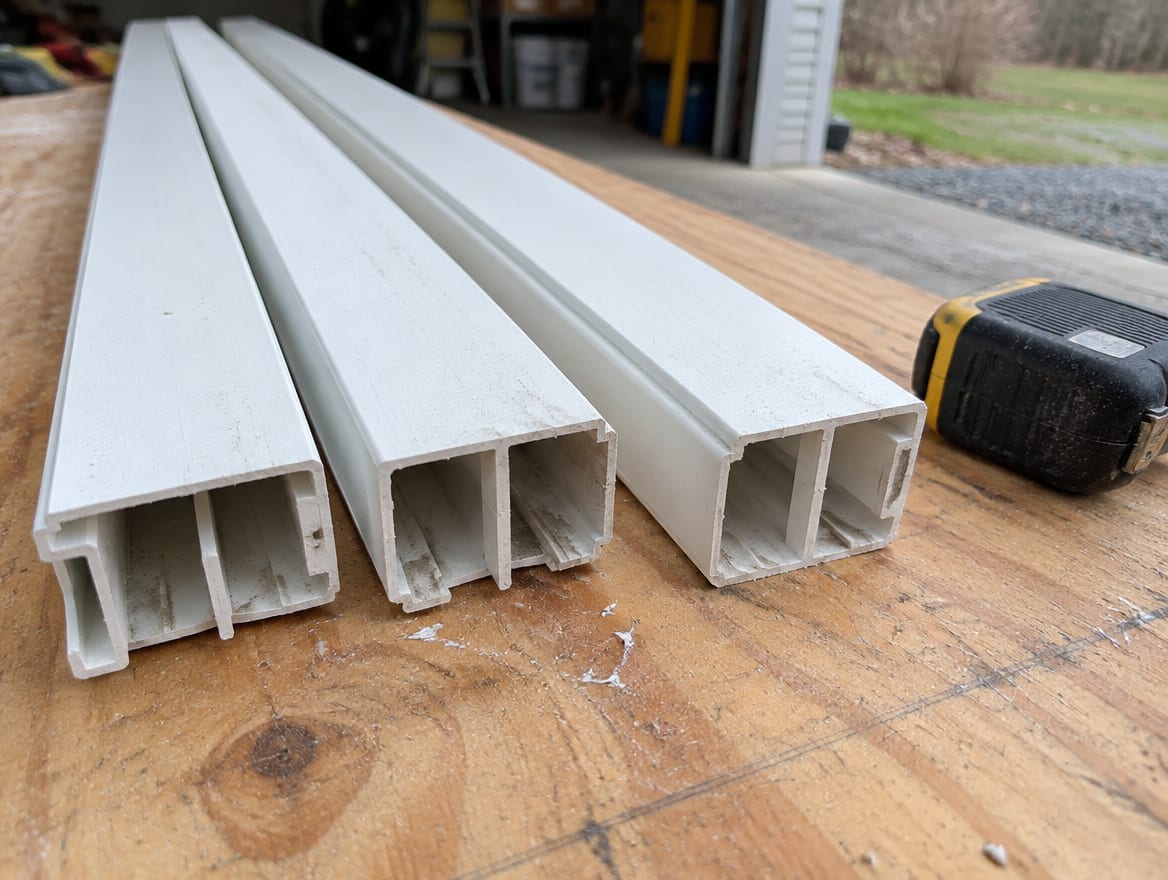
ASTM F964-13 covers rigid PVC exterior profiles for fencing and railing. It does not set one minimum wall thickness for every profile, so the wall is a product specification. The standard does set a minimum exposed capstock thickness of 0.010 inch for coextruded profiles, and it requires weathering and impact performance. Wall thickness varies by product line: VEKA lists profiles from 0.045 to 0.090 inch, and Homeland's catalogs list pickets at 0.055, 0.070 and 0.080 inch. Titanium dioxide is the UV inhibitor several makers name. A thin profile is not defective by that fact alone, but the products sold as vinyl differ.
When you compare quotes, ask for the product line's profile chart, the actual wall thickness of each part, the capstock thickness, the UV formulation and the written warranty.
What winter does to each
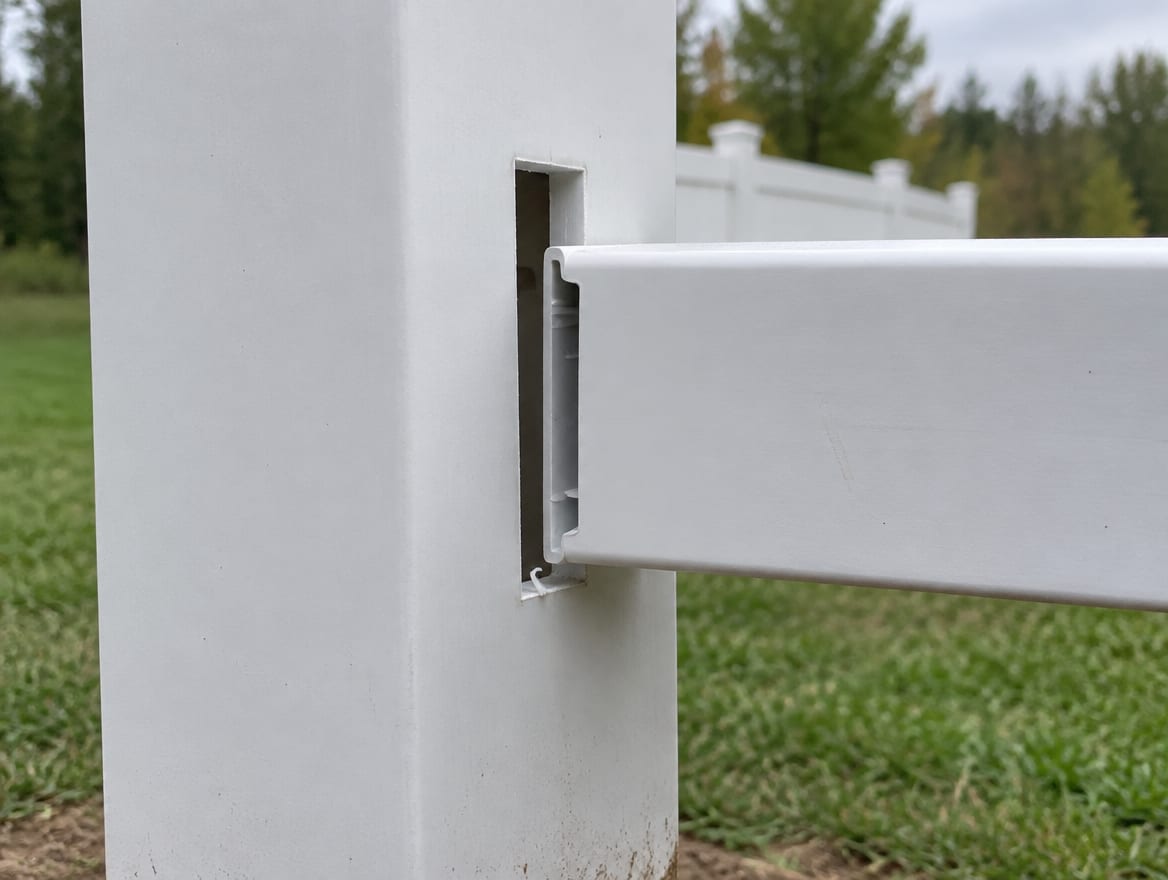
Vinyl. The Bufftech installation manual warns that one installation method in freeze-thaw climates could crack posts over time, and says that damage is not covered by the warranty. It calls for posts 30 inches deep or to the frost line, and a one-inch gap at rail ends inside posts for expansion. American Vinyl Works says lower-grade products can be thinner and more brittle in cold, and that snow piles, plows, branches, ice and equipment can damage vinyl. Bruce Fence says vinyl can break from direct impact, such as a vehicle.
Wood. Wood can split, warp or rot, especially where moisture stays at or near grade. The Barrette warranty separates rot and fungal decay from ordinary weathering such as splitting, checking, twisting, warping and shrinkage. Penn State says soil strongly affects how long a fence lasts, and snow load and frost heave stress posts and connections.
So, vinyl does not rot from moisture, and its risks are cold impact, trapped water, frost movement and installation stress. Wood's risk is moisture at the ground and the upkeep schedule.
Pricing your own 20 years
A twenty-year total for your fence is the sum of five lines: installation, finish or cleaning, repairs, replacement timing and any gates. A break-even year depends on your height, wood species, finish schedule and how long each fence lasts on your lot. Ask each contractor to price those five lines for the specific fence, and compare them side by side. Price the actual stain, cleaning and repair tasks for the fence and the exposure it gets.
Check yourself
1. What does one 2026 Westchester County guide list for a six-foot vinyl privacy fence, installed?
2. What expected life does that guide list for pressure-treated wood?
3. Which cost does Homeland Vinyl's lifetime warranty leave out?
4. How often does a regional contractor guide say wood commonly needs staining or painting?
Frequently Asked Questions
Q: Which lasts longer, vinyl or wood? A: One Westchester County guide lists 20 to 30 years for vinyl, 15 to 25 for cedar and 10 to 15 for pressure-treated wood. University of Minnesota Extension lists 15 to 20 years for wood post-and-rail and 20 to 30 for plastic.
Q: Does vinyl need any upkeep? A: A yearly wash with soap and water, plus inspection of posts, rails and gate hardware.
Q: Does a lifetime vinyl warranty cover installation labor? A: The Homeland, National Vinyl Products and Universal warranties above exclude labor and removal costs.
Q: Can vinyl crack in winter? A: Yes, from cold-weather impact, trapped water, frost movement or installation stress. A product-specific installation manual and warranty say what is covered.
Q: How often does a wood fence need staining? A: A regional contractor guide says every two to three years; the product label for your finish sets the real interval.
Vinyl costs more at the start and asks for less. Wood costs less at the start and asks for a schedule. The twenty-year number comes from your own quote and your own upkeep.
At Portillo Fences and Gates, we install and repair fencing across Putnam, Westchester, Dutchess, Orange, Ulster and Rockland Counties, in vinyl and wood, with fence repair for either one. We itemize installation, gates and removal on every estimate. Contact us for a free estimate, or call (845) 282-3336.