

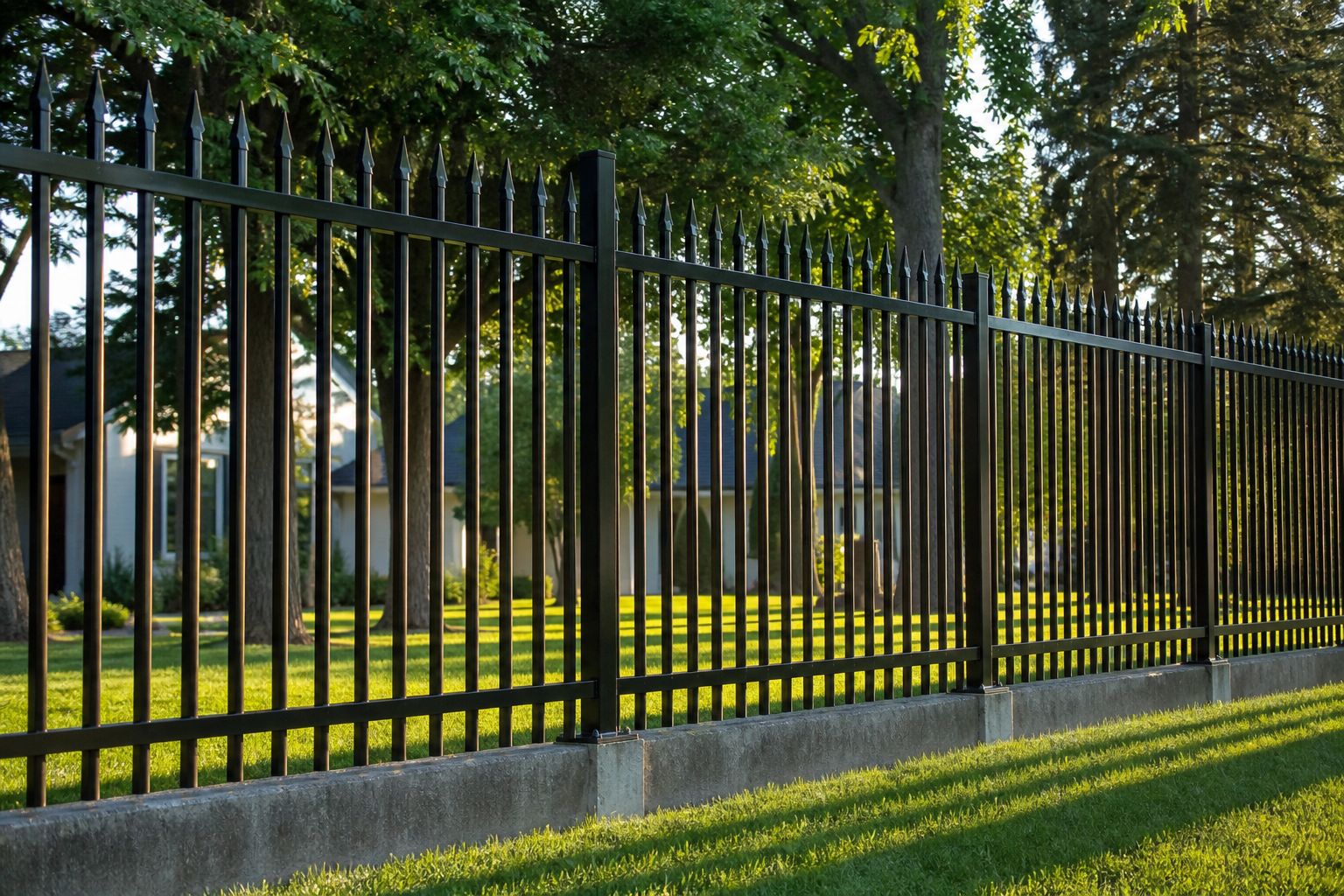
Aluminum Fencing That Looks Great and Lasts for Decades
What You Actually Get With an Aluminum Fence
Aluminum fencing gives you the clean, classic look of wrought iron without the rust, the painting, and the ongoing upkeep that goes with it. If you have wanted a fence that holds its appearance year after year without a lot of effort on your part, aluminum is worth a close look.
The material itself is lightweight but genuinely strong. Powder-coated aluminum resists corrosion even through wet Hudson Valley winters, humid summers, and everything in between. You are not going to find yourself repainting it every few years or dealing with rust stains spreading down your posts.
Aluminum fencing works well in a lot of situations. It is a natural fit around pools because it meets most code requirements for pool enclosures and holds up against splash and humidity without breaking down. It works around front yards where you want a defined border without blocking your curb appeal. It works along property lines where you need something durable but not visually heavy. And it works in commercial settings where appearance and long-term cost matter equally.
At Portillo Fences and Gates, we install aluminum fencing for residential and commercial properties across Brewster, Carmel, Mahopac, Pawling, White Plains, Poughkeepsie, Newburgh, and the wider region. Every project starts with understanding what you need the fence to do, and then building it to do exactly that.
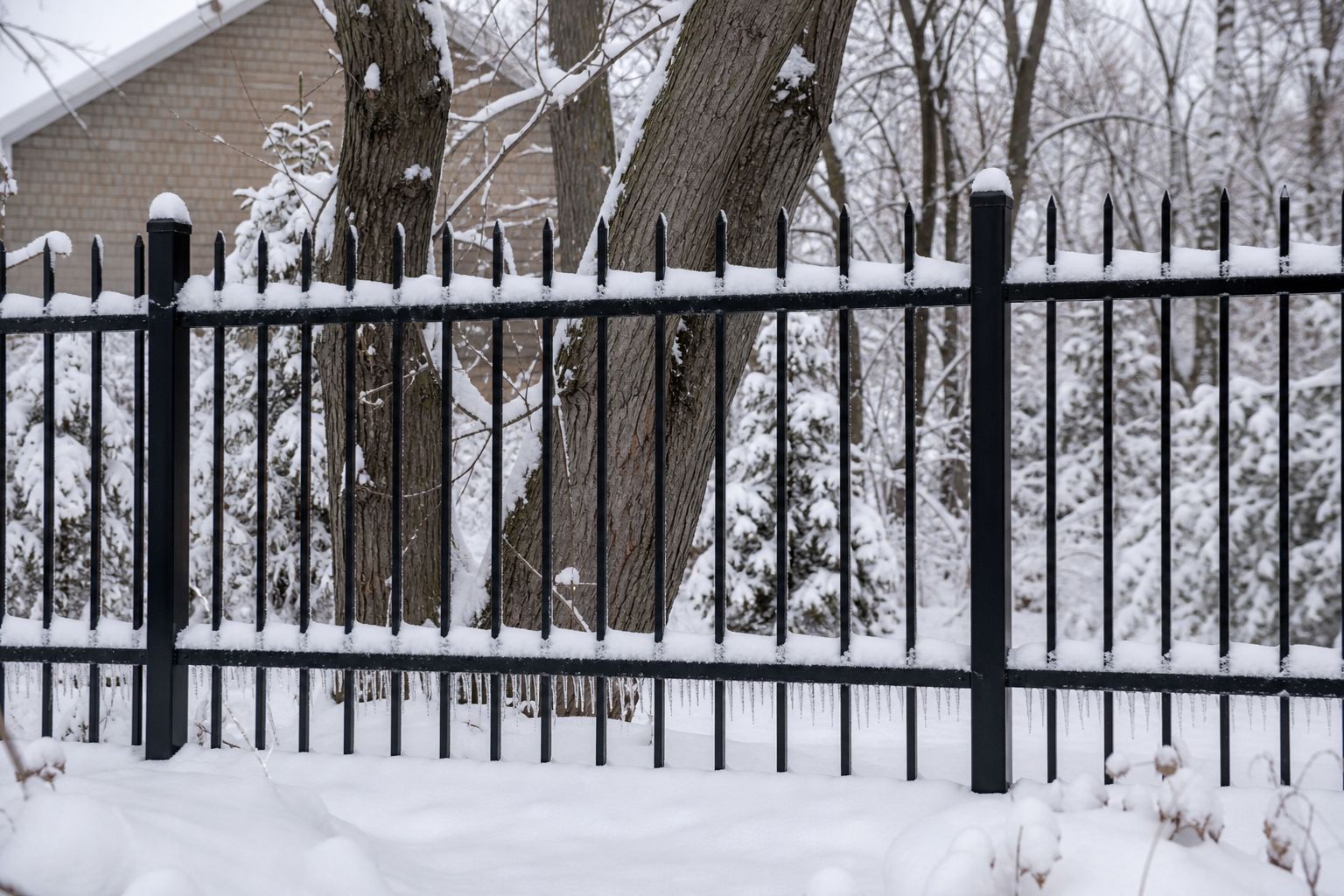
Why Aluminum Outperforms the Alternatives
Aluminum has real advantages over other fencing materials, and they show up over the life of the fence, not just on installation day. Here is how it stacks up where it counts.
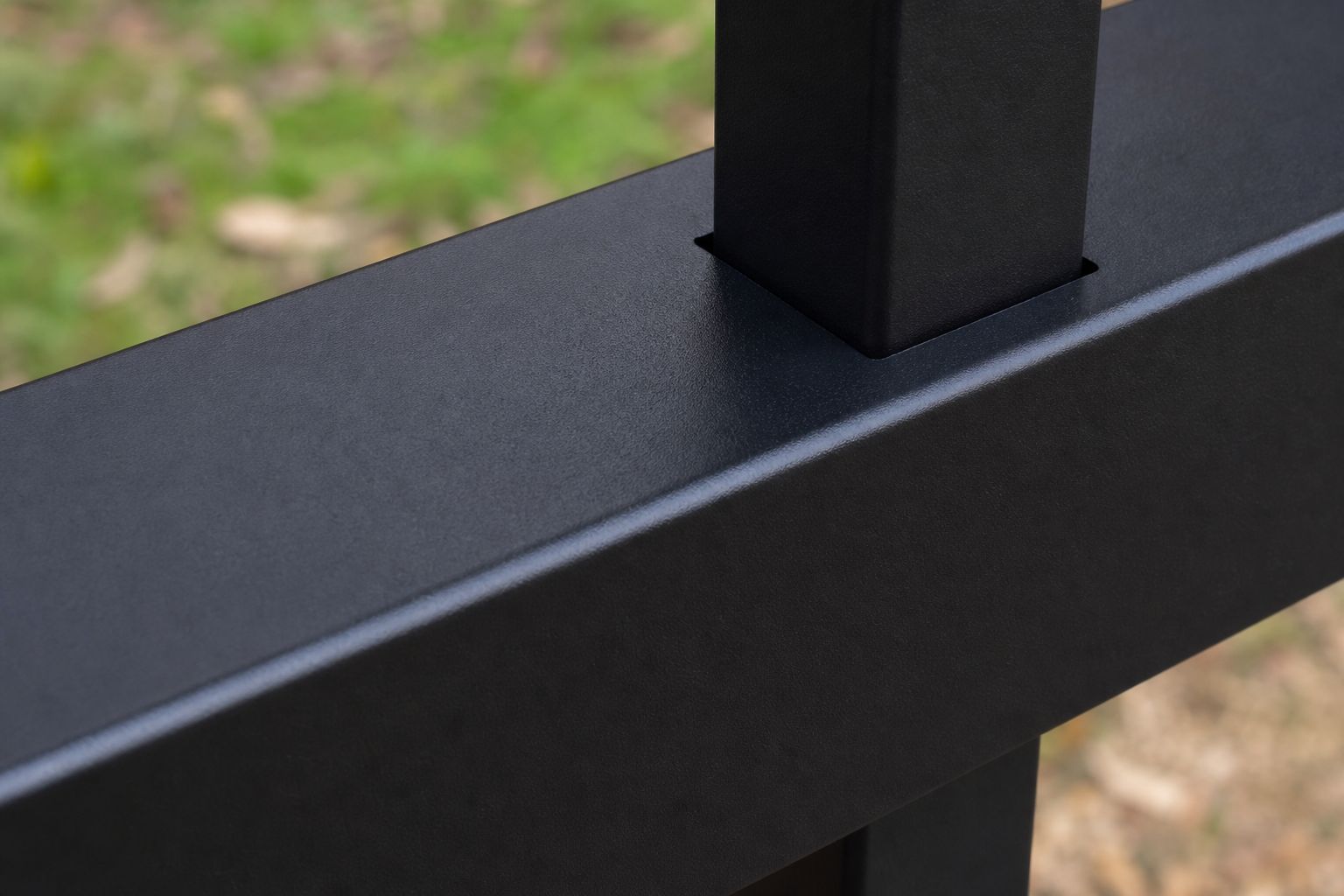
Unlike wrought iron, aluminum does not rust. Unlike wood, it does not rot, warp, or need seasonal staining. The powder coating is baked on during manufacturing, not brushed on at the job site, so it bonds to the surface and holds its color through years of exposure without flaking or fading the way painted surfaces do.
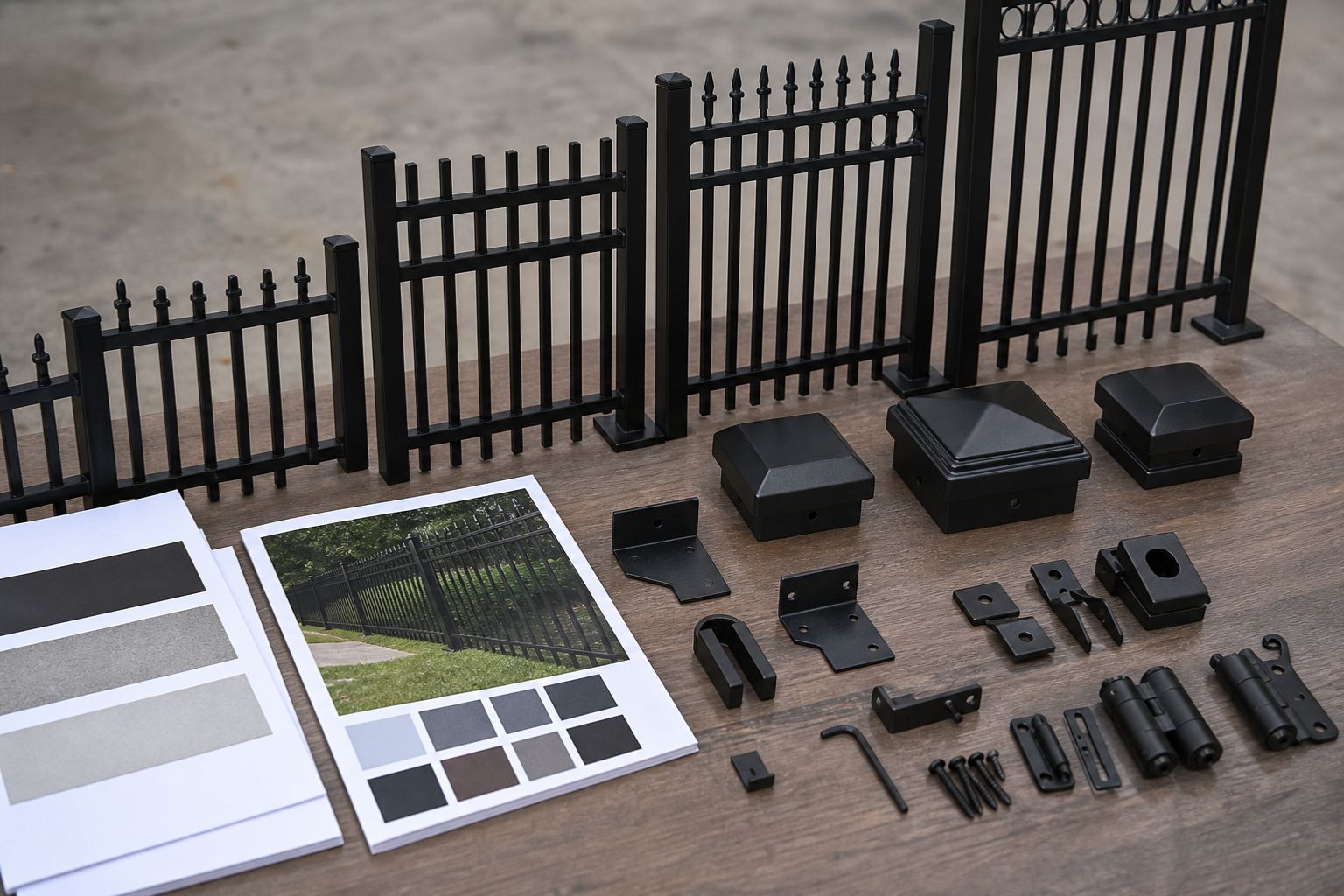
Aluminum is lighter than steel or iron, but that does not mean it is flimsy. Modern aluminum fence panels are engineered with enough rigidity to handle wind loads, impact from lawn equipment, and the weight of gates without bending or buckling under normal conditions. Commercial-grade aluminum profiles are available for higher-demand applications.
If you have a pool, your fence needs to meet specific height and spacing requirements under New York state code and local ordinances. Aluminum fencing is manufactured to meet those standards, including the required picket spacing to prevent small children from squeezing through. This matters not just for safety but for your homeowner's insurance and your municipal inspection.
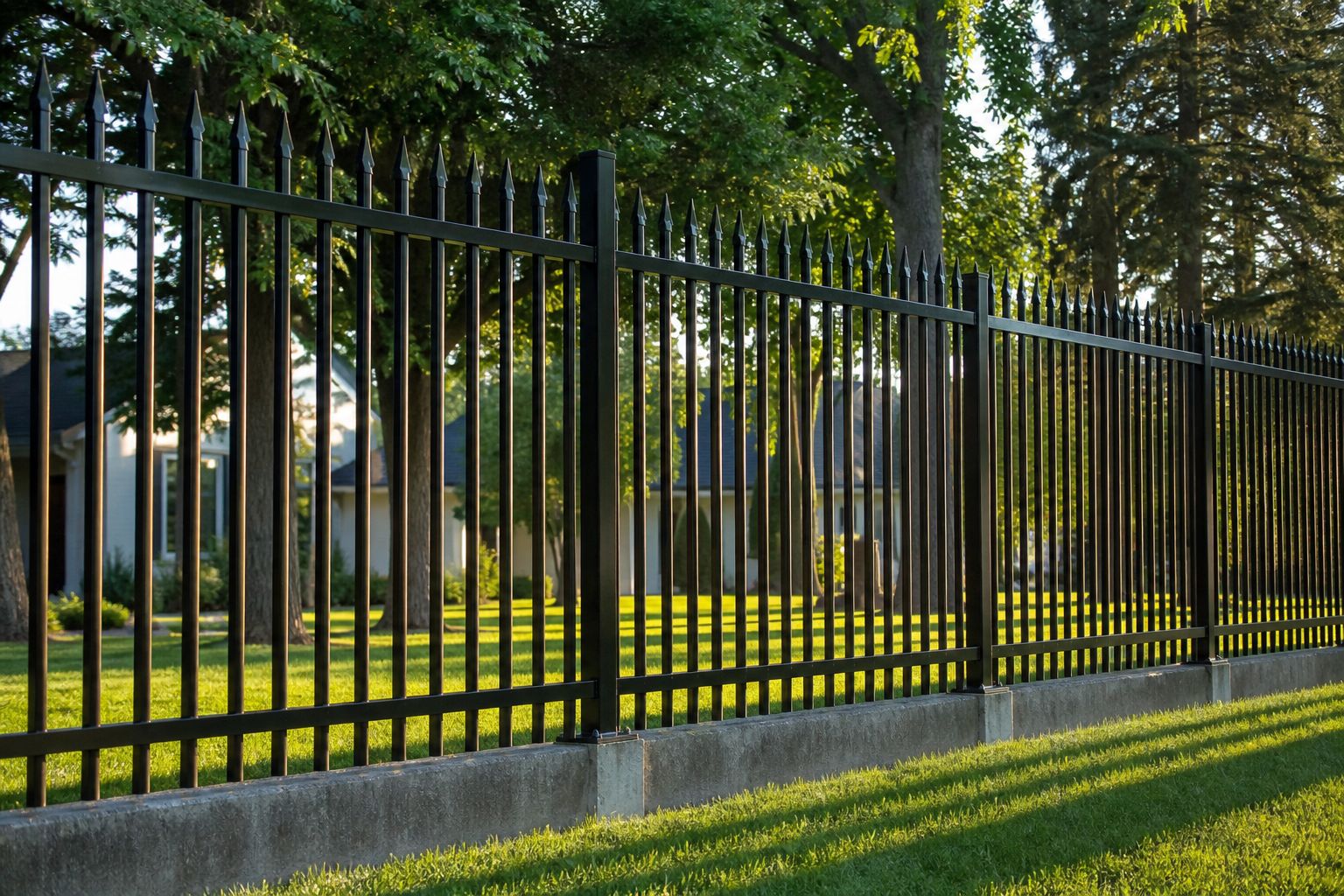
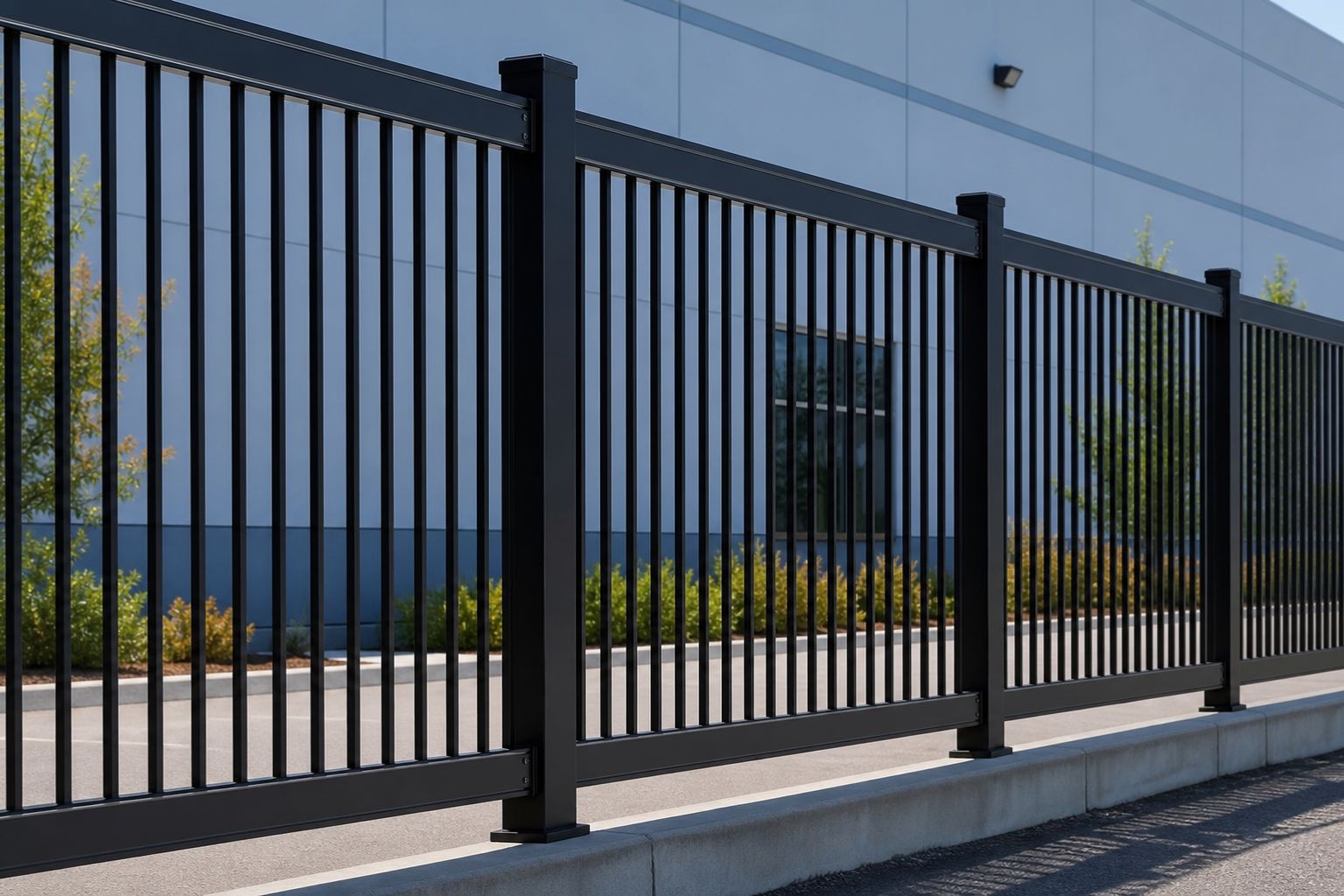
Aluminum fencing comes in a range of heights, picket styles, and finishes. You can go with a flat-top style for a simple, modern look or add pointed pickets for a more traditional appearance. Rail counts, picket spacing, and post cap styles all vary. Black is the most popular finish, but other colors are available, and the right choice depends on your home's exterior and your landscaping.
The upfront cost of aluminum sits between wood and high-end materials like ornamental iron, but the long-term economics work in aluminum's favor. You are not paying for staining, painting, or rust treatment every few years. A properly installed aluminum fence with quality hardware can last several decades with minimal intervention, which changes the cost picture significantly when you look at total ownership.
Not every property is flat. Aluminum fencing can be installed using a racked or stepped method depending on the grade of your land. Racking allows the fence panels to follow the slope of the ground gradually. Stepping creates level sections that drop in increments. The right approach depends on how steep your grade is and what look you are going for, and we will walk you through both options during your estimate.
How We Install Your Aluminum Fence
The installation process matters as much as the materials. A fence is only as good as its posts and foundation, and shortcuts in the ground show up eventually in the panels above. Here is how we approach every project.
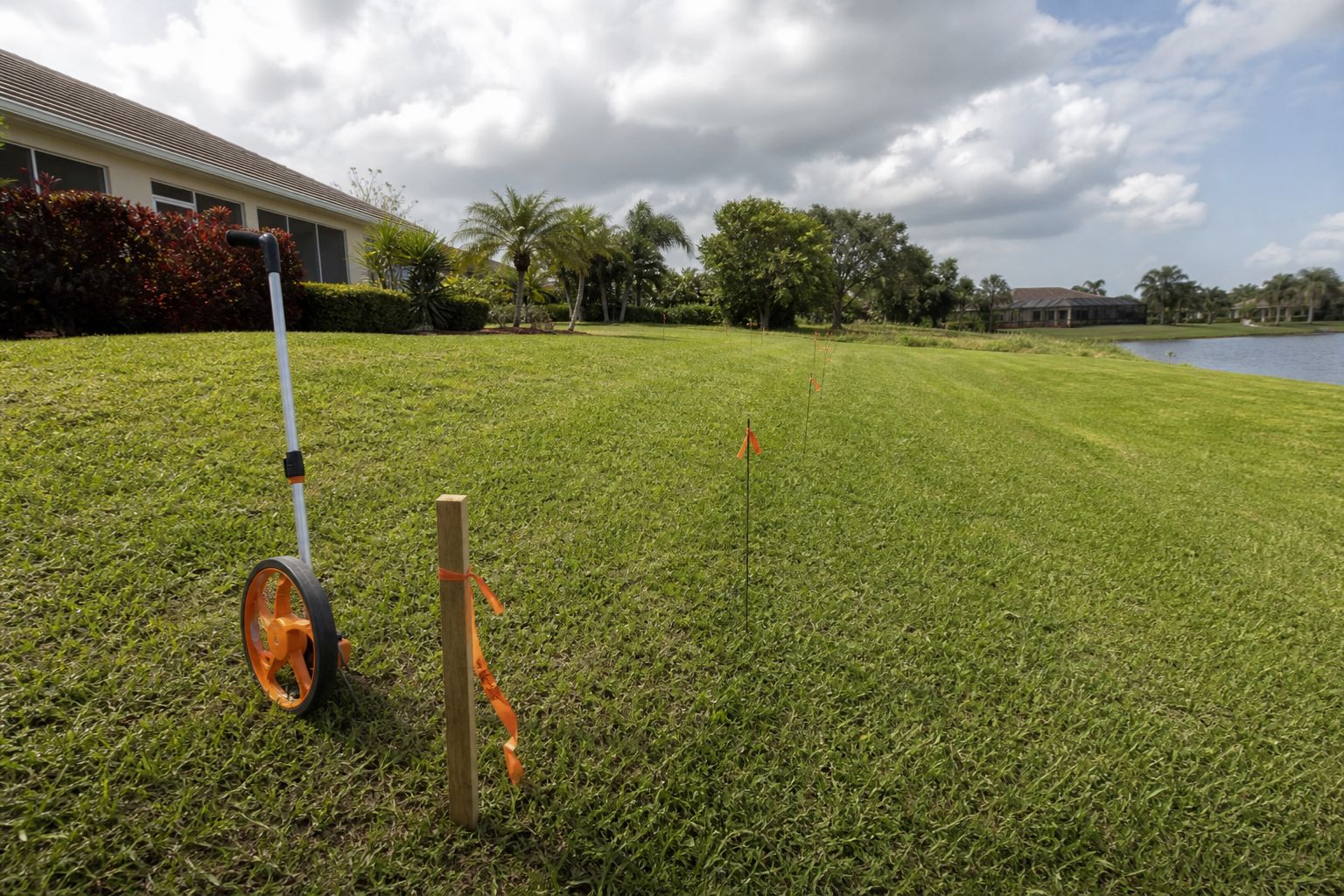
We start by coming out to your property and taking accurate measurements of the area you want to fence. We look at the terrain, note any slopes or elevation changes, identify where gates need to go, and check for anything that might affect the layout, like underground utilities or existing structures near the fence line. This visit is also where we talk through your style preferences and any specific requirements, like pool code compliance.
Once we have your measurements and know what you need, we put together a written estimate that outlines the materials, the scope of work, and the timeline. We will specify the panel style, height, picket spacing, and post size so you know exactly what is going into your fence before you commit to anything. There are no vague line items.
Depending on your municipality, a fence permit may be required before installation can begin. Requirements vary by town, so we work with what applies in your specific area, whether that is Brewster, Ossining, Tarrytown, or anywhere else we serve. We can advise you on what is typically needed and help you understand the process so nothing holds up your project.
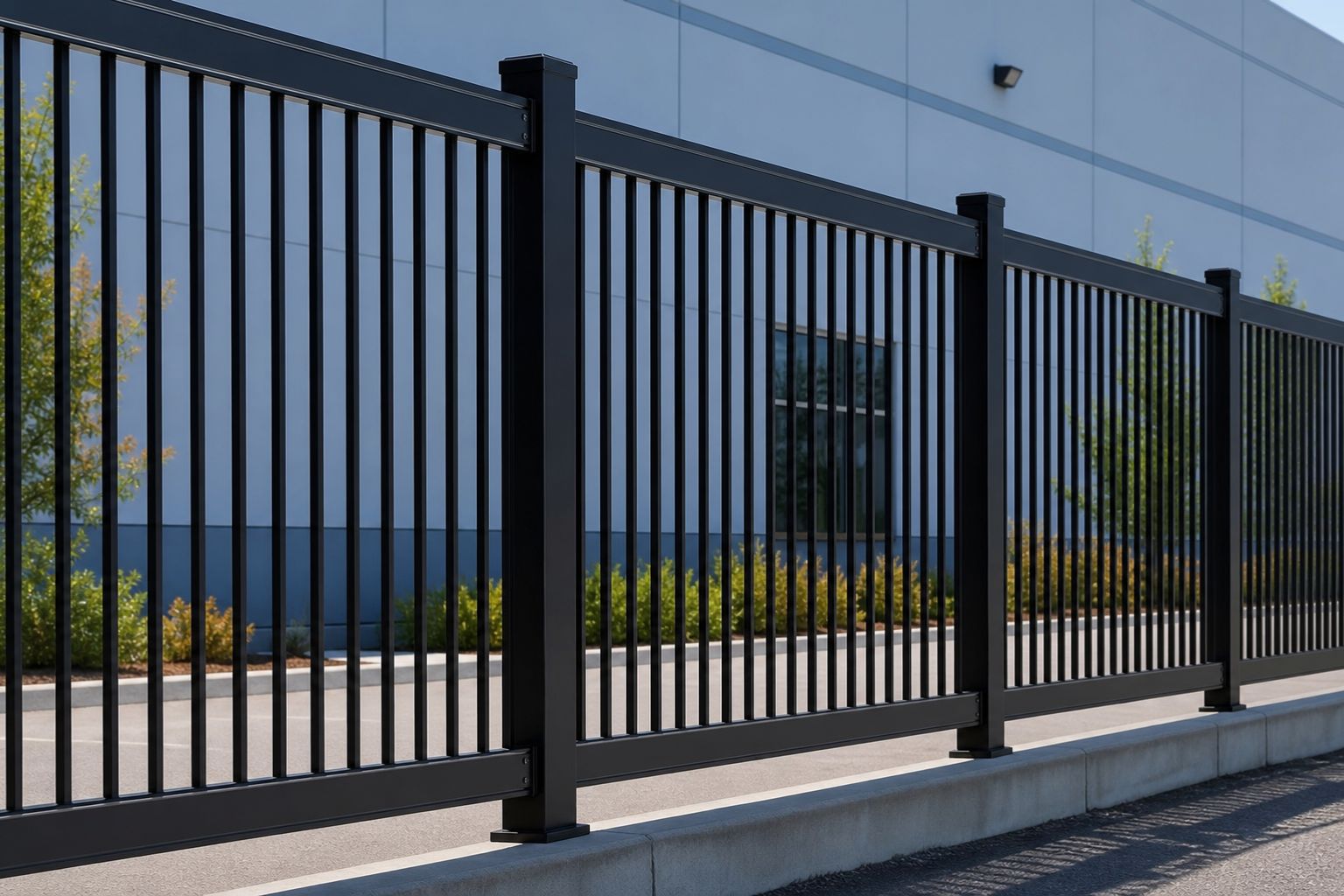
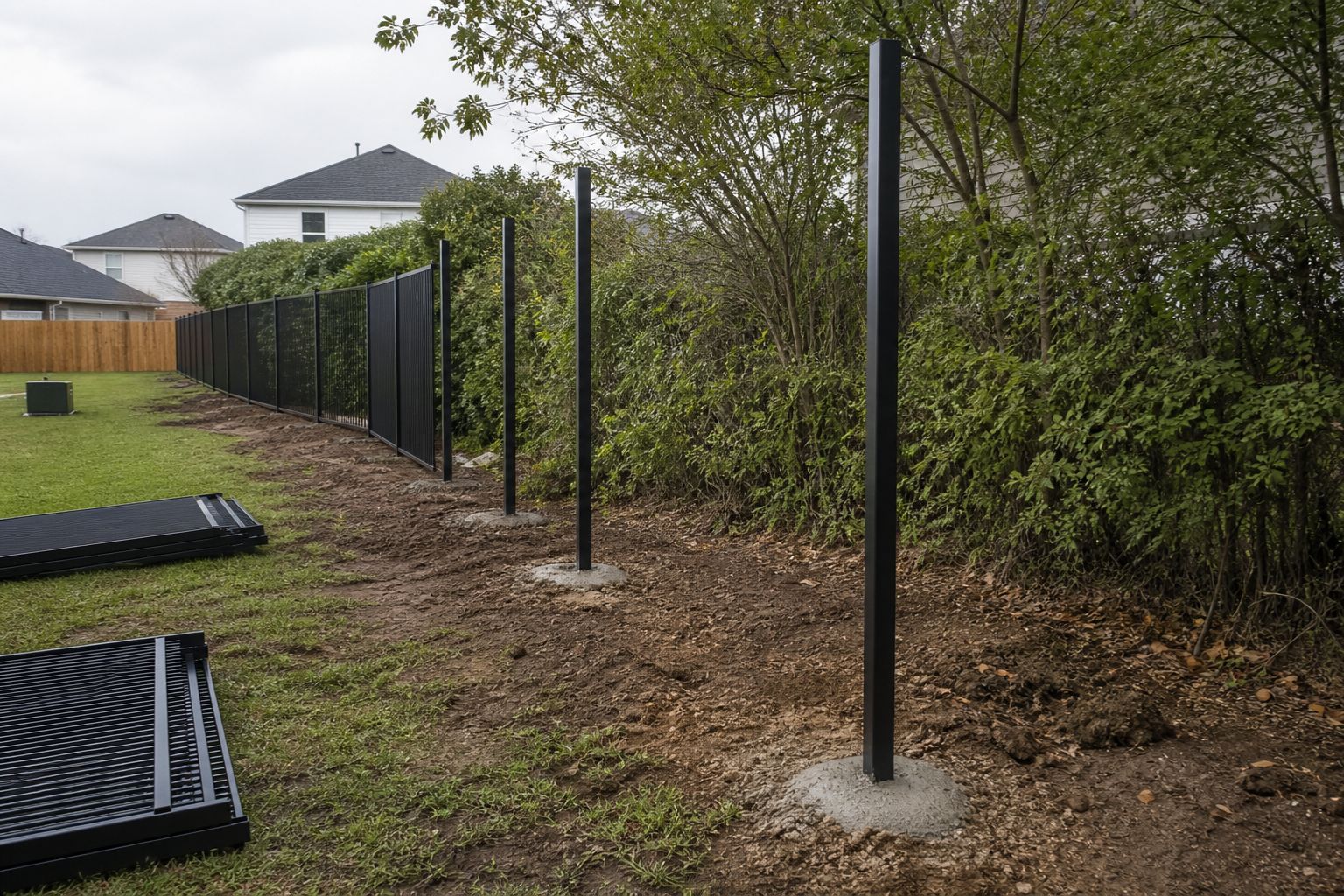
Post setting is where the quality of your fence is really decided. We dig post holes to the appropriate depth for your soil conditions and local frost line, set each post in concrete, and confirm alignment before the concrete cures. In New York, frost heave is a real concern. Posts that are not deep enough or properly anchored will shift over time, causing your fence to lean or panels to rack out of alignment. We do not cut corners on this step.
Once the posts are set and the concrete has cured, we install the rails and panels. Each panel is secured to the posts using the appropriate hardware for aluminum fencing, which is important because using the wrong fasteners can cause corrosion where dissimilar metals meet. We check level and alignment as we go, not just at the end.
If your project includes gates, we install them last after the fence line is complete. Gate hardware on aluminum fencing includes hinges, latches, and in some cases self-closing mechanisms for pool compliance. We adjust each gate so it swings freely, latches securely, and sits level in the opening. A gate that binds or drops over time is usually a hardware or post problem, and we address both during installation.
Before we leave, we walk the entire fence line with you. We check every post, panel, and gate, and we point out anything you should know for long-term care. Aluminum fencing requires very little maintenance, but we will tell you what that minimal care looks like so your fence keeps looking the way it does on installation day.
Aluminum Fencing for Residential Properties
For homeowners, aluminum fencing is often the answer when you want something that improves the look of your property without adding to your maintenance list. A black aluminum fence along the front of your home adds definition and curb appeal without making the yard feel closed off. The open picket design keeps sight lines clear, which matters if you have landscaping you want people to see.
Around the backyard, aluminum gives you a secure perimeter for kids and pets without the visual weight of a solid panel fence. If privacy is the priority back there, aluminum is not the material for that. But if security, containment, and appearance are what you need, it handles all three well.
Pool enclosures are one of the most common applications we see. New York has clear requirements around pool fencing, including minimum heights and gate self-latching and self-closing requirements. Aluminum meets those standards, and a properly installed pool fence using code-compliant aluminum panels passes inspection without the complications that come from trying to adapt other materials to meet the same specs.
We serve homeowners throughout Mahopac, Carmel, Pawling, Beacon, Wappingers Falls, New Paltz, Kingston, Mount Kisco, New City, Spring Valley, Suffern, Yonkers, and other communities across the region. Whether your property is a suburban split-level or a larger rural lot, the installation approach is calibrated to your specific site.
Aluminum Fencing for Commercial Properties
Commercial aluminum fencing serves a different set of priorities than residential work. For businesses, the fence needs to do its job around parking areas, equipment yards, building perimeters, and access points while holding up under heavier daily use and looking presentable year after year.
Commercial-grade aluminum profiles are thicker and more rigid than standard residential panels. The post sizing goes up as well, which matters for longer fence runs and for installations where the fence needs to anchor gate hardware that will cycle frequently. If you are running an automatic gate on your commercial property, the fence posts flanking that gate need to be installed to handle that load.
We work with commercial property owners, property managers, and general contractors on aluminum fencing projects that require more planning than a typical residential job. That includes phased installations where sections of the fence need to go up in sequence to keep the property operational during construction, and projects where the fence integrates with access control systems or automatic gates.
Portillo Fences and Gates handles commercial projects in Peekskill, Port Chester, White Plains, Middletown, Poughkeepsie, Newburgh, and the surrounding areas. If you manage multiple properties, we can coordinate across locations.
What Sets Portillo Fences and Gates Apart
Choosing a fencing contractor comes down to who you trust to do the work right and stand behind it. Here is what working with us actually looks like.
We carry the proper licensing and insurance for the work we do. This protects you as the property owner. If something goes wrong during installation, you are not left holding a problem on a property covered by a contractor who was not properly covered. This is basic, and it matters more than most people realize until they need it.
Our estimates are written out clearly. You will see what materials are being used, what the scope of work covers, and what the timeline looks like before you agree to anything. We do not do low bids that climb during installation.
We install aluminum fencing alongside wood, vinyl, chain link, custom fencing, and steel railings. That range of experience means we can give you an honest comparison when aluminum is not the right call for your project, rather than selling you on a material just because it is what we happen to carry. If aluminum is the right fit, we will tell you why. If something else fits better, we will tell you that too.
The post depth, the concrete mix, the hardware choices, the gate alignment: none of these show up in a photo of the finished fence, but all of them determine how long that fence stays looking like the photo. We pay attention to the installation details because that is what determines whether a fence holds up over ten or twenty years or starts having problems after two.
Soil conditions, frost lines, local permit requirements, and zoning rules vary across Putnam, Westchester, Dutchess, Orange, Ulster, and Rockland counties. We have worked in all of these areas and understand the local variables that affect how a fence is built and what approvals it may need. That familiarity saves time and keeps your project on track.
Frequently Asked Questions About Aluminum Fencing
These are the questions homeowners and property managers actually ask before committing to an aluminum fence installation. The answers here go beyond the basics.
How does aluminum fencing hold up in New York winters?
Aluminum handles cold temperatures well. It does not absorb moisture the way wood does, so it does not expand and contract as dramatically through freeze-thaw cycles. The powder coating protects the surface from the salt and road spray that can accelerate corrosion on other metals. The bigger winter concern is frost heave on posts that were not set deep enough, which is why proper post depth matters significantly in our climate. Posts set correctly at installation will not shift when the ground freezes.
Can aluminum fencing be installed on a slope?
Yes, and there are two ways to handle it. Racking means the fence panels are adjusted to follow the slope gradually, so the top rail angles with the grade. Stepping means the fence runs level in sections, then drops to the next level, creating a stair-step profile. Racking works better on gentle, consistent slopes. Stepping is more common on steeper or irregular grades. Which one looks better on your property depends on the slope angle and your aesthetic preference, and we will walk through both options during your site visit.
What height options are available for aluminum fencing?
Standard heights for residential aluminum fencing are typically 3 feet, 4 feet, and 6 feet. Pool codes in most New York municipalities require a minimum of 4 feet for pool enclosures, with some localities requiring 5 or 6 feet. Commercial applications often use 6-foot or taller panels. Your municipality may also have restrictions on fence height in front yards, so it is worth checking local zoning before you decide on height. We can help you understand what applies in your town.
Is aluminum fencing suitable for a pool enclosure that needs to pass inspection?
Aluminum is one of the most commonly used materials for pool fencing precisely because it is manufactured to meet code requirements. Key specs include picket spacing tight enough that a 4-inch sphere cannot pass, which in practice means no more than 1 3/4 inches on panels whose rails sit less than 45 inches apart, and up to 4 inches only where the rails are 45 inches or more apart, a self-closing and self-latching gate that opens away from the pool, and a minimum fence height that meets your local requirements. When we install a pool enclosure, we build it to those specs from the start so your inspection goes smoothly.
How long does aluminum fencing actually last?
A properly installed aluminum fence with quality powder coating can last several decades. The material itself does not degrade the way wood or iron does. What affects longevity most is post installation quality, hardware quality, and whether gates are properly balanced so hinges are not under constant stress. We install aluminum fencing with these long-term factors in mind, not just what looks good on day one.
Can I add a gate to my aluminum fence later?
It depends on how the original fence was installed. If the posts flanking the gate location were set and sized to carry gate hardware, adding a gate later is straightforward. If they were not, the posts may need to be replaced with heavier stock to handle the load. This is one reason to think through your gate placement at the start of the project rather than as an afterthought. If you think you might want a gate in the future, tell us during the estimate and we can set the posts accordingly.
What maintenance does aluminum fencing require?
Very little, which is one of the main reasons people choose it. Rinsing the fence with a garden hose periodically to remove dirt and debris is usually enough to keep it looking clean. If you notice any chips or scratches in the powder coating, touching them up with a matching paint prevents moisture from reaching the raw aluminum underneath. Gates should be checked annually to make sure the hinges are tight and the latch is functioning correctly. That is about the extent of what aluminum fencing asks of you on an ongoing basis.
Does aluminum fencing work with automatic gate systems?
Yes. Aluminum fencing is commonly paired with automatic gate operators, including slide operators and swing arm operators. The gate itself can be built from aluminum to match the fence, and the operator hardware mounts to the post and the gate frame. The key is making sure the gate posts are set in concrete with enough mass to support the operator and the moving gate without shifting over time. We install gate hardware and access control systems and can help you plan an aluminum fence project that integrates smoothly with an automated entry.
Ready to Get a Quote on Aluminum Fencing?
We serve Brewster, Carmel, Mahopac, Pawling, Beacon, Poughkeepsie, Wappingers Falls, Newburgh, Middletown, New Paltz, Kingston, White Plains, Port Chester, Ossining, Peekskill, Mount Kisco, Tarrytown, New City, Spring Valley, Suffern, Yonkers, and the surrounding area.