

May 23, 2026
- Vinyl Fencing
- Privacy Fence
- Fence Installation
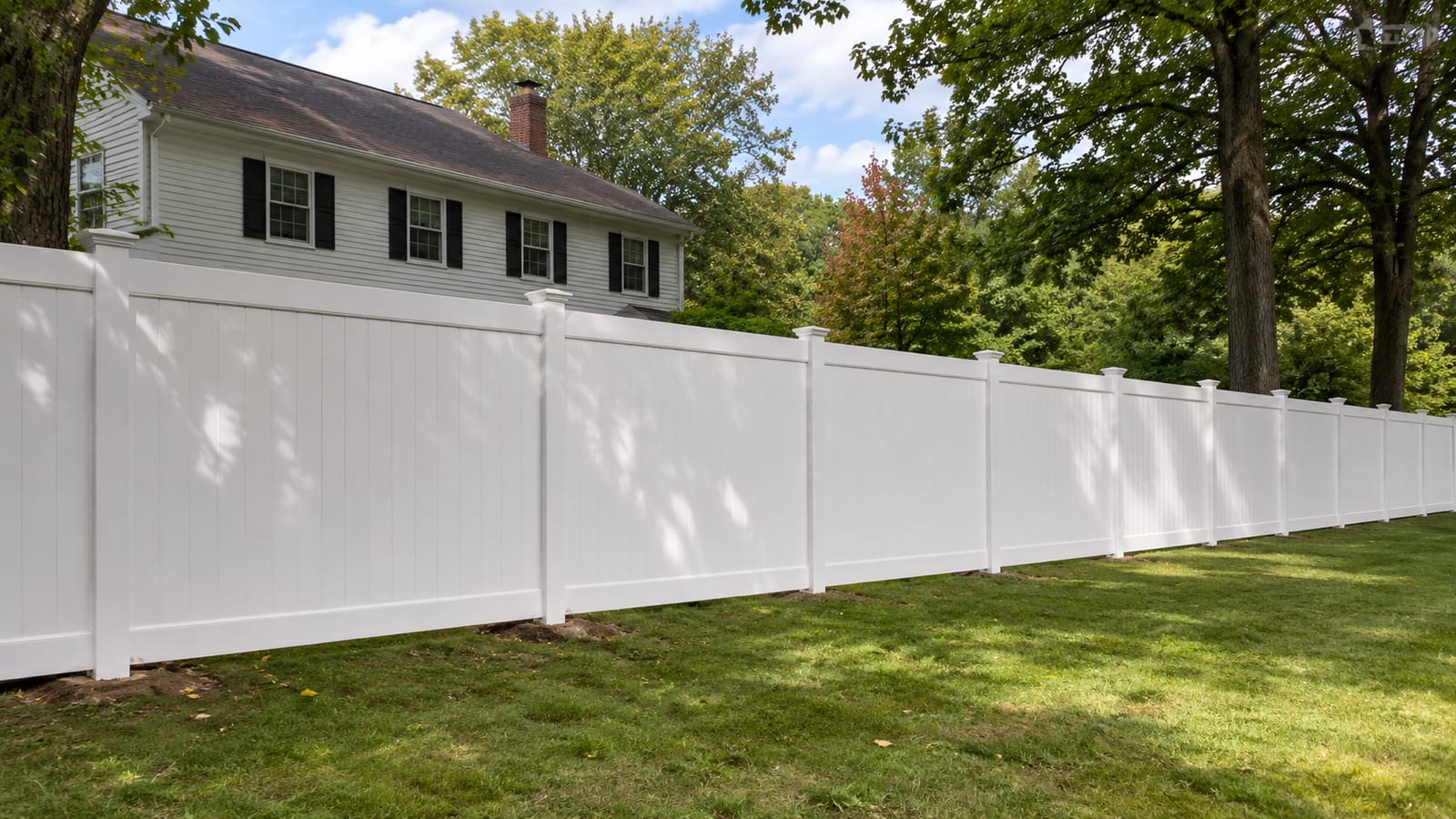
Vinyl privacy fence installation is something many homeowners start thinking about after one too many weekends sanding, staining, or repairing a wood fence that never seems to stay looking good. If your current fence is leaning, warping, or just not giving you the backyard privacy you were hoping for, you already know the frustration. A vinyl privacy fence solves a lot of those problems without the constant upkeep that comes with wood. In Greater NY, where wet winters, freeze-thaw cycles, and tight lot layouts add extra pressure on any fence system, getting the installation right matters more than most people realize. Poor post depth, skipped utility checks, and gates that were never reinforced correctly are among the most common reasons a new fence starts showing problems within just a few years. A properly installed vinyl privacy fence can hold up through changing seasons, look clean year after year, and require very little beyond an occasional rinse.
Key Takeaways
- Privacy and curb appeal: Vinyl privacy fencing creates a clean boundary that improves outdoor privacy and property appearance.
- Low maintenance: Vinyl does not need staining or sealing like wood, making it a practical long-term choice.
- Strong installation matters: Proper post depth, concrete setting, and alignment are critical for long-term performance.
- Gate planning: Gates need reinforcement, hardware clearance, and careful placement to function correctly over time.
- Weather resistance: Vinyl is a durable option for Greater NY's changing seasons and moisture exposure.
- Professional results: Expert installation helps prevent sagging, shifting, and uneven panels from the start.
1. Why Vinyl Privacy Fence Installation Matters
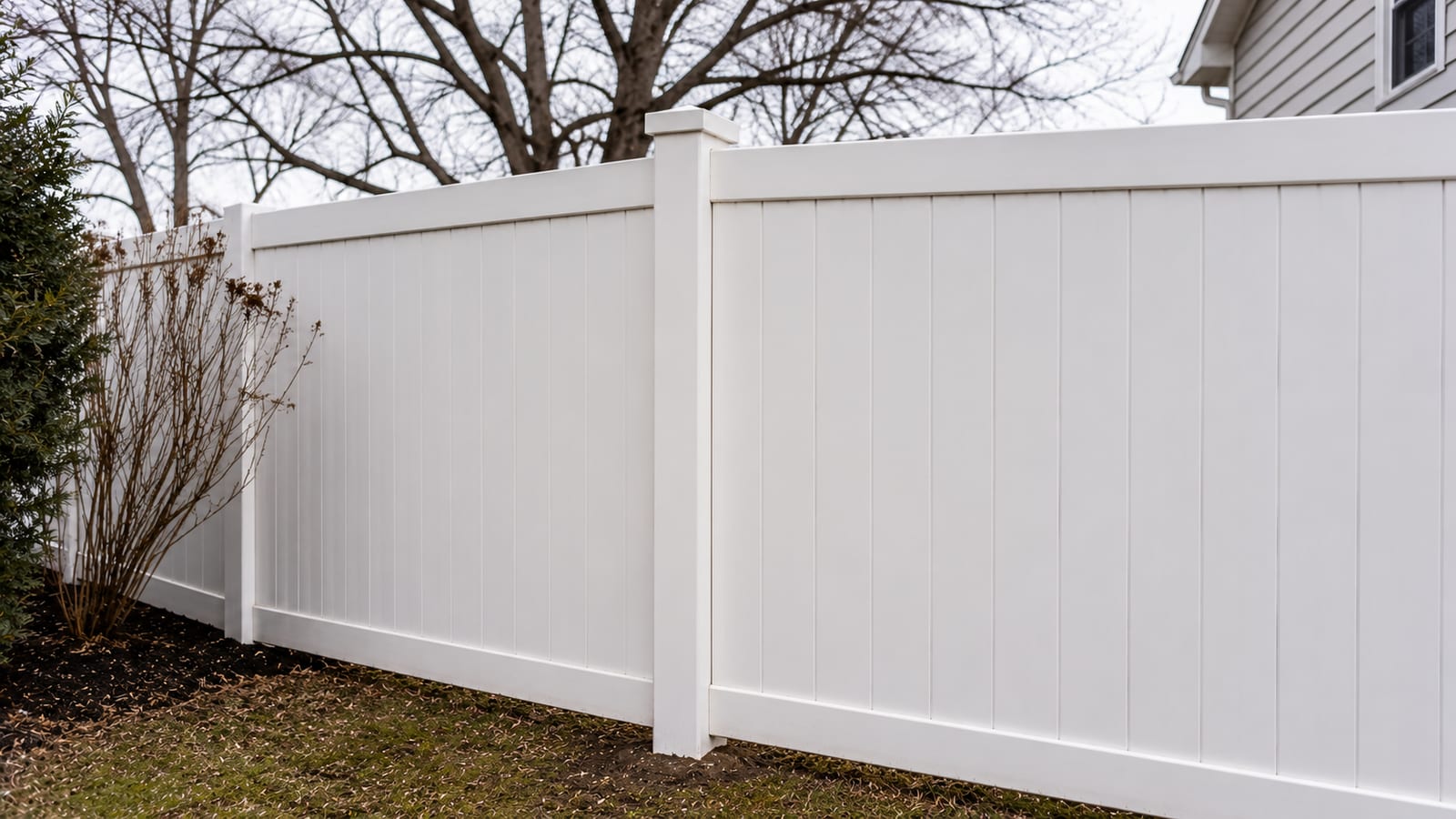
Homeowners want a fence that provides real seclusion, clearly defines property lines, and improves the overall look of the yard. A fence that leans, gaps, or sags within a couple of seasons is not doing its job, and it can become a bigger expense down the road. In Greater NY, drainage issues, frost depth, and varied lot layouts mean that installation decisions made upfront have a direct impact on how the fence performs for years. A professionally installed fence is more likely to stay straight, secure, and visually consistent because every step of the process is done with long-term performance in mind.
Vinyl Is Built for Low Maintenance
Vinyl privacy fencing resists rot, insects, and moisture, and it holds its color without needing paint or sealant. For homeowners who have spent years maintaining a wood fence, switching to vinyl often feels like a real relief. Cleaning is usually as simple as soap and water.
2. Common Signs You Need a New Fence
Sagging sections, cracked or broken panels, loose posts, and rotting wood all suggest that repairs may no longer be worth the investment. Beyond the structural issues, a fence that no longer provides enough privacy or looks worn down can affect the whole feel of the yard.
Visible Structural Wear
Warping boards, broken pickets, and leaning posts are clear signs that a fence is no longer structurally sound. When posts start moving, the panels they support tend to follow, creating gaps and uneven sections that get worse over time. A fence in this condition is unlikely to improve with simple repairs, especially if the underlying footings have already failed.
Privacy and Maintenance Are No Longer Working
A fence with inconsistent height, visible gaps between boards, or frequent staining and sealing needs is no longer doing its job efficiently. When maintenance costs and time start adding up, replacement often makes more sense than continuing to patch problems.
3. Key Considerations Before Installation
Fence height, post spacing, gate placement, and soil conditions all play a role in how the finished system looks and performs. Sloped yards and uneven terrain require extra planning so the fence runs level and the panels fit correctly without awkward gaps. Choosing the right layout and style upfront is one of the best ways to avoid costly adjustments once work is underway.
Post Placement and Depth
Posts carry nearly all of the structural load for the system, so placement and depth are two of the most important decisions in any fence project. As a general rule, roughly one-third of each post should be set in the ground, meaning taller fences require deeper holes. For standard panel widths, posts are typically spaced to match the panel size, with 6-foot panels often requiring posts set about 73.25 inches apart on center and 8-foot panels requiring posts spaced at 96 inches on center. Getting this spacing right from the start helps panels fit cleanly and reduces the chance of alignment problems.
Gate Openings and Hardware Planning
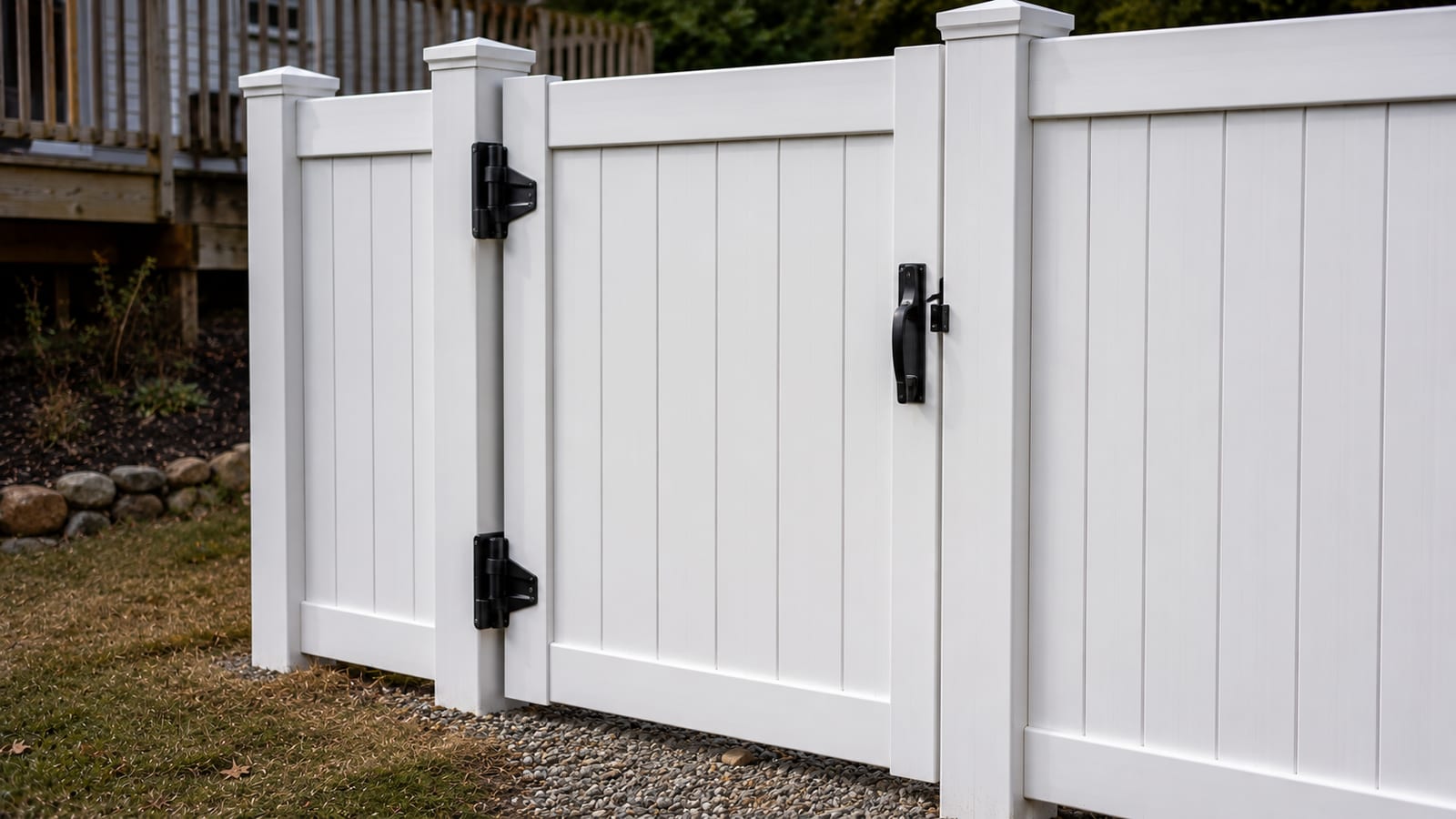
Gate openings need careful measurement before installation begins because the hardware, latches, and hinges all require specific clearances to work correctly. The opening itself should be slightly wider than the gate to allow for smooth movement and proper latch alignment. Gate posts often need internal reinforcement, sometimes with a wood insert, so that the hinges and hardware have something solid to anchor into rather than just the hollow vinyl. Skipping this step is one of the more common mistakes in DIY fence installation, and it tends to show up quickly as sagging or misaligned gates.
4. Safety and Practical Requirements
Vinyl privacy fence installation should always account for utility lines, confirmed property boundaries, and local permit requirements before any digging begins. In New York and most other states, homeowners are expected to call 811 before digging so underground utilities can be marked, which helps prevent dangerous and costly accidents. Checking with neighbors about the fence line and reviewing property deeds for easements can also prevent disputes later.
Local Rules to Know
Fence height limits, setback requirements, and pool enclosure rules vary by municipality, and Greater NY has its share of local codes that affect residential fencing projects. Taller privacy fences often face more restrictions than shorter decorative options, and properties near pools or easements may have specific requirements for what can be built and where. For pool fencing, code compliance is especially important because it affects safety and liability for the property. Checking with the local building department before starting confirms what permits are needed and what installation standards apply.
5. Installation Process
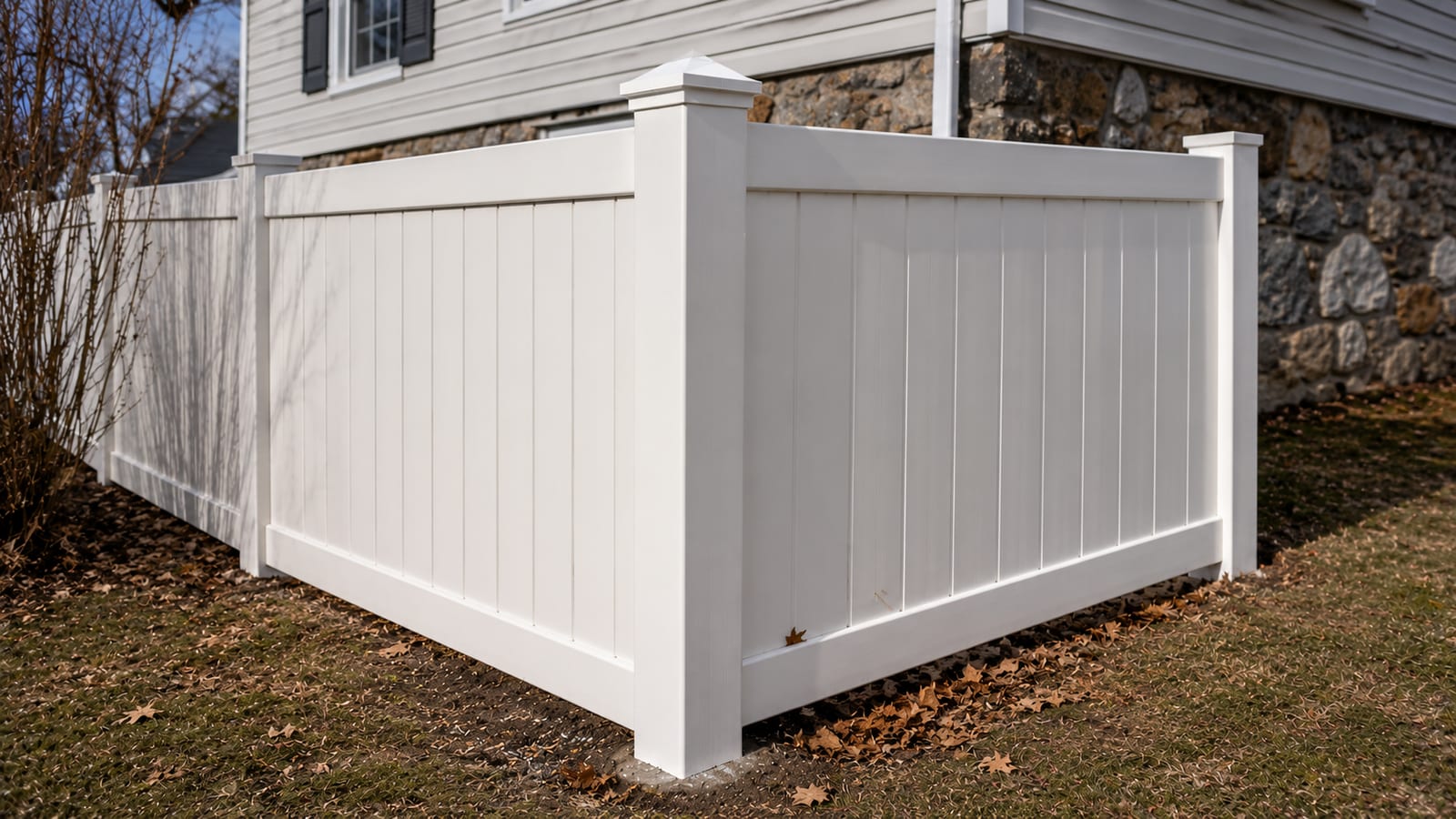
A proper vinyl privacy fence installation follows a clear sequence from start to finish, and skipping steps tends to create problems that are harder to fix later. Corner and end posts go in first because they serve as the structural anchors for the entire fence line. Once those are set and the concrete has cured, the line posts are installed at the correct spacing, followed by the panels, rails, and finally the gates.
Step 1: Layout, Markings, and Pre-Dig Checks
Property lines should be confirmed, underground utilities marked through 811, and any permit requirements sorted before the first stake goes in. Post hole placement should be laid out based on the panel size being used so the fence bays are consistent from one end to the other. A dry layout at this stage can reveal spacing issues before they become real problems in the field.
Step 2: Post Setting, Curing, and Panel Assembly
Post holes are dug to the correct depth, typically around 10 inches in diameter, with a layer of gravel added at the bottom for drainage. Posts are then set in concrete with care taken to keep them plumb and at consistent height along the fence line. Allowing the concrete to fully cure before attaching panels is important because attaching them too early can shift posts that have not yet set properly. After the posts are solid, the vinyl rails and panels slide or lock into place, and gates are hung last so the opening can be fine-tuned for proper swing and latch alignment.
6. Long-Term Fence Care
Vinyl fencing is genuinely low maintenance, but that does not mean zero attention over time. Homeowners should inspect the fence after major storms or harsh winters, checking for loose hardware, cracked panels, or any posts that may have shifted due to frost or ground movement. Routine cleaning with mild soap and water makes it easier to spot small issues before they grow. A fence checked once or twice a year is much more likely to stay in good condition than one ignored until something breaks.
Common Pitfalls
Setting posts too shallow is one of the most frequent mistakes in vinyl privacy fence installation, allowing the fence to shift or lean as the ground moves through seasonal freeze-thaw cycles. Ignoring grade changes is another common problem, because a fence installed without accounting for slope tends to look uneven and may leave gaps at the bottom of panels. Skipping the 811 utility check before digging is a serious safety risk and a potential source of expensive repairs if a line gets damaged. Poor gate planning, including posts that were not reinforced and openings that were not measured correctly, often leads to gates that sag or stop closing properly within a few seasons.
Frequently Asked Questions About Vinyl Privacy Fence Installation
Q: How long does vinyl privacy fence installation take? A: Most projects take several days depending on fence length, terrain, and how many gates are included. Larger properties or those with significant slope may take longer because of the extra planning and fitting involved.
Q: Is vinyl fencing better than wood? A: Vinyl is often a better choice for homeowners who want a low-maintenance fence that resists rot, moisture, and insects without needing annual staining or sealing. Wood may still appeal to those who prefer a natural look and are willing to manage the upkeep.
Q: Can vinyl privacy fences be installed on a slope? A: Yes, but sloped yards require specific planning. Installers typically use a stepped method, where each fence section stays level and steps up the grade, or a racked method that follows the slope more closely depending on the product style.
Q: Do vinyl fences need concrete footings? A: Yes, posts are set in concrete for strength and stability. Concrete footings help the fence resist wind, ground movement, and the kind of seasonal shifting that is common in Greater NY winters.
Q: Are vinyl fences good for pools? A: Yes, vinyl is a popular choice for pool fencing because it handles moisture well and can be installed to meet local pool enclosure codes. It holds up against splashing and humidity without corroding or degrading.
Q: Can a gate be added to a vinyl privacy fence? A: Yes, and gate posts typically need internal reinforcement so the hinges and latches have solid material to anchor into. Proper gate installation includes checking the opening width, hardware clearance, and latch alignment before the gate is hung.
Q: How much does vinyl privacy fence installation cost? A: Cost varies widely depending on fence height, style, property layout, and local labor rates. General market estimates range from around $30 to over $80 per linear foot installed, with taller fences, custom styles, and reinforced gates typically costing more. The lower long-term maintenance costs often make vinyl a practical investment even when the upfront price is higher than wood.
Final Thoughts
Vinyl privacy fence installation comes down to planning, proper post setting, and attention to the details that affect long-term performance. Posts set at the correct depth with concrete footings, panels fitted to the right spacing, and gates reinforced with proper hardware all contribute to a fence that stays straight and secure for years. Whether the goal is backyard privacy, pool fencing, or a clean boundary that holds up through Greater NY winters, the quality of the installation determines how well the fence performs over time.
A properly installed vinyl privacy fence adds real long-term value to a property. It improves curb appeal, creates a more private outdoor space, and eliminates the seasonal maintenance cycle that comes with wood fencing.
At Portillo Fences and Gates, we serve homeowners throughout Greater NY with professional vinyl fence installation and gate work, including automatic gates, pool fencing, and fence repair. If you are ready to get a fence that works for your property and your lifestyle, contact us today to talk through your project and get a quote.