

October 28, 2026
- privacy fence
- fence cost
- wood fence
- chain link
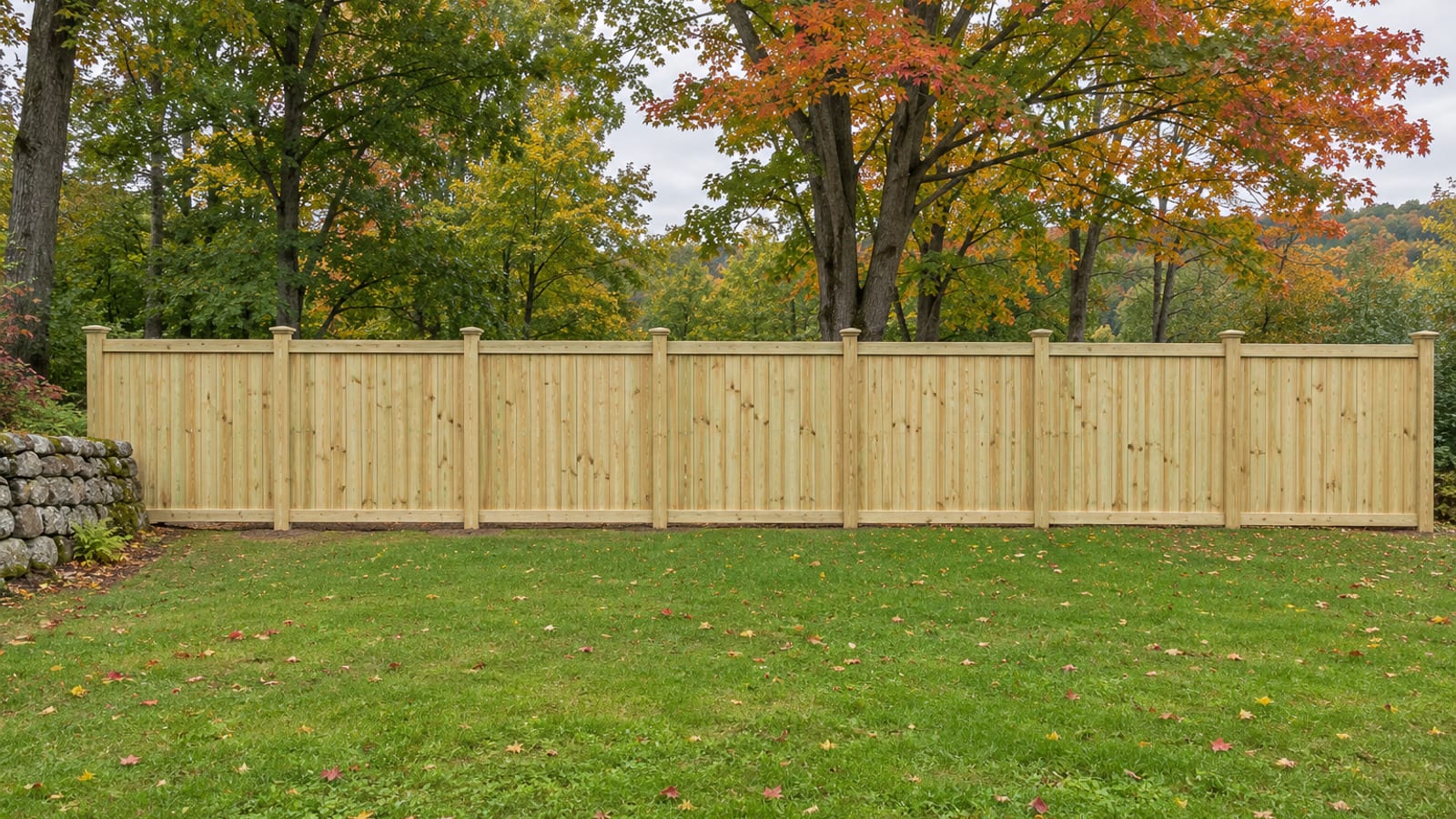
The lowest-priced solid privacy fence is usually pressure-treated pine. Contractors in Hartford County, Connecticut, quote a 6-foot pine privacy fence at $18 to $30 per linear foot installed, against $28 to $38 for cedar board-on-board in the same county.
Chain link with privacy slats can cost less than either, but slats add wind load and many towns keep a 6-foot fence out of the front yard. Vinyl and composite sit well above the budget end.
The price that matters is the one you pay over 15 to 20 years. A pine fence with deep, treated posts outlasts a cheaper one set shallow, and the shallow one is the fence that leans by the second winter. If you are covering a back or side yard in Putnam, Westchester, Dutchess, Orange, Ulster or Rockland County, the numbers and rules below show where saving money works and where it costs you later.
Key Takeaways
Lowest solid option
Pressure-treated pine is the lowest-priced full-privacy fence in the Connecticut and New York figures, at $18 to $30 per linear foot installed in Hartford County.
Slats change chain link
Privacy slats add roughly $3 to $10 per linear foot to a chain-link fence and add wind load that the posts and footings must handle.
Lifespan gap
Pine is quoted at 10 to 18 years and cedar at 15 to 30, so the cheaper fence may be installed twice in the time a cedar fence is installed once.
Cut the wrong corner
Shallow posts, ordinary fasteners and soil held against the boards are the shortcuts that cause leaning and rot.
Town rules decide placement
Putnam Valley, Southeast, Poughkeepsie and Yorktown all cap front-yard fences below 6 feet, so a cheap 6-foot fence often belongs in the side or rear yard only.
What a Budget Privacy Fence Costs Per Foot
Prices change a lot between a rural Putnam lot and a Fairfield County village, so each figure below carries its region and date. Contractors and cost guides in Connecticut and New York put pressure-treated pine at the bottom of the solid-fence range, cedar in the middle, and vinyl above both.
Installed price per linear foot, 6-foot privacy fence
Installed price: ---
Region and date: ---
Tap a row to open it.
The pine and cedar figures come from Arrow Fence's Connecticut wood-fence guide and Trusted Local Contractors' Fairfield County guide. The statewide Connecticut pine and vinyl ranges come from BidLens. The New York cedar, vinyl and chain-link ranges come from MeasureFence's New York cost guide, which also puts pressure-treated pine about 8 percent below cedar.
Two higher tiers are worth knowing about. Kodiak's pricing guide lists heavy-wall vinyl at $55 to $85 per linear foot and composite at $70 to $110, both United States averages from July 13, 2026 rather than Hudson Valley quotes. For a Hudson Valley price on your own yard, the Hudson Valley fence cost guide covers every material, and Cedar vs Pressure Treated Pine Fences covers the two wood choices side by side.
Do-It-Yourself Panels Against an Installed Fence
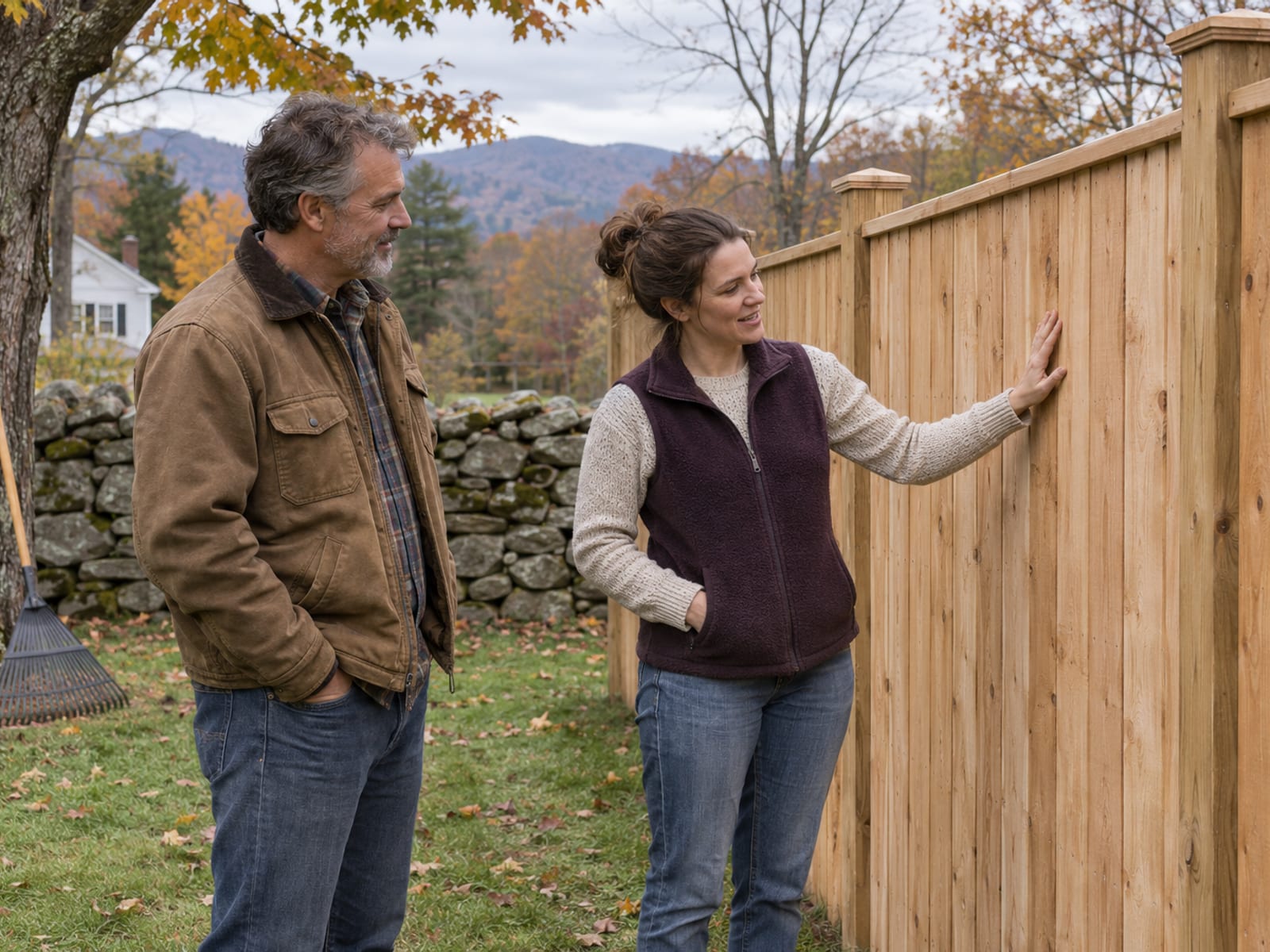
Home Depot listed a 6-foot by 8-foot pressure-treated dog-ear panel at $79.98, which works out to about $10 per linear foot, or $9 at the $71.98 quantity price. That is the lowest number in this whole comparison, and it is only the panels. Posts, concrete, rails, fasteners, gates, delivery, tools, permit fees and hauling away the old fence are all extra, per Home Depot's panel listing.
An installed price of $18 to $44 per foot for pine covers the layout, the digging, the concrete, the posts and rails, the equipment, the contractor's overhead and a warranty. Doing the work yourself removes the labor line and nothing else. A DIY pine fence is likely to come in under the installed price once you count everything, but it will not come in at $10 a foot.
The other factor is the ground. Rock, roots and slope slow a post-hole digger to a crawl, and a hole that is half dug because the shovel hit stone is a hole that gets filled shallow. A shallow hole is the single most common reason a budget fence fails early.
Chain Link With Slats: Cheaper Than It Looks, With One Catch
Plain 6-foot chain link runs $22 to $42 per linear foot in Fairfield County and $27 to $41 in New York, per the figures above. Adding privacy slats adds roughly $3 to $10 per foot, a national estimate cited by My Fence Guy CT. Putting the Fairfield County base next to that slat allowance gives about $25 to $52 per foot, a combined range, not a published package price.
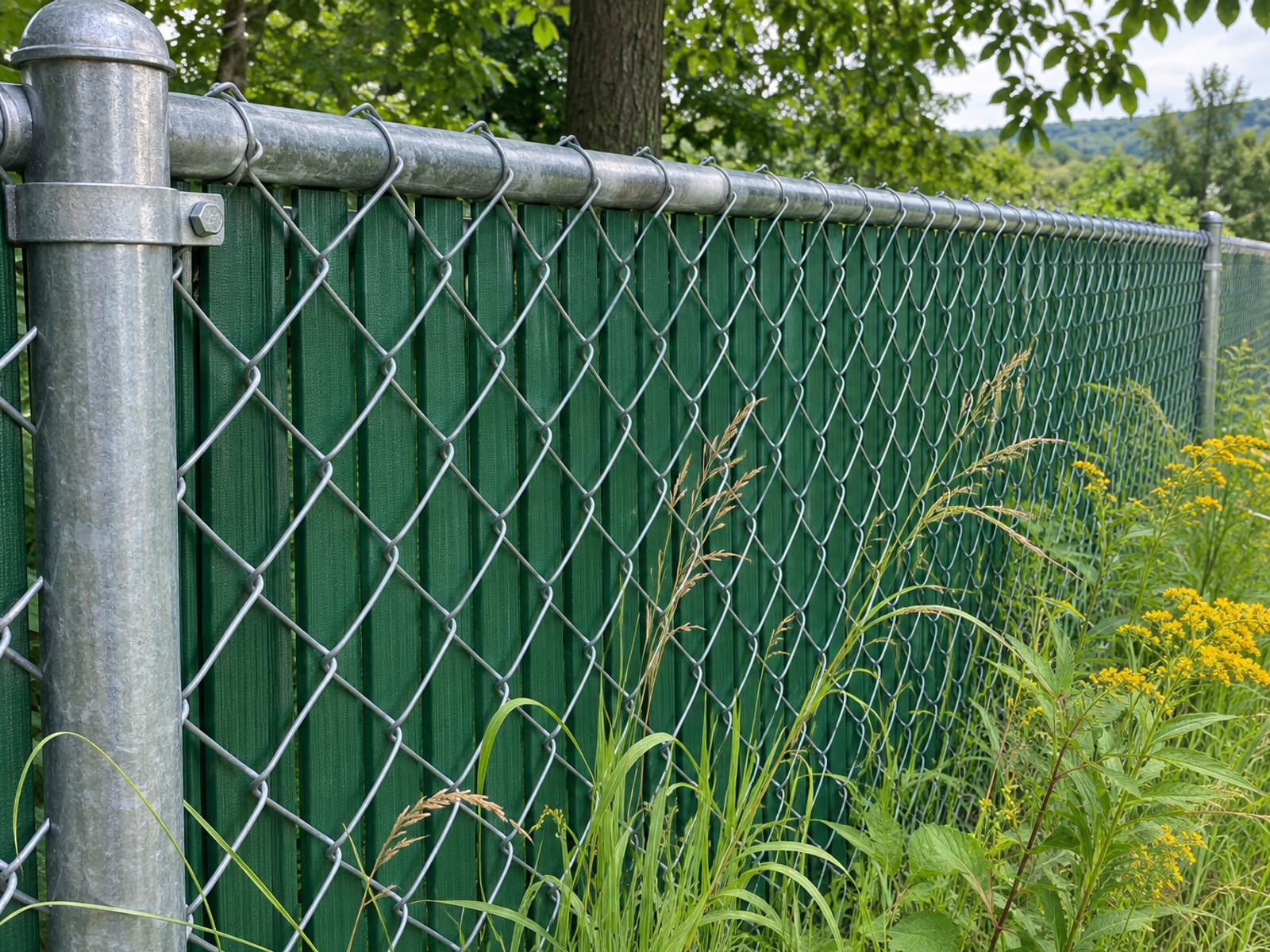
The catch is the wind. A slatted fence acts like a solid wall in a gust, so the mesh, rails, braces and footings have to be sized for that, not for open chain link. Master Halco's SlatMaster brochure gives its slats a 10-year limited warranty against fading, breakage and red rust under normal use. Ask your installer to itemize the mesh, posts, concrete, rails, slats, gates, labor and removal so you can compare the total with a pine quote on the same footage. The chain link fencing page covers the options available.
How Long Each Option Lasts
Lifespan is where a low price can turn out to be an expensive one. The published ranges below come from contractor guides, a wood-industry body, the USDA Forest Service and manufacturer warranties, and each is a range, not a promise.
Published lifespan and warranty
Lifespan or warranty: ---
What fails first: ---
Tap a row to open it.
For wood posts, the USDA Forest Service lists 20 to 25 years for pressure-treated lodgepole or ponderosa pine under its listed treatment conditions, so the post treatment matters as much as the board you pick. The Canadian Wood Council's durability FAQ puts well-designed, well-ventilated cedar boards at 15 to 25 years. Vinyl details come from the Weatherables residential warranty and composite details from Trex.
Put the two tables side by side. A pine fence replaced at year 12 means two installs inside 20 years, while a cedar fence at the same age is still inside its published 15 to 25 year range. Whether that math favors pine depends on how long you plan to stay and how well the posts are set. For the longer comparison, see Vinyl vs Wood Fence Over 20 Years.
Where Cutting Cost Makes a Fence Lean or Rot
Some savings cost nothing in lifespan. The best known is a hybrid build: cedar or pine boards on pressure-treated structural posts. Arrow Fence says this is common in Connecticut because cedar posts in ground contact can degrade. Keeping the bottom rail and pickets out of soil and mulch is free, and Treated Wood's building guidance says debris should not pile against the bottom edge.
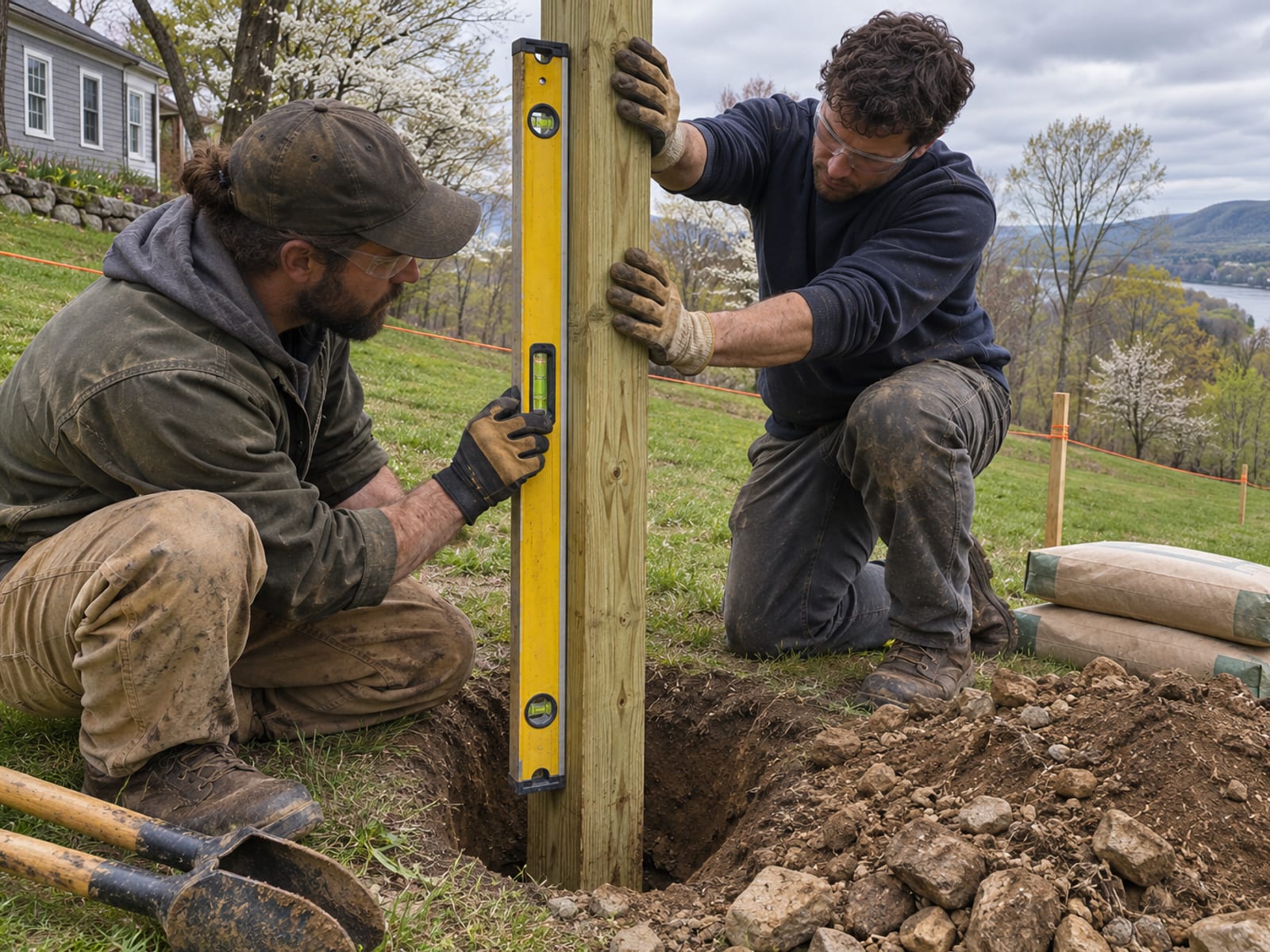
The shortcuts that cost more later are the ones below. Kodiak names shallow posts, cheap pre-built panels and a missing written warranty as reasons behind unusually low quotes, and notes that shallow posts can heave in winter and that cheap panels can sag or twist within two to three years. That is contractor practice guidance, not a code requirement.
- Posts set shallower than the local frost line, or in a loose hole without concrete.
- Untreated or undersized wood in ground contact.
- Ordinary fasteners instead of hot-dipped galvanized or stainless steel, which corrode in treated wood.
- Too few fasteners in wide boards or windy spots; Treated Wood recommends two per rail for pickets wider than four inches.
- Thin-wall vinyl panels and unsupported gate posts, where replacing a failed post can mean removing the panels beside it.
Frost depth is set by each municipality, not each county, and Frost Depth for Fence Posts in the Hudson Valley lists what to ask for in yours.
Town Rules That Limit a Cheap 6-Foot Fence
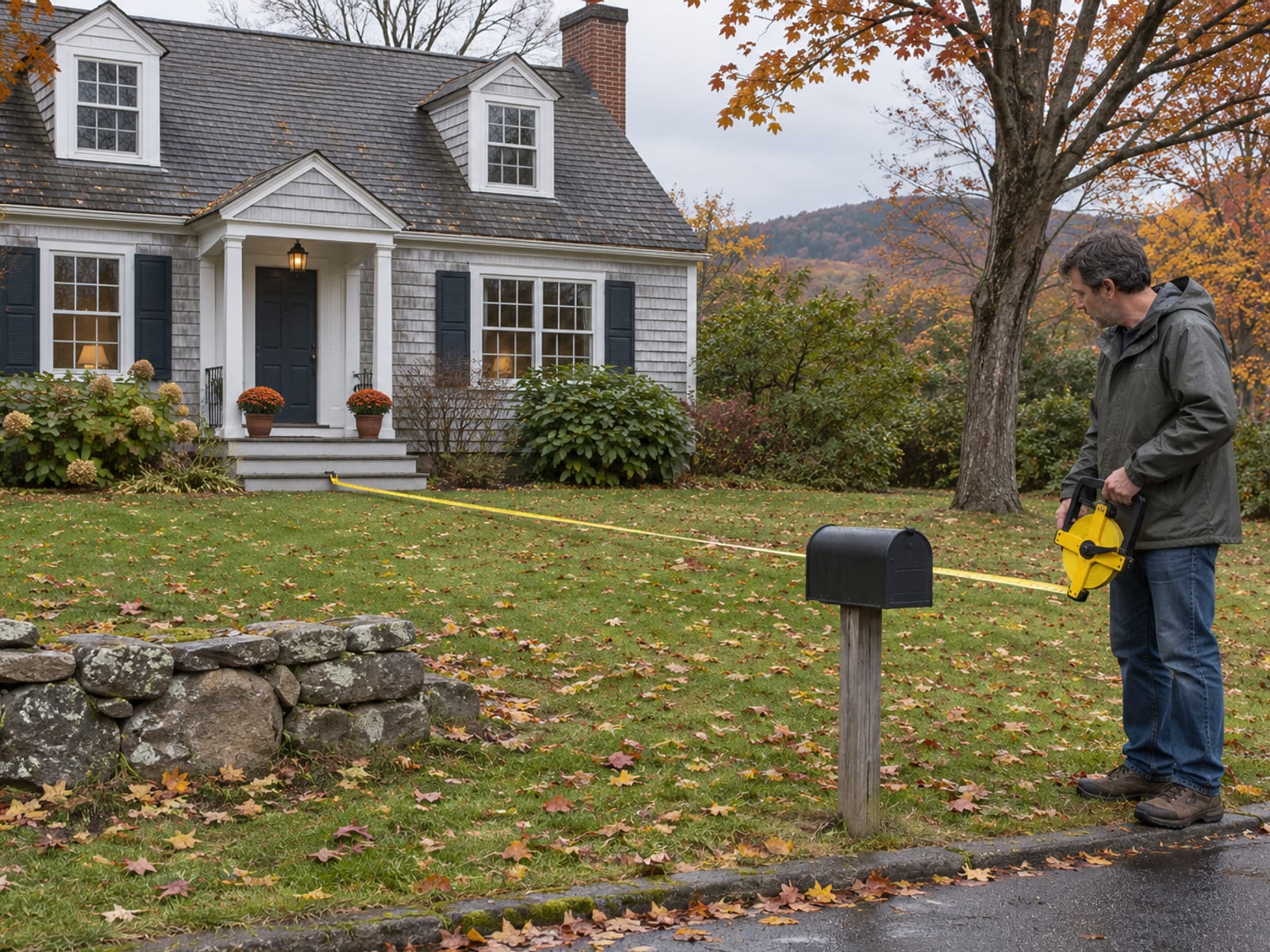
A 6-foot privacy fence is often allowed in a side or rear yard and limited in the front yard. Each town below sets its own numbers, and each section is cited so you can read it yourself.
Examples of town fence rules in the six counties
Front yard: ---
Side and rear yard: ---
Finished side: ---
Tap a row to open it.
The sections are in the codes of Putnam Valley, Southeast, Cortlandt, Yorktown, Poughkeepsie and Newburgh. Under Southeast § 300-42(D), a 6-foot privacy fence, slatted chain link included, is limited to the side or rear yard. Putnam Valley's section does not name chain link with slats, but a 6-foot slatted fence at the front property line would exceed its 4-foot front limit.
Corner lots add another limit. Cortlandt § 6-1(E) limits obstructions at street intersections to three feet above the pavement, Yorktown § 300-20(I) sets 3.5 feet inside the intersection visibility triangle, and Newburgh § 185-17 sets two feet. In Clarkstown, Rockland County, the bulk regulations allow a solid fence up to 4.5 feet along a lot line, and a slatted chain-link fence may be treated as solid depending on the district and slat coverage. Ulster County towns set their own rules, so call the code office in your town before ordering a 6-foot fence. New York Fence Height Limits by Municipality goes through more of them.
Frequently Asked Questions
What is the cheapest privacy fence to install?
Pressure-treated pine is the lowest-priced solid privacy fence in the Connecticut and New York figures above, at $18 to $30 per linear foot installed in Hartford County. Chain link with slats can come in near the same range or lower, depending on the base price and the slat allowance. Ask for an itemized quote, because a low total with no post depth listed is the quote to question.
Is the cheapest fence the cheapest over 20 years?
Not necessarily. Pine is quoted at 10 to 18 years and cedar at 15 to 30, so a pine fence may be replaced once while a cedar fence is not. Pine on well-set, treated posts, with the boards kept off the soil, narrows that gap.
Is DIY cheaper than hiring a fence contractor?
Panels alone run about $9 to $10 per linear foot at the Home Depot listing price, and posts, concrete, hardware, gates, tools and permits come on top. Skipping the labor line lowers the total, but not to the panel price. Rocky Hudson Valley ground makes digging to frost depth the hardest part of a DIY job.
Can I put a 6-foot privacy fence in my front yard?
Often not. Putnam Valley and Southeast cap front-yard fences at 4 feet, Yorktown at 4.5 feet and Poughkeepsie at 42 inches. Cortlandt and Newburgh allow 6 feet in the front yard of a residential lot, subject to corner visibility limits. Check your own town's code first.
Which side of the fence faces the neighbor?
In Putnam Valley, Southeast, Cortlandt and Poughkeepsie, the finished side must face the adjoining property or roadway. Yorktown says the decorative side faces away from your own property, which comes to the same result.
Does adding slats to chain link make it a privacy fence?
Slats block the view but also catch wind, so the posts and footings must be sized for the extra load. Some towns may treat a heavily slatted fence as solid, so check the height rule for solid fences in your district.
Check yourself
1. Which option do the Connecticut and New York figures put at the lowest installed price for a solid 6-foot privacy fence?
2. About how much do privacy slats add per linear foot to a chain-link fence, per the national estimate cited above?
3. Which shortcut can lead to a fence heaving and leaning after a winter?
4. How does Southeast's code treat a 6-foot privacy fence?
5. Which board is described as naturally decay-resistant but still weathers and fades to gray?
A cheap privacy fence works when the money you save is on the boards and not in the ground. Pressure-treated pine on deep, concrete-set, treated posts, with the boards kept off the soil and corrosion-resistant fasteners, gives you the lowest solid price without inviting the early lean. Chain link with slats works when the footings are sized for the wind, and any 6-foot fence needs a check against your town's front-yard limit.
If you want a quote for a privacy fence in your yard, Portillo Fences and Gates can walk the line with you, itemize the posts, concrete and hardware, and price wood fencing or chain link fencing for your property in Putnam, Westchester, Dutchess, Orange, Ulster or Rockland County. Use the contact page or call (845) 282-3336.